





 English
  Francês
  Alemão
  Italiano
  Japonês
  Norueguês
  Portuguese
  Spanish
  4 min of reading



Artificial Intelligence Accelerates Investments and Job Cuts, Reigniting a Historical Debate on Automation, Productivity, and the Future of Work in the United States and Around the World.
Artificial Intelligence is no longer just a technological promise.
Today, it influences strategic decisions, reorganizes companies, and transforms the job market.
In recent years, companies from various sectors have started directing more resources toward automated systems.
At the same time, they announced job cuts in areas considered repetitive or administrative.
According to the international news agency Reuters, in a report published on February 25, 2026, companies are reducing jobs while increasing investments in Artificial Intelligence.
Moreover, this movement occurs alongside a rise in market confidence in the efficiency of these systems.
-
Casio Unveils Moflin, Robotic Pet With Artificial Intelligence Designed To Provide Emotional Comfort And Simulate A Permanent Affectionate Bond

-
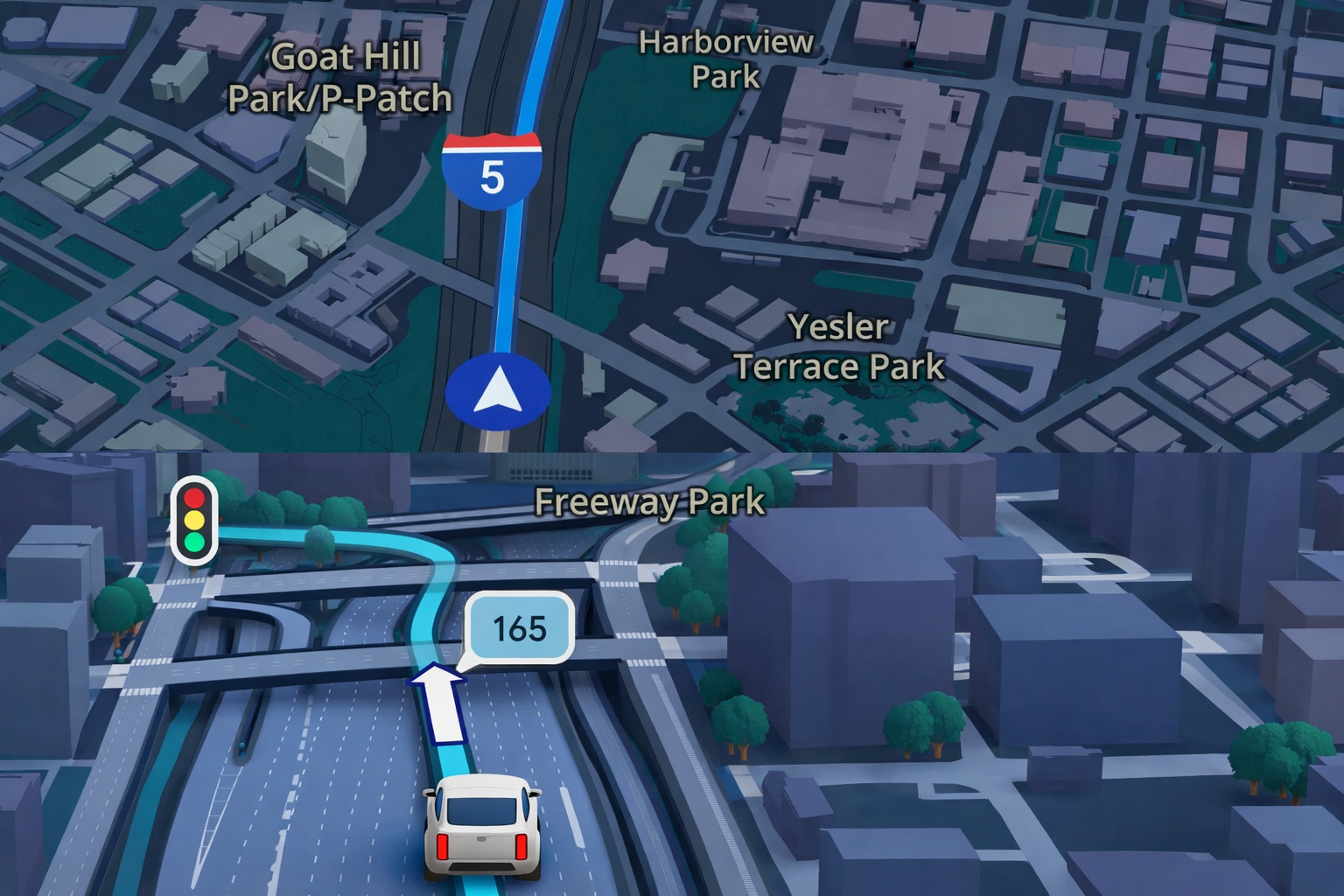
Google Maps Revolutionizes GPS Navigation With Gemini Artificial Intelligence, Ask Maps Feature, and Advanced 3D Visualization for Route and Travel Planning
-
China Warns the U.S. of a “Terminator” Style Apocalypse: Military AI Rivalry, Sanctions Against American Startup, and Fear of Algorithms Deciding Who Lives or Dies Place the World on the Brink of a Nightmare That Seemed Like Fiction

-
Many Use It Every Day, but Few Know That ChatGPT Has Limitations in Brazil: Users Under 14 Need Authorization, Sensitive Data Should Not Be Entered, and Content May Be Monitored in Specific Cases


From The Industrial Revolution to The Digital Age
Although the topic may seem recent, the fear of machines replacing workers did not emerge now.
Even in the 18th century, during the Industrial Revolution, mechanical looms changed textile production and sparked protests from workers.
Later, in the early 20th century, assembly line production marked another technological leap.
In this context, mechanization increased productivity but also eliminated manual jobs.
Decades later, industrial automation and computing repeated the pattern.
Thus, Artificial Intelligence is part of a historical process of continuous technological transformation.
However, unlike previous innovations, AI does not only affect physical tasks.
It also performs cognitive activities, analyzes data, and generates content.

The Goldman Sachs Warning
In February 2026, the American bank Goldman Sachs released estimates on the impact of technology on employment.
According to the bank itself, Artificial Intelligence was responsible for 5,000 to 10,000 net monthly job losses in 2025 in the sectors most exposed to automation.
Additionally, the institution’s economists warned that the acceleration of AI adoption could raise unemployment in the United States this year.
According to the report cited by Reuters, the most vulnerable industries include administrative areas, customer service, and technology.
Thus, the debate has moved from a theoretical realm to formal economic analysis.
Growing Investments in Artificial Intelligence
While some jobs disappear, investments in Artificial Intelligence continue to grow.
According to data released by corporate reports and cited by Reuters, companies are redirecting a significant portion of their budgets toward data infrastructure, algorithm development, and process automation.
Consequently, many organizations prioritize operational efficiency.
As a result, they reduce structures considered redundant.
Beyond the technology sector, traditional industries are also adopting AI-based solutions.
For example, financial companies use algorithms for risk analysis, while retail invests in predictive consumption systems.
Productivity and Social Tension
On one hand, investors see productivity gains.
According to market analysts consulted by Reuters, Artificial Intelligence could increase profit margins in the long run.
On the other hand, economists warn of social impacts.
If professional retraining does not keep pace with the speed of change, part of the workforce may face difficulties.
Historically, new technologies have created unprecedented roles.
Yet, the adaptation period has always generated tension.
During the internet boom in the 1990s, for instance, professions related to digital development emerged.
Even so, traditional sectors suffered a contraction before reorganizing.
Structural Transformation and Not Just An Adjustment
Experts assert that the current wave of investments in Artificial Intelligence does not merely represent a temporary adjustment.
According to Reuters, executives indicate that AI occupies a central position in corporate strategies.
Hence, companies are not just cutting costs.
They are redefining business models.
Moreover, AI-based automation enhances its learning capacity.
Unlike older systems, it improves with the continuous use of data.
This means that task replacement can become progressive.
In other words, it does not occur in isolation, but in stages.
The Role of Public Policies
In light of this scenario, governments are discussing adaptation strategies.
According to official agencies in the United States, cited in recent economic analyses, professional training programs have gained priority on the public agenda.
Furthermore, universities are expanding courses focused on data science and programming.
At the same time, unions and labor representatives are calling for clear rules on the responsible use of Artificial Intelligence.
This debate, therefore, involves not just technology, but also politics and regulation.
Artificial Intelligence as a Historical Milestone
Artificial Intelligence represents yet another chapter in the history of innovation.
However, it also symbolizes a change in scale.
If, in the past, machines enhanced human physical power, now digital systems enhance intellectual capacity.
According to experts cited by Reuters and reports from Goldman Sachs itself, the speed of the current transformation is unprecedented in recent history.
For this reason, the topic attracts global attention.
Companies seek competitiveness.
Workers seek stability.
Governments seek balance.
Meanwhile, Artificial Intelligence cements its role as a structuring force in the contemporary economy.
And, just as in other periods of technological change, the outcome will depend on the collective adaptability to an innovation that redefines the very concept of work.









Seja o primeiro a reagir!