





 Portuguese
  English
  Spanish
  5 min of reading
  0 comments



New Initiative in the Interior of São Paulo Marks Advance of the Energy Transition in Brazil, with Urban Supply of Biometane — Renewable Gas That Promises to Reduce Dependence on Diesel and Boost Cities Toward Clean Energy
The interior of São Paulo has just taken a significant step in the energy transition by starting, for the first time in Brazil, the urban distribution of biometane in residential and commercial networks. The city of Presidente Prudente, located about 140 km from the capital, has become the first in the country to receive the 100% renewable fuel directly through the network of the Gás Brasiliano Distribuidora (GBD), bringing what experts have already nicknamed “Caipira Pre-Salt” to homes.
With this initiative, the Paulista municipality consolidates itself as a pioneer city in clean energy, marking a new chapter in the history of renewable gas generation and use in Brazil. The biometane distribution project in the Paulista interior anticipates the supply of renewable gas to the urban area of Presidente Prudente, with investments of R$ 12 million and an expectation to serve up to 5,000 households and 58 commercial establishments.
What Is Biometane and Why Is It Called Paulista Pre-Salt?
Biometane is a fuel gas obtained from the purification of biogas, which is generated from the decomposition of organic waste such as agricultural waste, sewage, and garbage. With a composition similar to natural gas, biometane can be used for domestic, industrial, and vehicle purposes, representing a sustainable and strategic alternative to the traditional energy matrix.
-
Renewable energy advances over protected areas in Brazil, and a survey by the Energy Transition Observatory reveals silent impacts that challenge environmental conservation and pressure sensitive traditional territories.

-
Rio Grande do Sul accelerates energy transition: State invests in renewable technologies and consolidates decarbonization strategies and pathways to attract billions in new industrial investments.

-
With 160,000 m² of collectors, an area larger than 20 football fields, Silkeborg, in Denmark, hosts a solar thermal plant that heats 19,500 homes and could become the largest solar heating plant in the world.

-
A study reveals the expansion of renewable energy procurement in Brazil and shows how companies are taking advantage of opportunities to reduce expenses, ensure energy efficiency, and strengthen strategic environmental commitments.


The term “Paulista pre-salt” emerged to highlight the potential for local production of the fuel in the Paulista interior. Just as maritime pre-salt revealed energy wealth for Brazil, biometane in SP is transforming agricultural regions into hubs of clean energy, with large volumes of waste converted into high-quality gas.
Pioneer City in Clean Energy: City Leads Urban Distribution of Biometane
The pilot project implemented in Presidente Prudente is the result of a partnership between Gás Brasiliano, ZEG Biogás (responsible for the production plant), and the Municipal City Hall. The plant is installed on a rural property where biogas is produced from organic waste and bovine manure. After undergoing a purification process, biometane is injected directly into the gas pipeline network serving the city.
The choice of Presidente Prudente was based on technical and logistical criteria: the presence of already established infrastructure, ease of connection to the gas network, and support from local government. The success of this initiative may serve as a reference for hundreds of municipalities in the interior seeking solutions for waste and sustainable energy alternatives.
Renewable Gas in Brazil: Biometane Gains Space and Challenges Diesel
According to data from the Brazilian Biogas Association (ABiogás), the country currently produces about 2.3 million cubic meters of biometane per day, but the technical potential exceeds 120 million m³/day — enough to replace up to 70% of the current diesel consumption in the transport sector.
Renewable gas in Brazil can be generated from various sources, such as vinasse from sugarcane, livestock waste, sanitary sewage, and urban garbage. The state of São Paulo concentrates one of the largest production capacities in the country, mainly due to the high volume of agro-industrial activities and existing infrastructure.


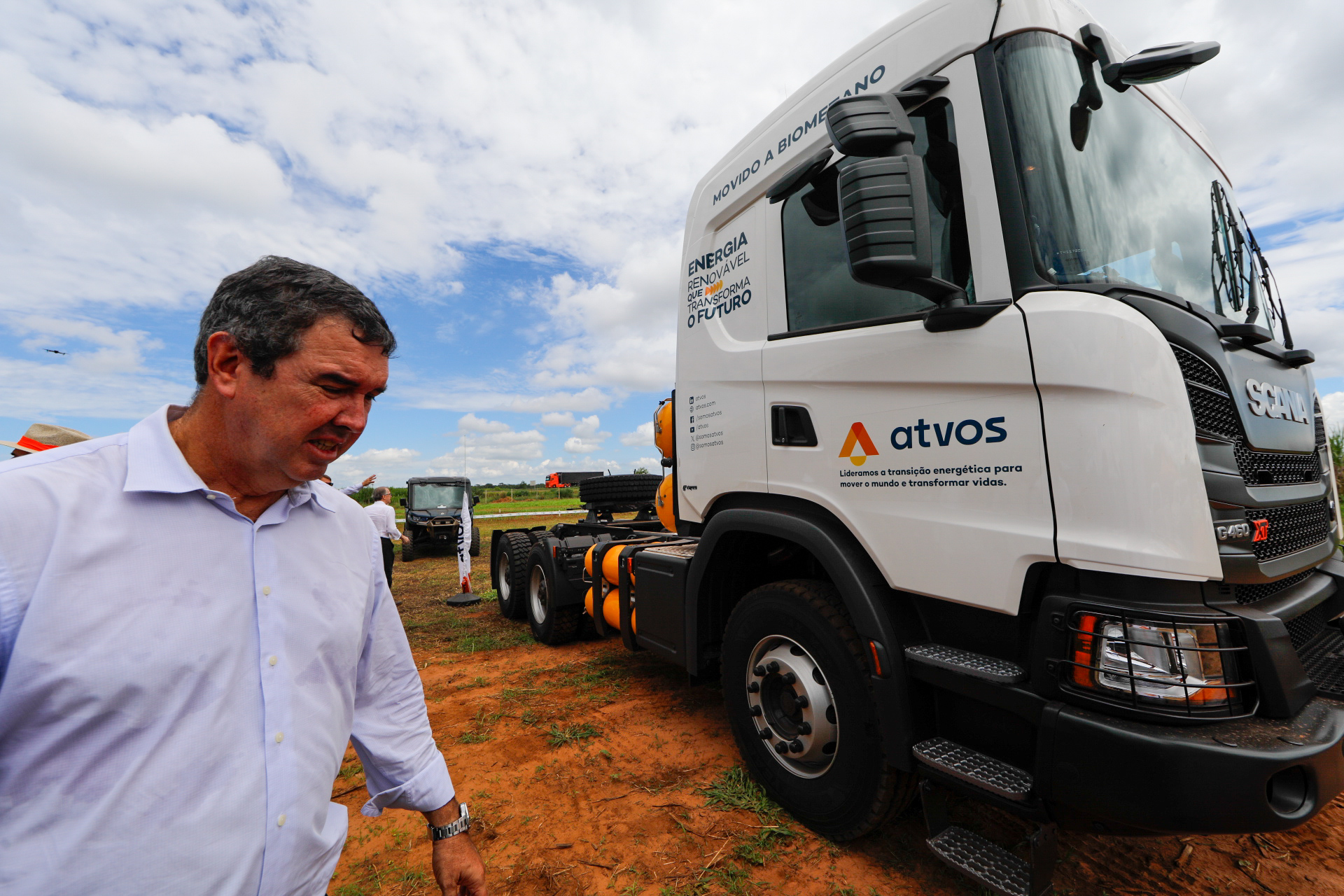
With regulatory and environmental incentives, several companies have invested in the production and commercialization of biometane, also driving the decarbonization of the vehicle fleet. There are even projects aimed at replacing compressed natural gas (CNG) with biometane in trucks and urban buses, which can drastically reduce greenhouse gas emissions.
Environmental and Economic Advantages of the Paulista Pre-Salt
Replacing fossil natural gas with biometane brings a number of advantages. For the consumer, the fuel is safe, performs similarly to CNG, and its renewable origin ensures supply stability amid international price fluctuations. In addition, there is no need to adapt stoves, boilers, or engines, making integration with existing systems easier.
From an environmental perspective, the production of biometane helps reduce methane emissions into the atmosphere (one of the most harmful gases to the climate), prevents soil and water pollution with organic waste, and promotes the energetic reuse of agricultural and urban waste.
Investing in solutions like the Paulista pre-salt is strategic in times of climate change and demand for low-carbon policies, aligning economic growth with environmental sustainability.
Energy Transition in the Interior Faces Challenges and Seeks Scale
With the success of the implementation in Presidente Prudente, Gás Brasiliano’s expectation is to bring the project to other cities in the northwest and central regions of the state, taking advantage of the already installed gas pipeline network.
However, for the model to scale, there are still challenges. One of the main ones is sector regulation: although ANP (National Agency of Petroleum, Natural Gas, and Biofuels) and Arsesp (Public Services Regulatory Agency of the State of SP) already have specific regulations, it is necessary to simplify the connection between biometane plants and local distributors.
Another sensitive point is financing. The installation of biodigesters, purification networks, and adapting rural infrastructures requires high initial investments, which can deter small producers and cooperatives. Public incentive programs and green credit lines are essential to enable the energy transition in the interior in a broader and more inclusive way.
Biometane in SP Consolidates the Interior as a National Reference in Clean Energy
The city of Presidente Prudente marks the beginning of a new phase in the Brazilian energy matrix. By starting the urban distribution of biometane in its gas pipeline network, the municipality anticipates environmental requirements and positions itself as a protagonist in the green energy revolution in the country.
The initiative demonstrates that it is possible to unite technology, sustainability, and local resource utilization to transform realities, generate jobs, and promote energy autonomy. Biometane in SP emerges as a replicable model for the entire national territory, especially in regions producing agro-industrial waste.
With the commitment of new cities, the strengthening of the production chain of renewable gas in Brazil can place the country among the world leaders in clean and decentralized energy — an essential step in the fight against climate change and in valuing the interior as a vector of innovation.






-

Uma pessoa reagiu a isso.