





 English
  Francês
  Alemão
  Italiano
  Japonês
  Norueguês
  Portuguese
  Spanish
  3 min of reading
  0 comments


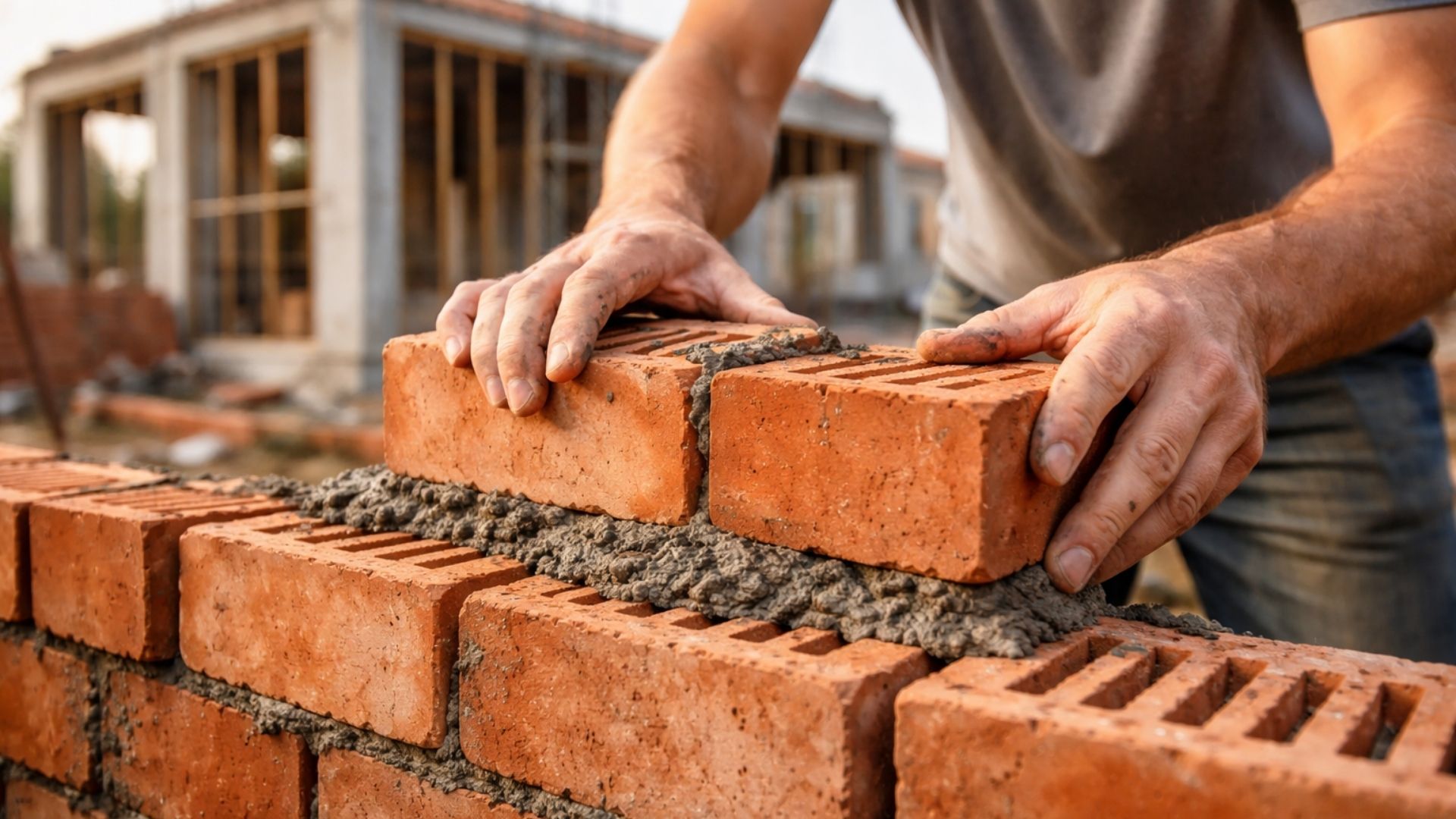
Soil-cement technology gains space by combining modular fitting, less use of inputs, and potential cost reduction in civil construction, with technical performance that meets Brazilian standards and expands sustainable alternatives in the sector.
The compressed earth block, also known as soil-cement brick or ecological brick, advances as an alternative in civil construction by combining a high soil content in the mix, modular assembly, and less waste generation on site.
The technology has gained space by eliminating the need for burning in kilns, simplifying construction steps, and meeting the minimum resistance parameters required in Brazil.
In practice, the material is produced with soil, Portland cement, and water in defined proportions according to the characteristics of the land and the dosage of the project.
-
Espírito Santo will receive the largest engineering project in its history with the duplication of BR 262, which will have 50 viaducts, 28 bridges, and 2-kilometer tunnels cutting through the most challenging mountainous region of the entire state.

-
A project of nearly 9 million reais already has the first kilometer paved in Santa Catarina and promises to completely transform the access between Jaraguá do Sul and Rio dos Cedros in an area where tourism is growing at a rapid pace.

-
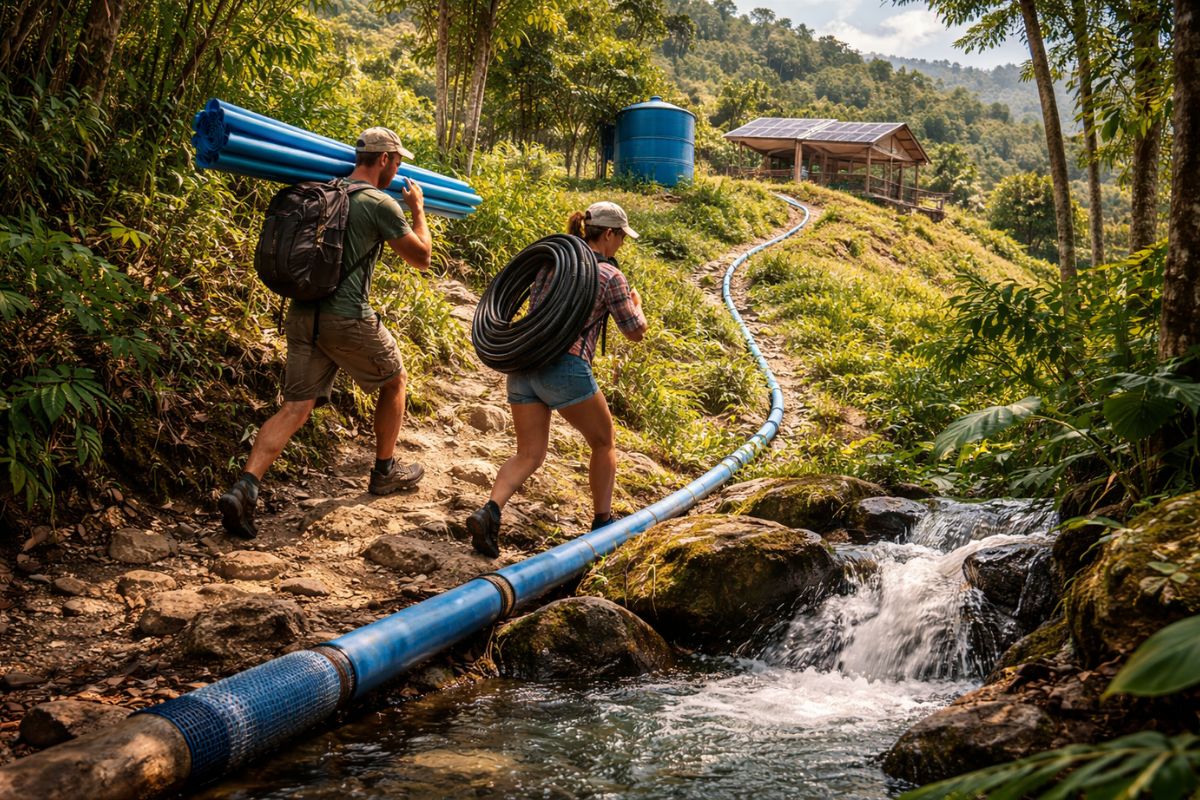
A couple builds a system to bring water from the spring to their land, climbs a hill with materials on their backs, and creates a simple, cheap, and sustainable solution to ensure their own water supply.
-
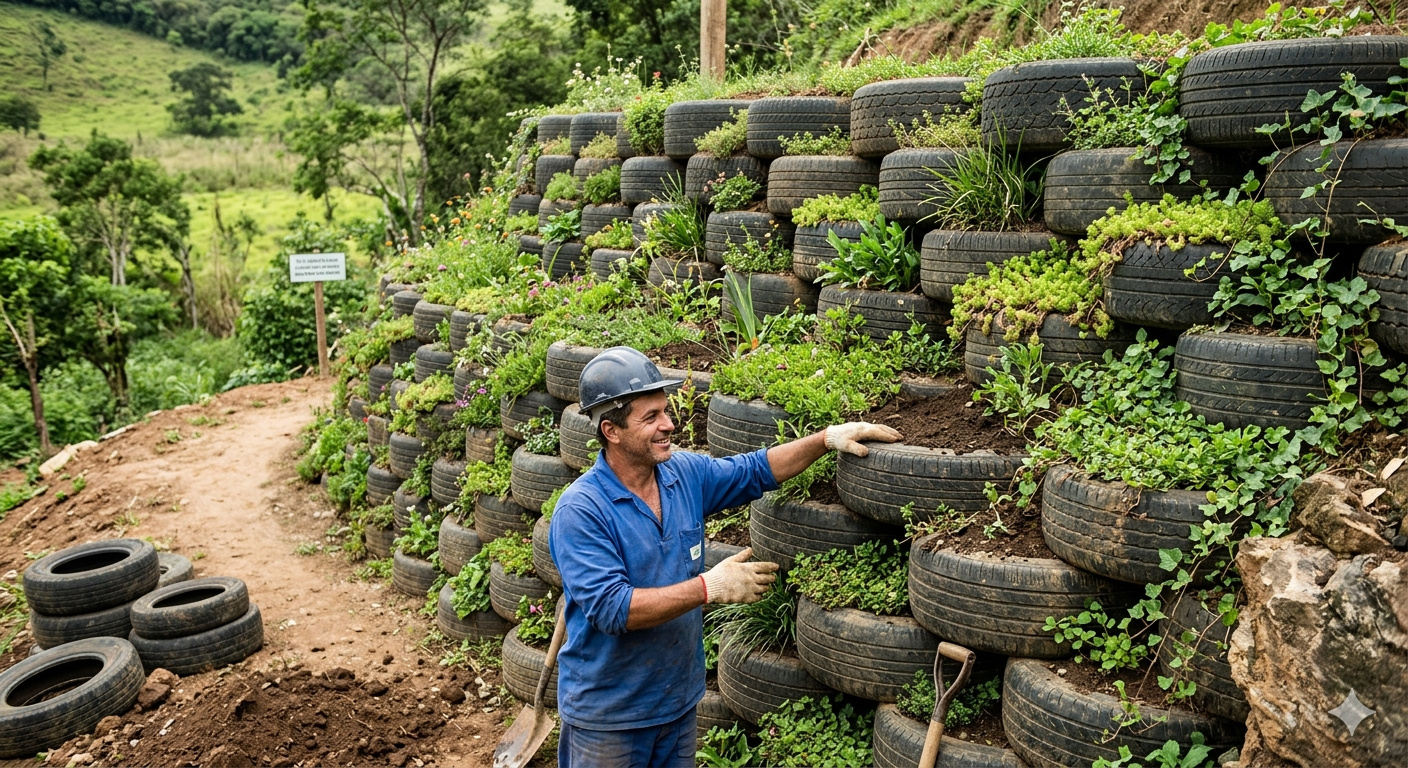
Goodbye expensive retaining wall: builder teaches how to create an ecological structure with recycled tires that holds the soil, reduces costs, and repurposes materials that would go to waste.

Technical publications indicate that the mix usually works with a predominance of soil and a cement content close to 10%, although the exact percentage varies according to tests and available grain size.
Manufacturing of compressed earth block and curing process
The manufacturing abandons the logic of traditional ceramic bricks, hardened in a kiln, and adopts mechanical compaction followed by wet curing, reducing energy consumption and eliminating the use of firewood.
This model allows the block to be molded with regular dimensions, a decisive factor for the fitting between pieces and for the rationalization of masonry.
After being pressed, the piece needs to remain in curing for the indicated period before being applied in the construction.
The NBR 8491:2012 establishes that the material must present minimum average resistance of 2.0 MPa, with additional control of water absorption.
This parameter explains why results above 3 MPa are considered satisfactory when the production process is executed correctly.
Academic studies show that resistance increases with curing time, potentially exceeding this threshold under suitable conditions.
Fitting system reduces mortar and accelerates construction
The main differentiator of the system lies in the modular design of the pieces, with holes and fittings that facilitate the alignment of rows and allow for internal passage of installations.
In part of the construction systems, especially from the second row onwards, the installation can occur through direct fitting, significantly reducing the use of mortar.
This feature helps to reduce waste, accelerate execution, and simplify the site.
Despite this, execution does not dispense with rigorous technical criteria.
The construction requires prior modulation, level and plumb control, in addition to the use of channels, steel bars, and filling with concrete or grout at defined points.
The presence of longitudinal holes increases productivity by reducing cuts for electrical and hydraulic installations.
When the project is not compatible with the system, part of this gain may be lost.
Resistance, finish, and application in construction
Another relevant difference lies in the final finish.
As the block has more regular faces, it can remain exposed in certain projects, reducing steps such as plastering and painting.
This choice depends on the desired aesthetic standard and the precision of execution.
Compared to traditional ceramic blocks, soil-cement eliminates the burning step and can use material from the land itself.
This factor contributes to reducing environmental impact and less need for transportation of inputs.
Research also associates the system with benefits of thermal comfort and less material waste, although results vary according to the project and the soil used.
Savings in construction depend on multiple factors
The cost reduction attributed to the fitting brick results from the sum of different factors throughout the construction.
The system can save on laying material, decrease losses, reduce execution time, and simplify installations.
Additionally, the exposed finish allows for cutting expenses on coatings. The percentages of savings are not uniform across studies.
There are records of reductions around 14.5%, others close to 21%, and analyses indicating a range between 20% and 40% compared to conventional methods.
These results depend directly on the quality of the project, execution, and standardization of the production process.
The advancement of the compressed earth block in the sector occurs alongside the need to comply with technical standards, conduct tests, and ensure qualified labor. Without these factors, the expected performance may not be achieved.




Seja o primeiro a reagir!