





 Portuguese
  English
  Spanish
  4 min of reading
  0 comments


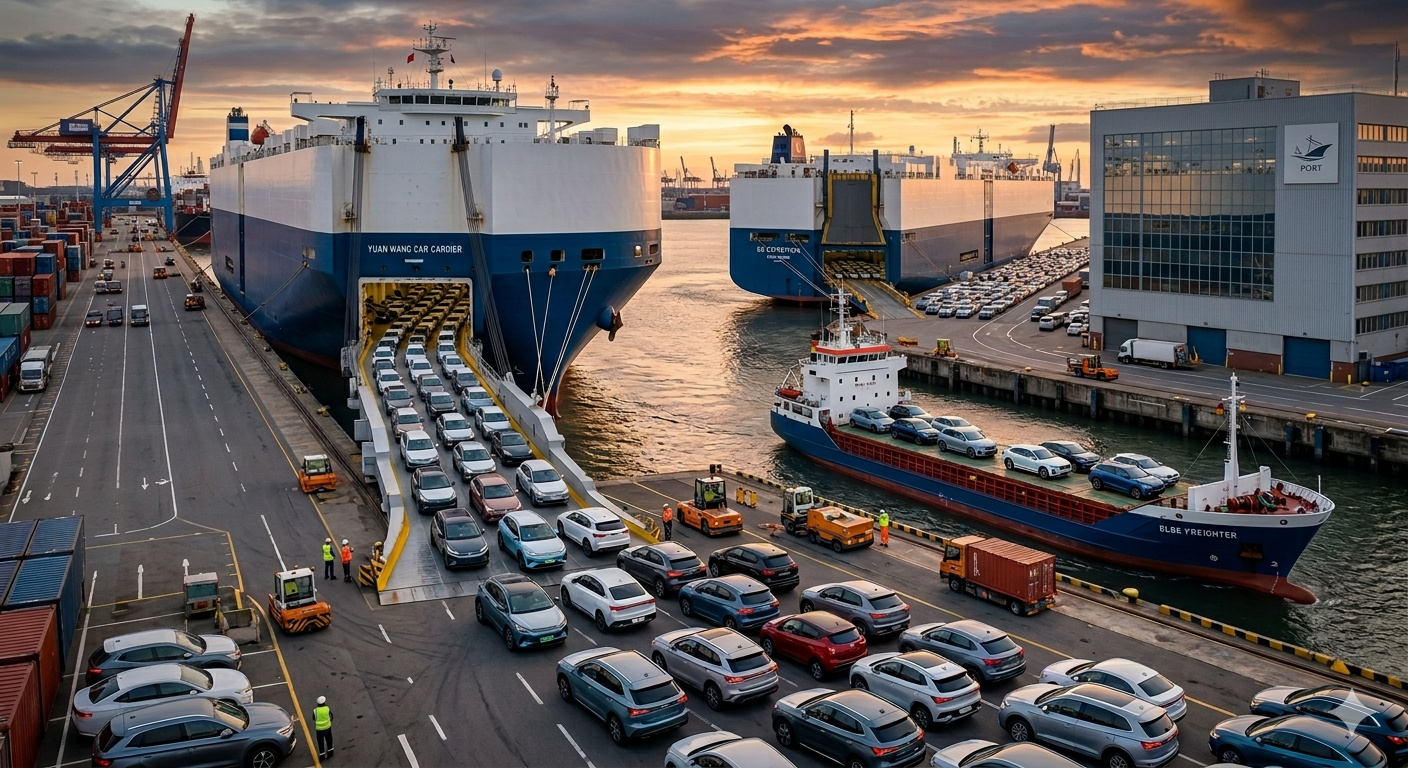
EU starts importing more cars from China than it exports, advancement exposes the strength of the Chinese industry and changes the balance of the global automotive market.
In 2024 and 2025, international trade data analyzed by outlets such as Reuters and Financial Times indicated a structural change in automotive flow between economic blocs: the European Union began to record, in certain periods and segments, imports of vehicles from China surpassing exports in the opposite direction. This movement marks a significant inflection in the trade balance of the sector and highlights the advancement of the Chinese automotive industry, especially in the electric vehicle segment.
Although the phenomenon depends on specific cuts of period, category, and added value, the trend is clear: China has ceased to be just a large consumer market and has taken a dominant position as a supplier of vehicles to Europe.
What is behind the inversion in automotive trade
The change did not occur suddenly. It is the result of a process accumulated over more than a decade, in which China heavily invested in building an integrated automotive industry that is highly scalable and technologically competitive.
-
Engineers propose a fourth traffic light for intersections – the change promises to affect crossings, queues, and waiting times.

-
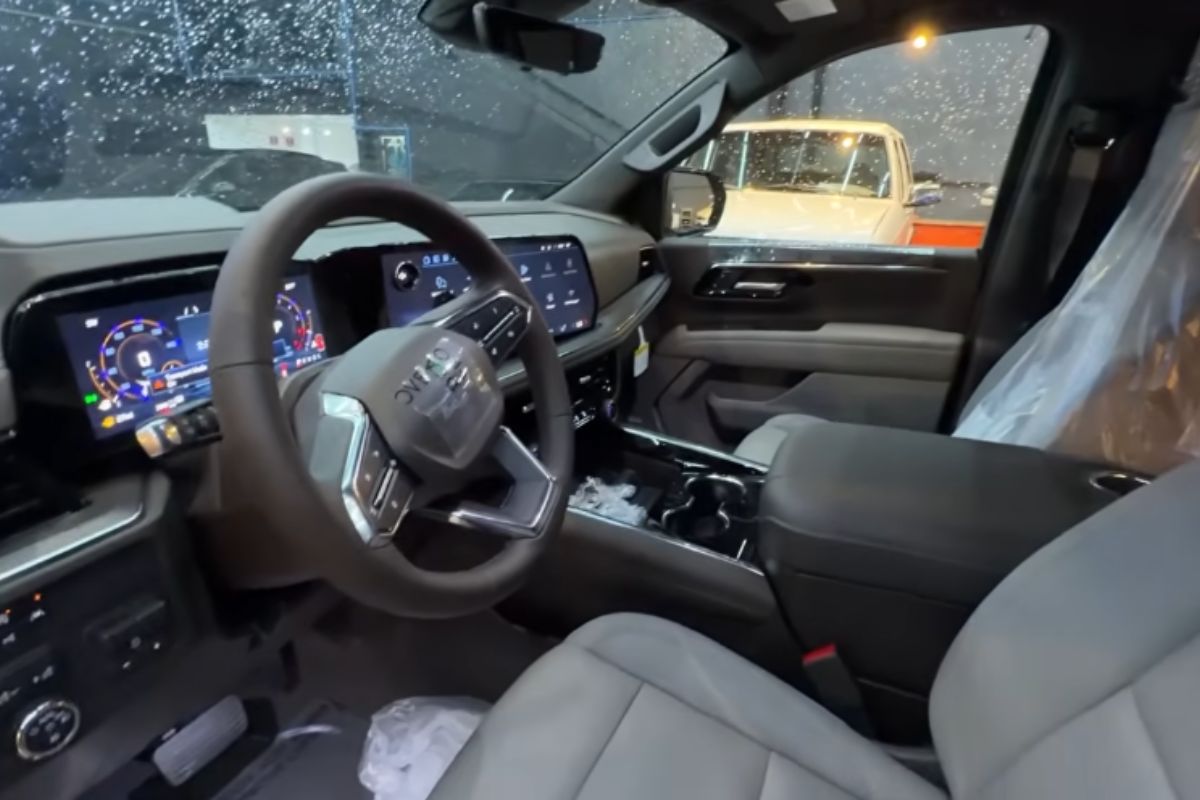
Chevrolet Suburban Z71 lands in Brazil with a V8 engine, off-road design, air suspension, seven seats, and colossal size, a rare version imported for around R$ 1.3 million with luxury and exclusivity.
-
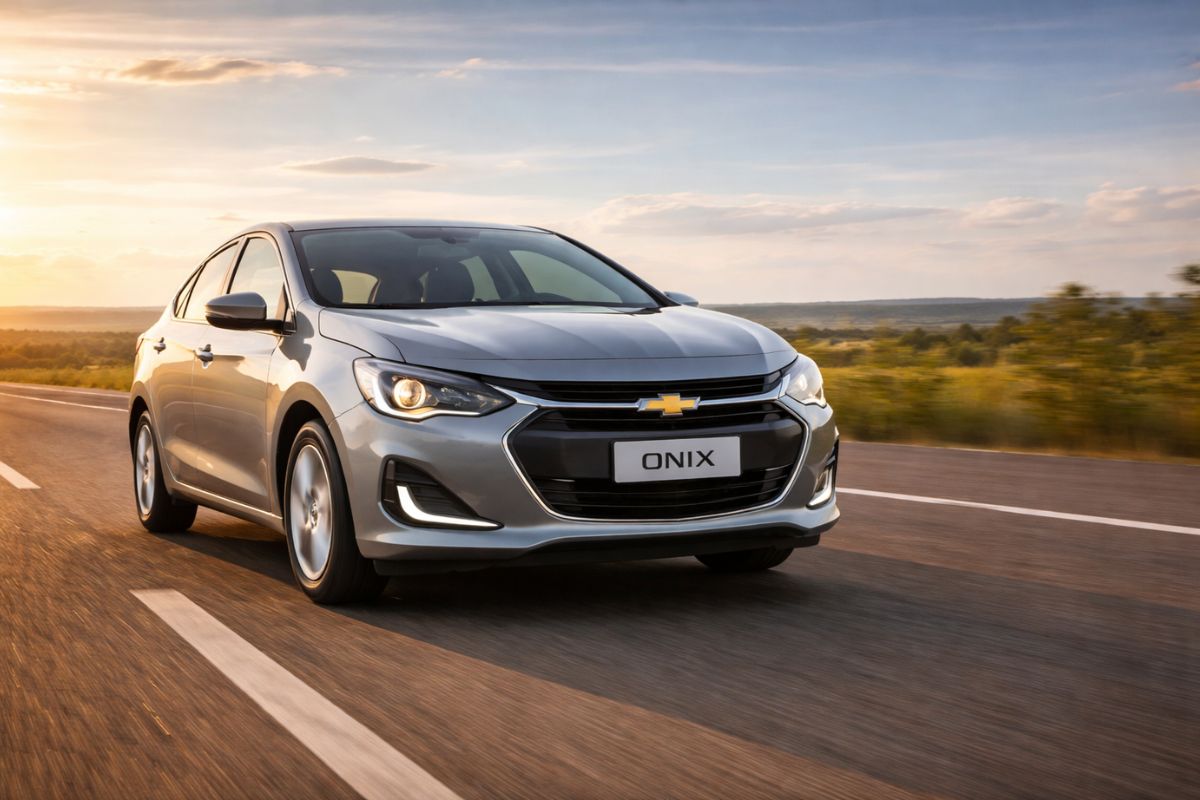
The Chevrolet Onix 1.0 turbo achieves 17.7 km per liter on the highway and ranks among the three most economical cars in Brazil in 2026, alongside two more expensive Toyota hybrids available at dealerships.
-
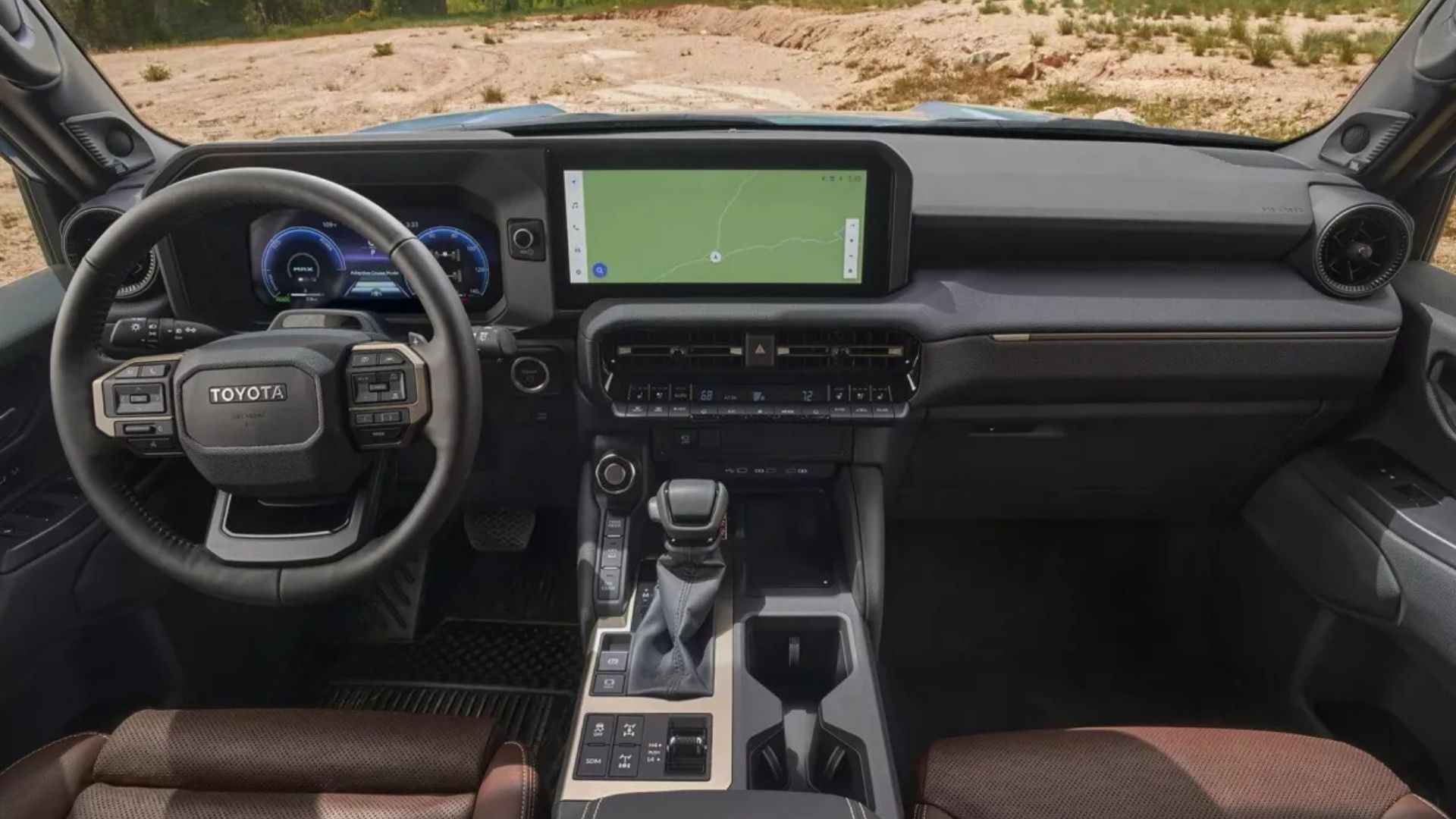
Little sister of the Hilux: Toyota launches Land Cruiser FJ with 4 radical versions, 2.7 engine with 166 hp and 4×4 traction with locking.

At the same time, Europe faced significant structural challenges. The growth of the Chinese market slowed, reducing the demand for high-value European vehicles. At the same time, Chinese manufacturers began to gain international competitiveness, especially in price and technology.


This movement created a scenario in which the trade balance began to gradually invert, with European exports losing ground while imports of Chinese vehicles increased.
The decline of European exports to China
One of the main factors behind this change is the contraction of European exports to the Chinese market. In recent years, sales of vehicles produced in Europe to China have recorded a significant decline, reflecting both the economic slowdown and increasing local competition.
European automakers that once dominated premium segments have begun to face more competitive Chinese manufacturers, with products adapted to the domestic market and more aggressive pricing. This change reduced China’s dependence on imported vehicles and pressured European exports.
The advance of Chinese cars in the European market
While European exports were declining, Chinese vehicles were rapidly advancing within Europe. This growth was primarily driven by the electric car segment, where China has a significant competitive advantage.

Chinese manufacturers entered the European market offering:
- lower prices
- competitive technology
- greater availability of electric models
This movement allowed for an accelerated expansion of Chinese participation in the bloc’s imports.
The central role of electric vehicles in the turnaround
Electrification is the most important factor in understanding this transformation. China leads globally in the production of electric vehicles and controls a large part of the production chain, including batteries and critical components.
Companies like BYD and other Chinese automakers benefit from this vertical integration, managing to reduce costs and increase production scale. This allows their vehicles to be exported to Europe at competitive prices, even after logistical costs.
Meanwhile, European manufacturers face higher costs and a slower transition process to electrification.
China as the largest supplier of vehicles to Europe
China has established itself as one of the main suppliers of vehicles to the European Union, surpassing various traditional competitors. This advancement is not limited to volume but also reflects a qualitative change in the perception of Chinese vehicles, which have begun to compete in more sophisticated segments.
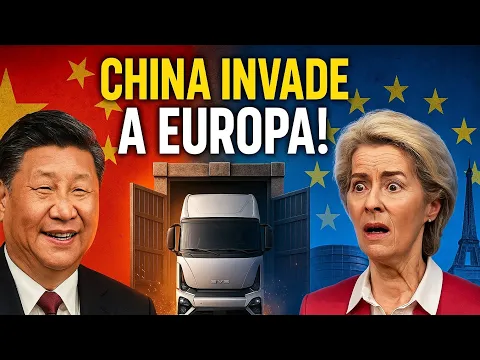
The Chinese presence in European imports has consistently increased, indicating a structural change in trade flow.
The impact on the European automotive industry
This inversion brings profound implications for the European industry. Traditional automakers face a scenario of greater competition within their own domestic market while losing ground in external markets.
This dual movement pressures margins, reduces market share, and accelerates the need for technological adaptation. Competition with Chinese manufacturers forces European companies to rethink strategies, especially in the electric vehicle segment.
The change in flow between Europe and China is part of a broader transformation in the global automotive industry. The center of gravity of the sector is shifting, with China taking on an increasingly dominant role.
This new scenario is characterized by:
- greater international competition
- advancement of electrification
- integration of production chains
The automotive industry, historically dominated by Europe, Japan, and the United States, is now operating in an environment where China is a protagonist.
An inversion that redefines the global market
The inversion in automotive trade between the European Union and China represents more than a point change. It signals a structural transformation in the sector, driven by technology, scale, and industrial strategy.
While Europe faces challenges to maintain its competitiveness, China consolidates its position as a global power in the automotive sector.
This movement redefines not only trade between two blocs but the balance of the entire global vehicle industry.









Seja o primeiro a reagir!