





 Portuguese
  English
  Spanish
  3 min of reading
  0 comments


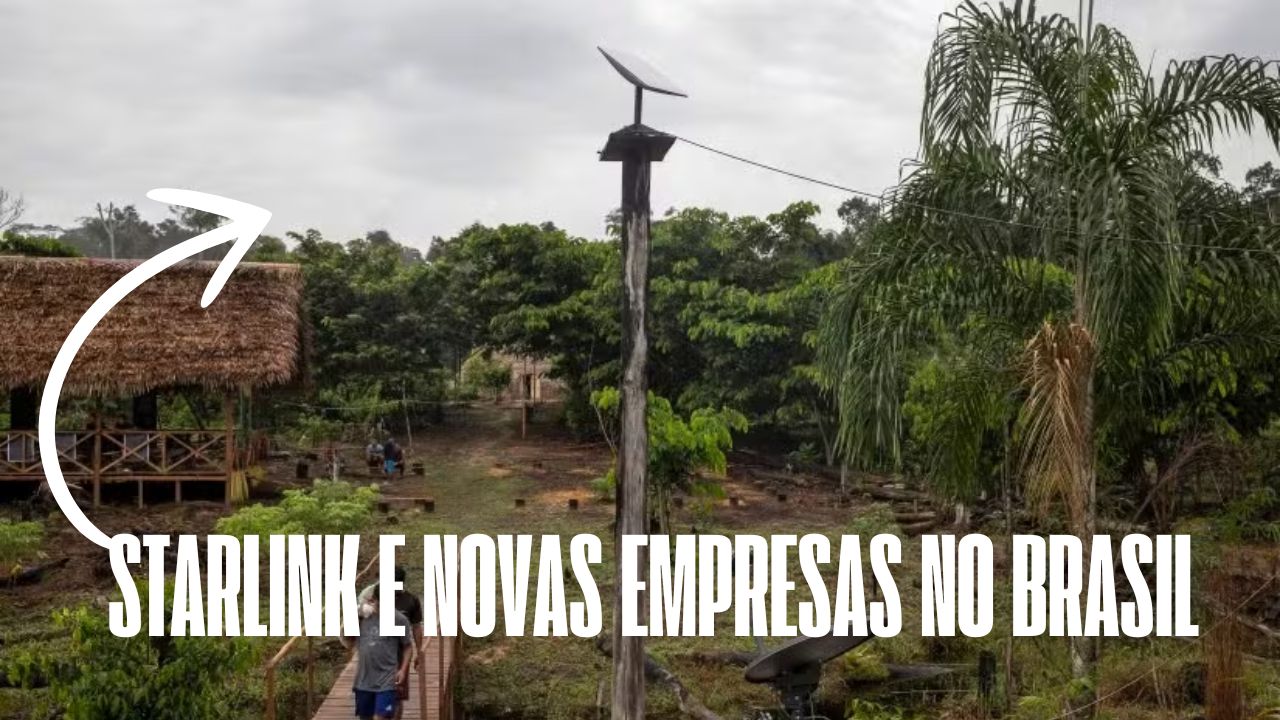
Starlink-Driven Expansion and New Companies Promise to Revolutionize Satellite Internet Access in Remote Areas While 5G Remains Limited
Satellite internet continues to grow in Brazil, recording a 38% increase in the last year, according to data released by the National Telecommunications Agency (Anatel) in March 2025. The number of service subscribers exceeded 500 thousand users, mainly driven by demand in remote areas and the expansion of Starlink, Elon Musk’s satellite internet company. According to sector specialists, the limitations of 5G infrastructure have been one of the main factors driving this growth.
Limited 5G and the Search for Reliable Alternatives
Although 5G has been widely promoted as the next revolution in connectivity, its implementation in Brazil faces significant challenges. According to a study by the Getulio Vargas Foundation (FGV), published in January 2025, 5G coverage is still limited to large and medium-sized cities, leaving vast areas of the country without access to the new technology.
This limitation has opened the door for alternative solutions, such as satellite internet, which offers high-speed connectivity without relying on terrestrial infrastructure. According to the Brazilian Association of Internet and Telecommunications Providers (Abrint), about 40% of the rural Brazilian population still does not have access to a stable connection, which reinforces the importance of this advancement.
-
Millions of people have been eating yam for centuries without knowing that this humble tuber contains a compound called diosgenin, which scientists have now discovered can improve memory and help control blood sugar levels.

-
Scientists from an international project drill 1,800 meters of ice in Antarctica using hot water and discover details about one of the most intriguing places on planet Earth.

-
Seen from space, a colossal volcano nearly 5,000 meters high in Russia has released 1,600 km of smoke over the Pacific, forming “devil’s horns” of lava and revealing the brutal force of the Ring of Fire.

-
Expedition 501: Scientists drill into the ocean floor and discover a giant reserve of fresh water hidden beneath the sea, extracting nearly 50,000 liters and revealing an invisible system that could reshape the map of water scarcity.


Starlink Leads the Sector and New Competitors Enter the Market
Starlink, the leading satellite internet operator in the country, has dominated the sector. Data from Anatel indicates that, in 2024, the company doubled its customer base in Brazil, reaching 326.8 thousand subscribers – an increase of 145.8% compared to the previous year. This growth allowed Starlink to surpass HughesNet, which previously led the national market.
Chinese companies, such as SpaceSail, have also announced plans to enter the Brazilian market in 2025, promising to offer more affordable packages and expanded coverage. According to a report from the National Telecommunications Council of China, the company plans to begin operations in Brazil in the second half of this year.
Satellite Internet and Digital Inclusion
Satellite connectivity has been essential for the digital inclusion of isolated communities. Regions of the Amazon, Pantanal, and interior of the Northeast have benefited from this advancement, allowing access to telemedicine, distance education, and digital banking services. The Institute for Applied Economic Research (IPEA) estimates that the expansion of this service could reduce by 30% the number of Brazilians without internet access by 2030.
According to the University of São Paulo (USP), government projects are also exploring this technology to improve connectivity in public schools and health posts. The Ministry of Communications confirmed that part of the 2025 budget will be allocated to expanding satellite internet for riverside and quilombola communities.
Prospects for the Future of Satellite Internet in Brazil
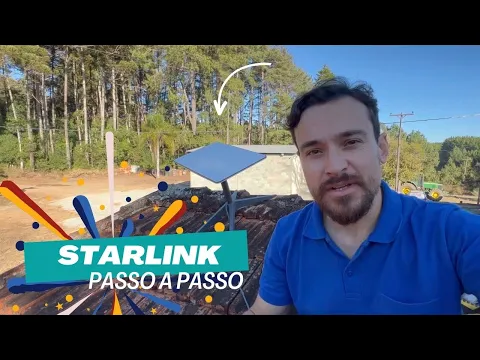

The trend of growth in satellite internet is expected to continue in the coming years. According to projections from the Satellite Industry Association (SIA), Brazil could reach 1 million users connected via satellite by 2027.
With the arrival of new competitors and advancements in technology, the expectation is that service prices will become more affordable and the quality of connectivity will improve. According to Starlink, new low-orbit satellites launched in January 2025 will reduce latency and improve connection stability in densely populated areas.









Seja o primeiro a reagir!