





 Portuguese
  English
  Spanish
  3 min of reading
  0 comments


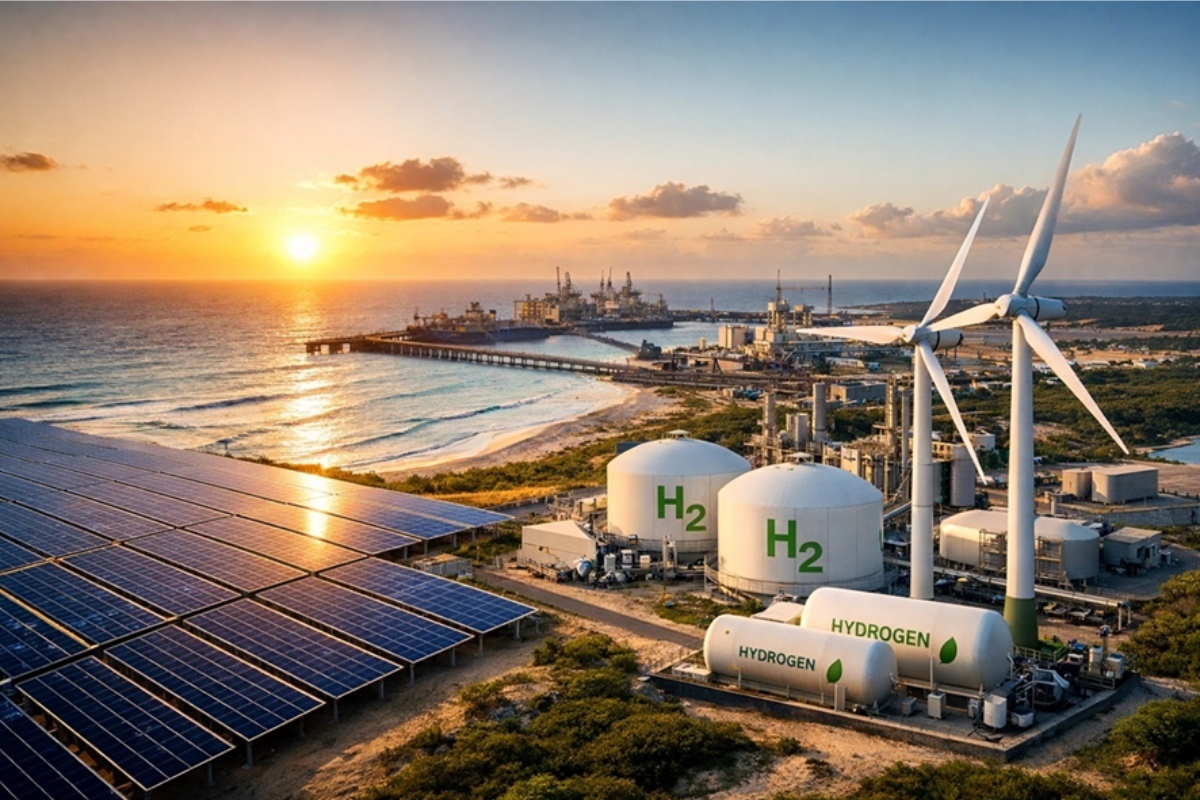
In Fortaleza, Intersolar Brazil Northeast Will Hold Its Sixth Edition in 2026 to Strengthen the Energy Transition Highlighting 52 Percent of National Solar Power and 5.3 GW Installed in the Region, Provoking New Investments and Attracting Attention from the Electric and Industrial Sectors.
Fortaleza Returns to the Center of Discussions on Renewable Energy in 2026. The Sixth Edition of Intersolar Brazil Northeast Takes Place at a Strategic Moment for the Region, Which Has Consolidated Itself as One of the Largest Poles of Solar and Wind Energy in the Country.
What Was Once a Promise Has Become Reality on an Industrial Scale. The Northeast Has Come to Concentrate More Than Half of the Installed Solar Power in Brazil, Attracting National and International Investors.
The Impact Goes Beyond Electric Generation. The Region Also Advances as a Potential Hub for Green Hydrogen, Driven by Large-Scale Port and Industrial Infrastructure.
-
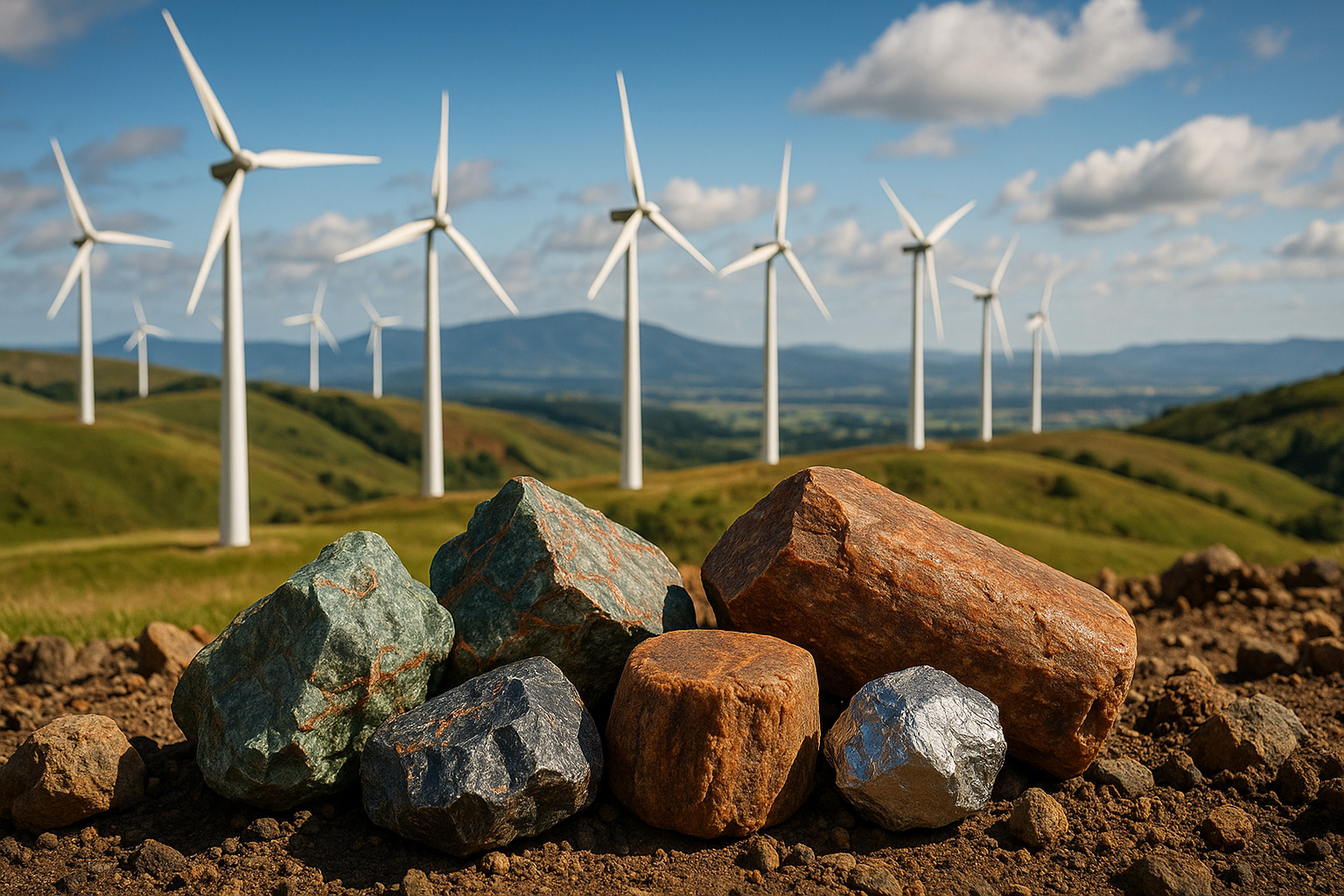
The Brazilian state accelerates industrial competitiveness with a focus on the extraction of strategic minerals to boost the energy transition in Goiás.
-
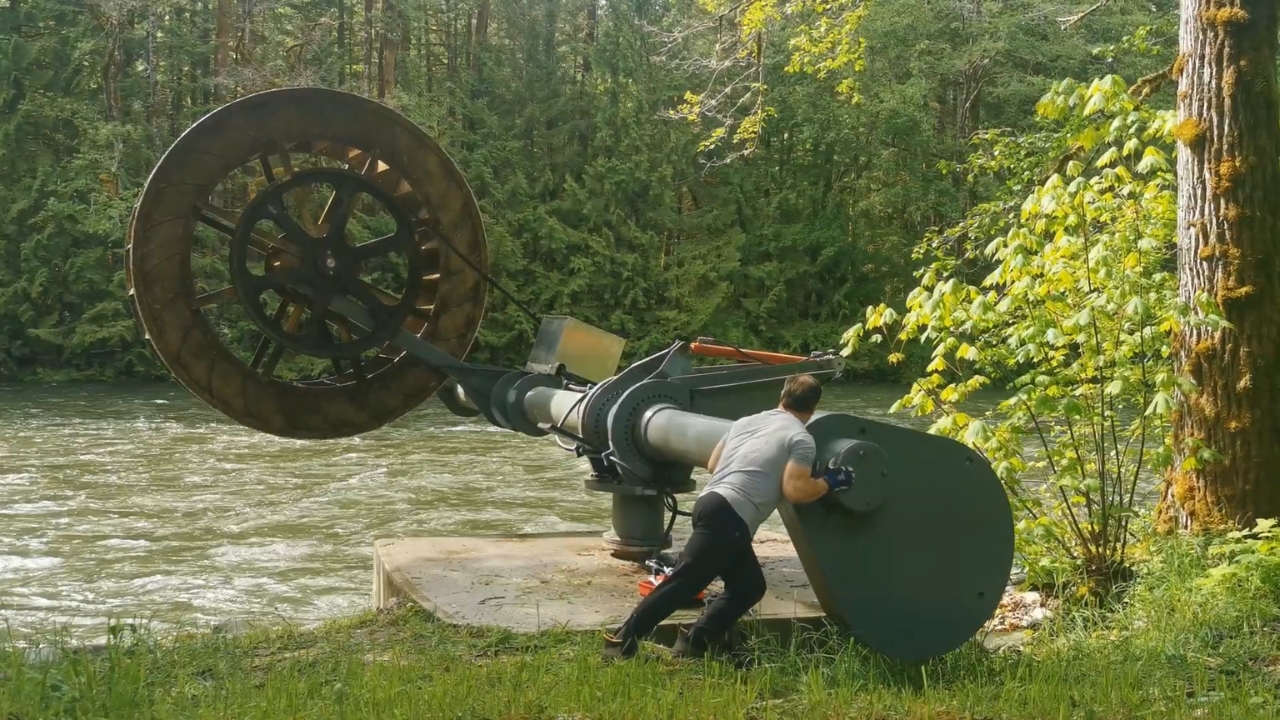
A Canadian retiree creates a hydroelectric system on a real river, generating energy continuously throughout the day and demonstrating how the power of water can supply a house with stability even in a simple structure.
-
Petrobras reaffirms its commitment to the market and ensures that it will carry out the energy transition safely to maintain national sovereignty.

-
Researchers discover a possible hydrogen deposit of up to 46 million tons beneath an ancient coal basin, and the volume could exceed half of the entire global production.


Northeast Concentrates 52 Percent of Brazil’s Solar Power and Expands Leadership in Authorized Projects
The Numbers Are Impressive. Six of the Ten Largest Solar Power Producers in the Country Are Located in the Northeast. The Region Accounts for 52 Percent of the National Installed Power.
Additionally, About 65 Percent of Construction Contracts and Projects Already Authorized for Expansion Are Also Concentrated There.
This Movement Shows That Growth Is Not Sporadic. It Is Structured to Continue in the Coming Years. However, the Detail That Stands Out the Most Is the Speed of Expansion.
Bahia, Pernambuco, and Ceará Sum 5.3 GW in Distributed Generation and Expand National Participation
In Distributed Generation, Three States Stand Out. Bahia, Pernambuco, and Ceará Rank Among the 11 Largest in the Country, Accumulating a Total of 5.3 GW Installed. This Volume Represents 21 Percent of the National Capacity in This Modality.
Distributed Generation Is Growing, Driven by Consumers and Companies Seeking Cost Reduction and Greater Energy Autonomy. The Results Are Surprising and Reinforce Regional Leadership.
Pecém Complex and Terminal Expected for 2026 Boost Green Hydrogen Projects
Ceará Leads the Country in the Number of Signed Agreements for the Production of Green Hydrogen and Its Derivatives.
The Advancement Is Linked to the Future Construction of a Terminal Dedicated to the Flow of Production, with Start Planned for 2026.
The Structure Will Be Part of the Pecém Complex, Which Already Has Established Port and Industrial Infrastructure.
The Geographic Position of the State Favors Routes to North America and Europe, Increasing Investor Interest. What Once Seemed Distant Begins to Take Concrete Shape.
Public Call Exceeds Expectations by Nearly 13 Times and Reinforces Favorable Investment Environment
The Business Environment Also Attracts Attention.
A Public Call Aligned with the Missions of New Industry Brazil Exceeded Almost 13 Times the Initially Forecasted Value.
Projects Focused on the Energy Transition, Bioeconomy, and Green Data Centers Were Gathered, Among Others. This Performance Indicates Strong Appetite for Sustainable Investments in the Region. The Immediate Impact Was Felt in the Energy Ecosystem.
Event Anticipates Debates on Market Opening, Storage, and Infrastructure for Data Centers
Intersolar Brazil Northeast Plays a Strategic Role by Anticipating Topics That Will Also Be Highlighted at the Intersolar South America Conference 2026, Scheduled for August in São Paulo.
Among the Subjects That May Be Included in the Agenda Are the Full Opening of the Energy Market and Its Impacts on the Solar Industry, Solutions to Overcome Curtailment in Large Plants, Energy Storage, Grid-Forming Inverters, and Distributed Generation Systems with High Renewable Penetration.
Energy Infrastructure for Data Centers Also Comes to the Fore. In Light of Regulatory and Technological Transformations in the Brazilian Electric System, the Debate Becomes Urgent.
Intersolar Brazil Northeast Establishes Itself as a Strategic Platform Within The Smarter E South America, Bringing Together Conferences and Industrial Fairs That Discuss the Future of Energy on a Regional and National Scale.
The Progress of the Northeast in Solar, Wind, and Green Hydrogen Energy Shows That the Energy Transition Is Already Underway and That Regional Leadership Could Redefine Brazil’s Energy Map in the Coming Years.
Do You Believe That the Northeast Can Become the Main Hub for Renewable Energy in Latin America? Share Your Opinion in the Comments.









Seja o primeiro a reagir!