





 Portuguese
  English
  Spanish
  4 min of reading
  0 comments


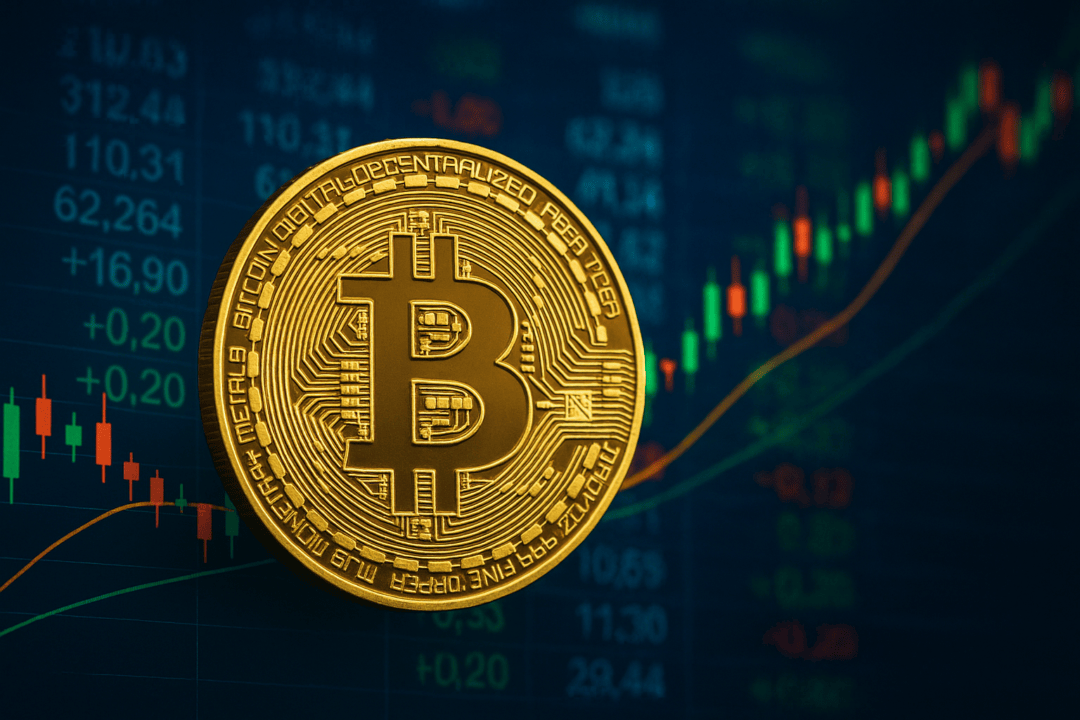
Bitcoin Behavior Approaches Tech Stocks, Reflecting Monetary Policy Decisions and Global Economic Performance
For a long time, bitcoin was considered an investment outside the norms of traditional assets. Decentralization, innovation, and the promise of independence from the global financial system were its main banners.
However, recent market movements show a different reality. Today, bitcoin responds to global events in the same way that technology stocks or risk assets do.
Drops After Tariffs in the USA
The most recent reaction occurred after the announcement of tariffs by Donald Trump. In one week, the price of bitcoin plummeted from US$ 84,600 to US$ 75,000.
-
The government requests the Federal Revenue Service for a new system to automate the income tax declaration, reducing errors, time, and bureaucracy for millions of Brazilians.

-
Pix in installments, international Pix, and contactless payment without internet: the Central Bank revealed the new features coming to the tool that is already used by almost every adult in Brazil.

-
Mercado Livre has just started selling medications with delivery in up to three hours to your door, and this move could completely change the way Brazilians buy medicines on a daily basis.

-
In Dubai, rising tensions from the war in the Middle East are causing super-rich individuals to leave the Gulf and direct their fortunes to a new financial refuge in Asia.


The drop continued a devaluation cycle that began in February. At the end of January, bitcoin was worth over US$ 106,000 after a period of rise fueled by the elections.
This behavior was not isolated. In the same week that bitcoin fell 10.5%, the S&P 500 lost 11.6% and the Nasdaq 100 dropped 12.0%.
This shows that the cryptocurrency is moving in tune with the major stock markets in the United States, especially the technology sector.
Global Fear Affects Crypto Assets
The relationship between politics and bitcoin has been tightening. Announcements made by U.S. President Donald Trump triggered a flight to safer assets, such as gold.
Meanwhile, both stocks and bitcoin recorded sharp declines, showing that the digital asset began to be treated as a risky instrument. In other words, in times of tension and economic uncertainties, investors prefer to allocate their money in more traditional sectors.
Recovery Guided by the Traditional Market
Even the recovery recorded on April 9 followed the same pattern. On that day, there was a 90-day suspension of tariffs.
As a result, bitcoin advanced 8.2%, while the S&P 500 rose 9.5%. The appreciation was not directly related to bitcoin’s fundamentals but rather to the relief in macroeconomic sentiment. This type of movement shows how bitcoin is connected to the broader economic narrative.
Technology or Digital Gold?
For Ferdinando Ametrano from the University of Milan-Bicocca, bitcoin is a thermometer of globalization.
Some investors consider it similar to technology stocks. Others see bitcoin as a kind of digital gold.
The difference lies in the investor’s profile: while some operate actively, others buy and hold the asset for longer periods.
In times of crisis, however, the most common behavior is quick selling. This brings bitcoin closer to traditional risk assets and moves away, at least for now, the idea that it functions as a safe haven.
Lower Volatility in Recent Years
Despite recent movements, data suggests that bitcoin is less volatile than before. According to Silenskyte, the annualized volatility of 90 days fell from 95% in March 2021 to 52% in March 2025. This change is associated with the entry of financial institutions into the cryptocurrency market.
This process of institutionalization has altered bitcoin’s dynamics. With the creation of regulated financial instruments—such as bitcoin ETFs, options contracts, and derivatives—institutional investors can build more sophisticated strategies. This has brought greater stability and reduced the difference between buying and selling prices.
Infrastructure and Liquidity Are Maturing
The fact that bitcoin is traded 24 hours a day attracts constant liquidity. This helps build more robust market structures.
Liquidity, combined with institutional participation, contributes to the reduction of historical volatility.
The trend is that as the market infrastructure matures, bitcoin will continue along this path of greater stability and integration with the financial system.
What to Expect for Bitcoin’s Future
The political scenario also influences expectations. Donald Trump, in his second term, is likely to maintain a favorable stance towards cryptocurrencies. This could help create a more friendly political environment for the sector.
However, experts believe that volatility will continue to be a hallmark of bitcoin. The strength of macro liquidity remains the most relevant factor for the markets. And bitcoin is not exempt from this.
Fluctuations Are Expected to Continue
Even with the growth of institutionalization and the possible entry of new players, Ametrano asserts that price fluctuations will persist. He believes that bitcoin could reach new records in the next 12 to 18 months, consolidating its role in diversified portfolios.
But this advancement will not come without instabilities. Bitcoin’s behavior will remain linked to global markets.
Volatility will continue to be present. And the comparison with technology stocks will remain valid as long as investors treat the cryptocurrency as a risk asset.









Seja o primeiro a reagir!