





 English
  Francês
  Alemão
  Italiano
  Japonês
  Norueguês
  Portuguese
  Spanish
  5 min of reading
  0 comments


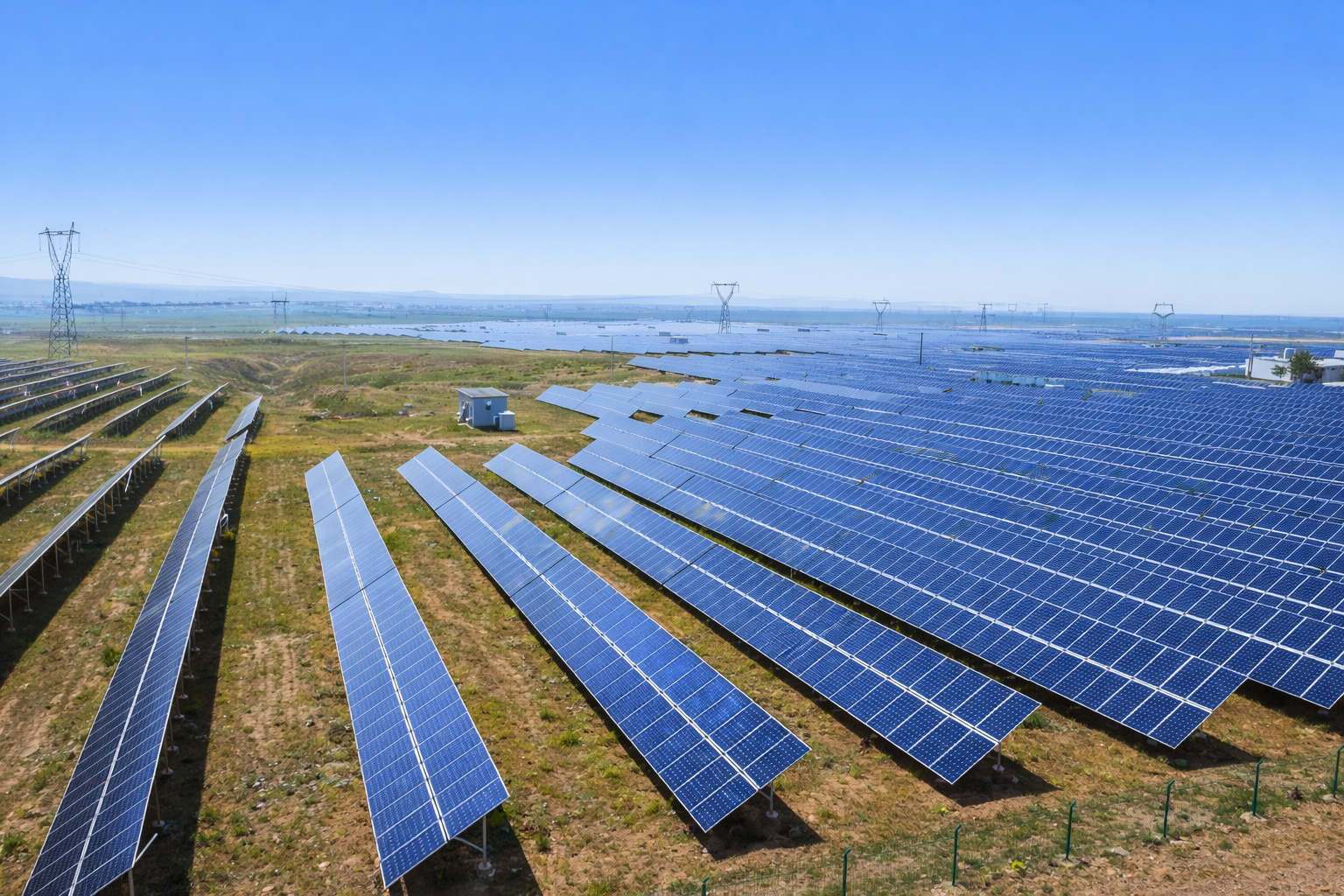
Clean Energy Investments Grow and Reach US$ 2.3 Trillion, Driven by Electrified Transport, Renewable Energies, and Power Grids, Consolidating the Global Energy Transition Even in an Uncertain Environment.
Over the past decades, clean energy investments have been growing continuously and, more recently, have reached a new historic level. In 2025, the global volume allocated to the energy transition will reach US$ 2.3 trillion, reinforcing a trend that has been consolidating since the early 21st century. Even so, despite economic uncertainties, geopolitical disputes, and regulatory changes, governments and companies continue to increase their investments in renewable sources, electrified transport, and electrical infrastructure. As a result, the decarbonization of the economy increasingly consolidates as a structural axis of global growth.
Moreover, this continuous growth demonstrates that the energy transition is no longer a sporadic movement. On the contrary, it has become part of long-term economic strategies. Thus, both developed and emerging countries incorporate clean energy into their industrial and environmental policies, enhancing the predictability of investments and strengthening the sector over time.
To better understand the relevance of this movement, it is essential to observe the historical context of the energy transition. For much of the 20th century, economic growth was directly linked to the intensive use of fossil fuels, such as oil, coal, and natural gas. At that time, this model ensured abundant energy. However, at the same time, it caused significant and increasing environmental impacts.
-
A study reveals the expansion of renewable energy procurement in Brazil and shows how companies are taking advantage of opportunities to reduce expenses, ensure energy efficiency, and strengthen strategic environmental commitments.

-
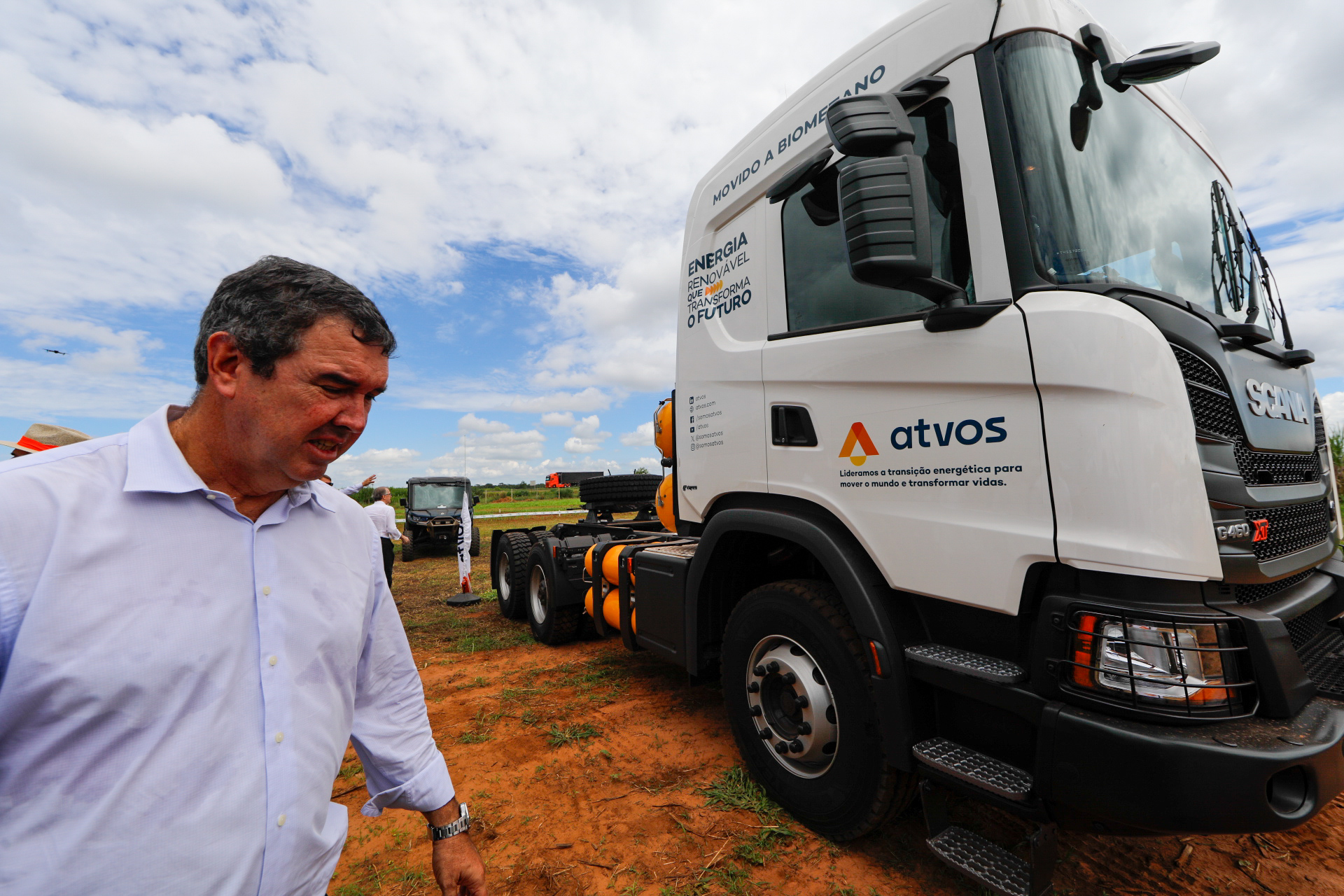
Mato Grosso do Sul excels in the sugar-energy sector: the state reaches a milestone of 22 operating mills and accelerates the production of clean energy in MS with a focus on sustainability.
-
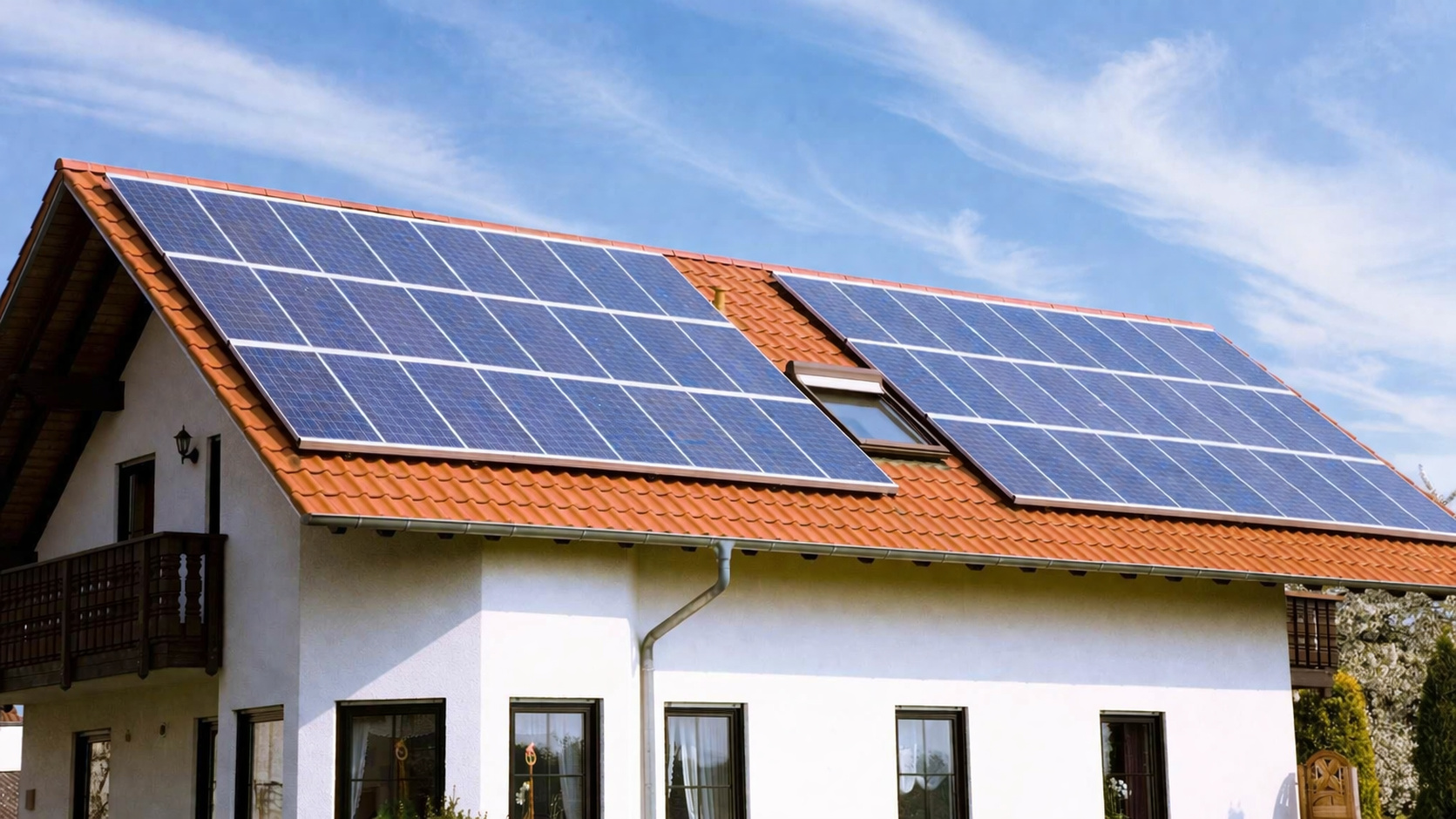
National energy dilemma: Brazilians support clean energy but reject increases in tariff costs to finance the sustainable transition.
-
Research indicates that Brazilians support clean energy and wish to advance in the energy transition, but reject paying more on their electricity bill, showing a direct conflict between cost and sustainability.


Starting in the 1970s, however, oil crises altered this scenario. As a consequence, concerns about energy security gained strength and led several countries to seek alternatives. Later, with the advancement of the debate on climate change, this transformation gained even more momentum. Thus, governments and companies began to direct resources toward low-carbon technologies.
Since then, clean energy investments have been growing gradually but steadily. At the same time, technological advancements, significant cost reductions, and the maturation of business models have transformed sources like solar and wind energy into pillars of modern energy systems. Therefore, even in times of global instability, investors continue to make investments and set new records.
Private Capital Drives the Global Energy Transition
In this context, the volume of US$ 2.3 trillion invested in 2025 reflects not only the actions of governments but, above all, the increasing engagement of private capital. Currently, investment funds, banks, and large companies see the energy transition as a strategic long-term opportunity. Thus, they associate innovation, industrial competitiveness, and reduction of financial risks. Therefore, clean energy investments are growing for both environmental and economic reasons.
Furthermore, the global financial market has changed the way it evaluates risks. While assets related to fossil fuels face greater volatility and regulatory uncertainty, clean energy projects offer long-term contracts and more predictable revenues. Consequently, this scenario attracts institutional investors and expands the scale of projects.
At the same time, instruments like green bonds, corporate financing, and structured credit strengthen the flow of capital. Thus, even in contexts of fiscal adjustment, these mechanisms continue to support new investments and enhance the resilience of the energy transition.
Electrified Transport Leads Global Investments
Currently, electrified transport represents the largest share of global investments in clean energy. The expansion of electric vehicles, along with the growth of charging infrastructure, is transforming the automotive sector and redefining the relationship between energy and mobility. Historically, this movement gained momentum after oil crises, and more recently, with the pressure for reduction of urban emissions.
In addition to the automotive industry, governments and companies are directing resources to sustainable mobility, low-carbon logistics, and electrified public transport. Thus, these initiatives reduce emissions, improve air quality, and increase the energy efficiency of cities.
At the same time, the electrification of transport drives investments in batteries, energy storage, and smart grids. Thus, this ecosystem strengthens the energy transition and amplifies its positive impacts on the climate and the economy.
Renewables and Power Grids Remain Pillars of the Transition
Meanwhile, renewable energies, especially solar and wind, maintain a central role in the energy transition. Although the annual pace fluctuates, the long-term trajectory indicates continuous expansion of installed capacity. Thus, countries are reducing their dependence on fossil sources and advancing in the diversification of the energy matrix.
Additionally, the decline in renewable costs accelerates this change. In many markets, solar and wind already compete directly with traditional sources, even without incentives. As a result, investor confidence is increasing.
At the same time, power grids are assuming a strategic role. As investments in clean energy grow, transmission and distribution systems undergo modernization, ensuring the integration of intermittent sources and greater stability for the system.
Clean Energy Surpasses Fossil Fuels in Investments
Furthermore, clean energy investments surpass investments in fossil fuels, marking a historical inflection in the allocation of global capital. Although oil, gas, and coal still hold relevance, the market is gradually reducing its exposure to these assets.
Even so, the energy transition faces challenges. After a period of rapid growth, investments proceed at a more moderate pace, requiring solutions to maintain alignment with global decarbonization targets.
Supply Chains and Long-Term Perspectives
Finally, clean energy investments are growing unevenly across regions. The Asia-Pacific leads, while Europe and the United States are increasing their participation through industrial policies. Thus, there is a diversification of global supply chains.
At the same time, the expansion of manufacturing of equipment, batteries, and clean technologies reinforces the industrial character of the transition. Thus, productive dominance becomes strategic for economic development, job creation, and international competitiveness.
Thus, the volume of US$ 2.3 trillion invested in 2025 represents only a stage in a continuous process. Clean energy investments are growing because they respond to structural needs of modern society, such as energy security, economic growth, and environmental sustainability. Therefore, maintaining this trajectory will be essential to consolidate the energy transition as a lasting and transformative phenomenon.










Seja o primeiro a reagir!