





 Portuguese
  English
  Spanish
  5 min of reading
  0 comments


Westwood Energy Report Reveals Expansion of Investments in Offshore Engineering and Construction, But Warns That the Oil Market Faces Risks from Oversupply and Falling Barrel Prices
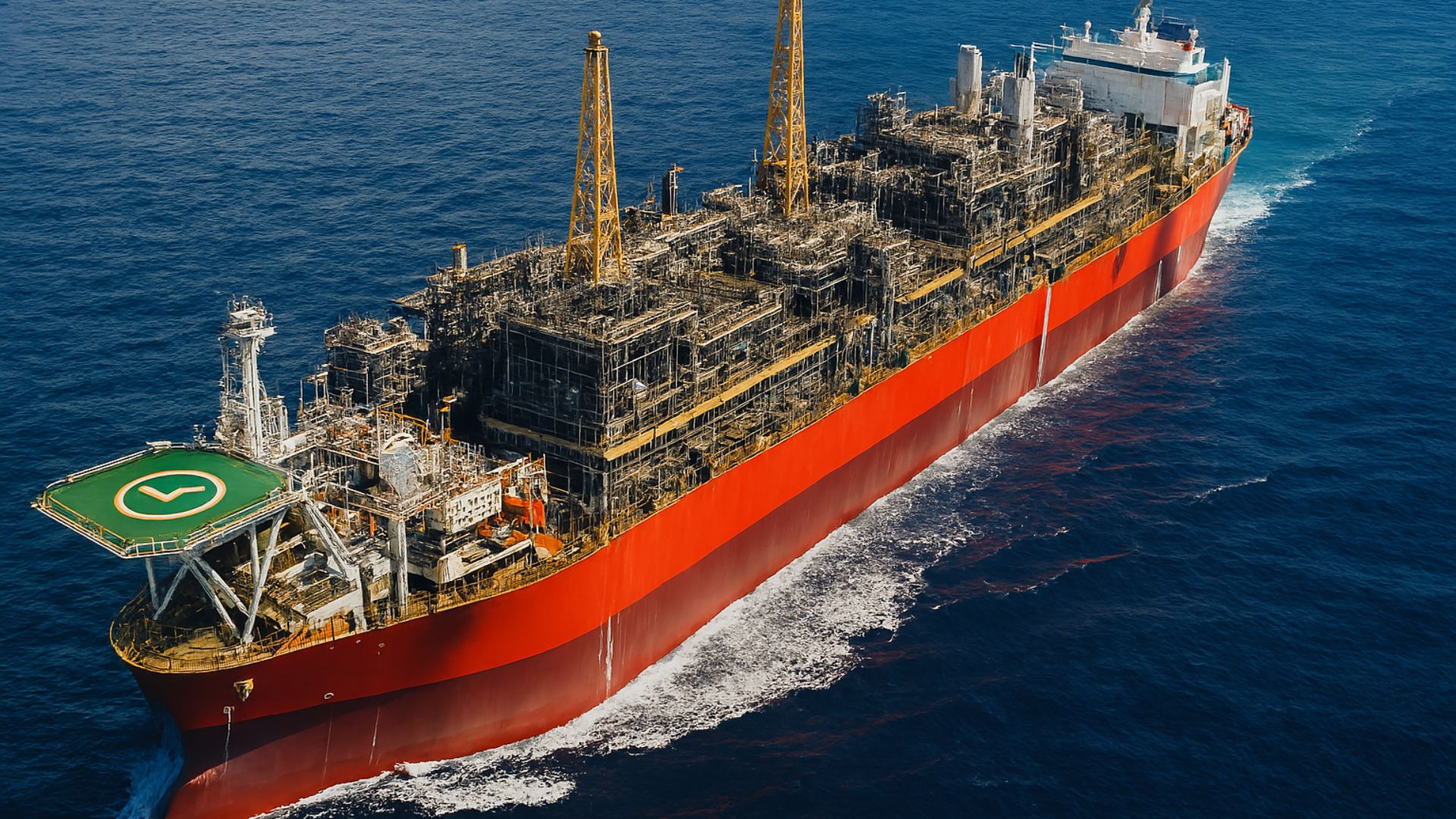
According to a report from Petronotícias this Wednesday (8), an analysis by Westwood Energy shows that investments in offshore engineering and construction continue to grow, supported by the resumption of major projects in deep waters. However, the alert is on: oversupply and the devaluation of the barrel of oil threaten to reduce margins and slow the sector’s expansion.
Higher Investments and New Risks in the Oil Market
According to Westwood Energy, investments in offshore construction (EPCI — engineering, procurement, construction, and installation) are expected to reach an annual average of US$ 57 billion between 2026 and 2029, even with a slight contraction projected for 2025.
This growth reflects the increase in demand for exploration and production (E&P) projects in strategic regions such as Brazil, South East Asia, and the Persian Gulf. However, two factors raise concern among analysts and executives: global oversupply and the fall in barrel prices, which tend to compromise profitability and the viability of new offshore ventures.
-
Brazilian giant expands borders in the Southeast: Petrobras confirms new oil discovery in ultra-deep waters in the pre-salt of the Campos Basin.

-
Alert in the global energy market: Severe tropical cyclone hits the coast and disrupts gas production at major plants in Australia, threatening global supply.

-
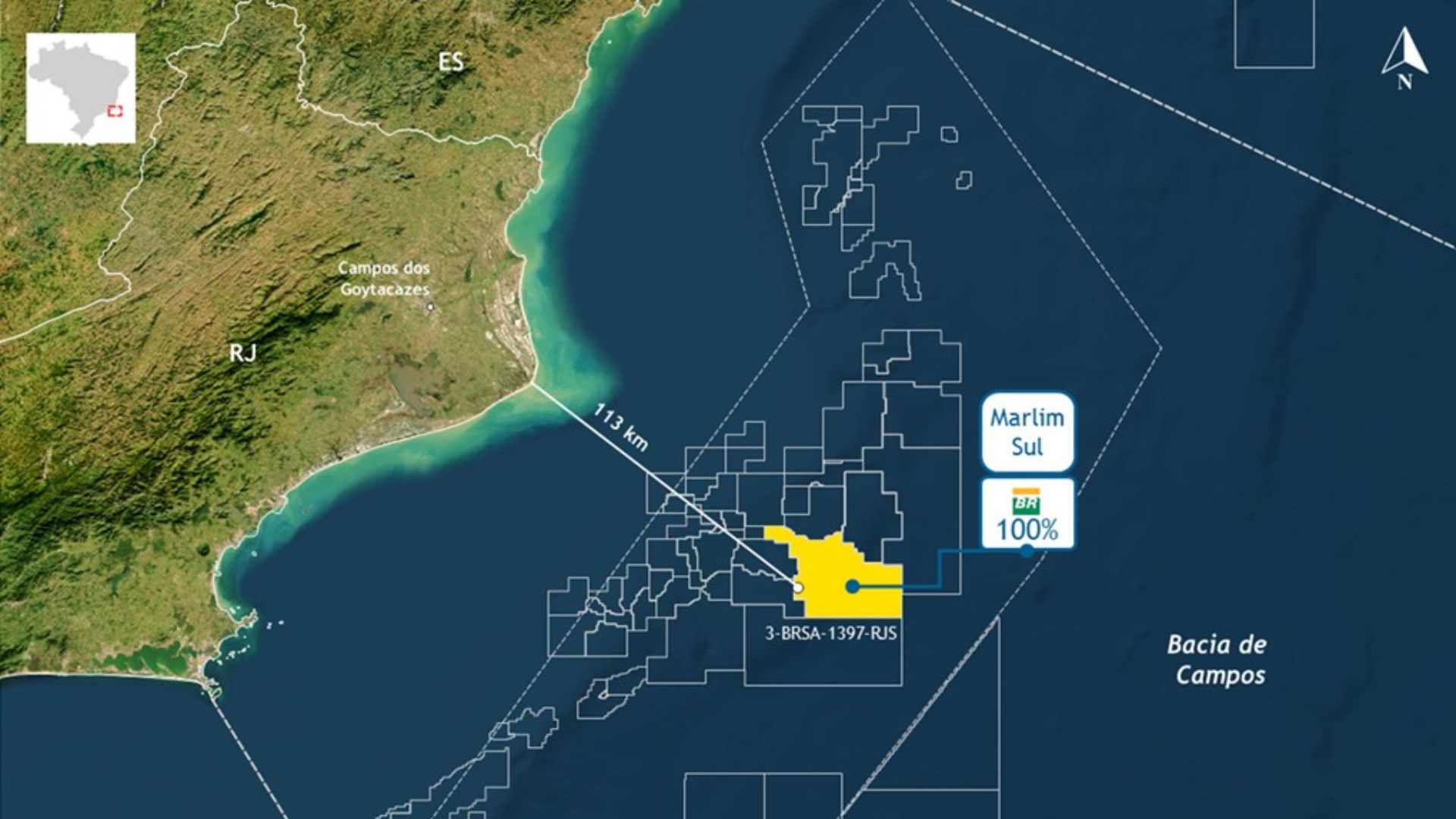
Petrobras finds high-quality oil in the pre-salt at 113 km from RJ and reignites expectations about strategic reserves in the Campos Basin.

-
Ocyan opens registrations for startups focused on innovation in the oil and gas sector and will select projects for Innovation Day with the support of Nexio.


The Power of Offshore Engineering and Its Global Importance
Offshore engineering represents one of the pillars of the modern energy industry. It encompasses everything from geophysical studies and structural design to the manufacturing and installation of platforms, subsea systems, and pipelines. It is a field of high technical complexity and economic relevance for countries with maritime oil and gas reserves.
According to experts, strengthening the offshore engineering and construction chain is essential to maintain competitiveness, generate skilled jobs, and add local value to operations.
In Brazil, for example, the pre-salt has consolidated the country as one of the main offshore powers on the planet, and investments continue to attract major international companies.
However, the volatility of oil prices can slow expansion and force a reevaluation of portfolios, especially in long-term projects with high capital costs.
Trends and Projections from Westwood Energy
In its most recent report, Westwood Energy highlighted that the global volume of offshore engineering and construction contracts is expected to remain stable over the next five years, averaging US$ 57 billion per year between 2026 and 2029.
The market, however, is expected to face a temporary reduction in investments in 2025, reflecting the uncertainty caused by falling international barrel prices and increased global production, especially in OPEC+ countries and the United States.
The regions with the highest growth potential, according to the consultancy, are:
- Brazil — driven by pre-salt fields and new auction rounds from ANP;
- Africa — with expanding projects in Namibia, Nigeria, and Angola;
- South East Asia — focusing on natural gas and new deep-water wells.
These areas continue to attract capital, but with increasing demands for efficiency and cost control.
Oversupply and Barrel Volatility: Warning in the Offshore Sector
The oil market faces an imbalance between supply and demand. The release of strategic reserves and the increase in global production have been pressuring Brent and WTI prices, which saw successive declines in 2025.
When supply exceeds demand, the price of the barrel tends to fall — and this directly impacts the expected returns from offshore projects. The International Energy Agency (IEA) has also revised its projections, indicating a risk of oversupply until the end of 2026.
This scenario may provoke contract delays, margin reductions, and portfolio revisions by operators, especially private ones. According to the State of Exploration 2025 report from Westwood Energy, national oil companies (NOCs) held 51% of the equity share in high-impact wells in 2024, as well as representing 67% of the discovered resources in that same type of well.
Rising Costs and Challenges in Offshore Construction
In addition to barrel volatility, another significant obstacle for the sector is the rising operational costs. Global inflation in the supply chain, a shortage of skilled labor, and the aging of offshore fleets have increased the average cost of projects.
Many vessels, rigs, and platforms have already exceeded 20 years of use. With lower daily rates and high maintenance costs, several companies are delaying modernization plans, which compromises operational efficiency and safety.
The situation demands greater capital discipline, prioritizing only projects with guaranteed returns and strong cash generation capacity.
Westwood Energy Study: Offshore Engineering in the Energy Transition
Although the current focus is on oil, there is a growing movement of diversification within offshore engineering. Traditional companies in the sector have been directing part of their investments towards renewable energy projects, such as offshore wind, green hydrogen, and carbon capture and storage (CCS).
In 2025, however, many floating wind projects were revised. According to Westwood Energy, rising costs and financing difficulties have reduced the number of new contracts, especially in Europe and Asia.
Still, the potential remains high: the infrastructure and know-how of the oil sector can be repurposed for clean energy platforms, creating a bridge between the fossil industry and the low-carbon economy.
This integration can become the new growth vector for offshore engineering in the coming decades.
Adaptation and Mitigation Strategies in the Oil Market
In light of a volatile global scenario, companies in the oil market are adopting more conservative and selective strategies. Essential measures include:
- Financial Rigor — Focus on projects with predictable returns and lower exposure to barrel fluctuations.
- Operational Efficiency — Use of digital technologies to reduce costs, predict failures, and optimize maintenance.
- Strategic Partnerships — Joint ventures and mergers to share risks and scale up.
- Geographic Diversification — Expansion into emerging markets with greater regulatory stability and energy demand.
These actions aim to protect profitability in the face of price fluctuations and increasing competitive pressure.
How the Offshore Sector Can Stay Competitive
Competitiveness in offshore construction will depend on a combination of technological innovation, risk management, and reevaluation of contractual models.
Companies that can integrate automation, data analysis, and predictive maintenance will be able to operate with lower costs and higher reliability. Additionally, the trend towards modular and standardized projects promises to reduce delivery time and improve efficiency.
In Brazil, strengthening national engineering and encouraging local manufacturing are decisive strategies to ensure long-term competitiveness. The country has the potential to attract significant investments, provided it maintains legal predictability and stability in sector regulations.

Future Perspectives for the Offshore Sector According to Westwood Energy
The future of the offshore sector will depend on how the world balances its energy needs with decarbonization goals. Investments in offshore engineering and construction are expected to remain relevant until the end of the decade, but with a growing focus on efficiency, digitalization, and sustainability.
According to Westwood Energy, opportunities will continue to exist, but selectivity will be the rule. Oversupply and barrel devaluation are expected to continue affecting investor behavior and decisions on new explorations, especially in deep waters.
Still, innovation and the energy transition offer promising paths. Companies that can adapt their business models — combining engineering, technology, and environmental responsibility — will be better positioned to thrive in an increasingly dynamic, competitive, and globalized oil market.








-

Uma pessoa reagiu a isso.