





 English
  Francês
  Alemão
  Italiano
  Japonês
  Norueguês
  Portuguese
  Spanish
  2 min of reading


Investments Have Exceeded R$ 1.2 Billion in Solar Photovoltaic Power Generation in Brazil’s Rural Sector
According to the Brazilian Association of Photovoltaic Solar Energy (ABSOLAR), investments in the rural sector have already surpassed R$ 1.2 billion in Brazil, in rural properties across the national territory.
Check Also:
- Recruitment and Selection of Maritime Professionals for Offshore Positions on Oil Tanker
- EMERGENCY Job Openings to Meet Offshore Oil and Gas Contracts Announced by Maritime Company OSM
- Open Selection Process for Job Vacancies by Dutch Oil and Gas Multinational Fugro
According to the association, 8.7% of the installed capacity in distributed generation from the sun in Brazil is represented by rural producers who have adopted this alternative energy method.
-
Rio Grande do Sul accelerates energy transition: State invests in renewable technologies and consolidates decarbonization strategies and pathways to attract billions in new industrial investments.

-
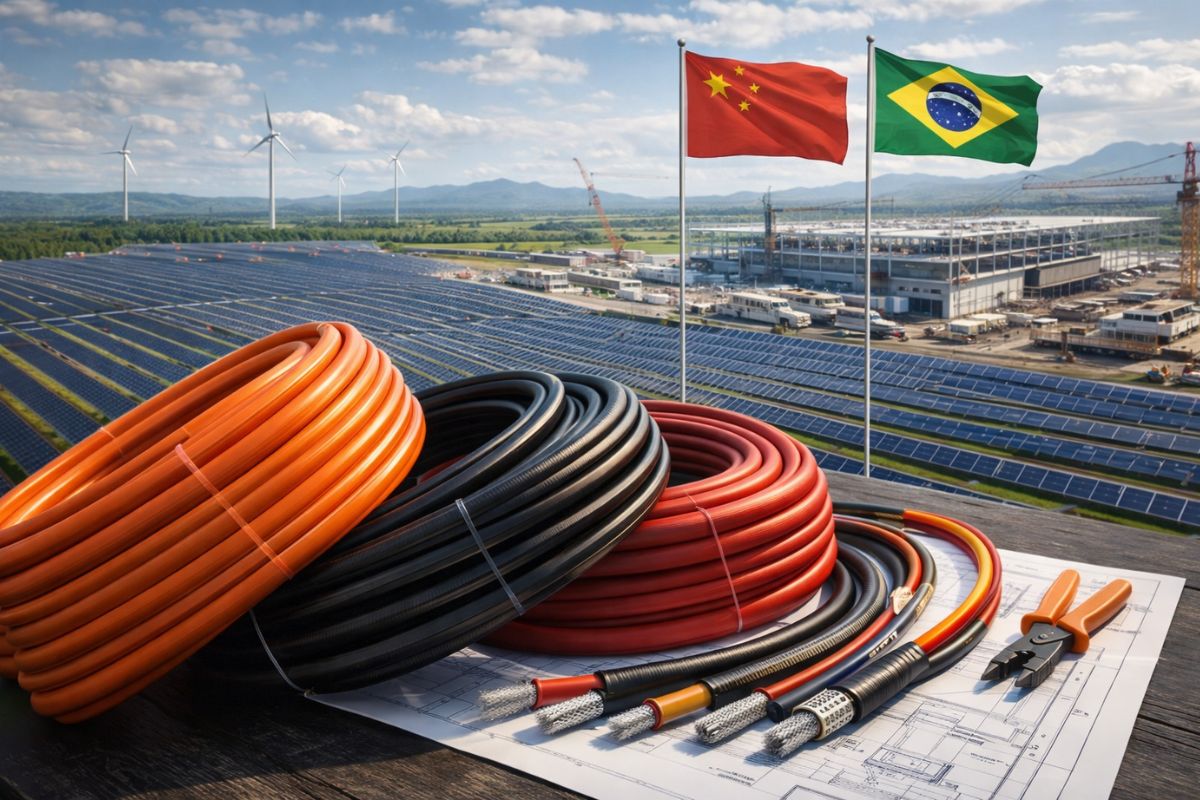
Chinese giant worth nearly R$ 4 billion that manufactures cables for electric cars, solar energy, and robotics wants to open a factory in SC.
-
Many employers do not know, but the law guarantees domestic workers a 25% increase in salary during trips, 50% for overtime, 20% for night shifts, and 17 additional benefits that can lead to labor lawsuits if not paid.

-
Gasoline prices soar and the question arises: is ethanol more advantageous? The 70% rule reveals the limit with gasoline.


In total, solar photovoltaic distributed generation has about 2.3 gigawatts (GW) of installed capacity. This value is the sum of residences, businesses, industries, public buildings, small plots of land, and rural producers.
200,000 solar energy generation systems are already in operation, which represents 99.8% of the connections of this type in the country, making it a leader in the segment.
A survey conducted by the entity reveals that, since 2012, accumulated investments in the sector total more than R$ 11.9 billion, distributed across five regions of Brazil, covering more than 79.9% of the total municipalities.
In numerical terms, 72.60% are represented by residential consumers, 18% by commerce and services, 6.3% by rural consumers, 2.7% by industries, 0.4% by public authorities, other types (such as public services) 0.04%, and public lighting with 0.01%.
The President of the Board of Directors of ABSOLAR, Ronaldo Koloszuk, states that: “The use of solar photovoltaic energy in conjunction with agribusiness brings competitive advantages to rural producers, as it reduces electricity costs, increases electrical safety, protects consumers against rising electricity tariffs, increases the supply of electricity on rural properties, makes production in the fields cleaner and more sustainable, and adds value to the rural producer’s brand.”







Seja o primeiro a reagir!