





 Portuguese
  English
  Spanish
 5 min of reading
  0 comments


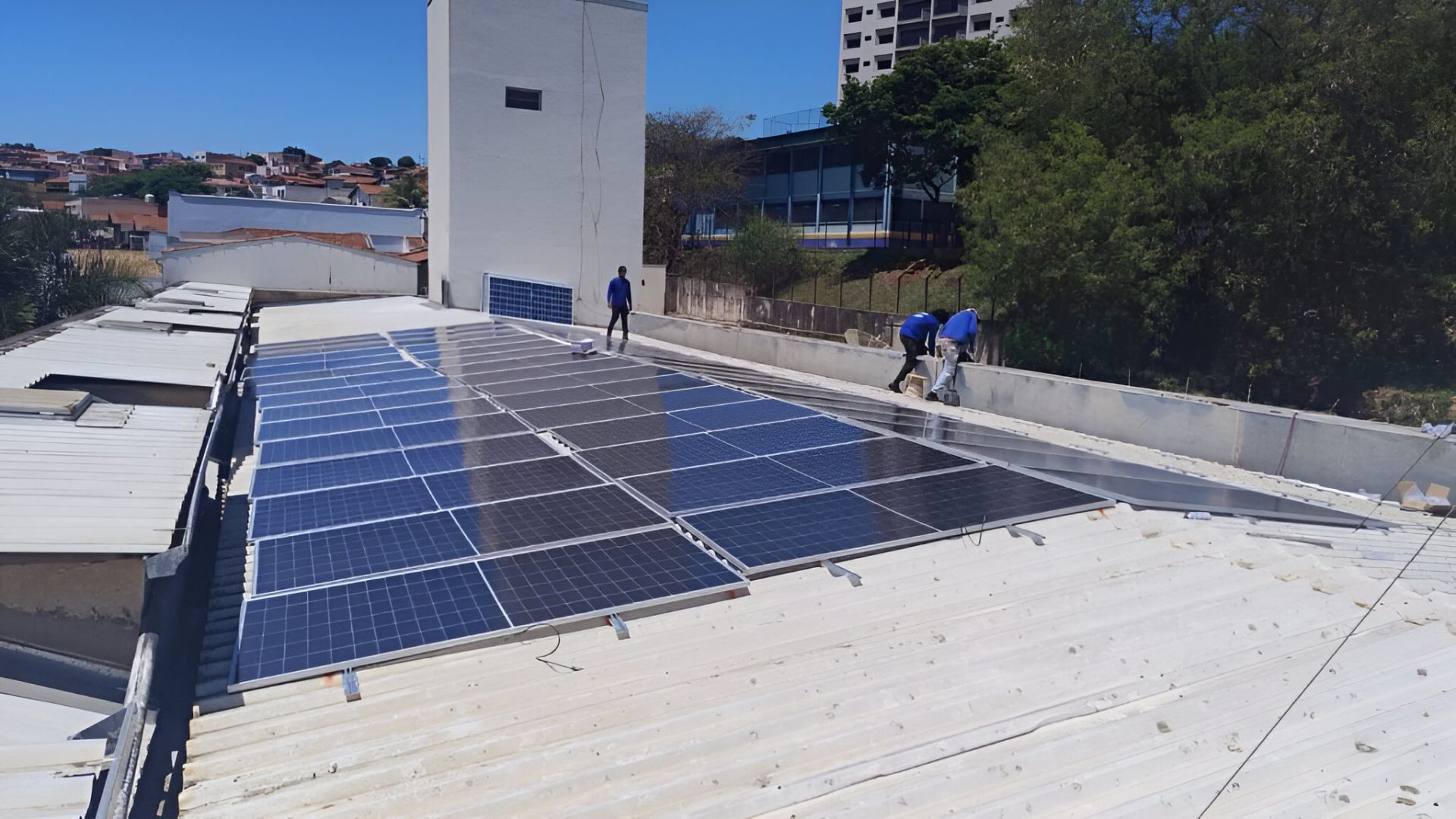
IPASP Adopts Solar Energy with Micro Solar Plant and Achieves Major Savings, Significantly Reducing Electricity Bills and Strengthening Sustainability in Piracicaba
The Piracicaba Institute of Social Security and Assistance for Municipal Public Employees (IPASP) started an energy transition that is already showing significant results. According to an article published by the City Hall of Piracicaba on Wednesday (10), with the installation and activation of a micro photovoltaic solar plant, the Institute began producing its own electricity, reducing its electricity bill by up to 95% and reinforcing initiatives aligned with ESG practices. The change comes at a time when public agencies are seeking sustainable alternatives to reduce costs and increase efficiency, making Piracicaba’s example particularly relevant.
Adoption of Solar Energy and Immediate Reduction in Electricity Bills
The system partially went into operation in November, shortly after the installation was completed in October. Even with only 20 days of initial operation, the bill dropped from R$ 4,545.00 to R$ 2,960.00. According to the president of the Institute, Carlinhos Schiavon, by generating its own solar energy, IPASP is expected to reduce the monthly bill by up to 95%. The immediate result proved the technical and financial feasibility of the investment of R$ 86,000.
The decision to adopt solar energy in the public agency was structured to ensure spending stability and enhance administrative efficiency. The drop recorded in the first bill after activation showed the potential for savings generated by the photovoltaic system. Even operating partially, the self-generation already compensated a large part of the monthly consumption, demonstrating that the strategy meets the need to reduce fixed expenses and ensure more budget predictability.
-
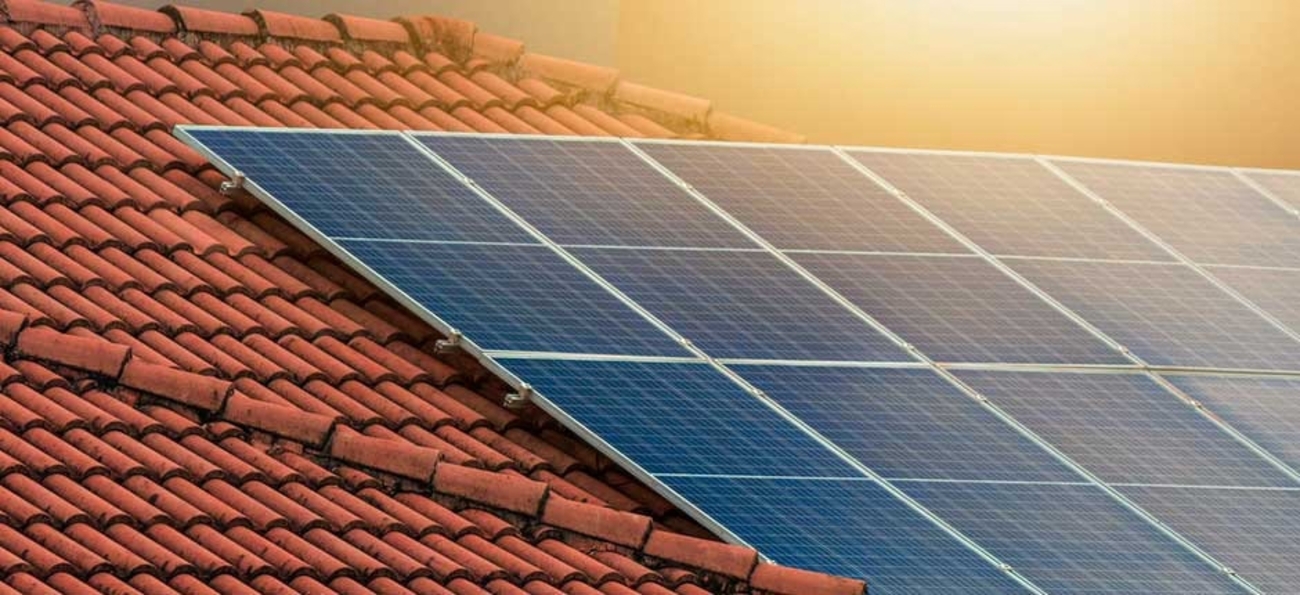
Roraima bets on the sun to escape high tariffs: Amid the energy crisis and price hikes, solar energy is growing in Roraima and transforming consumption in the North region.
-
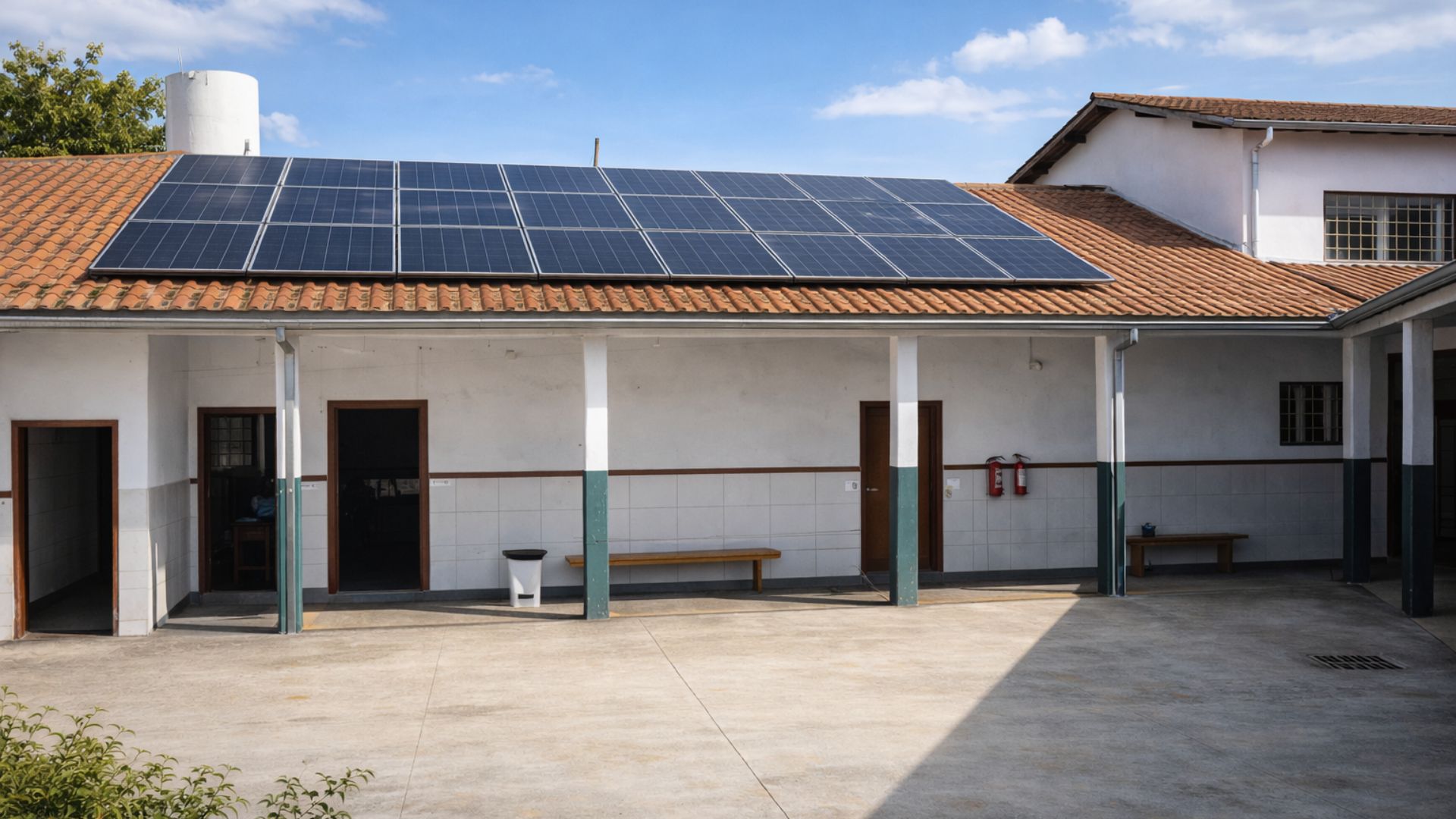
Copel boosts solar energy in Paraná and brings innovation to public schools, promoting savings on electricity bills, energy efficiency, and a direct impact on the quality of education.
-
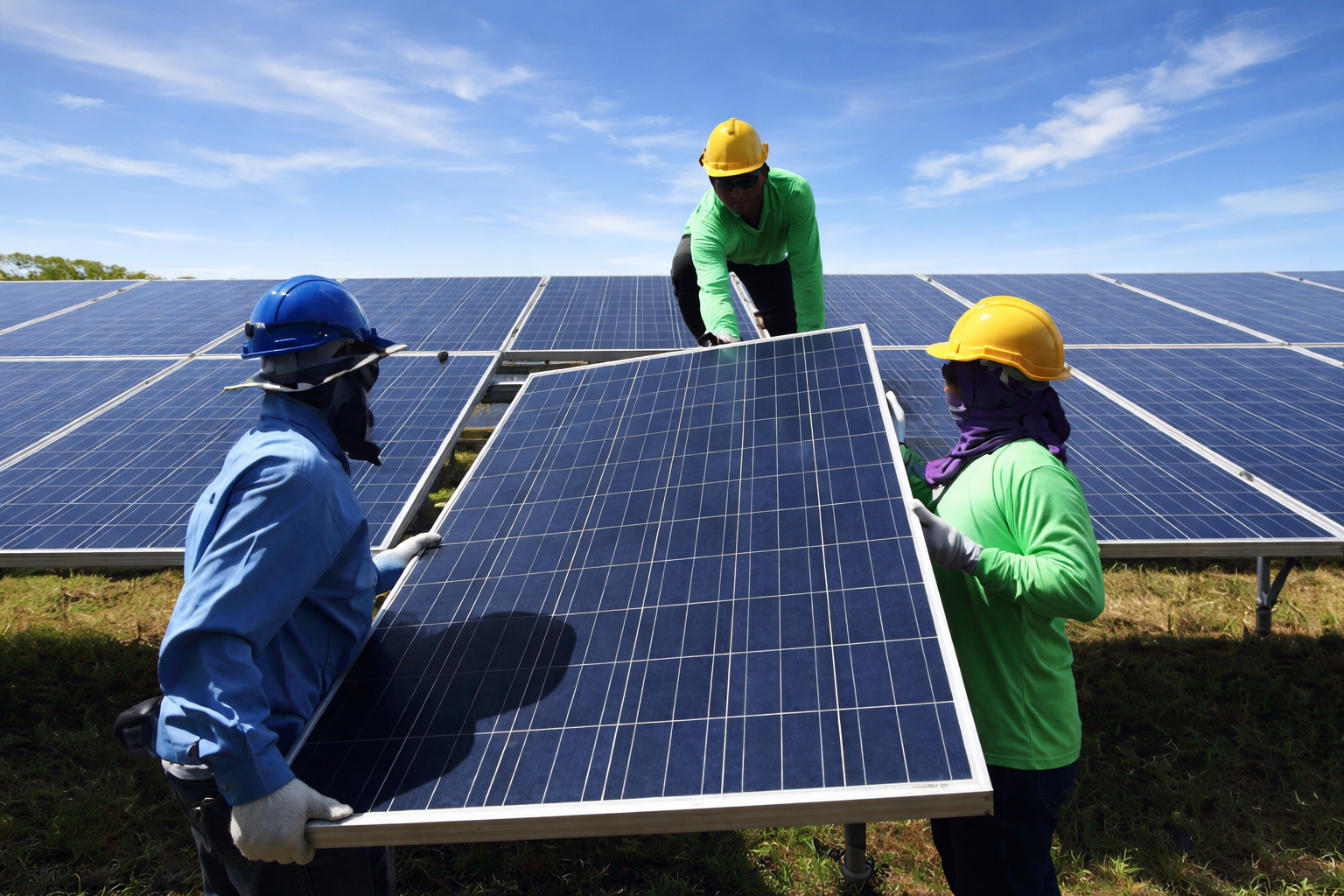
Brazil reaches historic milestone in solar energy: Sector surpasses 2 million accumulated green jobs and generates billions in the national economy even under market pressure.
-
Minas Gerais takes the lead in renewable energy: State surpasses historic mark of 14 GW in solar energy generation in MG and consolidates dominance in the Brazilian electric sector.
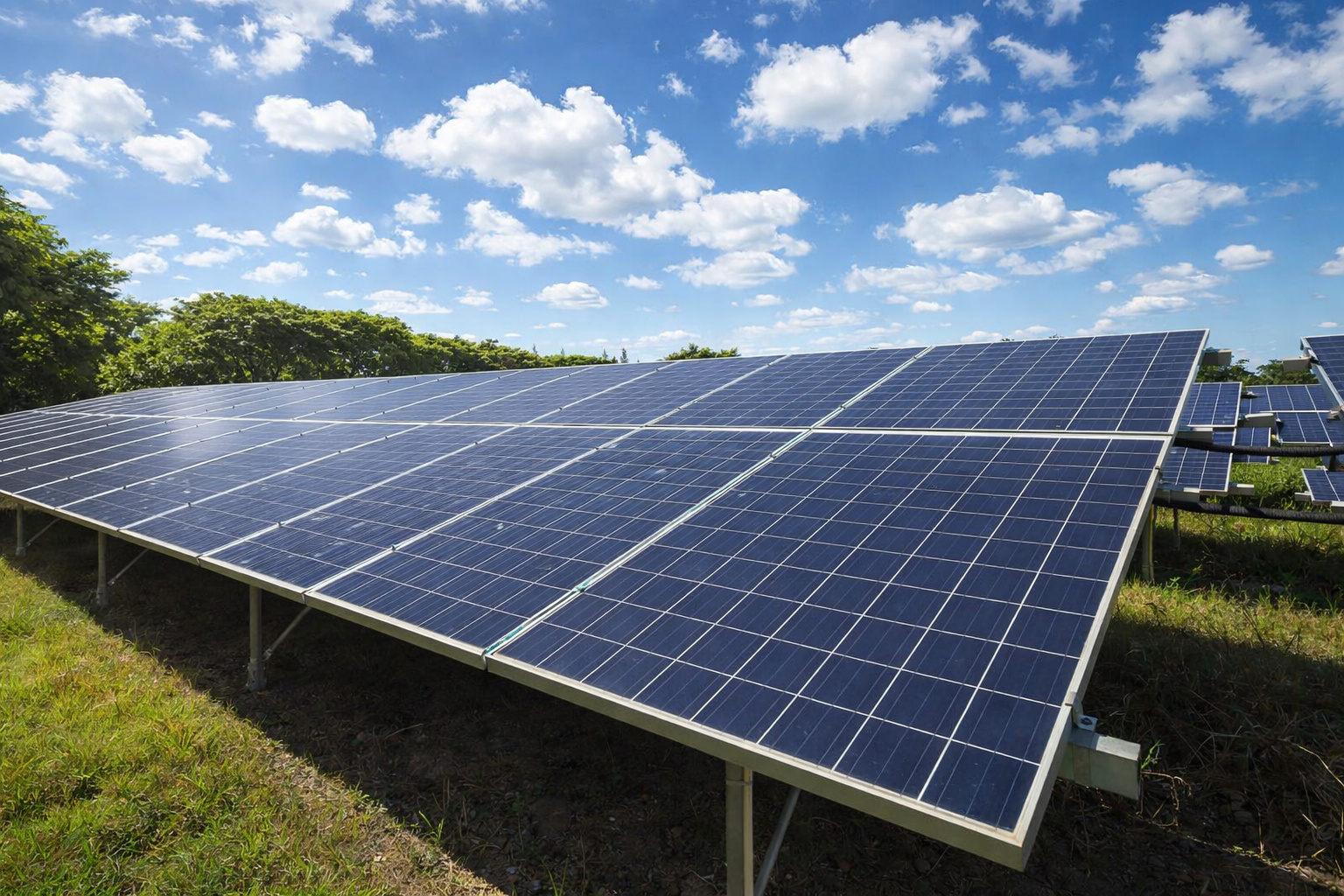

The system uses microinverters connected to solar panels, allowing for better performance and monitoring. Furthermore, when generation exceeds consumption, the electricity is returned to the grid, generating credits valid for up to 60 months. This mechanism prevents waste and amplifies financial benefits, reinforcing the economic sustainability of the project.
As a result, IPASP becomes much less dependent on the local utility company and tariff fluctuations. The agency thus gains greater control over its energy costs while maintaining a more efficient, modern operational structure aligned with the global energy transition.
Adoption of Solar Energy: Reduction of CO₂, Preservation and ESG Practices
The environmental gains from the implementation of the micro solar plant are also significant. In the first two months after installation, the Institute estimates a reduction of 2,417 tons of carbon dioxide (CO₂), which is equivalent to the same volume of fossil coal that will no longer be used in thermoelectric plants. This direct environmental impact also corresponds to the preservation of approximately 332 trees, which would have been burned to meet the demand of thermal plants.
This result reinforces the role of public institutions in mitigating climate change and preserving natural resources. By ceasing to consume energy from more polluting sources, IPASP effectively contributes to meeting national and international environmental goals.
Additionally, the action strengthens the local sustainability agenda and demonstrates that the application of ESG practices in the public sector is possible, efficient, and economically advantageous. According to Carlinhos Schiavon, this is one of the most efficient solutions to replace energy sources that still cause pollution, highlighting that the adoption of solar energy is not only beneficial but necessary to reduce the environmental impacts associated with traditional electricity generation.
Governance and Public Policies: Alignment with TCU Guidelines
The installation of the photovoltaic structure is also a reflection of a broader movement in public administration. The Federal Court of Accounts (TCU), through Acórdão No. 1,056/2017, guides federal agencies to adopt sustainable measures that contribute to environmental preservation. Although directed at the federal level, this guideline encourages municipalities, autarchies, and municipal institutions to follow the same path.
By implementing a project for the self-generation of renewable energy, IPASP concretely responds to this direction. As a consequence, the autarchy improves governance, reduces recurring expenses, and increases the quality of public management. The savings obtained from the new structure may be redirected to investments that were previously unfeasible due to the high cost of electricity.
According to Schiavon, practices like this elevate the quality of services provided to the population and enhance the Institute’s responsibility in facing environmental and economic challenges. The initiative demonstrates that the public sector can innovate and adopt clean technologies without compromising the budget—on the contrary, strengthening it.
Budget Predictability with Solar Energy
Another direct benefit is independence from tariff flags used by Aneel to indicate periods of greater water scarcity or higher energy costs. These variations increase the final value of the electric bill and especially affect public agencies that need to maintain continuous operations. By producing its own electricity, the Institute significantly reduces exposure to these fluctuations.
Budget predictability brings more security to the Institute’s annual planning, allowing for firmer administrative decisions and reducing financial risks. In a context of national energy instability, the adoption of clean and stable sources is a particularly relevant solution for public agencies and municipal entities.
Financial Return and Increased Investment Capacity
With an initial investment of R$ 86,000, the solar energy project is expected to pay off quickly, given that the monthly gains are substantial. The reduced cost of photovoltaic infrastructure and its long lifespan—often exceeding 20 years—make the initiative highly advantageous in the medium and long term. Thus, after the payback period, all the generated energy converts into savings.
This process strengthens the Institute’s investment capacity, which can reallocate funds previously designated for electricity payments towards structural improvements, modernization of services, and actions aimed at municipal public employees. The initiative also generates a positive cycle that benefits both the internal budget and the quality of services provided to the population.
Relevance of the Initiative and Future Perspectives
The implementation of the micro solar plant by IPASP exemplifies how the public sector can innovate and adopt sustainable models capable of uniting environmental responsibility and economic efficiency. With the potential to reduce energy costs by up to 95%, the Institute strengthens its autonomy and contributes to the Brazilian energy transition.
The project demonstrates that investing in solar energy is a solid, efficient strategy aligned with contemporary public management needs. Additionally, it reinforces the importance of responsible use of public resources, the adoption of ESG practices, and the modernization of municipal administrative structures. The case of Piracicaba serves as a reference for other cities looking to move towards a more sustainable, economical, and environmentally responsible energy model.








Seja o primeiro a reagir!