





 Português
  Inglês
  Espanhol
  8 min de leitura
  0 comentários


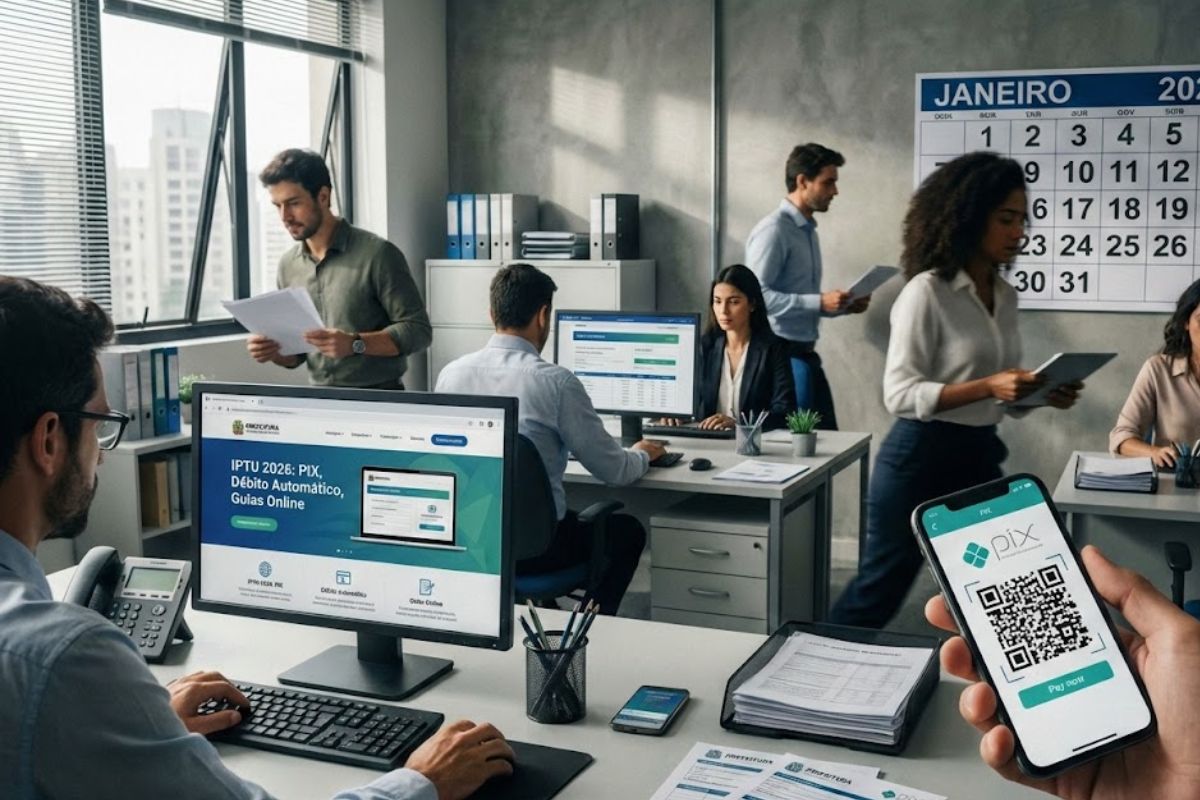
With IPTU 2026, Municipalities Release Virtual Boleto, Pix, Automatic Debit, and Internet Banking to Pay in Full or Installments. Those Who Do Not Receive Boleto by Mail Can Issue it on the City Hall Website. The Single Installment Offers Discounts in São Paulo, Rio, Florianópolis, Goiânia, Salvador, and Manaus, with Varying Deadlines This January.
The IPTU 2026 once again occupies the beginning of the year for property owners, as January is the month when many people need to quickly decide between a single installment with a discount or installments. To avoid relying on physical boleto, the solution is increasingly digital: visit the city hall website, issue the payment slip, and choose the form of payment.
In addition to the traditional boleto, the IPTU 2026 already features alternatives such as Pix, automatic debit, and internet banking, making payment easier and reducing queues. At the same time, deadlines vary by city, so organization is what separates those who take advantage of discounts from those who risk late payments.
What is IPTU 2026 and Why It Weighs Heavily at the Beginning of the Year
The IPTU 2026 is the Urban Property and Land Tax, a municipal tax charged to owners of residential and commercial properties.
-
Brazilian city gains industrial hub for 85 companies that is equivalent to 55 football fields.

-
Peugeot and Citroën factory in Argentina cuts production by half and opens a layoff program for more than 2,000 employees after Brazil drastically reduced purchases of Argentine vehicles.

-
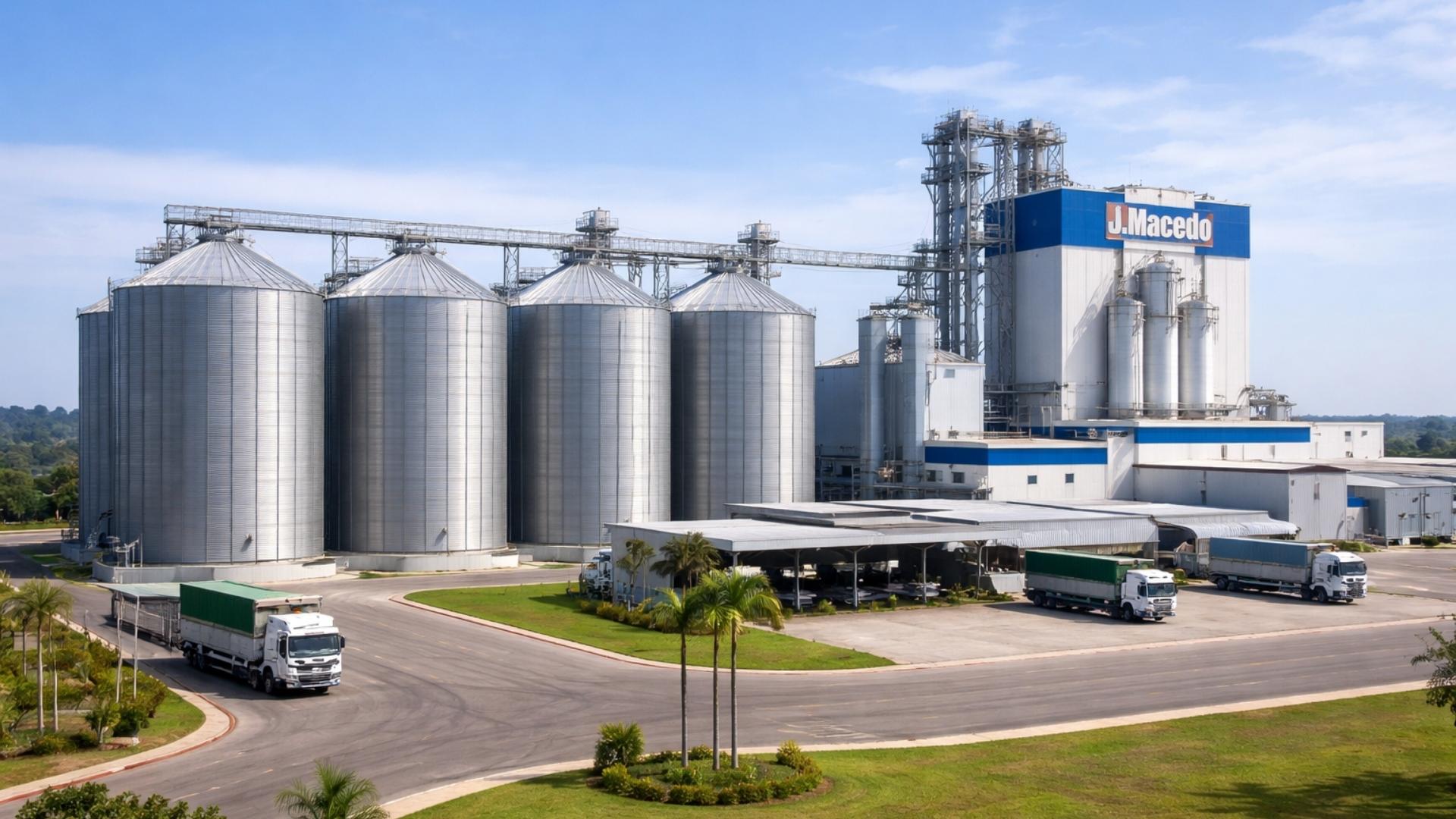
A Brazilian city gains a factory worth R$ 300 million with the capacity to process 200 thousand tons of wheat per year, a mill of 660 tons/day, silos for 42 thousand tons, and an industrial area of 276 thousand m².
-
Havan will leave the shopping mall in Blumenau to inaugurate something that the chain has never done before: a megastore in half-timbered style in the Historic Center of the city, which is expected to be completed in May and change the landscape of local retail.


The tax is annual but can be paid in full or in installments, according to municipal rules.
This detail explains why January becomes a hectic period.
Typically, the due date for the first installment or the single payment occurs early in the month, and taxpayers need to act even when the boleto does not arrive.
At this time, the safest path is the same in any city: access the official city hall portal and issue the document for IPTU 2026.
Who Pays IPTU 2026 in Practice
Theoretically, the IPTU 2026 is the responsibility of the owner. However, in practice, the amount can be passed on to the tenant if this is agreed upon in the rental contract.
That is, the formal responsibility lies with the property owner, but the cost can be negotiated between the parties.
There is also the case of financing: even when the property is being paid off to the bank, the responsibility for the IPTU 2026 still exists.
This often surprises those who think they will only deal with the tax after paying off the financing, but the practical rule presented is clear: the tax is already included in the property costs.
How IPTU 2026 Is Calculated and Why the Value Varies So Much
The calculation of IPTU 2026 varies according to the definitions of each municipality. Still, there is a common logic that tends to appear in most municipalities, based on criteria that change the final amount of the tax.
Among the main points considered are:
- Market Value: estimate of the sale value defined by the city hall.
- Location: neighborhoods with more infrastructure and higher value can increase the tax.
- Land Size and Built Area: the larger the total area and construction, the higher the tax tends to be.
- Property Use: commercial, industrial, and service properties pay more than residential ones.
In practice, this means that two properties in the same city can have different tax amounts for IPTU 2026, even if they look similar.
Location, size, and use play directly into the calculation, and each municipality applies these criteria within municipal rules.
Where the Money from IPTU 2026 Goes
The collection of IPTU 2026 is directed to essential areas for the functioning of the city. The tax is presented as a source of funding for public services and urban improvements, including:
- maintenance and construction of streets
- installation of public lighting
- improvements in waste collection and urban cleaning
- construction of leisure areas, schools, and public hospitals
- improvements in security
That is why IPTU 2026 appears as a tax that “funds” infrastructure and services. Even without a direct link between a specific boleto and a specific project, the revenue goes into the municipal treasury to support these areas.
How to Issue the IPTU 2026 Boleto When the Boleto Does Not Arrive
For years, IPTU boletos were sent by mail, but some cities have changed this approach.
The point of attention is simple: you cannot assume that the physical boleto will always arrive. Therefore, the practical recommendation is to check the city hall website to confirm if physical mailing is still active.
When the boleto does not arrive at the property address, the advised path is to access the municipal portal and issue the IPTU 2026 guidelines.
In January, this step becomes routine for those who want to pay on time, secure discounts, and avoid delays.
Methods of Payment for IPTU 2026: What Changed with Digitalization
The IPTU 2026 can be paid in full or in installments according to municipal rules, and city halls have expanded payment methods.
The options mentioned include boleto, internet banking, Pix, and automatic debit, each with a different “profile” of taxpayer.
Boleto and Internet Banking
The boleto follows the logic of the physical boleto, only in a virtual version. In IPTU 2026, it can be accessed on the city hall website and paid by barcode in banks and lottery houses or via internet banking.
For those who prefer to handle everything via mobile or computer, internet banking is a shortcut, as it avoids travel and allows for quick payment, provided the taxpayer has the correct IPTU 2026 slip.
Pix
Some cities offer payment via Pix. The highlighted advantage is speed, as Pix does not require a banking period to complete the transaction.
To pay the IPTU 2026 via Pix, it is necessary to consult the city hall key and the correct payment details.
It is also possible to scan the barcode of the boleto and make the payment via Pix, merging the traditional boleto with the speed of Pix.
For those looking to reduce steps, Pix for IPTU 2026 becomes a direct alternative.
Automatic Debit
Automatic debit appears as a solution for those who do not want to worry about due dates, whether for the single installment or for the installments. The proposal is simple: automate the payment of IPTU 2026 and avoid forgetfulness.
In São Paulo, for instance, there is a specific requirement: taxpayers need to issue a 25-digit code corresponding to the Authorization for Automatic Debit.
This detail reinforces that each city hall creates its own flow, so the ideal is to always check the procedure on the official portal when setting up the automatic debit for IPTU 2026.
Single Installment for IPTU 2026: Where There Are Discounts and What the Cited Deadlines Are
The single installment is the big “hook” at the beginning of the year because it offers discounts and deadlines. In IPTU 2026, the percentages and dates vary by city, which is why many people rush in January to issue payment slips.
São Paulo: Discount and Authorization for Automatic Debit
In the capital of São Paulo, the payment in a single installment generates a 3% discount on the total amount of IPTU 2026. For those who prefer automatic debit, there is the extra step of issuing the 25-digit code for authorization.
The result is a typical scenario for January: issuing the slip, choosing between a single installment or payment in installments and, if applicable, setting up the automatic debit according to municipal rules.
Rio de Janeiro: Slips on the Carioca Digital Portal
In Rio de Janeiro, the issuance of IPTU 2026 slips is done on the Carioca Digital portal. The single installment can be paid until February 6 with a 6% discount.
This type of information shows why taxpayers need to check local regulations. In IPTU 2026, the same single installment concept exists, but the deadline and discount differ.
Florianópolis: Cumulative Discount and Unified Slip
In Florianópolis, cumulative discounts can reach 20% in IPTU 2026. The city also allows the issuance of a unified slip for owners with more than one property.
The boletos have already begun to be sent by mail, but the city hall recommends accessing online through the official portal. In practice, this means that, even with physical mailing, the digital route remains the most reliable for consulting and issuing IPTU 2026.
Goiânia: Installments and Single Payment until February
In the capital of Goiás, Goiânia, the IPTU 2026 can be paid in up to 11 installments. The single payment can be made until February 20 with a 10% discount.
Here, the decision is split between cash flow and discounts.
Those prioritizing value reduction look to the single payment; those needing to lessen the impact on their budget will evaluate the installment payments for IPTU 2026.
Salvador: Discount on Single Payment and Issuance on the Sefaz Website
In Salvador, the single payment of IPTU 2026 has a 7% discount. Payment slips can be issued on the Municipal Treasury Secretary (Sefaz) website.
For the taxpayer, the message is clear: the “official route” provides safety. Issuing the IPTU 2026 slip on the correct portal avoids mistakes and reduces the risk of overpaying.
Manaus: Three Dates for Single Payment with Different Discounts
In Manaus, the single installment of IPTU 2026 can be paid on three dates: January 30, February 27, and March 16.
The discounts are 12%, 11%, and 10%, respectively.
In practice, this creates a decision ladder: those who pay earlier receive a bigger discount; those who pay later still get a discount, but smaller.
For those wanting to maximize their benefit, the calendar becomes key for IPTU 2026.
Installments for IPTU 2026: When It Makes Sense and What to Observe
Installment payment is an important alternative to IPTU 2026, especially for those who do not want to compromise January’s budget with full payment.
In some cities, the number of installments can vary from 10 to 12 installments, and in Goiânia, the reference is up to 11 installments.
What changes are the municipal rules. Therefore, the best path is to issue the IPTU 2026 slip and review the options presented on the official portal: number of installments, due dates, and payment instructions via boleto, Pix, internet banking, or automatic debit.
How to Avoid Late Payment for IPTU 2026 and Not Fall into Traps
The risk of late payment usually arises from two simple situations: trusting that the boleto will arrive and waiting until the due date to resolve it.
To avoid this with IPTU 2026, the safest route, based on what has been presented, is:
- Visit the city hall website and locate the access for IPTU.
- Issue the boleto or the IPTU 2026 slip through the official channel.
- Decide whether to pay in single payment with a discount or in installments according to municipal rules.
- Choose the payment method: boleto, internet banking, Pix (when available), or automatic debit (following the municipality’s procedure).
- Keep the receipt and note due dates, especially if you choose to pay in installments for IPTU 2026.
The difference between peace of mind and headache often lies in early issuance and verification of details. In January, this is even more relevant, as the volume of access and questions increases.
In your city, do you prefer to pay IPTU 2026 in a single payment to secure a discount or in installments to manage the budget for January?








Seja o primeiro a reagir!