





 English
  Francês
  Alemão
  Italiano
  Japonês
  Norueguês
  Portuguese
  Spanish
  3 min of reading
  52 comments


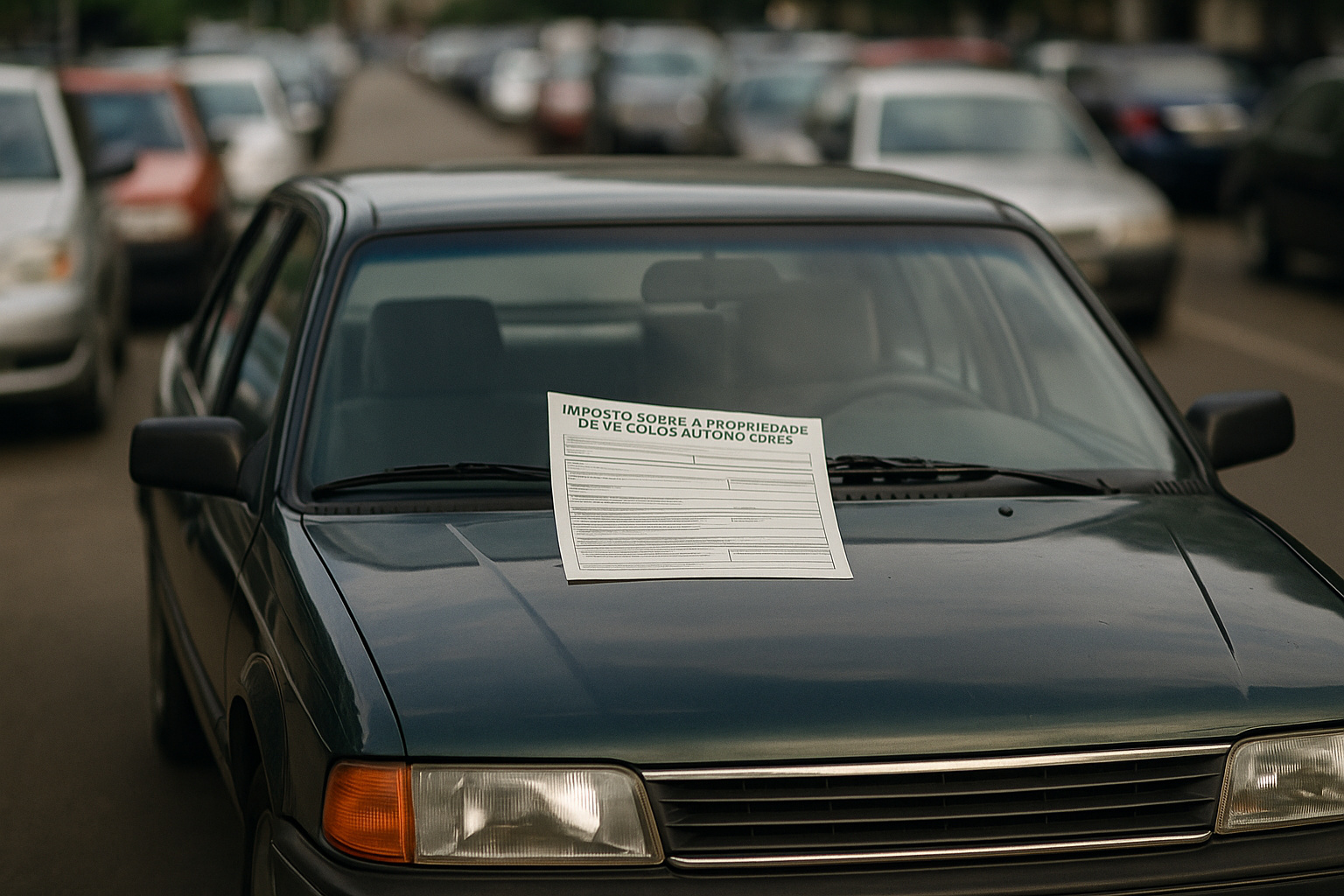


The Collection of IPVA in 2025 Requires More Attention from Owners Due to Variations in State Regulations, Increased Requirements for Granting Exemptions, and the Growing Risk of Penalties. Just As Recent Changes in Environmental Municipal Legislation Occurred, States Have Reinforced Enforcement and Adjusted Procedures, Redefining the Driver’s Relationship with Tax Obligations. The Mandate of the Tax, Created in 1985 to Finance Essential Public Services, Remains Central to Fiscal Policy. Therefore, Understanding State Rules Has Become Crucial to Avoid Fines and Administrative Hurdles. Although the Tax Maintains Its Property Nature, Updates Implemented Since 2022 Have Increased Rigidity in the Analysis of Requests, Especially Involving Old Vehicles, PcD, and Disabling Diseases.
State Rules on Exemption and Criteria Adopted for 2025
The Legislative Autonomy of States Creates Significant Differences. Communications from the State Finance Departments Between 2023 and 2024 Show That Each Unit Defines Minimum Vehicle Age, Documentation, and Deadlines. These Guidelines Determine When Age-Based Exemptions Apply for Cars Over 10, 15, or 20 Years, Which Disabilities Allow Full or Partial Exemption, and Which Philanthropic Entities Remain Eligible. This Stricter Interpretation Aims to Prevent Improper Grants and Maintain State Revenue. Thus, Drivers Can No Longer Count on Automatic Recognition of the Benefit and Must Now Rely on Required Document Analysis.
State Enforcement, Analysis, and Risks of Noncompliance
Failure to Pay Prevents the Issuance of Annual Licensing, Rendering Circulation Illegal, According to Detran Regulations Valid in 2024. The Registration of Debt in Active Debt, Protest, and Inclusion of the Owner’s Name in Agencies Such as Serasa and SPC Are Anticipated Consequences. Additionally, Daily Fines and Progressive Interest Quickly Increase the Final Amount. Regularization Is Required Before Transfers, Sales, and Any Registration Updates.
-
The Senate approves a bill that criminalizes misogyny, hatred, or aversion towards women, and includes the crime in the Racism Law with a penalty of up to 5 years.

-
Chamber Approves Bill That Allows Pepper Spray for Women Over 16 and Imposes Strict Rules for Purchase, Possession, and Use as Self-Defense

-
Chamber Approves Law to Combat Leucaena, Fast-Growing Plant That Dominates Land and Threatens Native Species in Various Regions of the Country

-
Asset Division: Know What Cannot Be Divided in Case of Divorce

Comparison Between States: Differences in Rates and Financial Impact
IPVA Rates Vary According to State Policies of Incentive or Collection. States with Aging Fleets Tend to Apply Lower Rates, While Others Adopt Higher Values. Since the Calculation Base Is the FIPE Table, Identical Cars Can Generate Different Taxes Simply Due to Registration Changes. Taxpayers Need to Follow the Calendar Released by the Finance Department to Organize Their Payment Flow.
Requirement for Proof and Mandatory Procedures
States Require Complete Documentation Before Granting Any Exemption. In Almost All Cases, Applicants Must Present Updated Medical Reports, Prove Institutional Links When Required, Attach Documents Within the Deadline, and Wait for Technical Analysis. Requests Submitted with Errors or Missing Mandatory Information May Be Denied, Retaining Full Collection.
Situations in Which IPVA Is No Longer Charged
Legislation Provides for Exceptions. Stolen or Taken Vehicles Can Have Proportional Interruptions of Collection with a Police Report. Cars That Reach the Age Established by the State May Have Automatic Exemption or Upon Request. In Specific Administrative Cases, Such as Verified Registration Errors, Collection May Be Adjusted.
Justifications from the Finance Departments for Toughening the Rules
State Agencies State That Increased Enforcement Is Linked to the Need to Replenish Revenues After Fluctuations Recorded Between 2020 and 2022. Technical Studies Show That Stricter Rules Reduce Fraud and Increase Legal Security. Fiscal Plans for 2023 and 2024 Reinforce That New Exemptions Depend on Calculated Budget Impact.
Understanding of Courts Regarding Collections and Penalties
State Courts Have Confirmed, Since 2021, the Legality of Penalties Applied for Noncompliance When the Report Describes the Infraction and Indicates the Violated Regulation. Thus, Some Decisions Adjusted Values Considered Disproportionate but Maintained the States’ Authority to Demand the Tax.
Change in Driver Behavior and Effects for 2025
With Increased Enforcement, Bureaucratic Requirements, and Stricter Calendars, Drivers Have Started to Organize Better to Avoid Restrictions on Licensing and Difficulties in Selling the Vehicle. Therefore, Experts Consulted by State Departments in 2024 State That Tax Planning Has Become an Essential Part of the Routine for Those Who Wish to Fulfill All Obligations Set for 2025.









O fato é que o Brasil arrecada demais e por isso a corrupção é tão grande,um País que permite que um Detran (GO)cobre quase 350 reais pela taxa de licenciamento aonde o próprio usuário emite o documento usando o seu papel,a sua tinta,a sua impressora e o seu tempo,este País não é sério e muito menos justo.Não faz o menor sentido,pois se pagava 12 reais de seguro obrigatório,um valor quase 300 vezes menor e este valor ainda garantia uma indenização em caso de acidente,observando que hoje a cobrança não ocorre mais pois no governo do Presidente Bolsonaro descobriram o tanto que arreadavam e não pagavam aquele tanto de indenizações,ou seja era mais um meio de saquearem o dinheiro da população,mas enfim até hoje a população não reagiu e eles continuam se beneficiando de dinheiro público agora na escala dos bilhões
O povo sabe que querem arrecadar mais dinheiro do pobre, pois quem tem carro antigo e que nao tem condição.
Eu acho isso roubo de cobrar IPVA de carros antigos que tem mais de 05 anos as lojas da concessionárias do Brasil não compram carros antigos porque o Detran que cobrar 5 anos mim explica isso, além de restaurar carro antigo gasta dinheiro os estados do Brasil que cobrar IPVA eu acho isso um roubo, tá na hora de acabar esse mundo de ****, os pais de fora do Brasil não tem esse roubo não só esse Brasil tem essa ladroagem.