





 Portuguese
  English
  Spanish
 3 min of reading
  0 comments


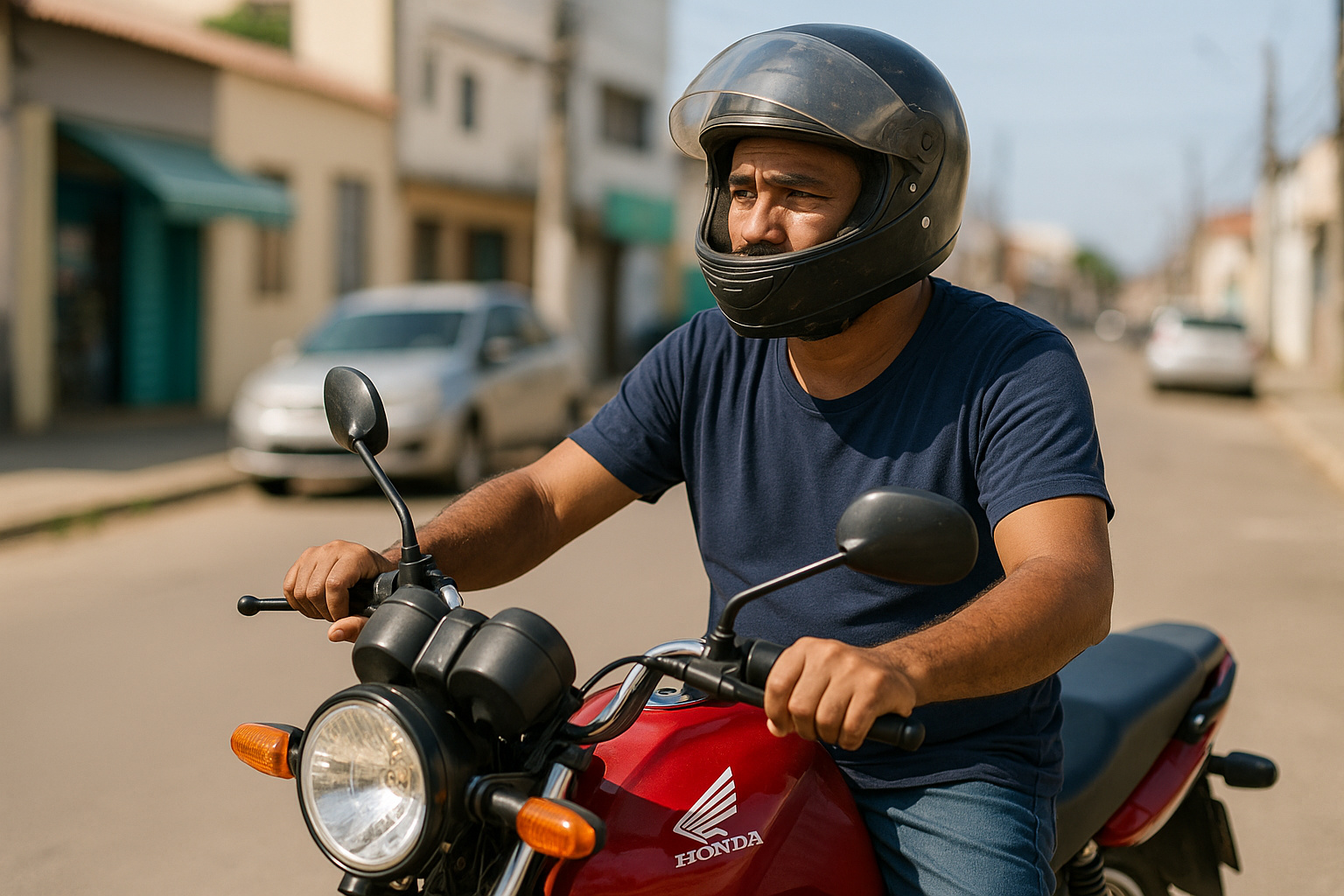
New State Policy of Sergipe Details Criteria, Digital Registration, and Expected Social Impact for Low-Income Motorcyclists
The Government of Sergipe, through the public policy Rode Bem, has begun offering exemption from IPVA for low-income motorcyclists. This measure, created to reach citizens in a situation of economic vulnerability, redefines the relationship between residents and the regularization of small motorcycles in the state.
Legal Criteria for Participation in the Program
The Rode Bem establishes objective requirements, and therefore requires that the candidate reside in Sergipe, have a monthly income of up to two minimum wages, and be the owner of only one national motorcycle with an engine between 50 and 165cc. In addition, the rules do not require proof of professional use, although many participants use the motorcycle as a work tool. These criteria, verified at the time of registration, determine who can apply for the benefit and how the state administration organizes the target audience.
How the Digital Registration Process Works on the Official Portal
The government has defined that registrations, available until December 31, 2025, must occur exclusively on the website rodebem.assistenciasocial.se.gov.br. For this, the motorcyclist needs to create an account or access the system with their CPF, enter personal information, and fill out the specific program form. Then, the candidate must submit digital documents, such as identity, proof of income, residence, and motorcycle documentation. Throughout the process, the system provides clear instructions, facilitating corrections and tracking, which ensures greater transparency.
-
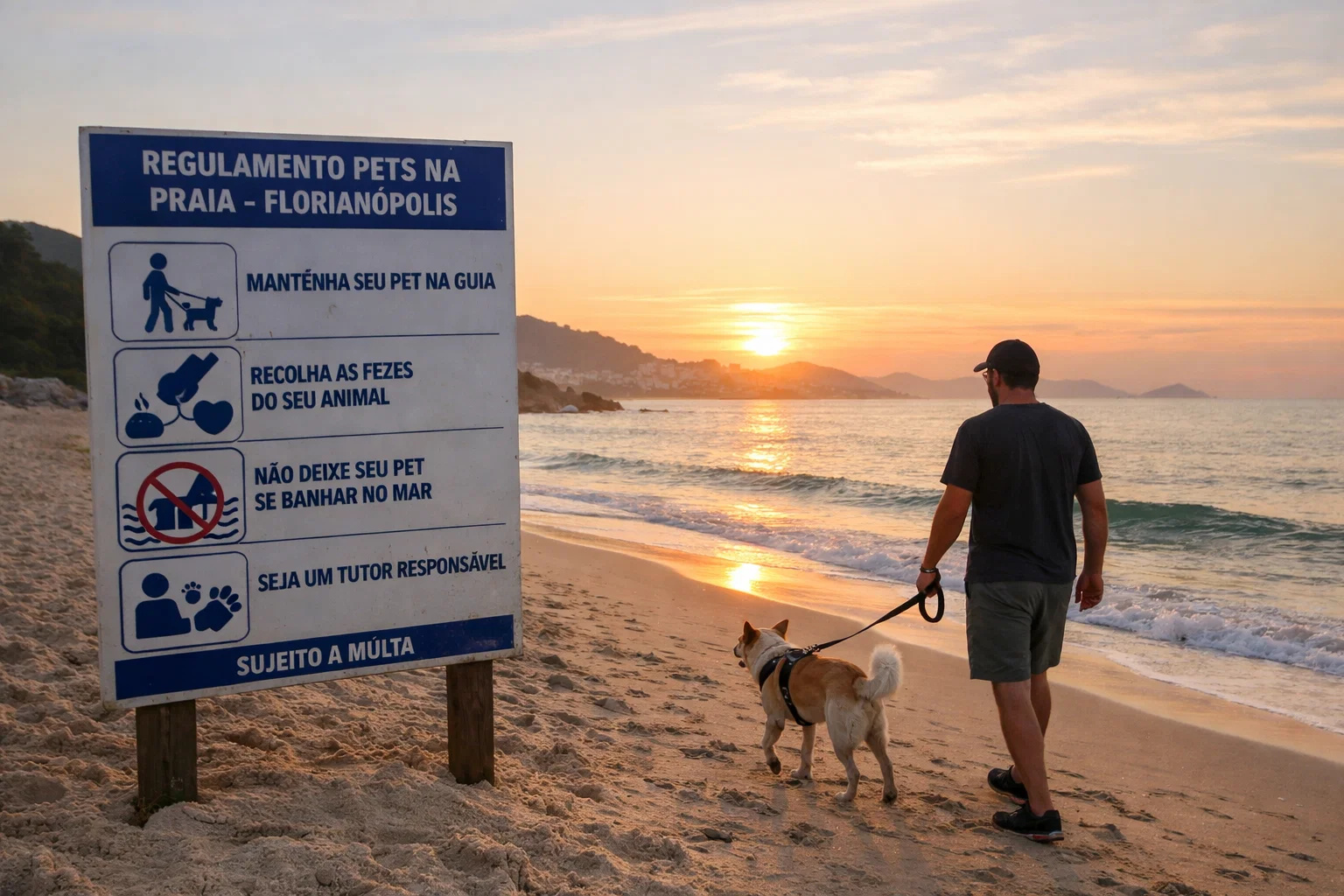
What Changed at Florianópolis Beaches? New Rule Surprises Pet Owners and Restricts Dogs on the Sand at Specific Times
-
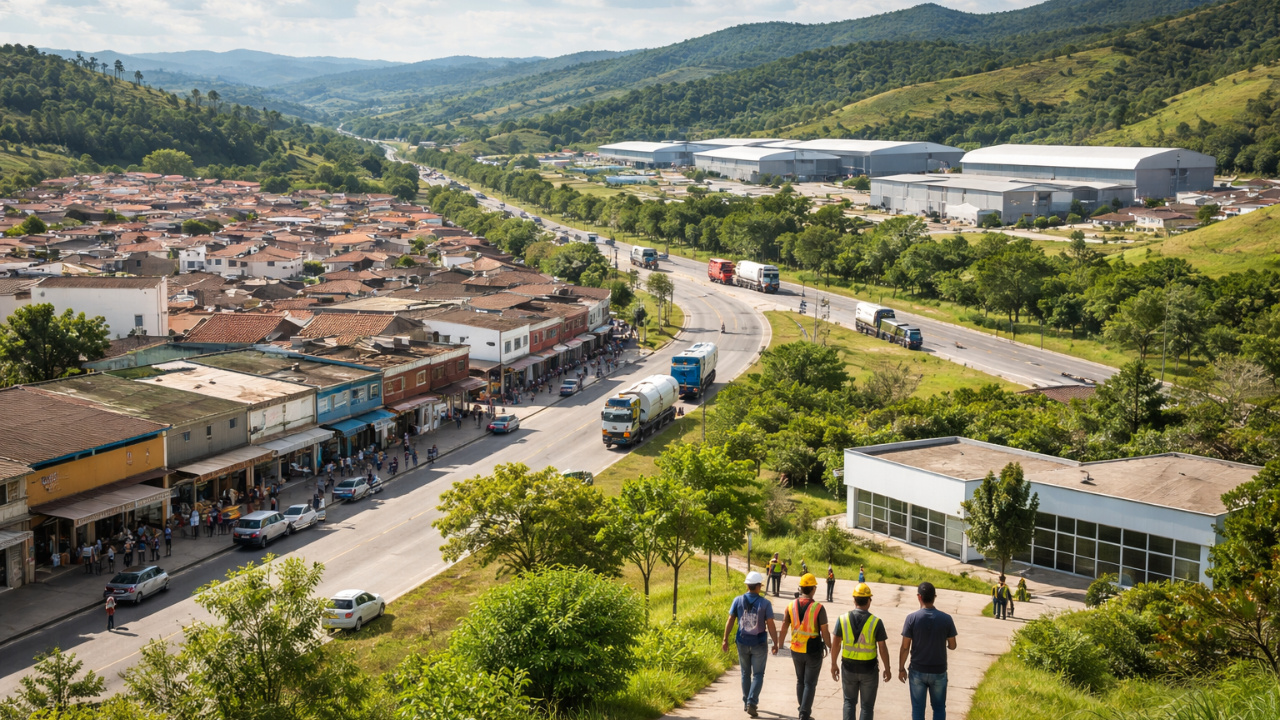
Economic Diversification Accelerates in Itatiaiuçu to Reduce Mining Dependence
-
Extreme Rains: Cold Front, Supercell, and Atmospheric Trough Cause Tragedy in MG

-
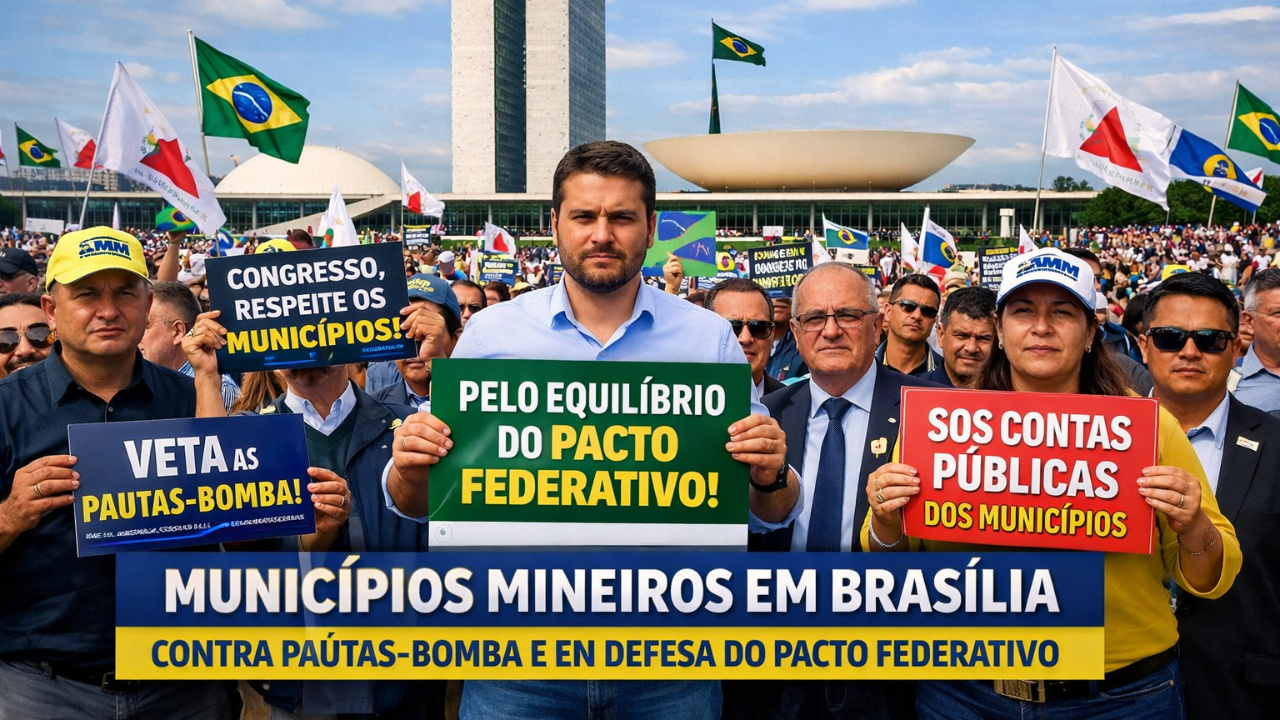
Minas Gerais Municipalities Press Congress Against Bombshell Bills and Warn of Risks to Public Finances
Social Objectives and Benefits Provided by the Government
The program, according to the state government, aims to ease family budgets through exemption from IPVA. Although there is no obligation for professional use, the social proposal especially benefits those who use their motorcycles as their primary means of transport, such as self-employed workers, residents of rural areas, and delivery personnel. The state emphasizes that the measure encourages the regularization of motorcycles, enhances road safety, and may free up resources for essential expenses, although economic projections do not represent documented guarantees.
Rules and Limitations Applied to Granting the Exemption
Just as municipal regulations govern environmental pruning, the Rode Bem defines clear limits to ensure control of the benefit. Therefore, each beneficiary can register only one motorcycle, provided it is national and within the allowed range of cubic centimeters. Additionally, imported motorcycles are not included in the exemption list, reinforcing the policy’s focus on popular vehicles. Consequently, the need to adhere to the criteria prevents distortions and ensures that the benefit remains restricted to families that truly qualify.
Frequently Asked Situations and Common Questions About the Program
The government clarifies that registration is free of charge, as the entire process is digital. Additionally, the exemption only becomes effective in 2026, allowing motorcyclists time to plan. The system also informs that, in case of an error in registration, the portal itself guides the permissible corrections, ensuring transparency and avoiding losses.
Expected Impact and Perception of the Beneficiaries
With the new rule, low-income motorcyclists have come to rely on formal validations, just like property owners subject to environmental regulations. This process, although rigorous, enhances legal security, strengthens social policy, and reinforces the view that the vehicle is part of the essential goods for the daily lives of those who depend on it. In light of this, the program creates a new dynamic between government and citizens, influencing mobility routines and increasing access to regularization. And in this context, the question arises: how will this policy continue to transform the daily lives of Sergipe motorcyclists in the coming years?









-

Uma pessoa reagiu a isso.