





 Portuguese
  English
  Spanish
  3 min of reading
  0 comments


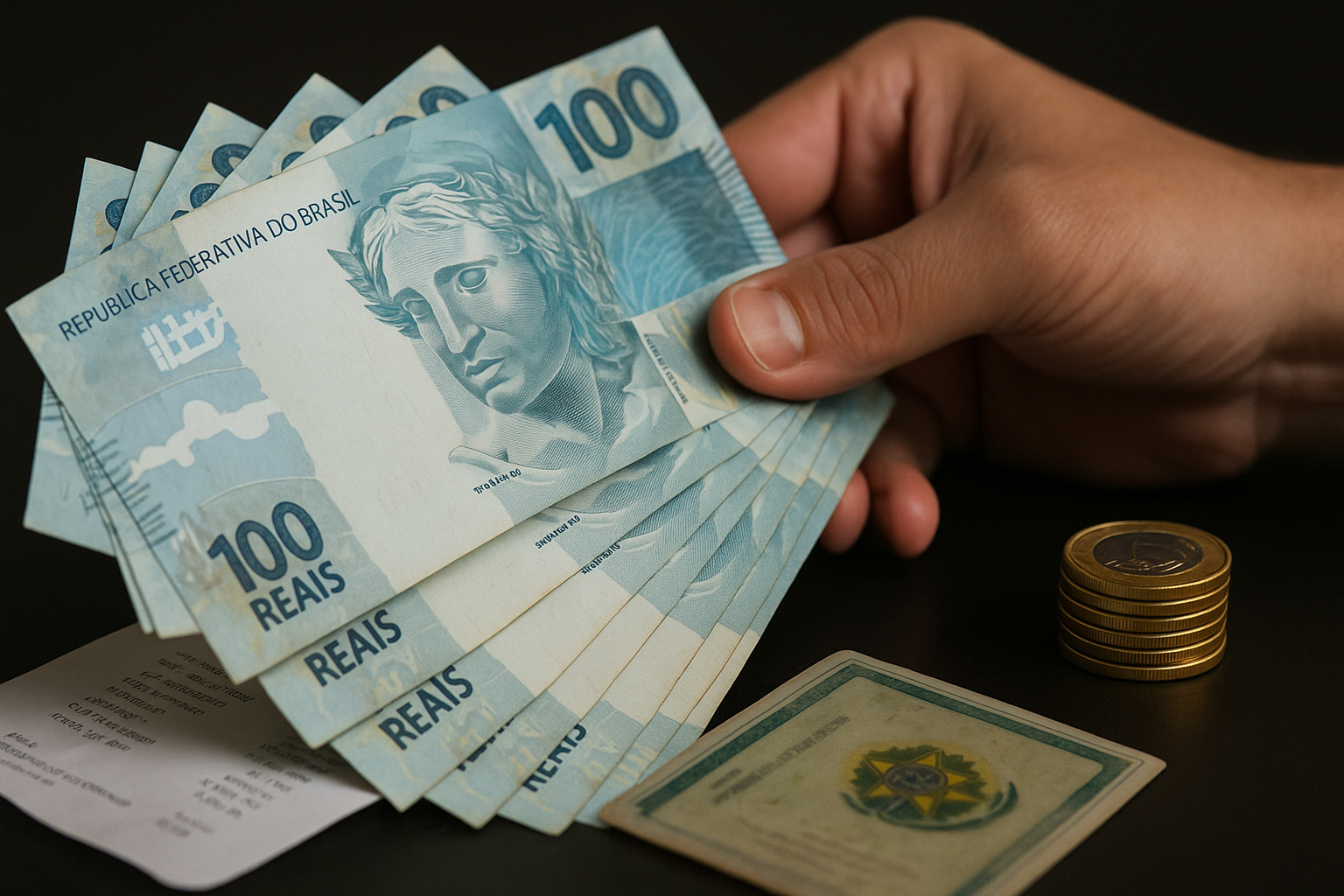
IR Reform Increases Exemption to R$ 5 Thousand and Promises More Money in the 13th Salary. See Who Earns and How Much More They Will Receive.
IR Reform Will Increase Earnings on the 13th Salary and Boost the Economy
The new Income Tax (IR) reform, approved by the Senate on Wednesday night (6), promises a direct impact on the wallets of millions of Brazilians starting in 2026. The measure increases the exemption for those earning up to R$ 5 thousand, which means more money in the 13th salary and a real increase in workers’ annual income.
The change will take effect in January 2026 and is expected to increase monthly earnings by up to R$ 312.89, representing an annual increase of R$ 4,067.57 for those who fall into the new bracket. The decision is part of a package of adjustments that the Federal Government considers essential to stimulate consumption and revive the Brazilian economy.
Those Earning Up to R$ 5 Thousand Will Be Exempt from IR in 2026
Currently, only workers earning up to R$ 3,036, equivalent to two minimum wages, are exempt from the Income Tax. With the new rule, 26.6 million taxpayers will be free from deductions, which corresponds to 65% of all filers in the country.
-
A new Brazilian shopping center worth R$ 400 million will be built in an area equivalent to more than 4 football fields, featuring 90 stores, 5 cinemas, a supermarket, a college, and parking for 1,700 cars, potentially generating 3,000 jobs.

-
Larger than entire cities in Brazil: BYD is building a 4.6 km² complex in Bahia with a capacity for 600,000 vehicles per year, but the discovery of 163 workers in conditions analogous to slavery has shaken the entire project.

-
With an investment of R$ 612 million, a capacity to process 1.2 million liters of milk per day, Piracanjuba inaugurates a mega cheese factory that increases national production, reduces dependence on imports, and repositions Brazil on the global dairy map.

-
Brazilian city gains industrial hub for 85 companies that is equivalent to 55 football fields.


According to the Government, the measure seeks to correct accumulated distortions over the years, as the IR table was outdated due to inflation. Thus, the goal is to increase purchasing power and ensure that those earning less are directly benefited.
The 13th Salary Will Be the Main Beneficiary of the New Exemption Bracket
The 13th salary, the traditional bonus paid at the end of the year, is one of the major highlights of the reform. This is because it is only subject to INSS and IR deductions, unlike the monthly salary, which still includes deductions such as food allowance, transportation, and health insurance.
With the exemption, the worker will have more net money in their year-end payment, which can boost consumption and drive commerce. According to calculations presented, someone earning R$ 5 thousand, for example, could receive over R$ 4 thousand more per year with the new table.
Billion-Dollar Impact and Compensations Proposed by the Government
The expansion of the exemption bracket will have an estimated fiscal impact of R$ 25.6 billion on public accounts. To balance this reduction in revenue, the Government proposed a progressive rate of 10% on income above R$ 50 thousand monthly.
This taxation is expected to affect approximately 141 thousand high-income taxpayers, in an effort to ensure fiscal justice and balanced redistribution. The strategy is to preserve economic balance without harming investments and the public budget.
First Effects Will Only Be Felt After January 2026
Despite the Senate’s approval, the practical effects of the reform will only take effect in 2026. This means that this year’s 13th salary will still be taxed normally, maintaining the current deductions of Income Tax for those exceeding the limit of R$ 3,036.
The expectation of the Government and the Ministry of Economy is that the change strengthens workers’ confidence, increases the disposable income of families, and stimulates the sustainable economic growth of Brazil in the coming years.
Estimated Earnings with the New IR Table
Below, see a simulation of the monthly and annual earnings that the new IR exemption bracket is expected to provide:
| Monthly Income (R$) | Monthly Gain (R$) | Annual Gain (R$) |
|---|---|---|
| 3,400 | 27.30 | 354.89 |
| 4,000 | 114.76 | 1,491.89 |
| 4,600 | 222.89 | 2,897.57 |
| 5,000 | 312.89 | 4,067.57 |
| 6,000 | 179.75 | 2,336.75 |
| 7,000 | 46.60 | 605.86 |
A Change Long Awaited
The expansion of the IR exemption was, therefore, one of the most anticipated promises by workers. Additionally, it represents a significant financial relief and signals, at the same time, a Government attempt to correct historical inequalities in the national tax system.
Thus, with the new table, Brazil takes an important step towards a fairer and more balanced fiscal policy. At the same time, the measure strengthens domestic consumption, as it stimulates the economy by increasing the purchasing power of the population and generates positive long-term effects on the market and revenue.









Seja o primeiro a reagir!