





 Portuguese
  English
  Spanish
  4 min of reading
  0 comments


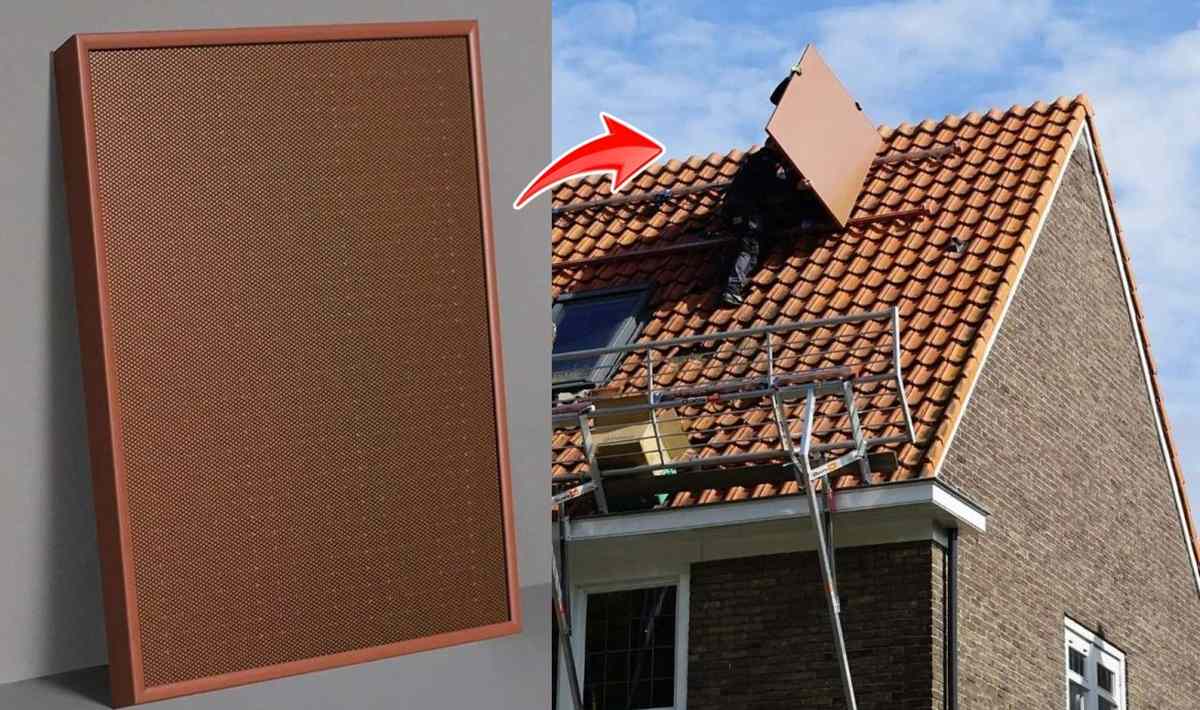
Solar Panel With Terracotta Finishing Promises To Bring Clean Energy To Historical Buildings Without Compromising The Visuals Of Traditional Roofs.
In the midst of the advance of renewable energies, one of the great challenges has always been the appearance of solar panels. Now, a Dutch company has presented an innovative solution.
Solarix has launched a 355 W photovoltaic panel with a terracotta finish, designed to blend with traditional roofs and preserve the visual identity of historical buildings.
The new module may be the missing link for solar energy to conquer protected urban centers and ancient buildings.
-
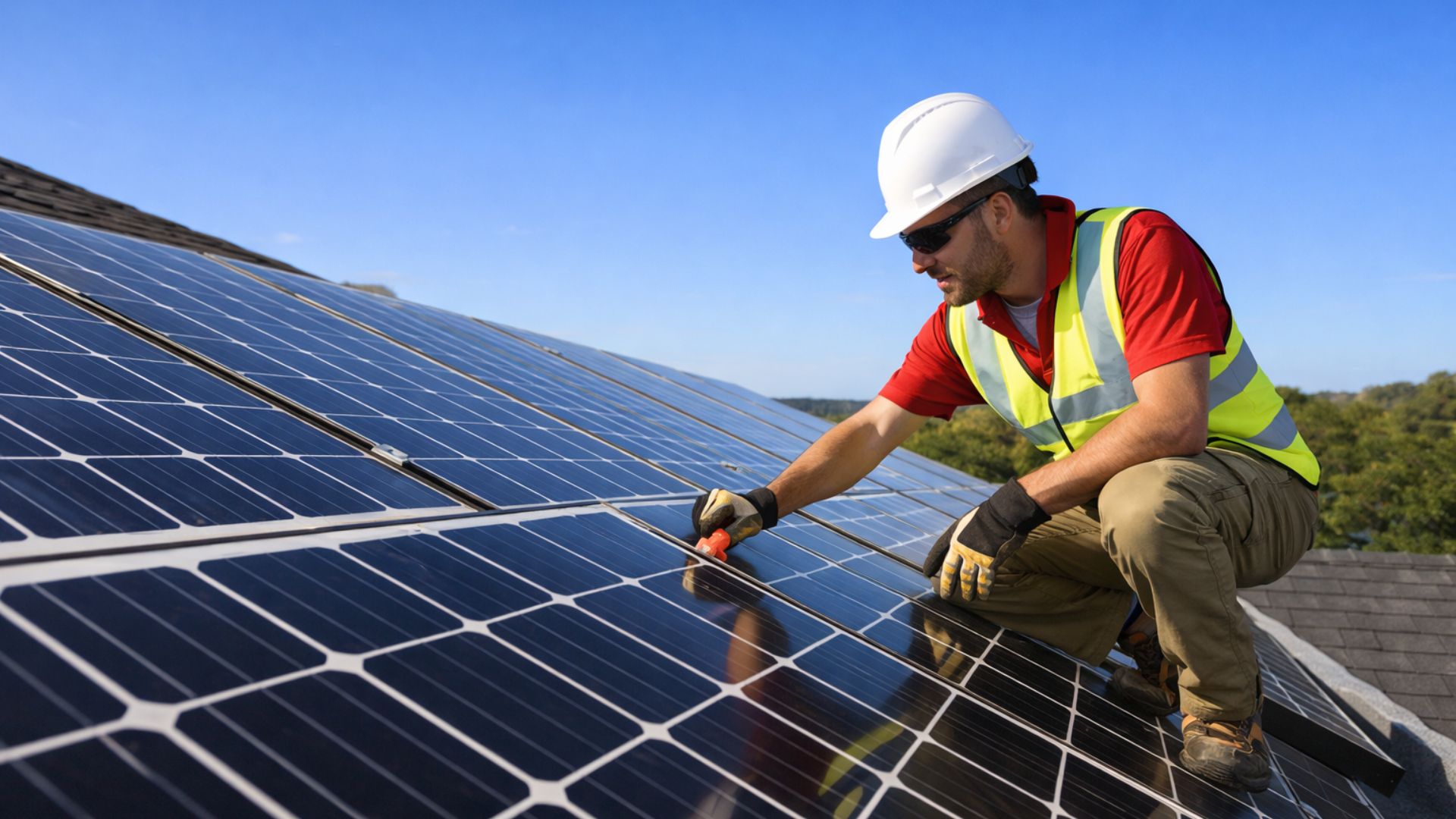
Seagri’s headquarters invests in solar energy with Neoenergia Coelba and promises to cut electricity costs, highlighting a strategic advance in sustainability and energy efficiency within state public administration.
-
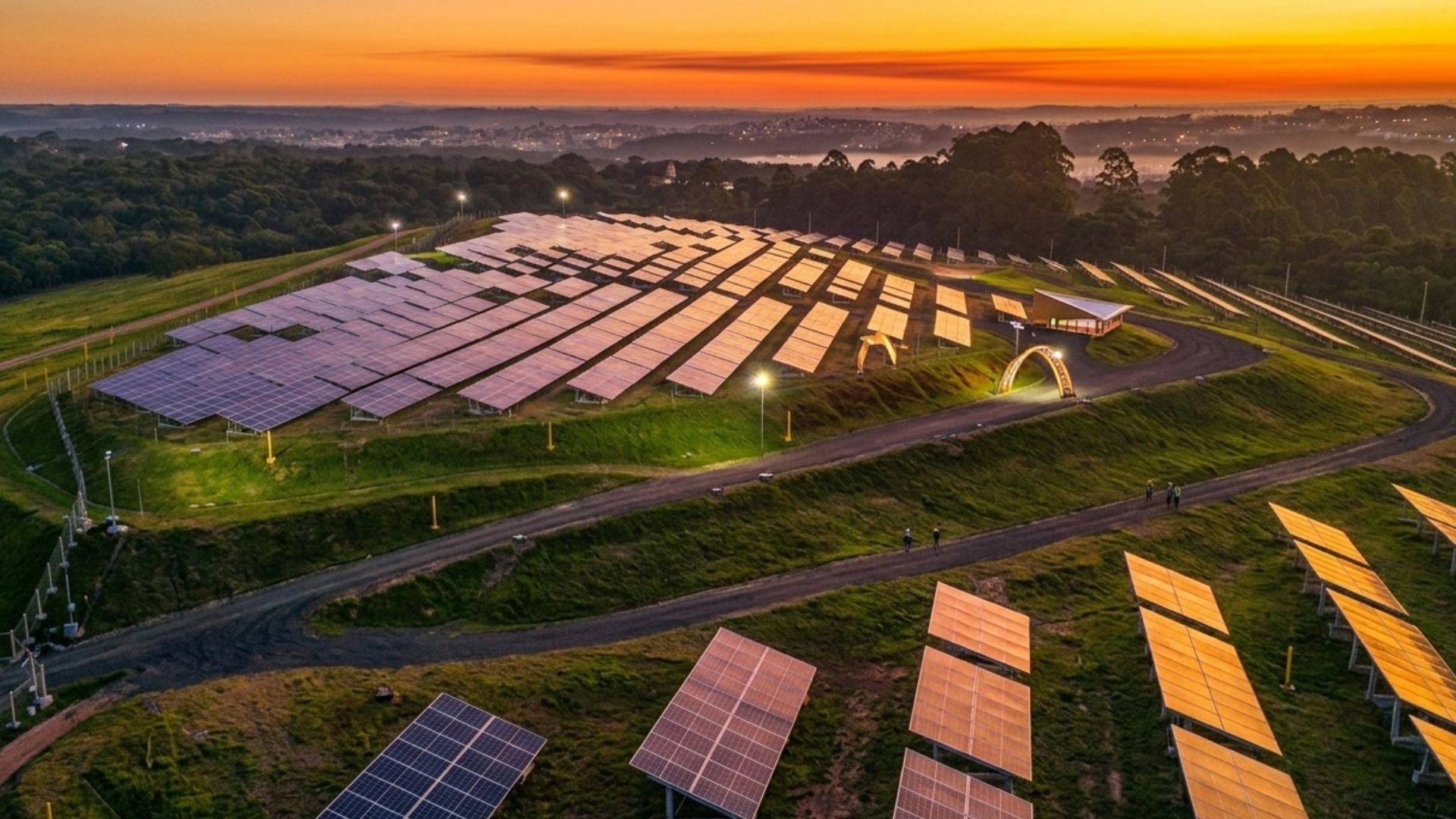
Solar Pyramid draws attention by converting solar energy into million-dollar savings and repositioning the City Hall of Curitiba as an example of innovation, sustainability, and intelligent use of public resources.
-
Europe records strong euro economy with solar energy in March and sparks curiosity about which country leads growth that redefines the energy market and reduces costs.

-
Piauí reaches a historic milestone in energy transition: State records nearly 160,000 households powered by solar energy and leads growth in the Northeast.
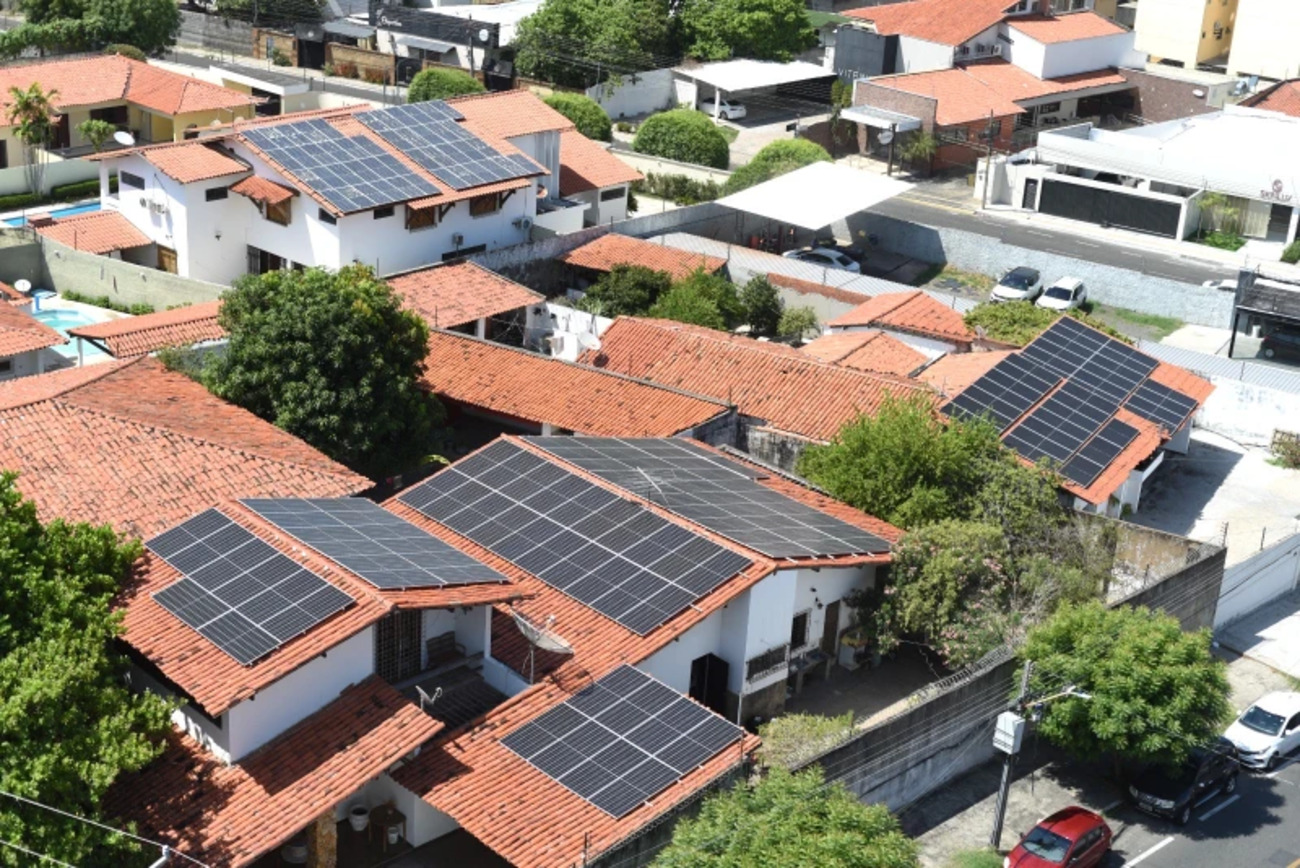

Solar Energy Without Compromising The Visuals
Aesthetics is no longer an obstacle. The new panel from Solarix aims to solve the deadlock between technology and appearance.
Its biggest differentiator is the terracotta color, which closely mimics the appearance of traditional clay tiles commonly found on old roofs.
As a result, the modules integrate easily into historical buildings, protected areas, and even modern projects that prioritize a traditional look.
This innovation meets a real demand. Many listed buildings or those located in architecturally controlled regions do not allow the installation of conventional panels, which clash with the original style. Solarix’s new product paves the way for new possibilities in these contexts.
Cutting-Edge Technology With Classic Touch
Despite the focus on aesthetics, the panel has not sacrificed efficiency. The technology used is high-performance monocrystalline.
The solar cells are of type N, doped with phosphorus, and provide excellent response even in low sunlight environments, such as cloudy days or locations that are less favorably oriented to the sun.
The 355 W power per module, combined with an operating voltage of up to 1,000 V, ensures good performance in residential and commercial projects.
Additionally, the panels maintain their durability even in adverse conditions. Encapsulated in 3.2 mm tempered glass on both sides, they withstand extreme temperatures from -40 ºC to 85 ºC.
Their IP67 and IP68 certifications ensure protection against dust and water resistance, even in cases of temporary immersion.
Previous Experience With Solar Facades
Even before the launch of the new roof panels, Solarix was already active in the integrated solar energy segment for buildings.
A significant project was the renovation of De Kikker school, where 1,444 m² of colored solar panels were installed on the facades.
The modules, in shades of green and yellow, respected the visual project of the building and can generate up to 67,000 kWh per year.
This type of application is a practical example of the BIPV concept (short for Building-Integrated Photovoltaics), which promotes the architectural integration of solar panels in constructions.
The approach has been gaining ground in urban areas of Europe, where historical centers and protected neighborhoods present an additional challenge for the expansion of renewable energies.
A Real Alternative For Urban Centers
The proposal from Solarix is not just an aesthetic whim. It represents an important advance for the viability of solar energy in ancient cities or in areas with heritage protection.
These locations, previously excluded from solar generation due to visual limitations, now have a functional and visually integrated option.
The potential for use extends beyond old buildings. New constructions also benefit from the solution, especially those with architectural designs that value classic styles.
This way, the adoption of the panels no longer depends on compromises between appearance and sustainability.
Furthermore, societal acceptance of solar energy may increase. Many groups that previously resisted the installation of modules for visual reasons now see value in the proposal.
Governments and municipalities can also include terracotta panels in energy renewal programs, within the parameters of the European Energy Efficiency Directive in Buildings.
The terracotta solar panel launched by Solarix represents more than a technological advancement. It allows for the installation of clean energy without interfering with the visual identity of historical buildings, churches, museums, schools, and even traditional houses.
The innovation is a direct response to an age-old dilemma: how to make the energy transition without erasing the history of cities.
The answer now seems to be within reach. With this new solution, urban sustainability gains an aesthetic ally.
The city of the future can finally resemble the city of the past — but with clean energy from the sun.









Seja o primeiro a reagir!