





 Portuguese
  English
  Spanish
  4 min of reading
  0 comments


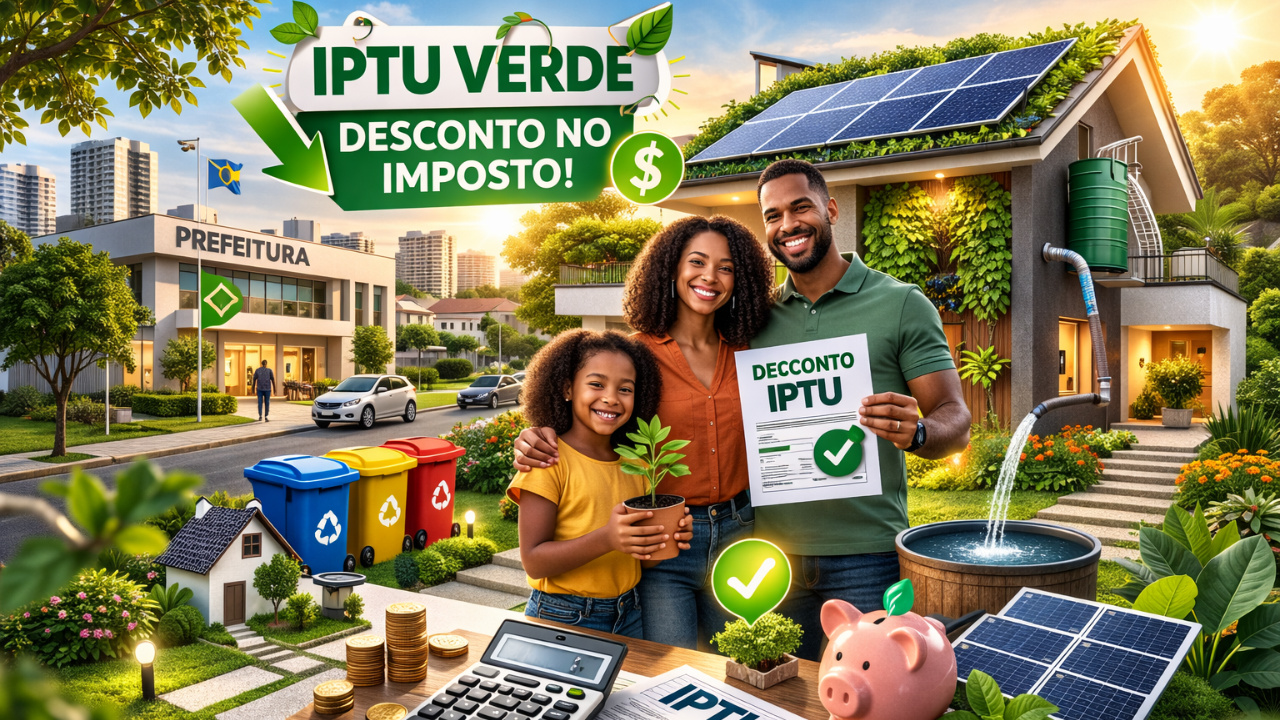
The Green IPTU Allows for a Reduction in the Tax Value for Properties That Adopt Sustainable Practices, Such as Solar Energy and Preservation of Green Areas, but the Rules Vary Depending on the City.
The payment of the IPTU weighs on the budget of millions of Brazilians every year. Nevertheless, a public policy has been gaining traction in various cities. This is the Green IPTU, a mechanism that can reduce the tax value of properties that adopt sustainable practices.
Thus, the topic has caught the attention of both property owners and public managers, as it mixes household economy with environmental preservation.
While some see the benefit as progress, others point out fiscal limits. Nevertheless, the search for discounts is growing.
-
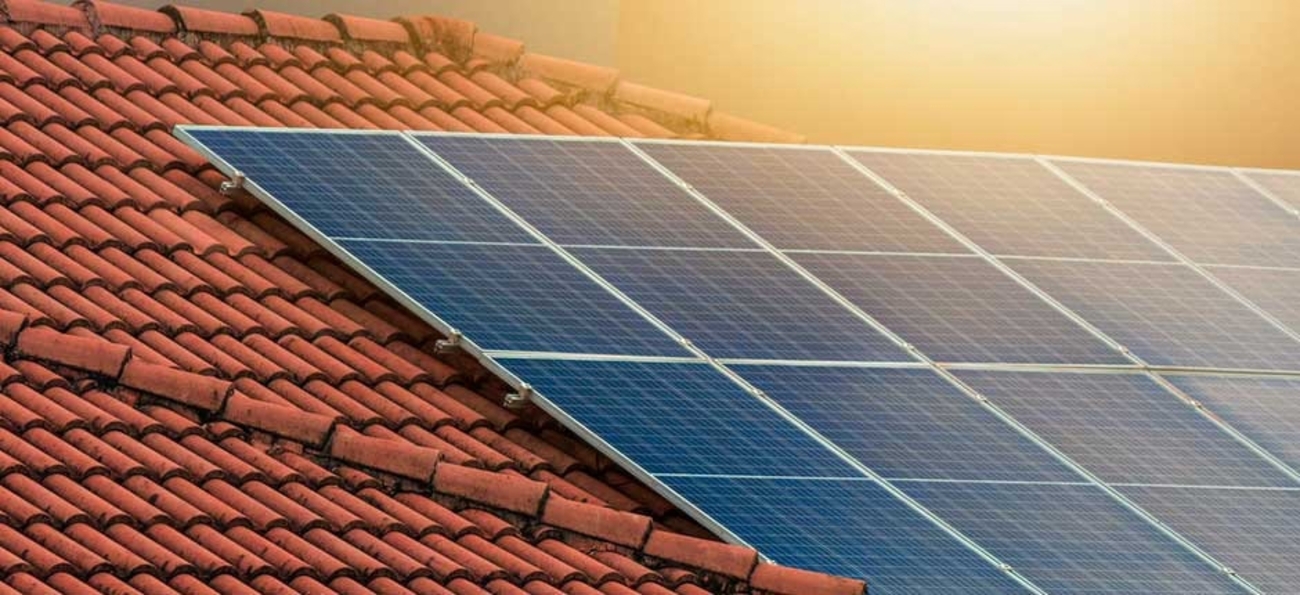
Roraima bets on the sun to escape high tariffs: Amid the energy crisis and price hikes, solar energy is growing in Roraima and transforming consumption in the North region.
-
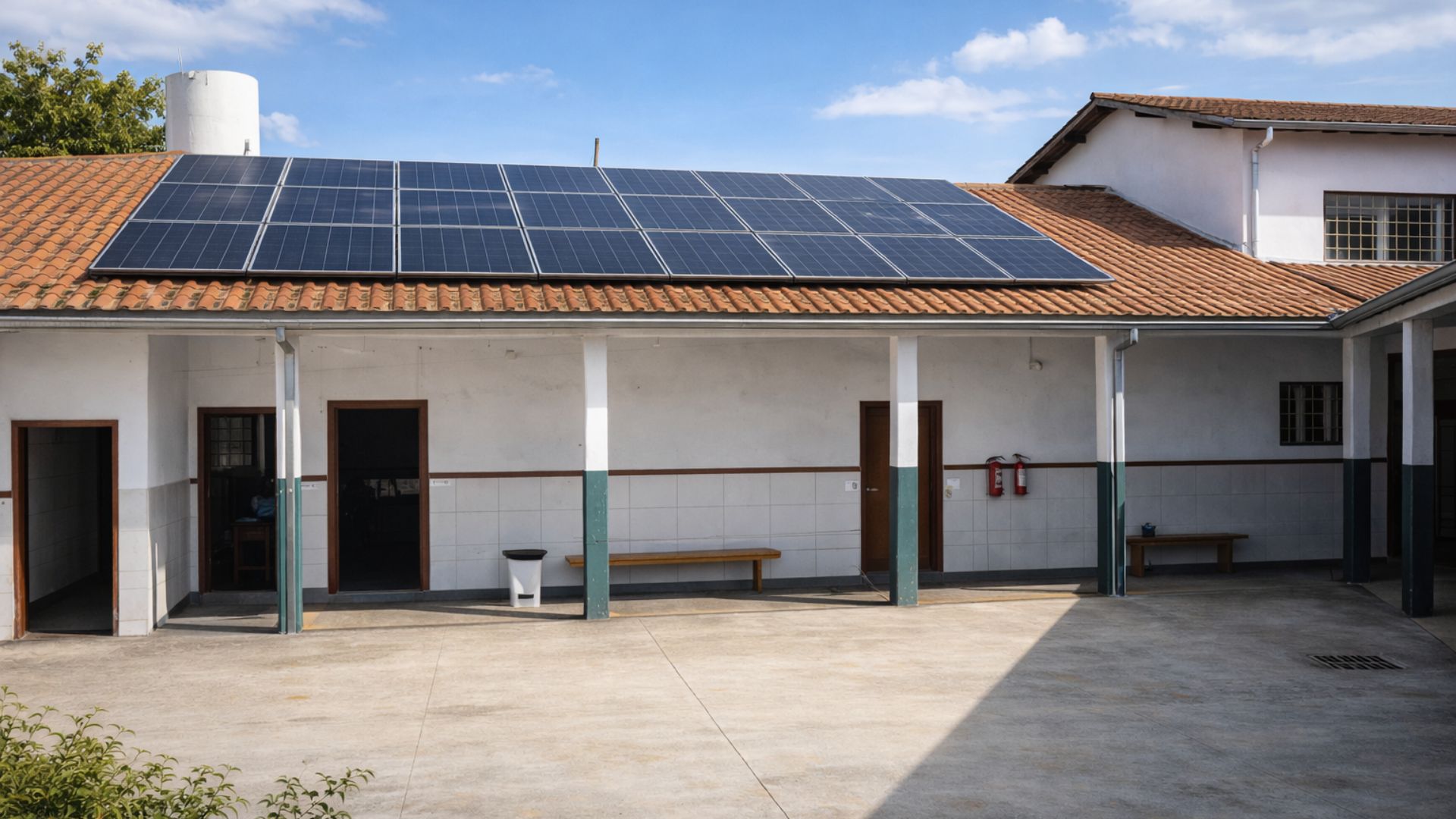
Copel boosts solar energy in Paraná and brings innovation to public schools, promoting savings on electricity bills, energy efficiency, and a direct impact on the quality of education.
-
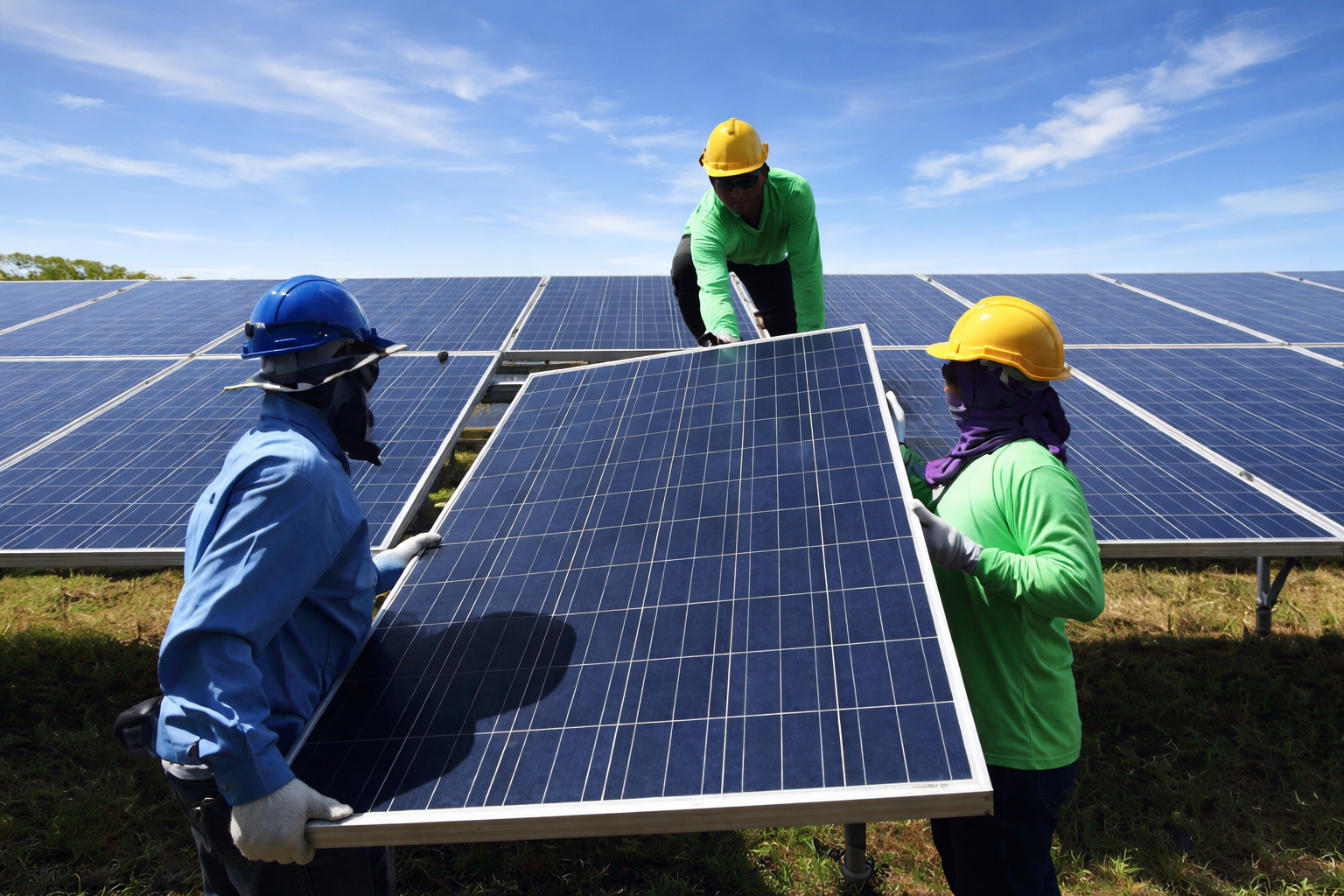
Brazil reaches historic milestone in solar energy: Sector surpasses 2 million accumulated green jobs and generates billions in the national economy even under market pressure.
-
Minas Gerais takes the lead in renewable energy: State surpasses historic mark of 14 GW in solar energy generation in MG and consolidates dominance in the Brazilian electric sector.
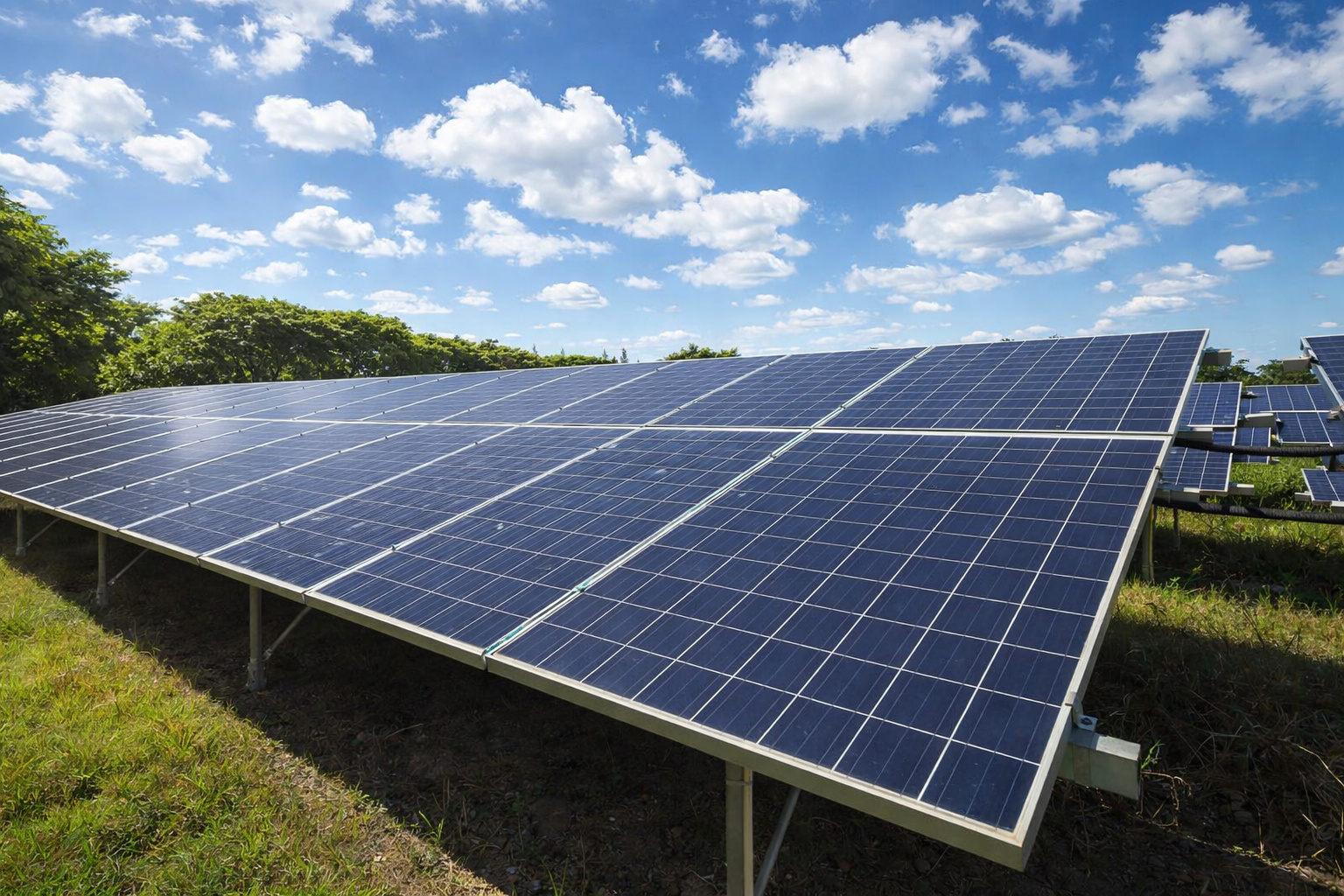

How the Green IPTU Works in Practice
The Green IPTU is a tax incentive created by some municipalities. It grants a discount or partial exemption for properties that demonstrate environmentally related actions. This includes, for example, the use of solar energy, rainwater reuse, or tree preservation.

“The goal is to encourage the conservation of green areas, the protection of natural resources, and the adoption of environmentally responsible measures, using the tax system as an instrument of environmental public policy,” describes João Vitor Kanufre Xavier, a partner at Galvão Villani, Navarro, Zangiácomo and Bardella Advogados.
However, each city hall defines its own rules. Thus, the percentage of discounts can vary significantly from one city to another.
How Much Can Be Saved
In some cases, the reduction is small. In others, it reaches high values.
“In São Paulo, for example, there can be a discount of up to 50% of the IPTU for vacant land located in a Protection Area for Water Resources, or for properties covered by tree vegetation declared as permanent or perpetual preservation,” states the lawyer.
In addition, the profile of the property also counts. “The tax incentive considers not only the value, location, and purpose of the property but also the commitment to environmental responsibility in the respective locality,” says Claudia Abrosio from Ayres Westin Advogados.
Limits Imposed by City Halls
Despite the benefits, not everyone can participate. Mayors and councilors can limit the number of properties covered. This occurs due to the impact on the municipal budget.
“The policy depends on the economic capacity of the municipality in terms of bearing in its budget the losses in revenue resulting from the discounts granted,” states Denise Fabretti from ESPM.
Therefore, even sustainable properties may be left out.
How to Request the Green IPTU
Not all cities offer the program. “It is an optional instrument implemented by city halls that seek to encourage environmental practices. This measure is becoming an increasingly common practice,” explains Claudia.
The request can be made on the city hall’s website or in person. Normally, the taxpayer needs to present documents, photos, technical reports, and invoices.
The deadline also varies. Some cities accept requests at the beginning of the year. Others only in the second semester.
If the property no longer complies with the rules, the discount may be canceled.
Which Practices Are Accepted
Among the actions that earn points are:
– Use of solar energy
– Rainwater harvesting
– Green roof
– Tree preservation
– Environmental protection area
– Waste management
– Permeable soil
“If one of the conditions is water reuse, it is necessary to present a technical report, proof of system installation, its operation, and invoices that demonstrate the adequacy of the property to this legal requirement,” explains Denise.
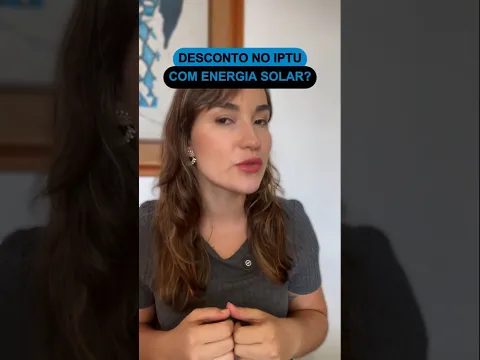

In São Paulo, protected trees are included. In Curitiba, even mature pine trees can secure a discount.
For old properties, the adaptations tend to be simpler. New ones must meet greater requirements.
Besides the Green IPTU, these practices also reduce water and energy bills and can increase the property’s value in the market.








Seja o primeiro a reagir!