





 Portuguese
  English
  Spanish
  4 min of reading
  16 comments


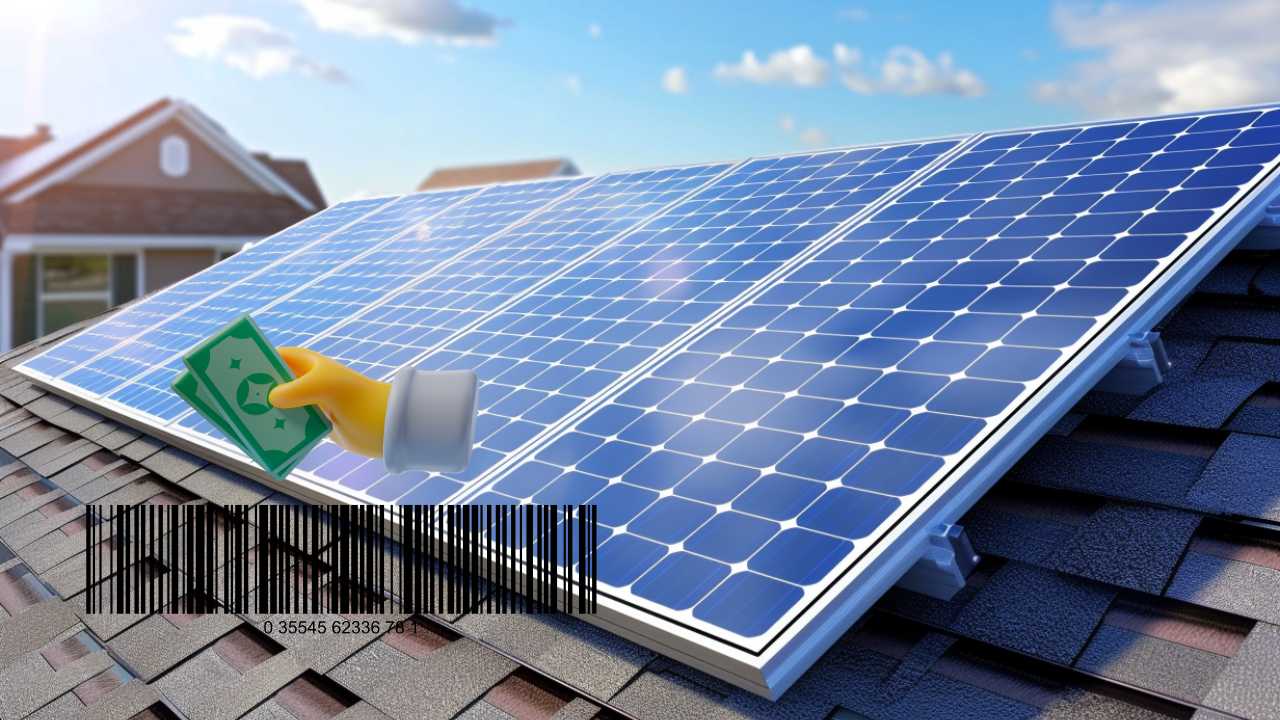


After the installation of photovoltaic systems, consumers face fines for excess reactive energy, highlighting the need for load studies and technical adjustments to avoid imbalances in energy supply and ensure the efficiency and savings promised by solar energy.
If you have solar energy at home or in your business, pay attention! Installing the solar system can unintentionally incur fines for something called “reactive energy.” This issue is of interest mainly to those who use large amounts of solar energy, such as industries or large businesses, but it is good for everyone to know to avoid surprises.
Reactive energy is necessary for equipment like motors to function well. If it is too much, the utility company may impose fines. The solar system provides active and reactive energy equal to the entire load; the problem is that some inverters do not provide the minimum power factor required by ANEEL. To avoid this problem and facing fines, one can adjust the frequency inverter to supply the minimum required factor, have the solar system generate reactive energy as well, or use additional equipment, such as b
Fines for Reactive Energy Mainly Affect Businesses or Locations with High Energy Consumption


To better understand, this issue of fines for reactive energy mainly affects businesses or locations with high energy consumption, such as industries or large commercial buildings that adopt solar energy. For the average user, in small homes or smaller installations, this is generally not a concern, as the impact of reactive energy is less and rarely results in fines.
-
Renewable energy advances over protected areas in Brazil, and a survey by the Energy Transition Observatory reveals silent impacts that challenge environmental conservation and pressure sensitive traditional territories.

-
Rio Grande do Sul accelerates energy transition: State invests in renewable technologies and consolidates decarbonization strategies and pathways to attract billions in new industrial investments.

-
With 160,000 m² of collectors, an area larger than 20 football fields, Silkeborg, in Denmark, hosts a solar thermal plant that heats 19,500 homes and could become the largest solar heating plant in the world.

-
A study reveals the expansion of renewable energy procurement in Brazil and shows how companies are taking advantage of opportunities to reduce expenses, ensure energy efficiency, and strengthen strategic environmental commitments.


Small consumers, average users are classified as CLASS B consumers, and regardless of the reactive energy generated, they cannot be fined. If this occurs, the consumer can report the local distributor to ANEEL!!!
According to ANEEL NORMATIVE RESOLUTION No. 1,000, OF DECEMBER 7, 2021(*)
Section VIII
On the Power Factor and Excess Reactive Energy
Art. 302. The reference power factor “fR”, whether inductive or capacitive, has a minimum allowed limit of 0.92 for consumer units in group A.
Art. 303. The distributor cannot charge the consumer unit in group B, which does not have a reference power factor, for the consumption of excess reactive electricity.
To avoid fines and ensure that solar energy is efficient, it’s crucial to properly plan the system. This includes checking whether the solar inverter has the minimum required power factor (0.92) and whether it can adjust the amount of reactive energy supplied, which can balance consumption and avoid extra costs.
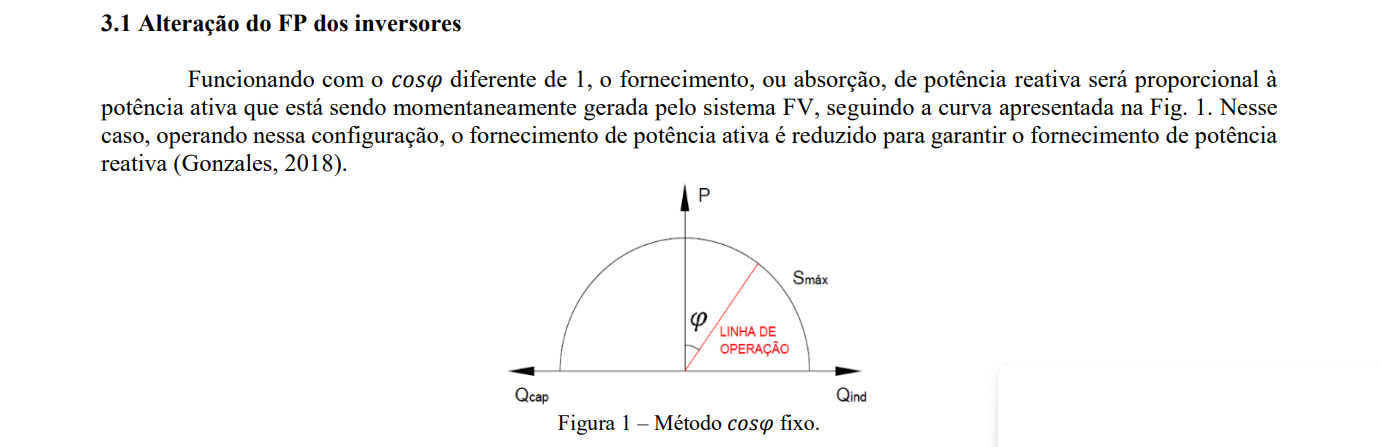
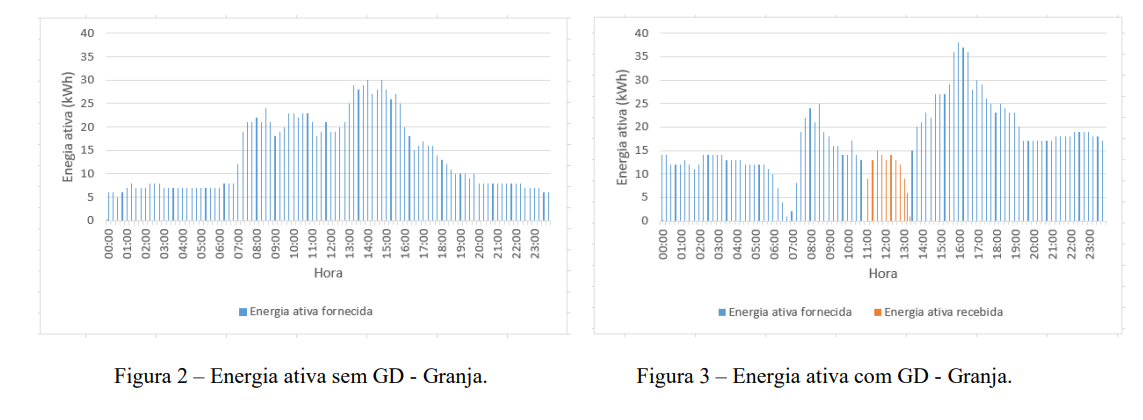
However, adjusting reactive power in the inverter may decrease the active power generated. According to a technical article presented at the VIII National Solar Energy Congress.
If you are a business owner or manager of a large installation that uses solar energy, it is important to talk to a specialist to assess your system and make the necessary adjustments. This way, you maximize the benefits of solar energy, avoid fines, and ensure that the investment in solar energy is economical and sustainable in the long term.
Capacitor Banks
In addition to adjusting the inverter, another solution is to install capacitor banks. These devices help control and balance reactive energy, preventing it from exceeding the limit and causing fines. This is especially useful for large installations that have a constant demand for reactive energy.
What is important is that when planning or reviewing a solar energy system with powers exceeding 75 kWp, classified as class A consumers, reactive energy should be considered from the beginning. This will ensure that the system is efficient and does not bring financial surprises in the future. In short, it is not enough to simply install solar panels; it is necessary to understand and manage how they interact with the total electric grid, including the reactive energy component.
For those in the solar energy sector, whether as a supplier, installer, or end user, it is essential to be aware of these technical aspects. This way, you ensure an efficient and economical operation of the solar system, avoiding regulatory problems and maximizing the return on investment in clean and renewable energy.
Contact a Specialist in the Area
Interested in discovering the potential of solar energy for your project or business? Meet Bruno Lowczy, a specialist with 10 years of experience in the renewable energy sector. A graduate in Computer Engineering and a technician in Electrotechnics for 8 years, in addition to being specialized in Renewable Energies for the last 4 years, Bruno is ready to help you explore the innovations and benefits of solar energy. For consulting and partnerships, connect with him on LinkedIn, send an email to blowczy@gmail.com, or message via WhatsApp at (11) 97656-1952










Informações muito importante para pessoas lega e até mesmo para gente da área, a onde o saber e ter conhecimento é fundamental.Legal.
Grupo A não é acima de 75k de inversor, ou é mesmo 75kwp de placas?
Acima de 75kW de inversor
Sempre tive esta dúvida: ss a evergia gerada não seria interpretada como reativa.