





 Portuguese
  English
  Spanish
  3 min of reading
  0 comments


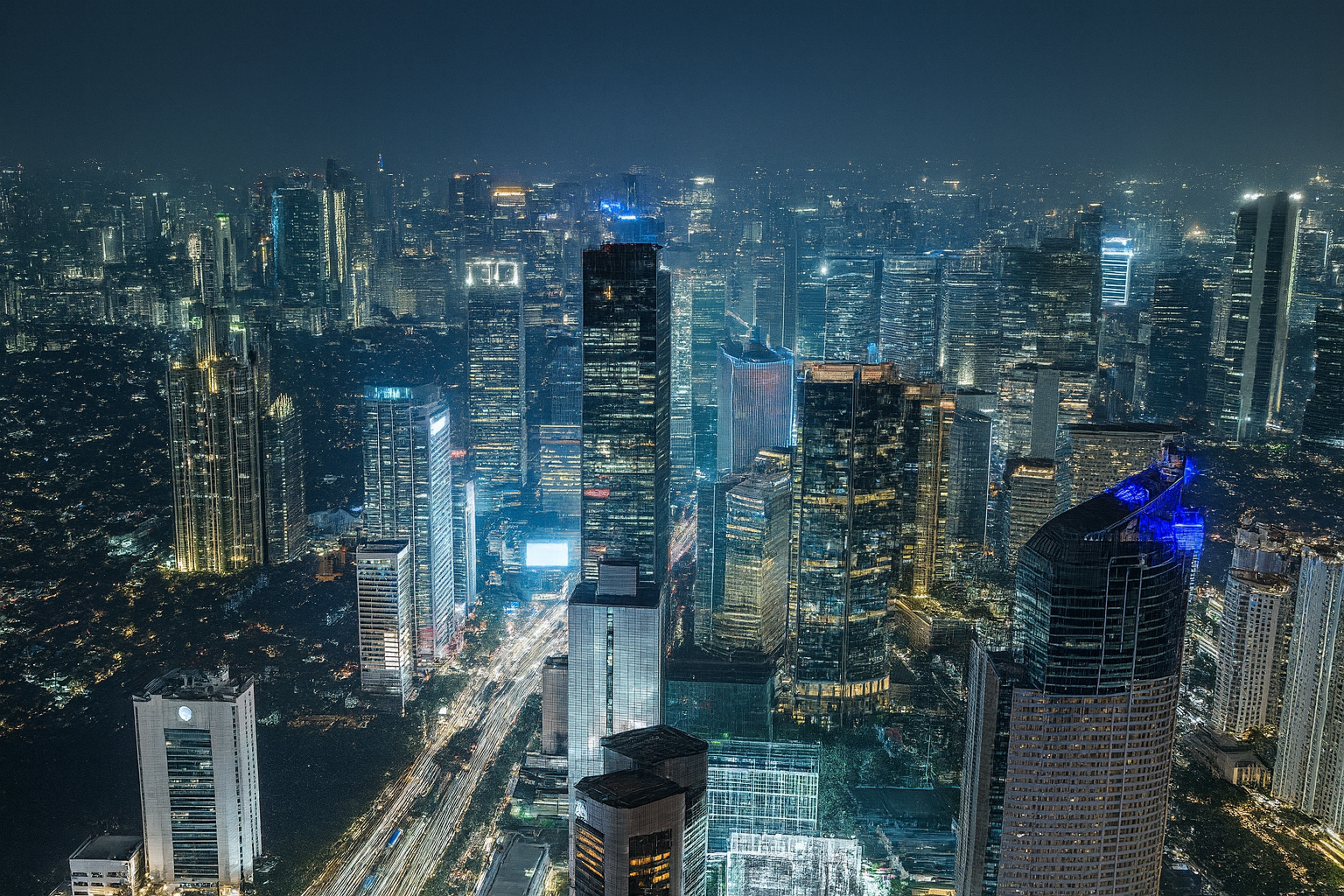
Study Highlights Change at The Top and Reveals New Trends in Global Urbanization
Jakarta, the capital of Indonesia, has become the largest metropolis on the planet, according to a report by the UN, reshaping the global urban map. As a result, the city’s rise redefines population projections and reinforces the continuous advancement of urbanization on a global scale.
Jakarta Surpasses Tokyo and Leads the Global Ranking
Jakarta, with almost 42 million inhabitants, emerges as the most populous city in the world, thus dethroning the position previously held by Tokyo, which recorded 33 million. Dhaka, the capital of Bangladesh, follows closely with almost 40 million inhabitants, thereby reinforcing the Asian predominance at the top. Tokyo, considered the largest city in 2000, lost its leadership due to slower population growth in recent decades, thus being surpassed by other Asian megacities.
Expansion of Megacities According to the UN
According to the report, the number of megacities (urban areas with at least 10 million inhabitants) has quadrupled since 1975, rising from eight to 33. Additionally, 19 of these megacities are located in Asia, which emphasizes the concentration of population on the continent. Among the ten largest cities, Cairo, in Egypt, is the only one not located in Asia, demonstrating the Asian demographic predominance.
-
If the USA were to go to war with Brazil, Washington’s greatest fear would not be the attack itself, but facing a vast territory, prolonged resistance, and a costly, chaotic, and unpredictable occupation.

-
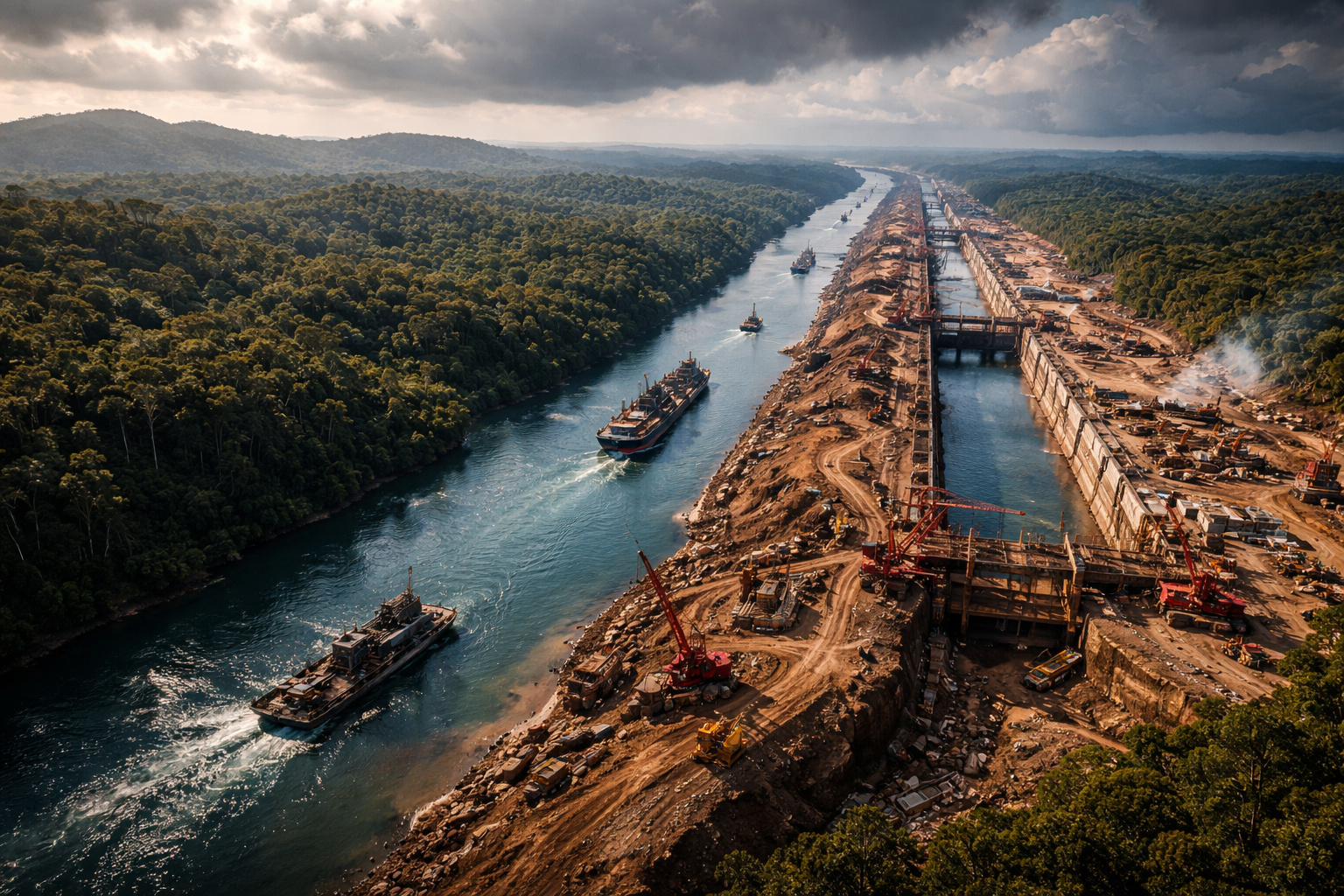
In 2013, Nicaragua sold the concession for a canal to rival Panama to a Chinese billionaire who lost 85% of his fortune, disappeared, and was declared bankrupt. Now the project resurfaces with a new route, a new Chinese partner, and a cost of $64.5 billion.
-
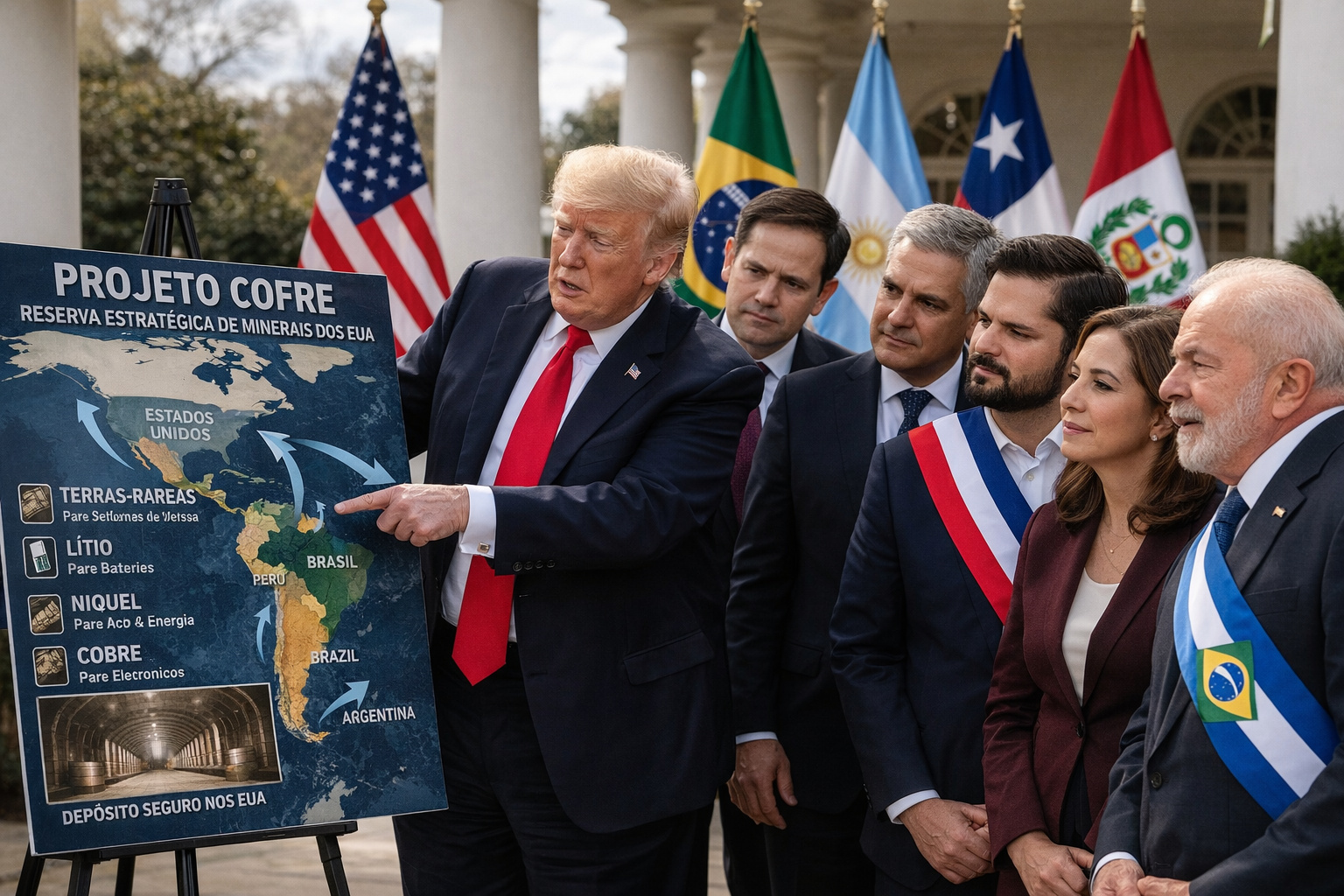
The USA announces a mysterious billion-dollar vault project to store critical minerals, but what intrigues experts is not just the plan itself, but why Latin America, including Brazil, has entered the center of this global dispute against China.
-
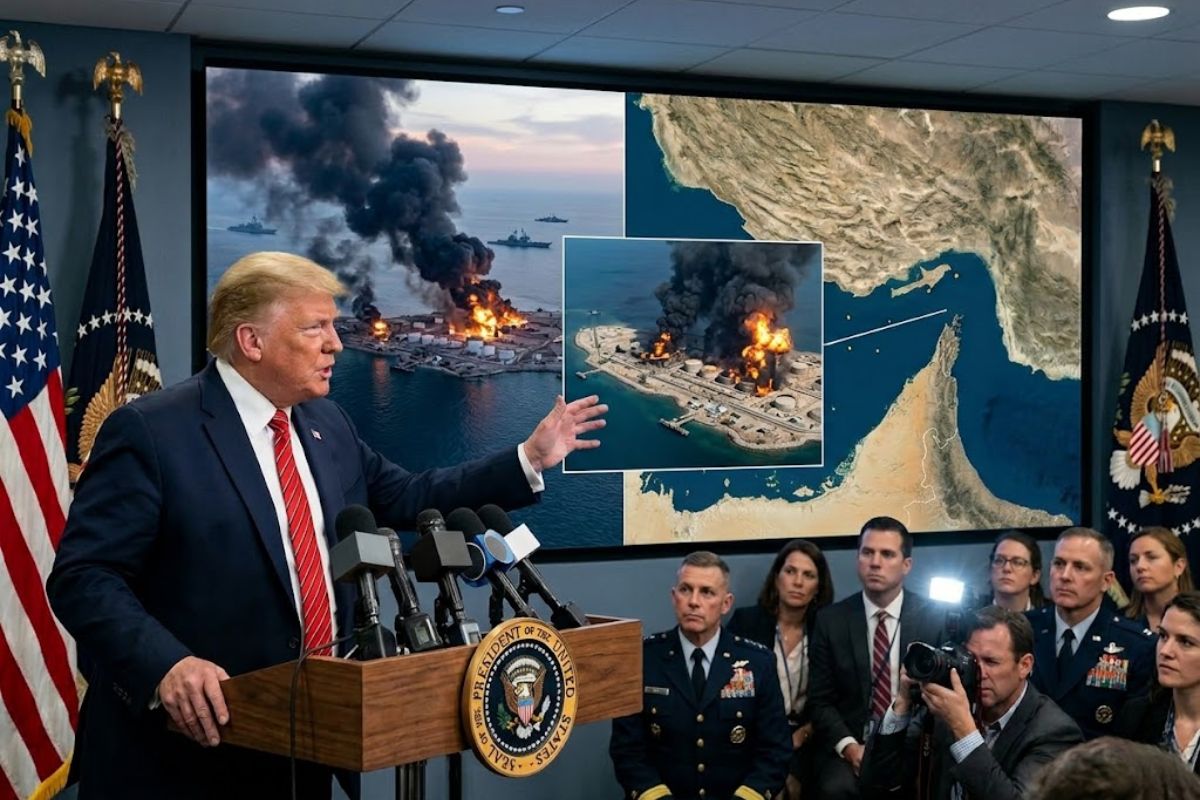
Trump Announces Bombing of U.S. Military Targets on Iranian Island Responsible for About 90% of Iran’s Oil Exports, Warns of Further Attacks if Navigation in Strategic Strait of Hormuz Is Threatened

New Megacities Projected by 2050
The report projects that by 2050, four more cities will surpass the mark of 10 million inhabitants: Addis Ababa, in Ethiopia; Dar es Salaam, in Tanzania; Kuala Lumpur, in Malaysia; and Hajipur, in India. However, some regions are already experiencing population decline, such as Mexico City and Chengdu, in China, which highlights distinct urban movements around the world.
Urban Growth and Population Distribution
The document states that 45% of the global population, estimated at 8.2 billion people, currently lives in cities, whereas in 1950, this figure was 20%. Furthermore, the projection indicates that two-thirds of population growth until 2050 will be concentrated in urban areas. Thus, the concept of city adopted in the report considers locations with at least 50 thousand inhabitants.
Number of Cities Continues to Expand
The total number of cities in the world has more than doubled between 1975 and 2025, reaching approximately 12 thousand. The report predicts that by 2050, this number will exceed 15 thousand, driven primarily by the growth of small and medium cities that are growing faster than megacities. Currently, 96% of cities have less than 1 million inhabitants, which underscores the demographic weight of these regions.
Predominance of Small Cities in Several Countries
In 71 countries, the small city, with at least 5 thousand inhabitants and a minimum density of 300 people per square kilometer, continues to be the most common type of settlement. Additionally, this pattern appears in both developed countries and emerging economies. The number of countries with a majority rural population decreased from 116 in 1975 to 62, with a projected decrease to 44 by 2050.
Urbanization as a Structuring Global Force
Urbanization is described as “the driving force of our time” by the UN Under-Secretary-General, Li Junhua, and therefore represents a process capable of creating opportunities and promoting economic growth when planned inclusively and strategically.










-

Uma pessoa reagiu a isso.