





 Portuguese
  English
  Spanish
 4 min of reading
  0 comments


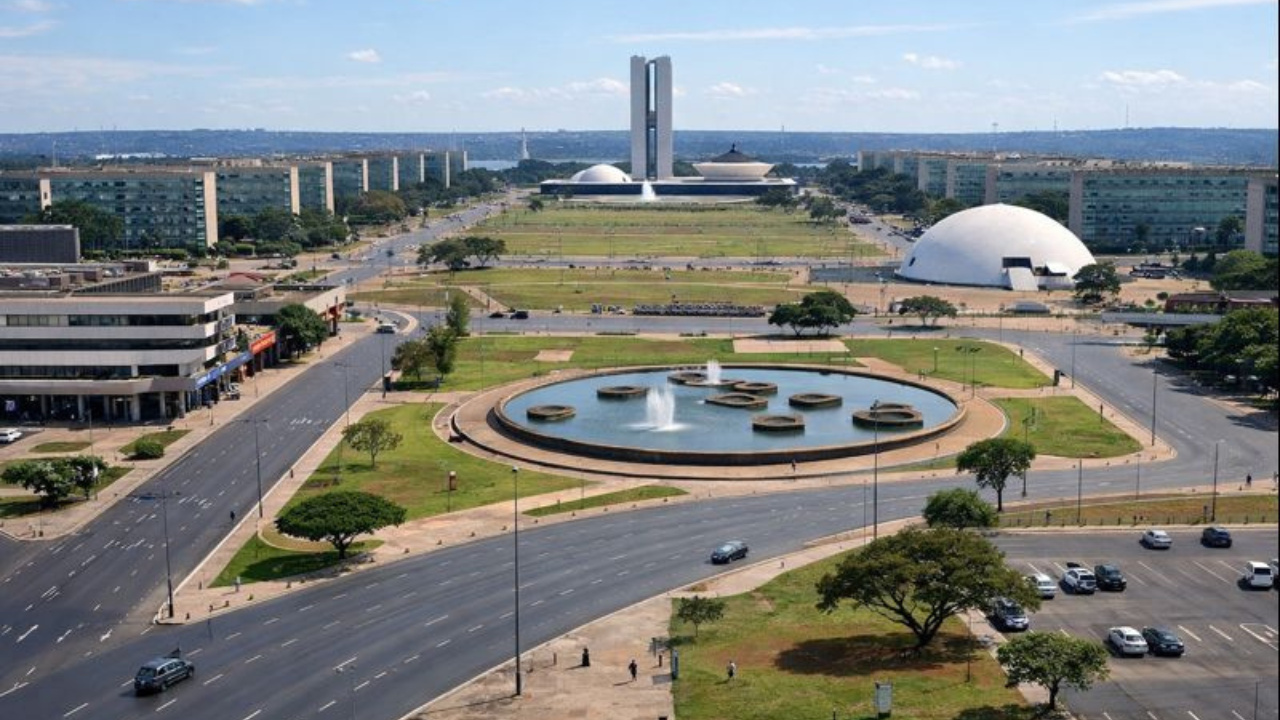
Brasília Empty in January Reflects Recess in Brasília and School Holidays in the DF, with Economic Impact on Commerce, Services, and Transport.
January transforms the federal capital into an atypical scene: streets with little traffic, restaurants without queues, and quieter parks.
This phenomenon, known as Brasília Empty, occurs every year and is directly related to the recess in Brasília, the school holidays in the DF, and the economic and social dynamics of the Federal District.
The emptying mainly happens in the first weeks of the year when public servants, students, and families travel, reducing the city’s daily rhythm.
-
Unemployment rises again to 5.8% at the beginning of 2026, raising alarms about the end of temporary positions and its impact on the Brazilian job market.

-
Document organization can cut invisible costs in small businesses, a simple step that prevents waste, rework, and losses in daily operations.

-
Chinese giant worth nearly R$ 4 billion that manufactures cables for electric cars, solar energy, and robotics wants to open a factory in SC.

-
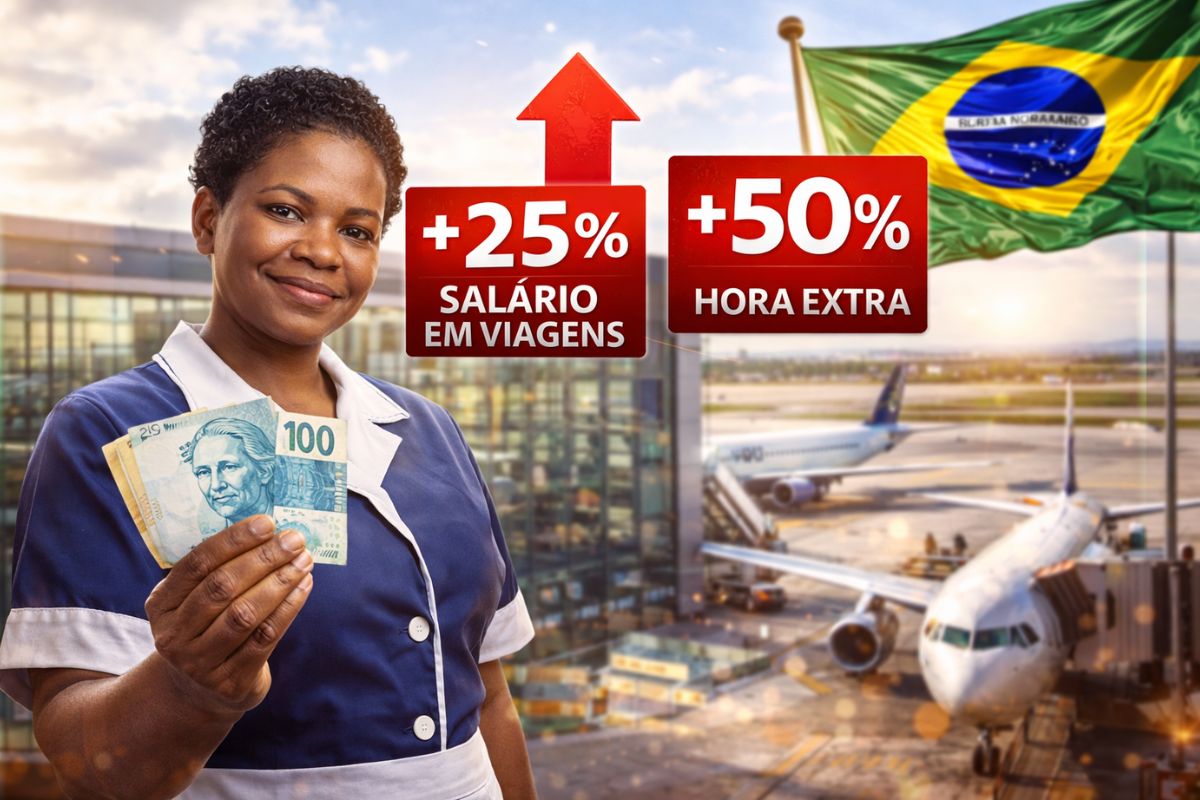
Many employers do not know, but the law guarantees domestic workers a 25% increase in salary during trips, 50% for overtime, 20% for night shifts, and 17 additional benefits that can lead to labor lawsuits if not paid.

Right at the beginning of the year, the combination of institutional breaks and extended holidays explains why January in the Federal District is often so different from the rest of the calendar.
As the center of the country’s political and legal power, Brasília heavily relies on the presence of public workers, which intensifies the effects of the recess.
Recess in Brasília and School Holidays in the DF Explain the Emptying
The recess in Brasília of the Judiciary and Legislative powers, both at the federal and district levels, is one of the main factors for the reduction in the circulation of people.
Additionally, the period coincides with school holidays in the DF, which takes thousands of students out of classrooms and decreases the daily flow of commutes.
Many families take advantage of the break to travel for longer periods, something common in a city with high purchasing power and a strong culture of mobility.
Part of the commerce also adapts to the scenario by granting collective vacations to employees or carrying out internal renovations.
Why Does Brasília Become Empty in January?
According to economist César Bergo and geographer Cláudia Nascimento, a professor at the Catholic University of Brasília, the emptying of the DF is linked to structural factors.
Among these is the fact that Brasília is a political hub that attracts workers from other states and the migratory composition of the population
since about 40% of residents were born outside the DF and maintain ties with their regions of origin.
Moreover, the lack of coastline encourages travel to beach destinations during the holidays.
The high cost of living in the center of the DF also drives part of the population to surrounding cities, reinforcing frequent commutes and temporary departures during periods like January.
Profile of Those Traveling in January in the Federal District
According to Cláudia Nascimento, the profile of those leaving the capital in January in the Federal District follows a national pattern.
It predominantly consists of young and middle-aged adults with high incomes. The average spending of tourists residing in the DF exceeds R$ 3,000 per trip, the highest in the country.
Preferred destinations include coastal cities, especially in the Northeast and Southeast. This behavior reinforces the image of an empty Brasília right after the end-of-year festivities.
Land and Air Departures Increase During the Period
The Federal Highway Police highlights that there is a significant increase in vehicle flow between December and January.
This movement is linked to the year-end festivities and the beginning of school holidays.
In air transport, Brasília International Airport projects the movement of 970,000 passengers between December 15 and January 5, 2026, a 10% increase compared to the same previous period.
Companies like Gol Linhas Aéreas, Azul Linhas Aéreas, and LATAM Airlines Brazil are reinforcing operations to meet the demand for leisure travel, especially to tourist destinations.
Economic Impact in Brasília During January
The economic impact in Brasília is one of the most felt effects of the seasonal emptying.
According to geographer Cláudia Nascimento, the temporary departure of the population causes a drop in consumption, especially in bars, restaurants, and services aimed at the corporate public.
Data from Fecomércio-DF show that in January 2025, retail commerce had a retraction of -1.2% and the volume of services fell by -8.7%.
“Influence in less consumption of goods and services, impacting the level of employment with January registering the lowest balance between admissions and dismissals in formal jobs,” points out the entity.
Bars, Restaurants, and Transport Feel the Empty Brasília
For the president of Abrasel DF, Thales Furtado, January is one of the weakest months for the sector.
The reduction can reach 35% in movement, especially in central areas of the city, which are more dependent on the public that circulates throughout the year.
In public transport, the Secretary of Transport and Mobility adjusts the offer according to demand.
According to Secretary Zeno Gonçalves, lines serving universities report up to 15,000 fewer passengers per day, with an average reduction of 20% to 30% in overall flow.
A Recurring Challenge of January in the Federal District
Meanwhile, the economic impact in Brasília requires planning from commerce and the public power to deal with seasonal fluctuations.
Despite the difficulties, the period also offers a quieter city for those who remain in the DF
showing that the empty Brasília of January is a direct result of its own social, economic, and institutional structure.










Seja o primeiro a reagir!