





 Portuguese
  English
  Spanish
  6 min of reading
  7 comments


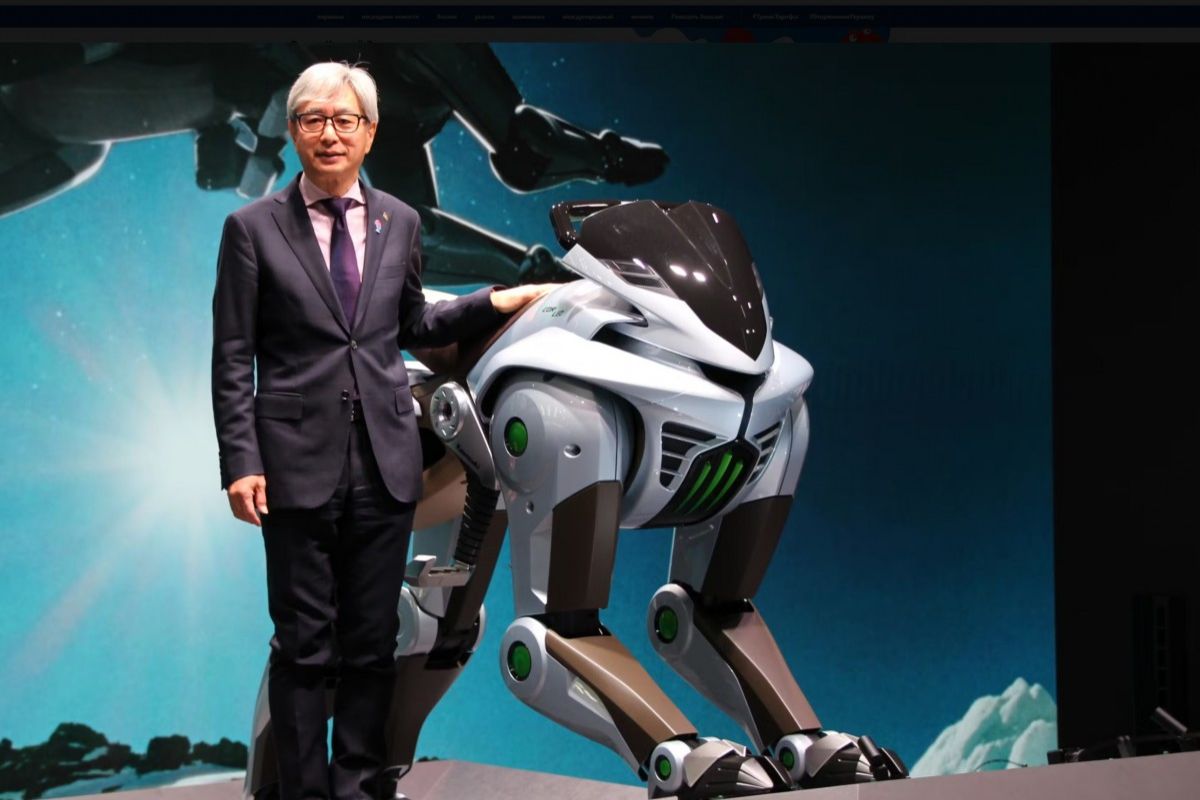


Presented at the Osaka Expo in 2025, Kawasaki Reveals CORLEO as the Motorcycle of the 22nd Century: Four-Legged Hydrogen-Powered, Zero Emission, Capable of Crossing Ice and Gravel While Protecting the Environment and Opening a New Safe Category for Extreme Adventure Tourism for Pilots, Engineers, Environmentalists, First Responders, and Future Global Explorers
In the midst of a season of major technological announcements in Japan, Kawasaki reveals CORLEO to the public as a wheel-less, four-legged motorcycle powered by hydrogen and designed to walk and climb rather than just roll on asphalt. The concept breaks with over a century of tradition on two wheels and launches a new generation of vehicles that behave like robotic creatures in extreme terrains.
In the same package, the manufacturer presented a clear timeline: intensive field testing until 2027 and a functional version promised for the Riyadh Expo in 2030, solidifying CORLEO as a long-term project and not just a trade show prototype. The bet is that Japan will once again use innovation to lead the future of radical mobility in sensitive and hard-to-reach environments.
How the Robotic Creature That Replaces the Wheel Motorcycle Was Born

Kawasaki starts with a simple diagnosis: on mountain trails, ice, and gravel, wheels are as limiting as they are necessary.
-
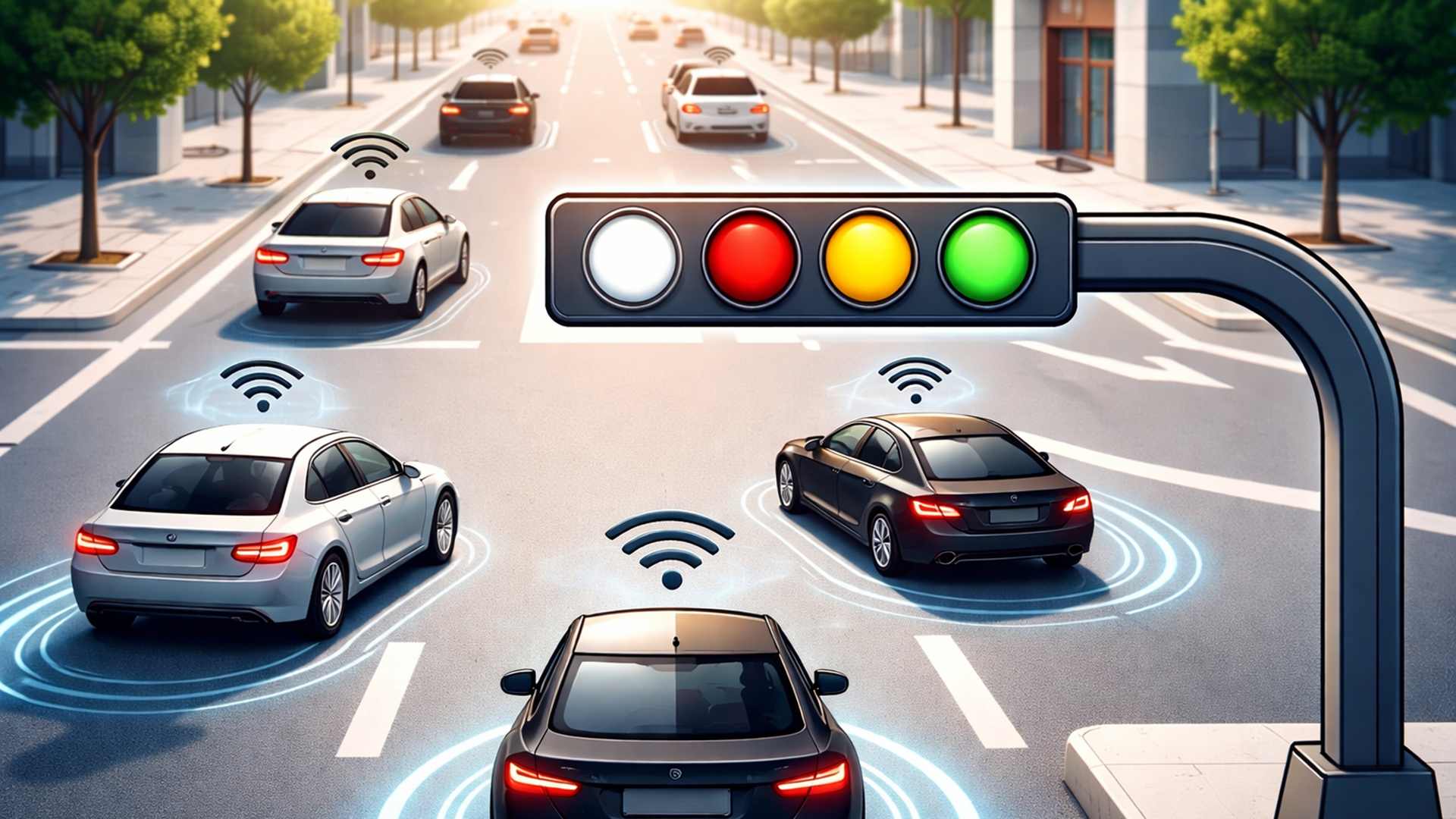
Engineers propose a fourth traffic light for intersections – the change promises to affect crossings, queues, and waiting times.
-
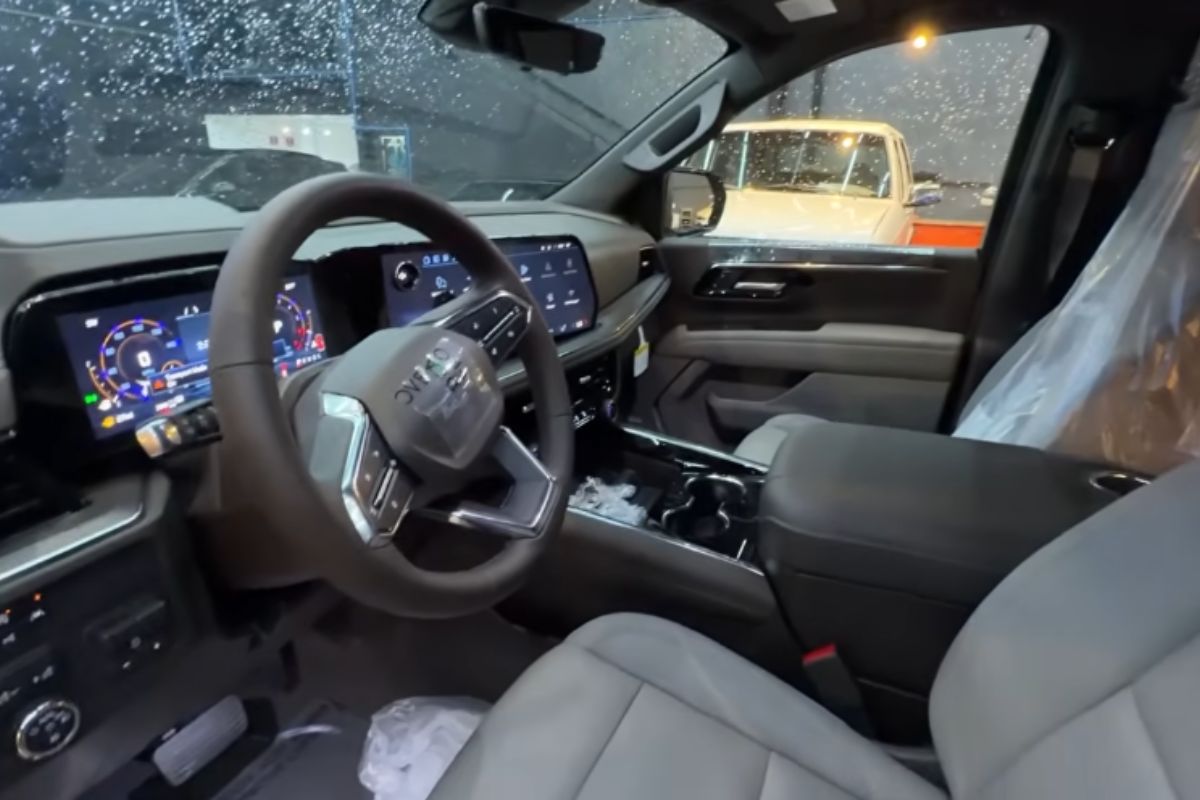
Chevrolet Suburban Z71 lands in Brazil with a V8 engine, off-road design, air suspension, seven seats, and colossal size, a rare version imported for around R$ 1.3 million with luxury and exclusivity.
-
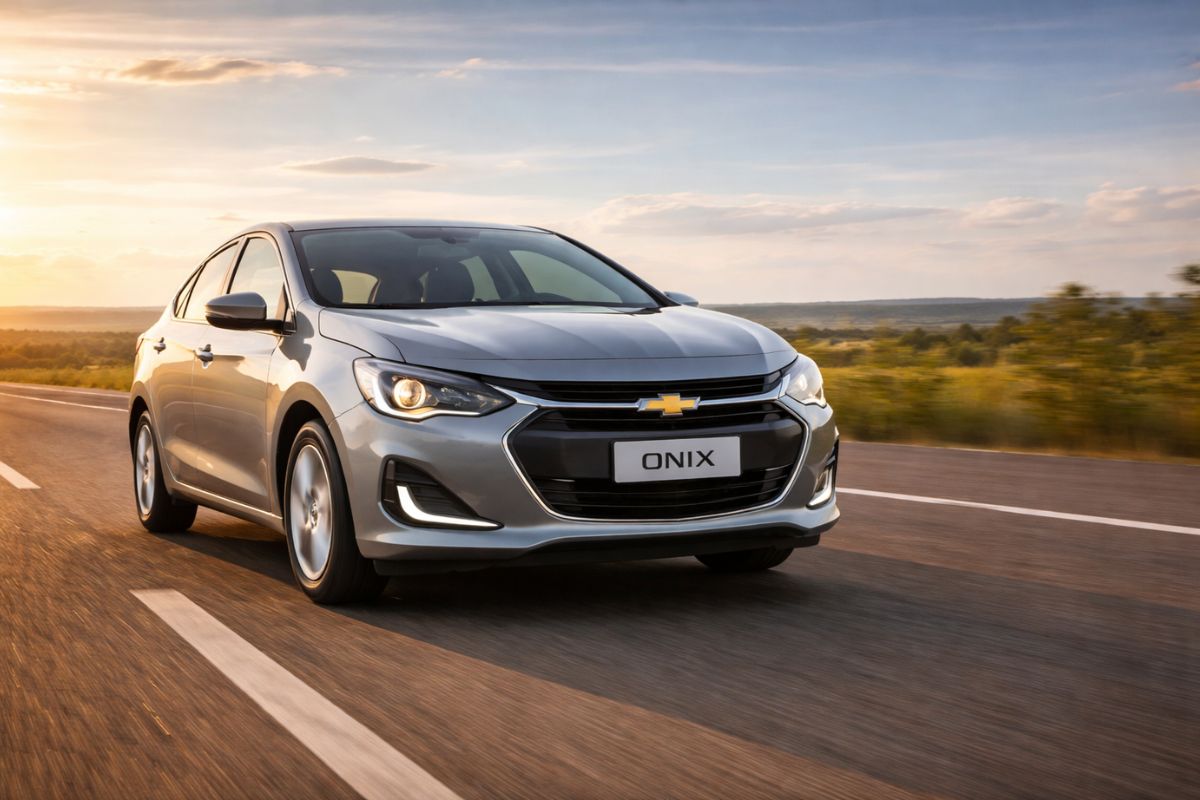
The Chevrolet Onix 1.0 turbo achieves 17.7 km per liter on the highway and ranks among the three most economical cars in Brazil in 2026, alongside two more expensive Toyota hybrids available at dealerships.
-
Little sister of the Hilux: Toyota launches Land Cruiser FJ with 4 radical versions, 2.7 engine with 166 hp and 4×4 traction with locking.

Even high-performance motorcycles skid, sink, or simply cannot pass certain stretches.
Instead of insisting on increasingly aggressive tires, the project decided to mimic nature and replace wheels with legs.
It is in this context that Kawasaki reveals CORLEO as a mix of motorcycle, robot, and mechanical horse.
The rider remains seated, in a traditional motorcycle position, but everything happening beneath them is different.
Instead of suspensions spinning wheels, four articulated legs move with high precision, each with independent control, allowing the vehicle to read the terrain and adapt to every rock, stone step, or ice plate.
The promised experience is not about accelerating to conquer the curve, but rather engaging with the terrain, moving in harmony with the ground and minimizing damage to the environment.
The design logic is clear: where the wheel destroys, the leg steps, adjusts, and retreats.
Hydrogen, Small Engine, and Four Legs That Read the Terrain

Technically, CORLEO combines a small engine with a sophisticated electric drive system.
The mechanical heart is a 150cc two-stroke engine that does not directly move the legs.
Instead, this engine works as a generator, producing electricity to power the leg actuators.
The big difference lies in the fuel.
Instead of gasoline, the system uses hydrogen, which allows for virtually zero emissions, with water vapor as the dominant byproduct, similar to other vehicles adopting the same principle.
In practice, Kawasaki reveals CORLEO as a demonstration that radical adventure and environmental concern can coexist in a single chassis.
Demonstration videos show the robotic creature crossing ice surfaces and loose gravel strips with a strangeness unfamiliar to those used to regular motorcycles.
The sensation described by those observing the tests is akin to riding a living artificial being, with the machine’s body absorbing irregularities in the terrain and advancing with calculated steps, not wheel spins.
Terrain Reading System and Safety in Off-Road Areas
One of the central points of the project is the control system that coordinates the four legs.
Sensors analyze slope, soil texture, and immediate obstacles, adjusting in real time the position, height, and pace of each leg.
CORLEO not only moves; it interprets the path, identifying where it is safest to place weight and how to distribute efforts to avoid falls and slips.
Based on this reading capability, Kawasaki reveals CORLEO as a vehicle designed for off-road areas, where the goal is to arrive and depart without turning the terrain into a destroyed trail.
Instead of digging grooves with tires, the machine distributes weight over smaller contact points, as mountain animals do.
From a safety standpoint, the idea is to allow riders and technical teams to reach remote locations with greater traction and stability control, reducing the risk of falls on steep slopes and unstable surfaces.
The promise is that the vehicle can go beyond where traditional enduro motorcycles reach, without imposing the same environmental impact.
Dedicated Team and Timeline Until 2030
To signal that this is not an isolated experiment, the company created the SAFE ADVENTURE Development Team, a specific unit to develop CORLEO and other associated concepts.
The presentation took place during the Osaka Expo, one of Japan’s most important technology showcases, reinforcing the project’s institutional weight.
According to the disclosed plan, 2027 will be the year of intensive testing and collection of real data in ice, mountain, and gravel scenarios, focusing on validating joint durability, hydrogen consumption, and the stability of the leg control system.
Following that, the goal is to present a functional version at the Riyadh Expo in 2030, with sufficient maturity to demonstrate continuous and repeatable use in front of a global audience.
By associating goals with specific years, Kawasaki reveals CORLEO not just as a futuristic prototype but as an evolving product, with clear validation and international exposure stages.
This is a way to pressure the engineering team to meet deadlines and show concrete results outside the labs.
Adventure Tourism and Work in Extreme Terrain
The manufacturer itself admits that CORLEO does not intend to replace mountain motorcycles right away.
Instead, it aims to inaugurate a new category of vehicles between adventure tourism and work in extreme environments, where both the rider’s experience and the machine’s technical function matter.
Ecotourism guides could use the quadrupedal robot to take small groups through sensitive areas without opening new roads.
Infrastructure inspection teams or environmental monitoring teams in remote regions could also benefit from a vehicle capable of walking where trucks and ordinary motorcycles have not passed or should not pass.
In this context, the fact that Kawasaki reveals CORLEO with a focus on hydrogen and controlled steps reinforces the narrative that the future of radical adventure can be less noisy, less polluting, and more compatible with the preservation of the landscapes they seek to explore.
Robot, Motorcycle, or Technological Horse of the 22nd Century?
Since the initial announcement, one question has accompanied the project: after all, what is CORLEO? A motorcycle, a robot, a mechanical animal, or a fusion of all three?
The brand’s communication itself plays with this ambiguity, treating the vehicle as a 22nd-century motorcycle and at the same time as a robotic creature that behaves like a horse on uneven terrain.
From an experience perspective, riding CORLEO means abandoning the classic idea of rolling on tires.
The rider must cope with a body that rises, falls, and bends according to the ground reading, similar to what riders feel when following rocky trails.
From an engineering standpoint, it is an advanced mechatronic system, with control algorithms that bring the machine’s behavior closer to that of four-legged animals.
By bringing together these layers, Kawasaki reveals CORLEO as a design manifesto: the future of radical mobility may not lie in wider wheels or stronger engines, but rather in completely new ways of interacting with the terrain, energy, and the natural environment.
In the face of a machine that replaces wheels in favor of robotic legs, clean hydrogen, and preserved trails, do you see yourself trading a traditional motorcycle to experience Kawasaki’s CORLEO in an extreme off-road adventure, or do you prefer to stick with classic two wheels while this 22nd-century creature takes the world?









Tenha ****, e posta coisas verídicas Zé ruela.
Seu **** **** ****, cada **** que esses **** postam
.
A nova “moto elétrica” (parece uma mula sem cabeça) tem um motor 2 tempos limpo e ecológico como todo bom motor 2t. Um salve a família RD Yamaha.