





 Portuguese
  English
  Spanish
  3 min of reading
  0 comments


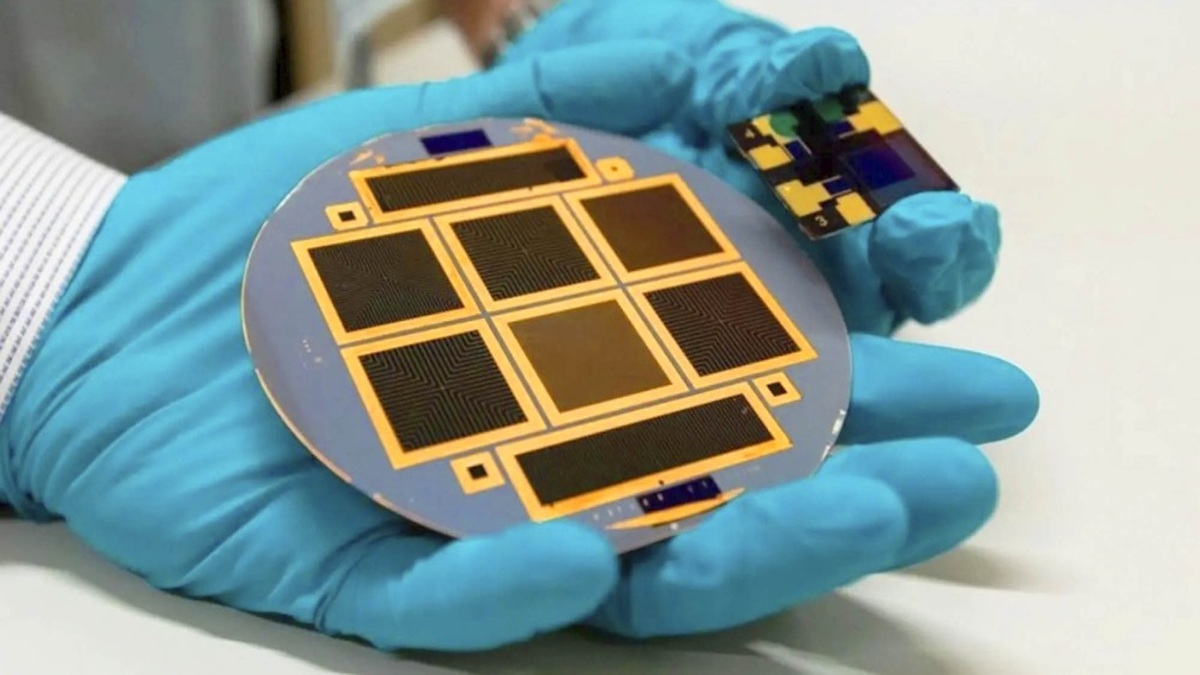
Japan Bets on Perovskite Solar Cells to Create a Super Panel of 20 GW by 2040, Reduce Costs, Integrate Wind Energy, and Eliminate Nuclear Plants by 2050.
Solar panels dominate the global energy transition, but the technology still faces challenges related to cost and production.
Crystalline silicon, used for decades, is reliable and efficient, but its manufacturing requires expensive processes, high temperatures, and supply chains concentrated in a few countries.
Moreover, traditional modules are limited in flexibility and adaptation to different surfaces. In light of these barriers, an innovation emerges as an alternative: perovskite.
-
Roraima bets on the sun to escape high tariffs: Amid the energy crisis and price hikes, solar energy is growing in Roraima and transforming consumption in the North region.

-
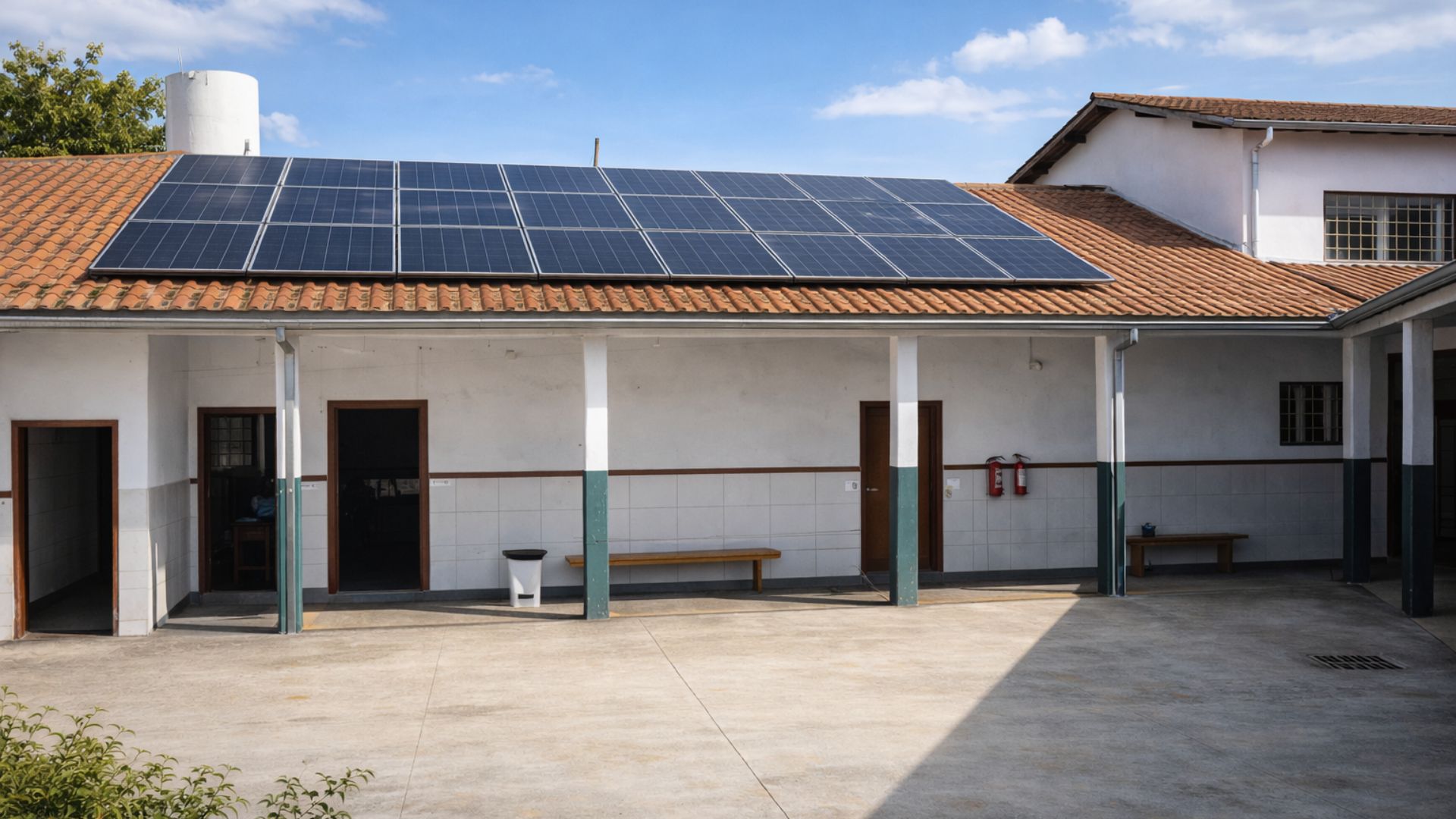
Copel boosts solar energy in Paraná and brings innovation to public schools, promoting savings on electricity bills, energy efficiency, and a direct impact on the quality of education.
-
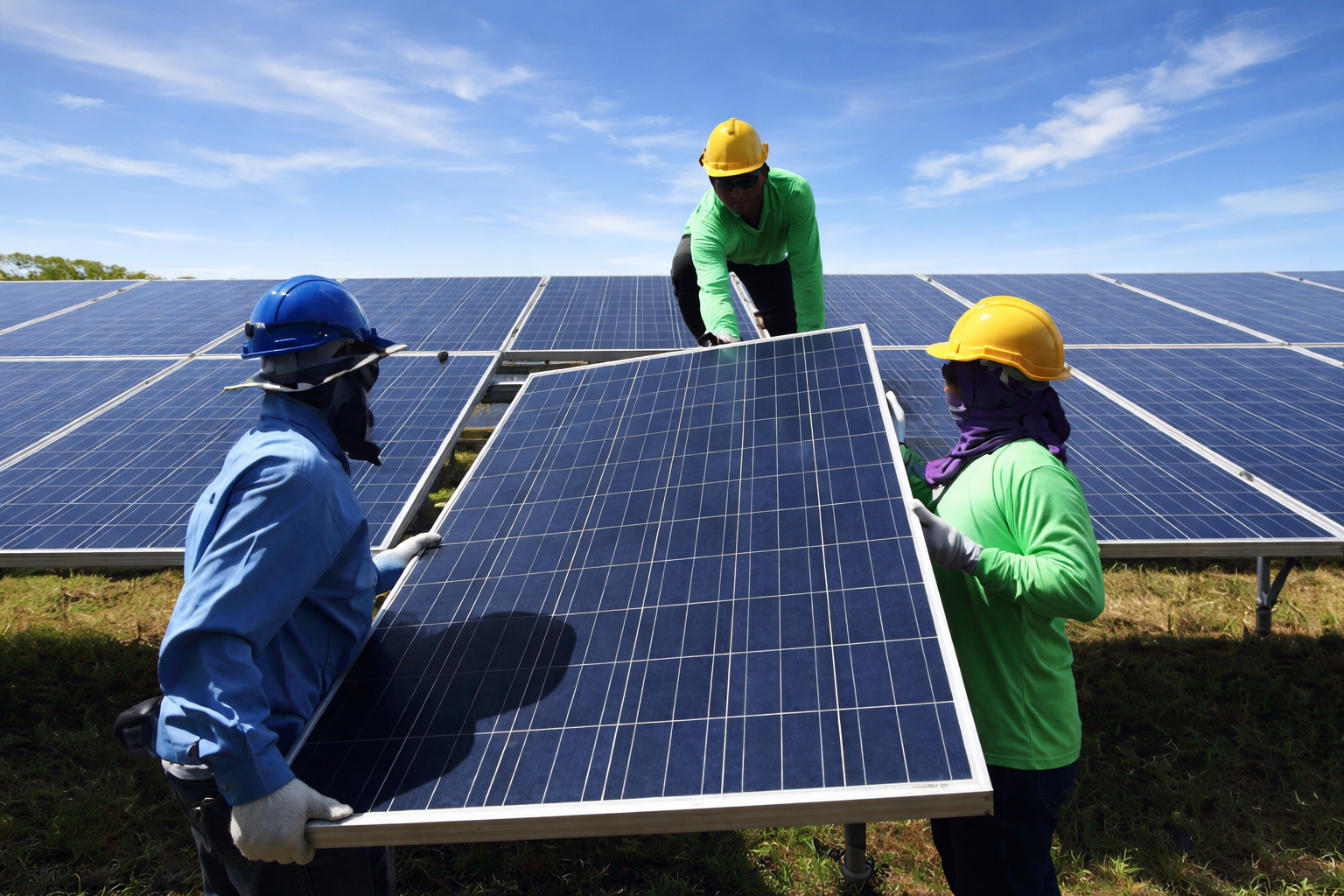
Brazil reaches historic milestone in solar energy: Sector surpasses 2 million accumulated green jobs and generates billions in the national economy even under market pressure.
-
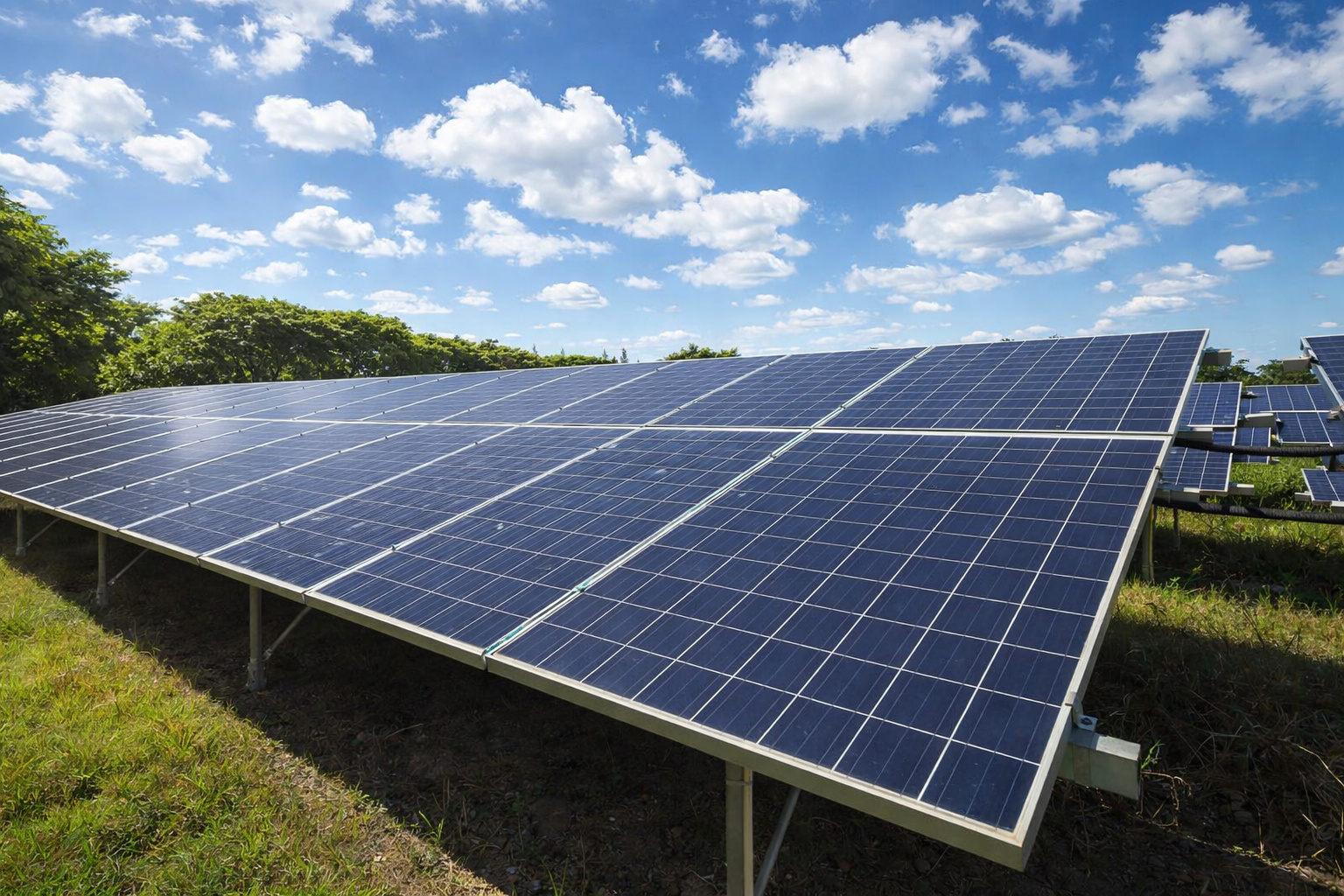
Minas Gerais takes the lead in renewable energy: State surpasses historic mark of 14 GW in solar energy generation in MG and consolidates dominance in the Brazilian electric sector.

From Silicon to Perovskite: The Technological Shift
Crystalline silicon has established itself as the foundation of modern photovoltaic energy. Its ability to convert sunlight into electricity has provided significant advances for renewable generation.
However, the high energy demand in production and the extraction cost are significant obstacles. It is in this context that perovskite emerges as a promising option.
This crystalline compound allows for the production of lighter and cheaper solar cells, achieving conversion rates exceeding 25%.
In addition to comparable efficiency to silicon, perovskite can be applied to various surfaces, such as windows or vehicle roofs, thanks to the ability to print thin and flexible layers. This versatility creates new pathways for urban integration and electric mobility.
Japan at the Forefront of Innovation
With a history of technological pioneering, Japan is betting on an unprecedented project: the creation of a solar super panel with the capacity to generate 20 GW of energy, equivalent to the combined power of 20 nuclear reactors.
The proposal is based on gradually replacing silicon with perovskite cells.
This move responds to a strategic commitment. After the Fukushima nuclear accident in 2011, the country reduced its reliance on nuclear plants and increased the share of solar energy in its matrix.
In 2014, the share was only 1.9%. Today, it is almost 10%. The official goal is to expand renewable production to 36% to 38% by 2030.
Solar Platform by 2040
The Japanese plan aims to install the 20 GW platform by 2040.
The project includes the use of zero-emission technology and a national supply chain to reduce energy dependence on countries like China and Russia.
Estimates indicate that when the system is fully operational, the price of electricity could drop to 10 yen per watt over the next two decades. This reduction is expected to stimulate widespread adoption in the industry.
The bet also has strategic reach: by reducing nuclear dependency, Japan seeks energy stability and long-term security.
Perovskite in Hybrid Systems
The innovation will not be restricted to solar energy. The Japanese government plans to integrate perovskite cells into hybrid systems that combine solar and wind generation.
This model aims to increase efficiency and ensure continuous supply in a country with high population density and limited urban space.
However, the technological challenge remains significant. The durability of perovskite and the costs of production at an industrial scale need to advance for the promise to materialize. Overcoming these barriers will be crucial to transform research into a global solution.
Towards a 100% Clean Matrix
If the timeline is met, Japan could completely eliminate its nuclear plants by 2050, achieving a 100% clean energy matrix.
The perovskite super panel is not just a technological leap, but also a declaration of energy policy: innovation and sustainability can go hand in hand at an accelerated pace.
The Japanese project, by uniting environmental goals, scientific advancements, and national strategy, sends a clear message to the world: the solar energy of the future can be more flexible, accessible, and sustainable — and perovskite is the key piece of this transformation.










-

Uma pessoa reagiu a isso.