





 Portuguese
  English
  Spanish
  4 min of reading
  0 comments


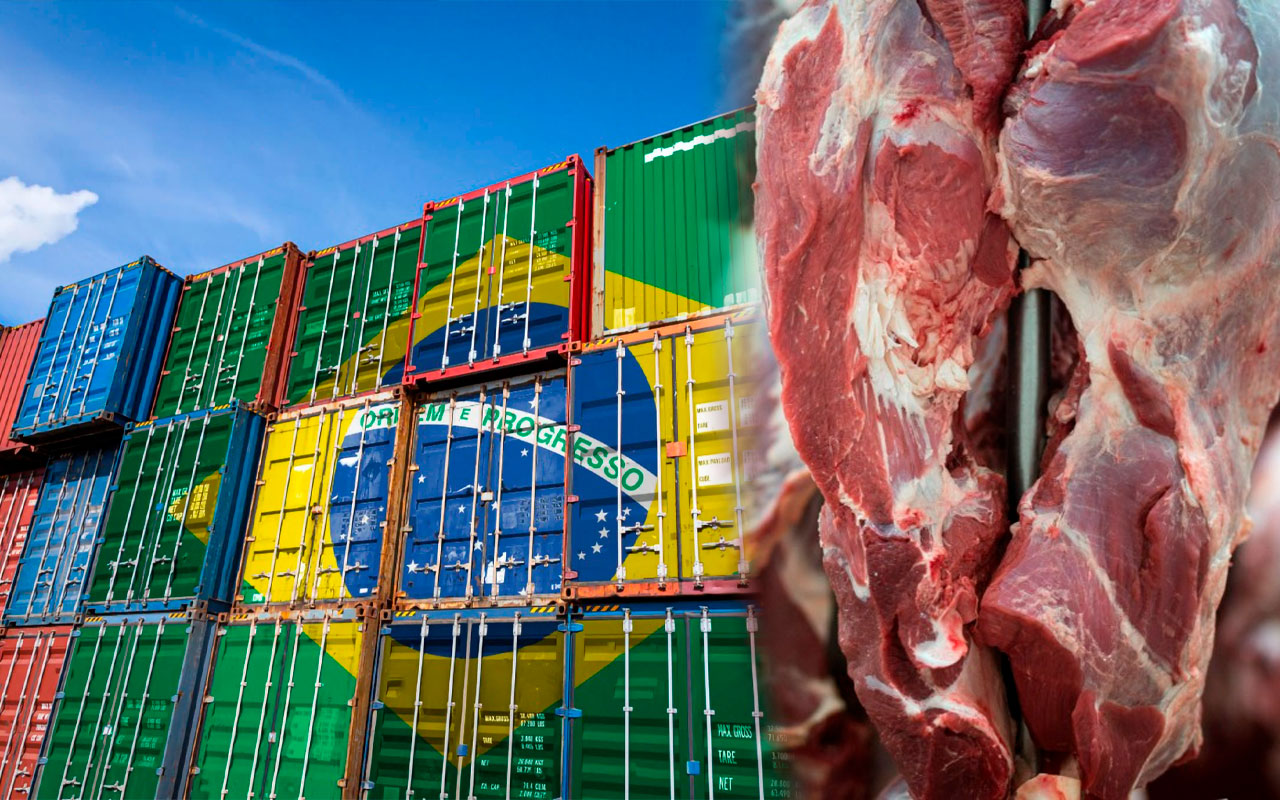
Map Projects To Complete The Opening Of The Japanese Market In November, After Audits And Information Exchanges; First Shipment Should Start From The Southern States
The Ministry of Agriculture and Livestock projects to complete in November the process for Japan to open its market to Brazilian beef. The signal was given by Minister Carlos Fávaro, who told reporters that the timeline is maintained and in the final phase of technical clarifications. The news rekindles a negotiation of over two decades and indicates a decisive phase for the animal protein sector in the country.
Brazil arrives at this stage backed by the international recognition of foot-and-mouth disease free status without vaccination, a status that elevates the sanitary standards required by premium destinations. The advancement was officialized at the end of May and opens doors that have historically remained closed for Brazilian products. Government and industry experts treat the certification as a watershed for accessing high-value markets.
Conversations with Tokyo progressed in 2025 with technical missions and on-site audits conducted by Japanese authorities in Brazil. These visits are part of the accreditation process and precede the habilitation stage of slaughterhouses, document review, and specific sanitary agreements. According to the government, this is an essential step for the final decision.
-
With an investment of R$ 612 million, a capacity to process 1.2 million liters of milk per day, Piracanjuba inaugurates a mega cheese factory that increases national production, reduces dependence on imports, and repositions Brazil on the global dairy map.

-
Brazilian city gains industrial hub for 85 companies that is equivalent to 55 football fields.

-
Peugeot and Citroën factory in Argentina cuts production by half and opens a layoff program for more than 2,000 employees after Brazil drastically reduced purchases of Argentine vehicles.

-
A Brazilian city gains a factory worth R$ 300 million with the capacity to process 200 thousand tons of wheat per year, a mill of 660 tons/day, silos for 42 thousand tons, and an industrial area of 276 thousand m².

The Brazilian strategy plans to start with the Southern states, Santa Catarina, Paraná, and Rio Grande do Sul, as they have complied with the foot-and-mouth disease free status without vaccination for a longer time and have a recognized history of sanitary control. The process has about 12 stages and has been conducted in phases to reduce the risk of interruptions.
What Is Needed For Approval In November
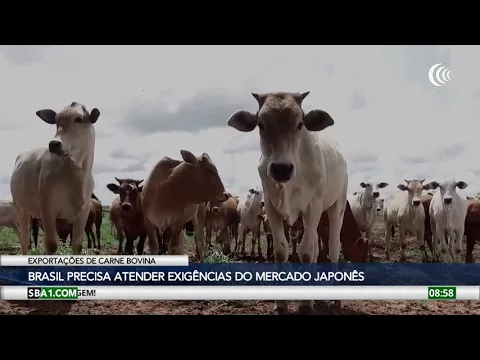

To meet the timeline, Brasília and Tokyo are exchanging responses to technical inquiries regarding the inspection, traceability, and disease surveillance system. These responses need to document that Brazil maintains equivalent standards to those required by the Japanese market.
In parallel, the Map and the private sector are aligning plant certifications that can meet the specific requirements for deboning, aging, and temperature. Abiec has acted as an intermediary, consolidating information and operational adjustments requested.
The final phase includes the consolidation of international sanitary certificates and the publication of authorizations by the Japanese side. Given that this is one of the most demanding markets in the world, there is low tolerance for failures, which explains the layered design of the process — something common when there is a change in sanitary status and the opening of a premium market.
Why Start With The South
The recognition without vaccination was first consolidated in the South, creating a “sanitary corridor” that is more favorable for Japan. This geography reduces the complexity of oversight at the outset and facilitates the monitoring of control and rapid response protocols in case of occurrences.
States such as Santa Catarina, Paraná, and Rio Grande do Sul have agricultural defense structures with a history of international audits, which accelerates the importer’s confidence. Regionalization is also a mechanism to mitigate risks, allowing fine adjustments before a national expansion.
In practice, the Brazilian plan aims to gain speed without compromising safety. Starting in a region with recognized sanitary maturity shortens the distance to the first shipment and helps to solidify quality premiums paid by markets like Japan.
The Weight Of Japan For Brazilian Beef
Japan is seen by the industry as a high-value market, with a preference for premium cuts and sanitary rigor that tends to be rewarded in price. Entry, although gradual, can expand margins and diversify destinations, especially in a year where tariffs and uncertainties in other markets pressure the export strategy.
Industry sources indicate that the initial focus on a few states and controlled volumes is likely to occur to calibrate logistics, cutting standards, and traceability. This calibration serves as a showcase for future expansion, provided that no sanitary incidents occur that delay the timeline.
There will also be competition for plant certifications and initial quotas among slaughterhouses. The intensity of this competition will depend on the scope of the Japanese authorization — and on how Brazil will demonstrate, shipment by shipment, consistency in controls and uniformity of standards.
Diplomatic Window: COP30 Could Be The Stage For The Announcement
On the political calendar, November brings an additional trump card for the government: COP30, in Belém, could serve as a diplomatic showcase for the confirmation of the opening. Integrating the climate agenda with sustainability of livestock, traceability, and decarbonization of the chain could reinforce the Brazilian narrative with Asian partners. The sector sees this showcase as an opportunity for the announcement.
The strategy aligns with the government’s commitment to expand markets and reduce commercial vulnerabilities. Economic diplomacy, combined with sanitary status, shortens the path to Japan and creates positive externalities for other high-value markets in Asia.
If the opening is confirmed, the trend is that there will be a demonstration effect for countries that observe Brazil with sanitary caution. The more predictable Brazil proves to be in biosecurity and governance, the faster access multiplication tends to be.
In your view, should Japan really start with small volumes and only from the South, or does Brazil already prove enough strength for a broader opening? And is the November deadline realistic or overly optimistic? Please leave your opinion in the comments and state whether the phased strategy helps or hinders producers in your state.








-

-

-

-

-

-

52 pessoas reagiram a isso.