





 Portuguese
  English
  Spanish
  5 min of reading
  0 comments


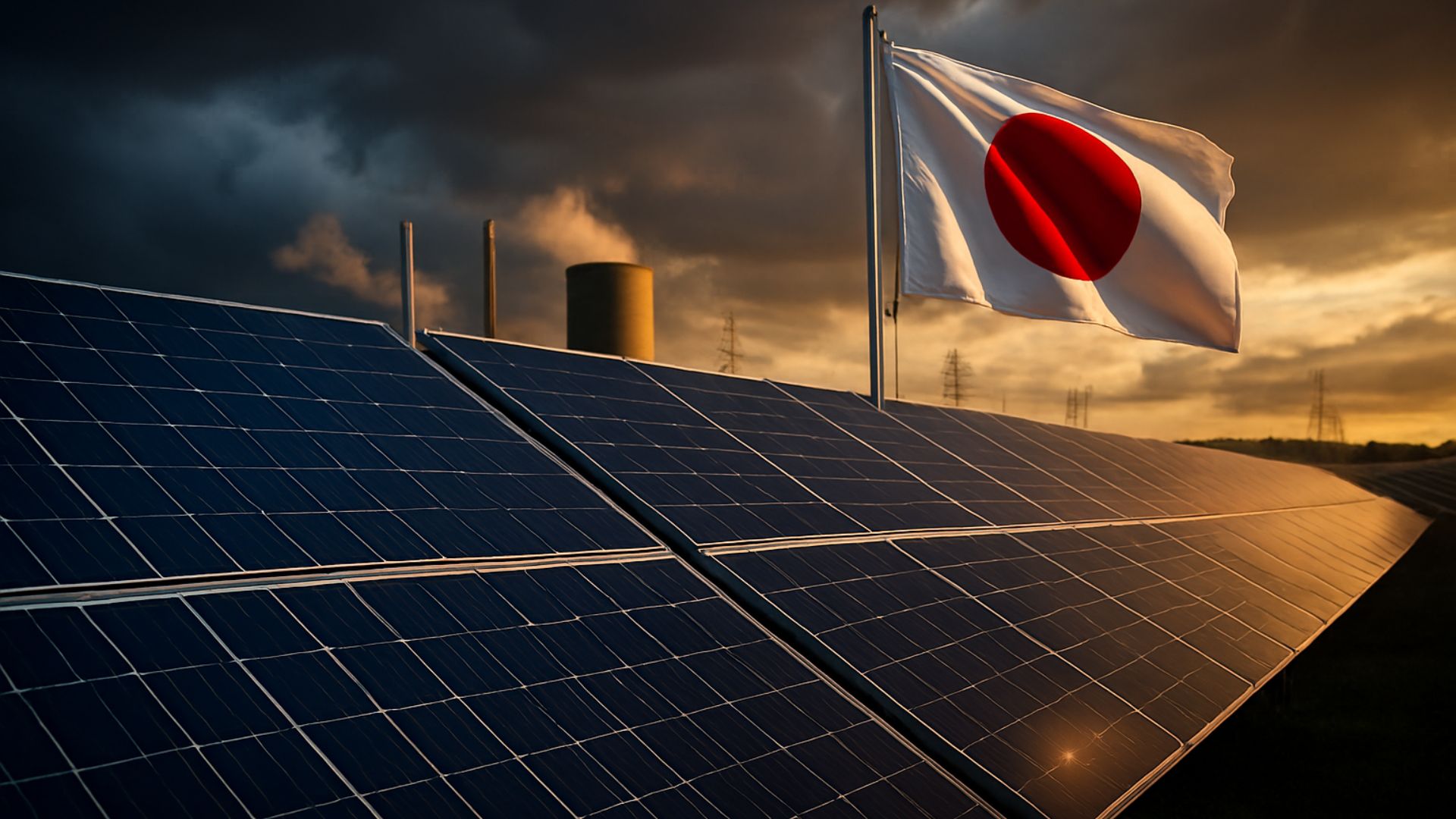
Japan Discusses Changes to Solar Energy Incentives and Considers Reducing Subsidies for Large Solar Plants After 2027, Raising Economic, Environmental Impacts and Energy Security Challenges
In December 2025, the government of Japan confirmed that it is considering ending subsidies for new large solar plants starting in 2027. According to an article published by the Mirai Portal on Monday (15), the information was disclosed by sources linked to the energy sector and lawmakers involved in discussions about environmental policy and national energy security.
Solar Energy Incentives in Japan After Fukushima
The possible decision represents a significant change in the country’s strategy for energy transition. After more than a decade of strong support for solar energy, Japanese authorities have begun to question the effectiveness of current incentives, especially in light of environmental impacts, high costs to consumers, and external dependence on equipment.
Since 2012, Japan has implemented an aggressive system of incentives for renewable sources, especially solar energy. The measure was implemented after the earthquake and nuclear accident at the Fukushima Daiichi plant, which drastically reduced public confidence in nuclear energy.
-
Roraima bets on the sun to escape high tariffs: Amid the energy crisis and price hikes, solar energy is growing in Roraima and transforming consumption in the North region.

-
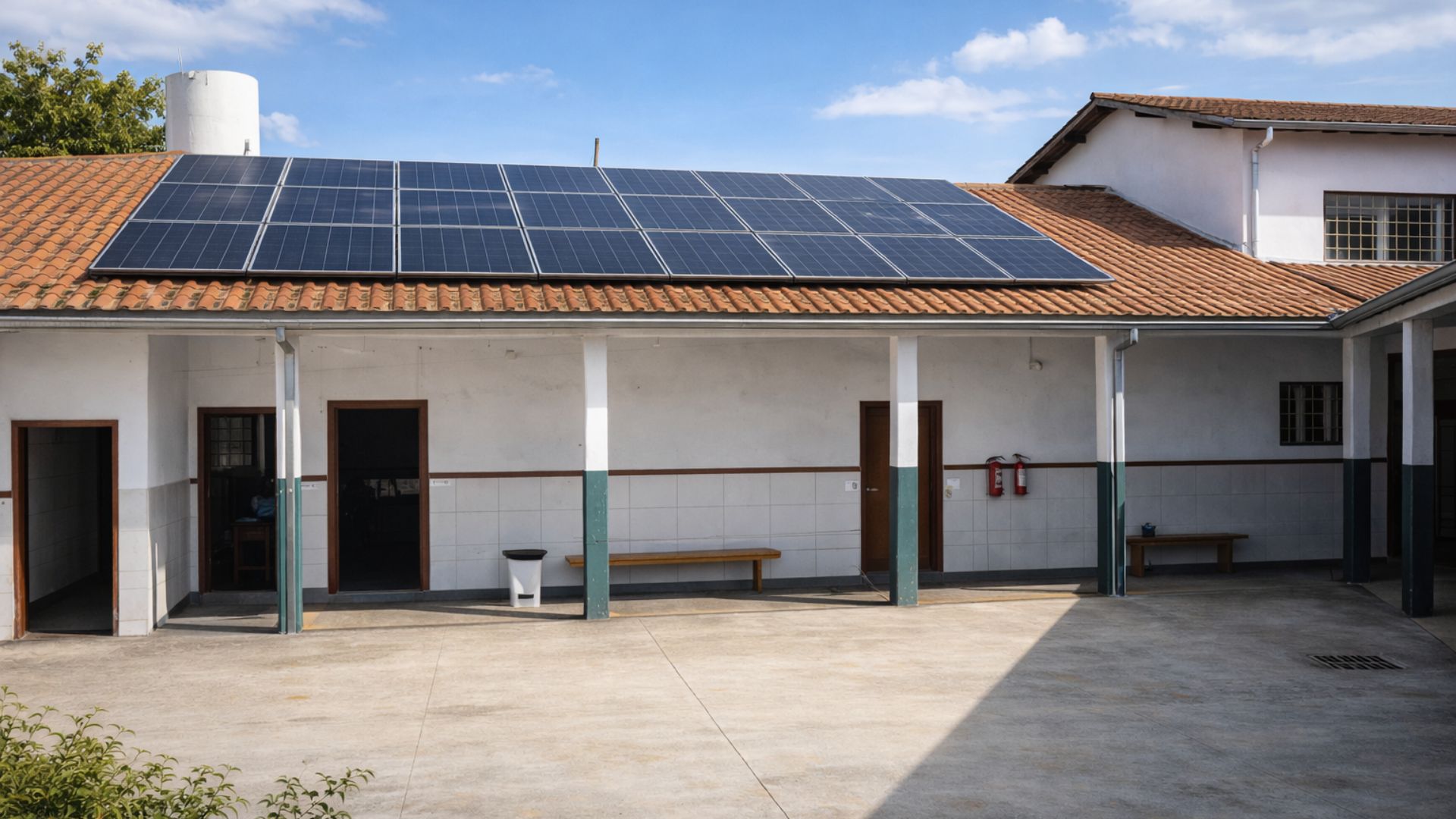
Copel boosts solar energy in Paraná and brings innovation to public schools, promoting savings on electricity bills, energy efficiency, and a direct impact on the quality of education.
-
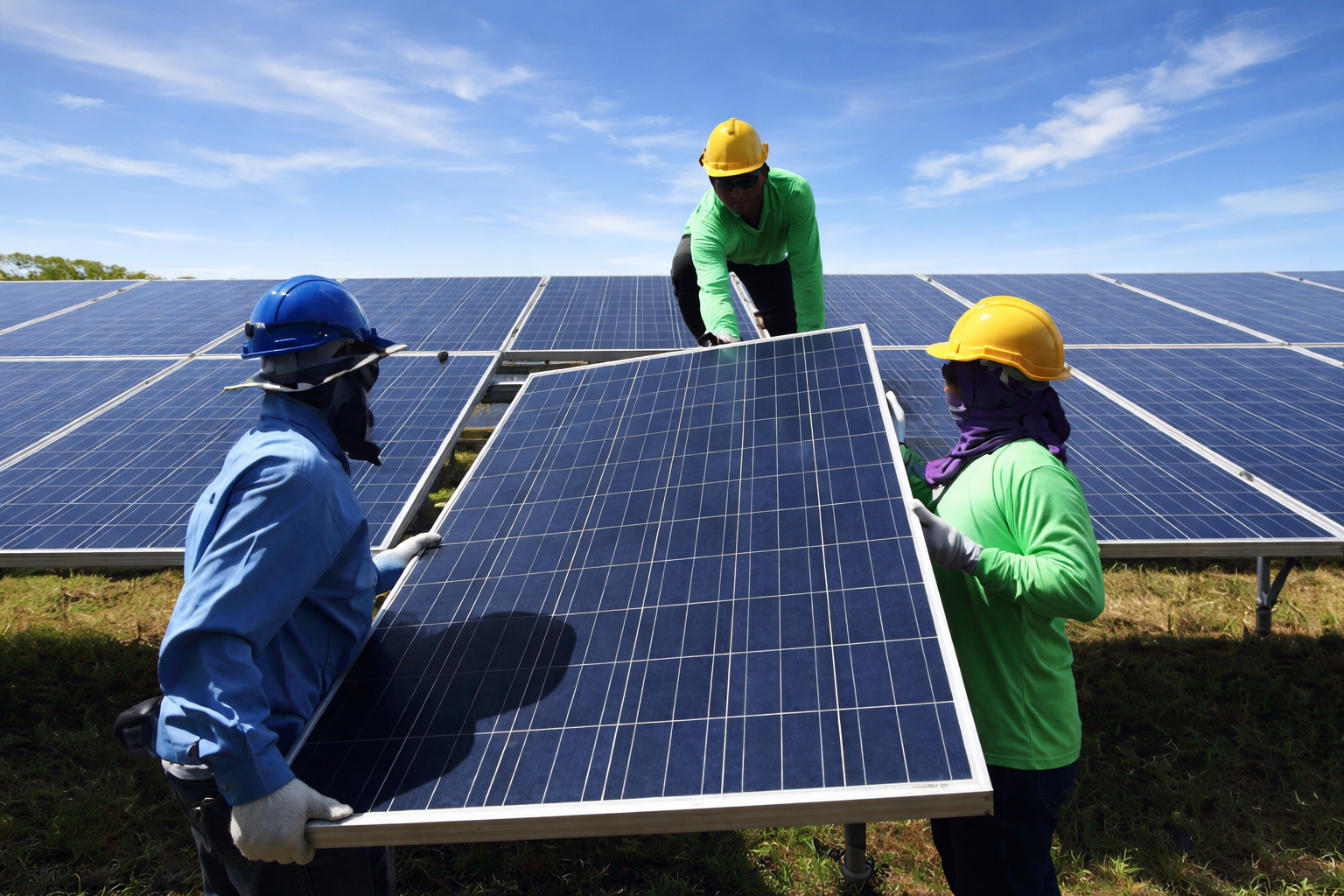
Brazil reaches historic milestone in solar energy: Sector surpasses 2 million accumulated green jobs and generates billions in the national economy even under market pressure.
-
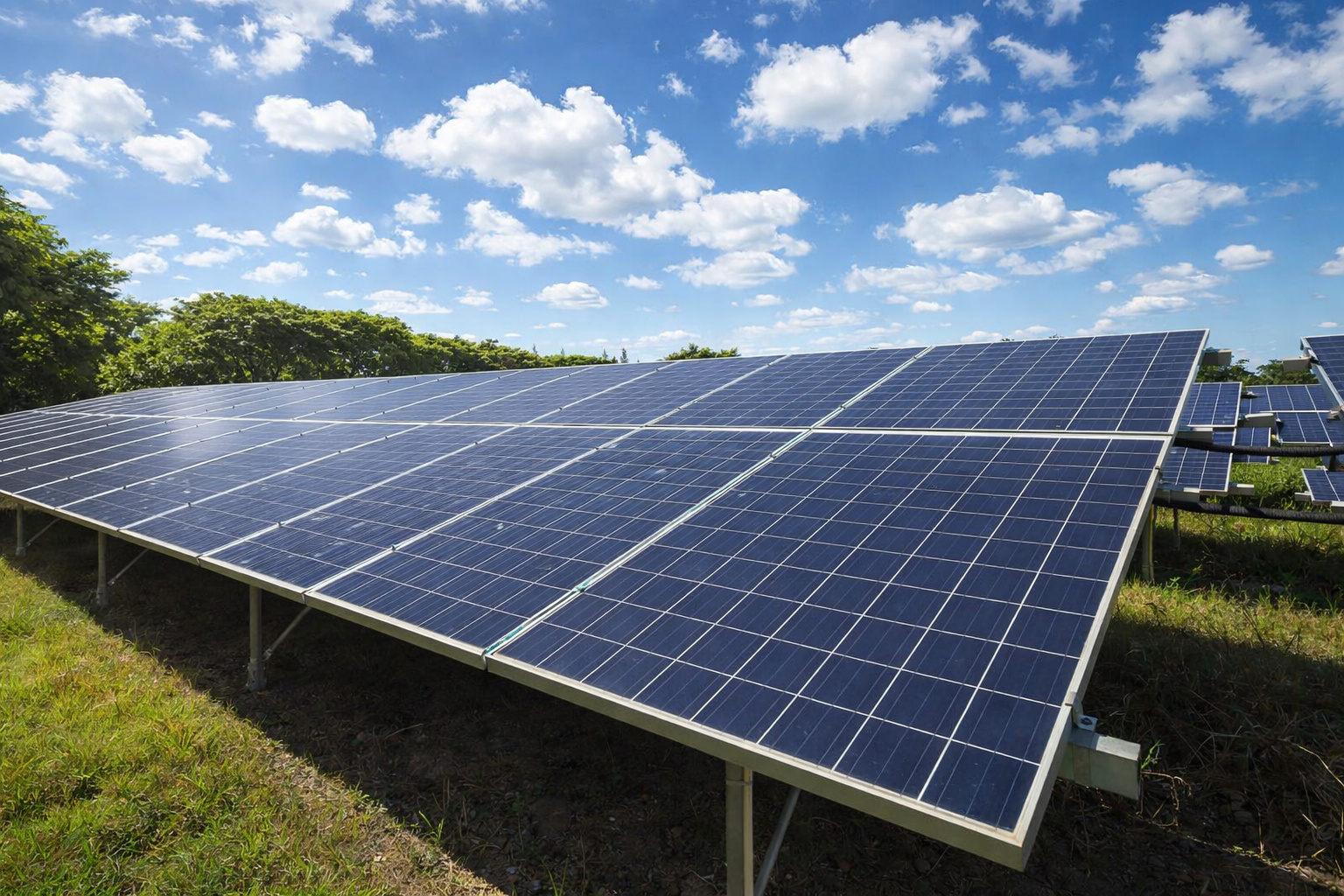
Minas Gerais takes the lead in renewable energy: State surpasses historic mark of 14 GW in solar energy generation in MG and consolidates dominance in the Brazilian electric sector.

The central mechanism was the incentive tariff, which ensured the purchase of electricity generated from renewable sources at fixed prices above market rates. This model quickly boosted the construction of large solar plants, making the country one of the largest photovoltaic markets in the world. However, with the maturation of the sector, there has been growing assessment that the subsidies may have fulfilled their initial purpose and now require adjustments.
Environmental Criticisms of Large Solar Plants Gain Strength
In recent years, the expansion of large solar plants has faced increasing criticism from residents and environmentalists. In environmentally sensitive areas, such as the Kushiro wetlands in Hokkaido, solar projects have been accused of causing environmental degradation.
Experts warn of the loss of natural habitats and risks to biodiversity, including threatened species. These impacts have reinforced the argument that the expansion of solar energy needs to consider stricter environmental limits.
In light of this scenario, authorities have begun to question whether the current incentives stimulate projects aligned with environmental preservation or only favor large-scale expansion.
Subsidies, Billion-Dollar Costs and Impact on Electricity Bills
The amounts involved help explain the review of subsidies. In 2025, the Japanese budget allocated to incentive tariffs reached 4.9 trillion yen, about 31.5 billion dollars. More than 60% of this amount was directed to commercial solar energy.
A significant portion of this cost ends up being passed on to consumers, putting pressure on electricity bills in a context of economic challenges. Lawmakers and regulatory agencies have begun to question the sustainability of the model in the medium and long term. For Japan, maintaining high incentives for large solar plants may become financially unfeasible without structural reform.
External Dependence Raises Concerns About Japan’s Energy Security
Another central point of the debate is energy security. Currently, China accounts for about 80% of global solar panel production, which raises strategic concerns for Japan.
Authorities warn that subsidies ultimately strengthen external production chains, increasing the country’s vulnerability to geopolitical tensions and supply disruptions. This factor has been frequently cited by lawmakers advocating a review of incentives for solar energy.
External dependence reinforces the argument that the country needs to diversify its energy strategy, reducing its focus on large solar plants.
Solar Energy Grows but Faces Structural Limits
Despite the criticisms, solar energy remains a pillar of Japan’s electricity matrix. In 2024, the source accounted for 9.9% of electricity generated in the country, according to official data.
The goal of Japan is to raise this share to between 23% and 29% by 2040, which will require significant expansion of installed capacity. However, experts assert that this growth will not depend solely on subsidies, but also on technological innovation, efficiency, and better land planning.
The challenge now is to grow without repeating past mistakes, balancing energy expansion, environmental protection, and economic stability.
Incentives Should Remain for Residential Solar Energy
A highlighted point is that the possible withdrawal of subsidies will not affect residential systems. Incentives for the installation of solar panels in homes and small buildings should be maintained.
Distributed generation is seen as strategic for energy security, reducing transmission losses and decreasing the need for new large solar plants.
Moreover, the model provides direct benefits to consumers, who begin to generate part of their own electricity. This shift in focus indicates that Japan intends to strengthen a more decentralized model of solar energy.
Market Reacts Cautiously to Possible Withdrawal of Subsidies
The signal of ending subsidies starting in 2027 has raised concerns among companies and investors. Industry representatives state that a sudden withdrawal of support could reduce the number of new large solar plant projects.
Analysts advocate for regulatory predictability, warning that sudden changes could impact confidence in the Japanese renewable energy market. Nevertheless, there is consensus that the current model of incentives would not last indefinitely. The debate now centers on how to implement the transition without causing excessive rollback in the sector.
Official Proposals Must Be Presented by the End of the Year
The government has stated that it intends to draft formal proposals by the end of this year to redefine subsidies for large solar plants. The measures will undergo technical analysis, parliamentary debate, and public consultations.
The final decision will have a direct impact on investments, climate policy, and energy planning, also influencing Japan’s international image as a leader in energy transition.
What Changes for Japan’s Energy Future
The reassessment of incentives for solar energy marks a new chapter in Japanese energy policy. By considering the end of subsidies for large solar plants, Japan seeks to correct economic distortions, reduce environmental impacts, and strengthen its energy security.
At the same time, maintaining support for residential generation indicates that solar energy will continue to be strategic. The focus shifts from merely accelerated expansion to prioritizing sustainability, efficiency, and fiscal balance.
The decisions made in the coming months will have lasting effects on the Japanese energy sector and will serve as a reference for other countries facing similar challenges in the transition to clean sources.









Seja o primeiro a reagir!