





 Portuguese
  English
  Spanish
  4 min of reading
  0 comments


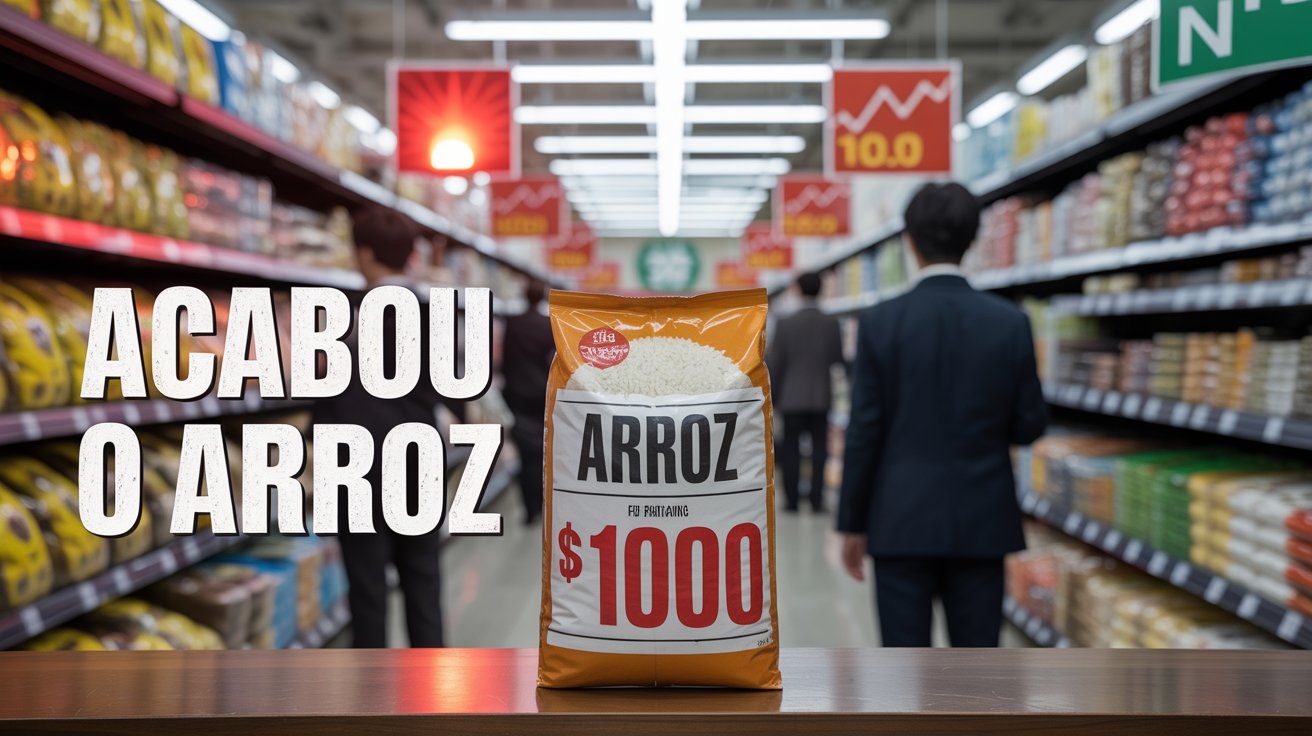
Rice Prices In Japan Reach Historic Levels, Causing Unexpected Impacts On Everyday Life And The Gastronomic Sector. This Crisis Reveals Deep Connections Between Agricultural Policies, Climate Change, And Consumer Market Behavior.
Japan is experiencing an unprecedented rice market crisis, with the price of a 60 kg sack reaching a historic high of over ¥ 1,000 (¥ 26,400, around US$ 184), according to a Financial Times report published last Friday (06).
The rise in prices comes after years of stability and calls into question the routine of Japanese consumers, who are now facing long lines, empty shelves, and even the closure of commercial establishments.
The shortage of this staple product in the local diet is a consequence of the poor harvest in 2023, coinciding with the end of a long period of deflation in the country and retailers’ increased willingness to pass on costs to customers.
-
A new Brazilian shopping center worth R$ 400 million will be built in an area equivalent to more than 4 football fields, featuring 90 stores, 5 cinemas, a supermarket, a college, and parking for 1,700 cars, potentially generating 3,000 jobs.

-
A couple buys an old chalet, breaks the kitchen floor for renovation, and finds over a thousand coins of gold and silver hidden since the English Civil War over 4 centuries ago.

-
Rigid bags with their days numbered: new trend prioritizes comfort in 2026.

-
YouTuber creates an excavator equipped with a giant 4.5-meter sword to challenge his brother to a rematch, and the invention quickly goes viral on social media.


According to the British newspaper, although Japan is not technically out of stock, high demand and rice retention by wholesalers have worsened the situation.
Government Releases Strategic Reserves To Contain Crisis
To attempt to mitigate the impact, the Japanese government resorted for the first time to its strategic rice reserve, releasing part of it last weekend.
This generated queues of several hours at supermarkets across the country, highlighting the desperation of the population in the face of scarcity.
The competition among the main market players has also intensified.
Agricultural cooperatives, which control about 40% of the sector, are competing for rice with wholesalers and large buyers, such as restaurant chains and food manufacturers, further driving up prices.
Some cooperatives have paid farmers directly about ¥ 26,000 for a sack of rice, but are now facing difficulties selling the product without losses, pushing supermarket prices to unprecedented levels.
Empty Shelves And Impact On Consumer Routine
On the shelves, the situation is concerning: many stores display nearly empty shelves or have prohibitive prices, forcing budget-conscious consumers to turn to cheaper alternatives such as bread and pasta.
In the city of Atami, the situation is critical: the subsidized stock of rice from an agricultural cooperative ran out in minutes right after the stores opened.
An elderly couple reported to the Financial Times that they left without the product, as the more affordable rice had already sold out by the time they reached the checkout. The cooperative has not yet announced when there will be a new supply.
Japanese Curry Restaurants Feel The Effects Of The Crisis
In addition to the direct impact on consumers, the rice crisis resonates in the gastronomic sector, especially in restaurants specializing in Japanese curry—one of the country’s most popular dishes.
According to a Bloomberg report, the last year saw a record number of bankruptcies among these establishments, with 13 restaurants accumulating debts of over ¥ 10 million (around US$ 70,000).
The Teikoku Databank survey, an analysis firm based in Tokyo, warns that the real number may be even higher, as small family-owned restaurants are not fully accounted for.
The skyrocketing prices of essential curry ingredients—such as rice, spices, meat, and vegetables—coupled with rising energy costs have drastically reduced the profit margins for restaurant owners.
A basic curry rice dish, considered a classic of Japanese home cooking, now costs about ¥ 365 (US$ 2.50), a record amount for consumers.
During the pandemic, the demand for delivery spurred a boom in the consumption of the dish, but this trend has slowed, affecting sales and increasing the financial difficulties faced by establishments.
Government Measures And Political Scenario
To try to contain the negative effects of the crisis, the government led by Prime Minister Shigeru Ishiba has been adopting emergency measures.
Among the actions is the release of rice reserves before the elections for the upper house, scheduled for July 2025, a move aimed at alleviating public discontent with inflation and rising rice prices.
Additionally, Ishiba established a special committee to discuss urgent reforms in the country’s agricultural policy and promoted a change in the Ministry of Agriculture, replacing the former minister with Shinjiro Koizumi, son of former Prime Minister Junichiro Koizumi, tasked with leading the recovery.
Decades of public policies have kept prices controlled to protect the rural electorate, considered an important political base, but the rise in prices has primarily impacted urban families, turning the issue into a national political problem.
Growing criticism is being directed toward the old “land reserve” program, which aimed to raise rice prices by encouraging farmers to leave part of the cultivated areas idle.
This policy was only terminated in 2018, but left consequences that are still visible in the product supply.






Seja o primeiro a reagir!