





 Portuguese
  English
  Spanish
  3 min of reading
  0 comments


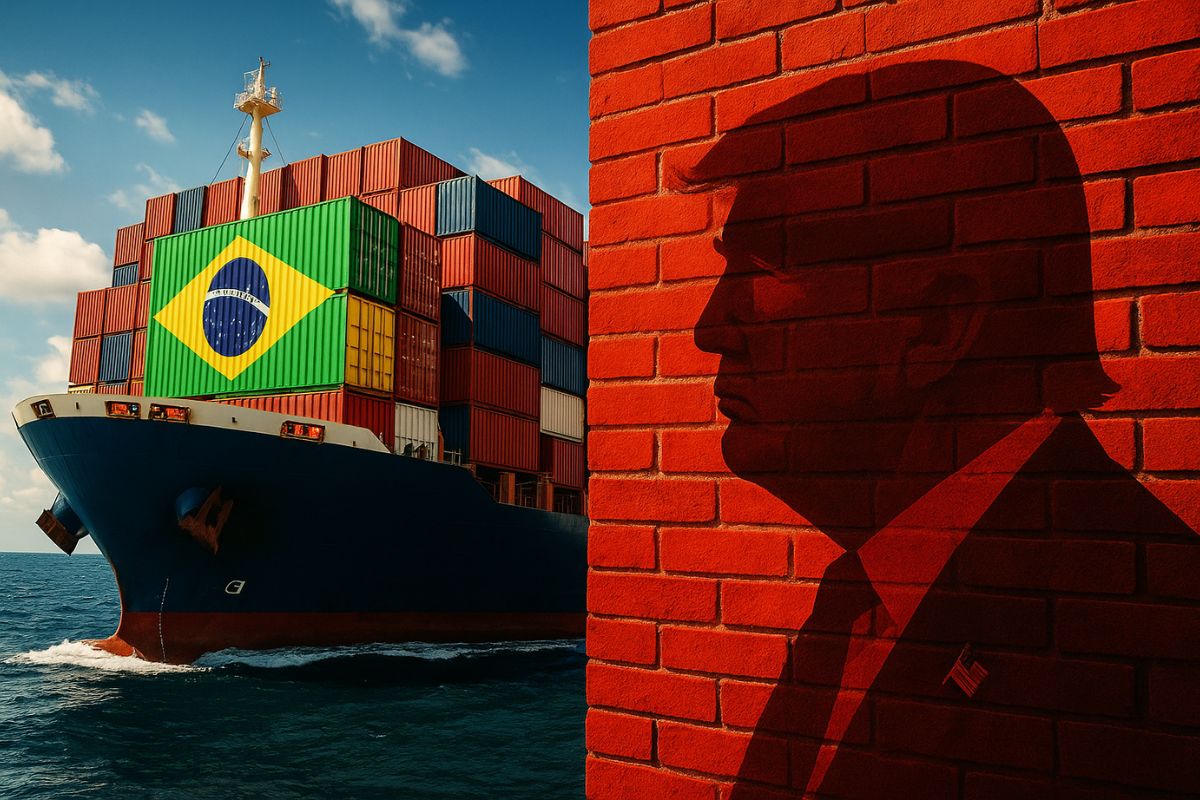
JBS Sees Opportunity for Brazil to Enter New Markets Amid Trump Tariffs. JBS sees an opportunity for Brazil to enter new markets in light of the tariffs imposed by the United States, which are expected to reorganize the global animal protein trade.
The 50% tariff imposed by the Donald Trump administration on Brazilian products has stirred the meat industry but has also opened avenues for new opportunities. According to Gilberto Tomazoni, JBS Global CEO, this change could lead Brazil to occupy spaces left by other countries in international trade. This assessment was made during a Fiesp conference in São Paulo that discussed the effects of tariffs on bilateral relations.
For the executive, even though the initial impact is negative, the measure may stimulate a reconfiguration of trade routes, creating space for Brazil to expand exports to alternative markets and consolidate its position as the largest meat processor in the world.
The Direct Impact of US Tariffs
According to Tomazoni, trade between Brazil and the United States amounted to 200,000 tons of meat in the first half of this year alone. With the maintenance of tariffs, this volume is likely to drop drastically. To balance domestic demand, Americans will need to redirect part of their production for domestic consumption or seek alternative suppliers, such as Australia.
-
50 viaducts, 4 tunnels, 28 bridges, and 40 kilometers of bike paths: BR-262 in Espírito Santo will receive 8.6 billion reais for the largest engineering project in the state’s history, inspired by the Immigrant Highway in São Paulo.

-
Brazil produces too much clean energy and doesn’t know what to do with it: over 20% of solar and wind capacity was wasted in 2025 while investors flee and 509 renewable generation projects were abandoned in the last year.

-
Piauí will produce a new fuel that replaces diesel without needing to change anything in the truck’s engine and reduces pollutant gas emissions by half: truck drivers from all over the Northeast are already celebrating the news that will arrive later this decade.

-
A new Brazilian shopping center worth R$ 400 million will be built in an area equivalent to more than 4 football fields, featuring 90 stores, 5 cinemas, a supermarket, a college, and parking for 1,700 cars, potentially generating 3,000 jobs.


In this scenario, Brazil may take the lead in secondary markets that will be left uncovered. The logic, according to the JBS CEO, is that of “communicating vessels”: when one market closes, it opens space in others. This repositioning may strengthen the Brazilian animal protein industry, enhancing its relevance in global trade.
JBS Strategy Amid the Crisis
JBS, listed on stock exchanges in Brazil and the United States, bets on diversification as its main shield against crises. The company operates across different geographies and proteins, which allows it to adapt production flows according to political and trade fluctuations.
Tomazoni highlighted that the IPO in the US is expected to reinforce the company’s value and attract international investors. “We did not build the platform for this tariff scenario, but it serves to protect the business and maintain growth even in times of instability,” he stated.
View of the Brazilian Government
The Executive Secretary of the Ministry of Finance, Dario Durigan, stressed that market diversification has been key to protecting the economy. According to him, this policy has helped preserve foreign exchange reserves and acted as a “stability cushion” in times of crisis.
The Minister of Foreign Affairs, Mauro Vieira, argued that Brazil should lead a “refoundation” of the World Trade Organization (WTO), given the organization’s inability to resolve disputes. The Lula government has formally notified the United States at the WTO in response to Trump’s tariffs. Although the action has limited practical effect, it was considered an important symbolic gesture in defending the multilateral system.
JBS sees an opportunity for Brazil to enter new markets even in the face of an adverse scenario imposed by American tariffs. For the company, the reconfiguration of international trade may open strategic doors that reinforce Brazil’s position in the global animal protein chain.
Do you believe that Brazil will be able to turn this crisis into an opportunity? Which markets could be more advantageous for Brazilian meat? Share your opinion in the comments — we want to hear from those closely following this sector.









-

Uma pessoa reagiu a isso.