





 Português
  Inglês
  Espanhol
  4 min de leitura
  0 comentários


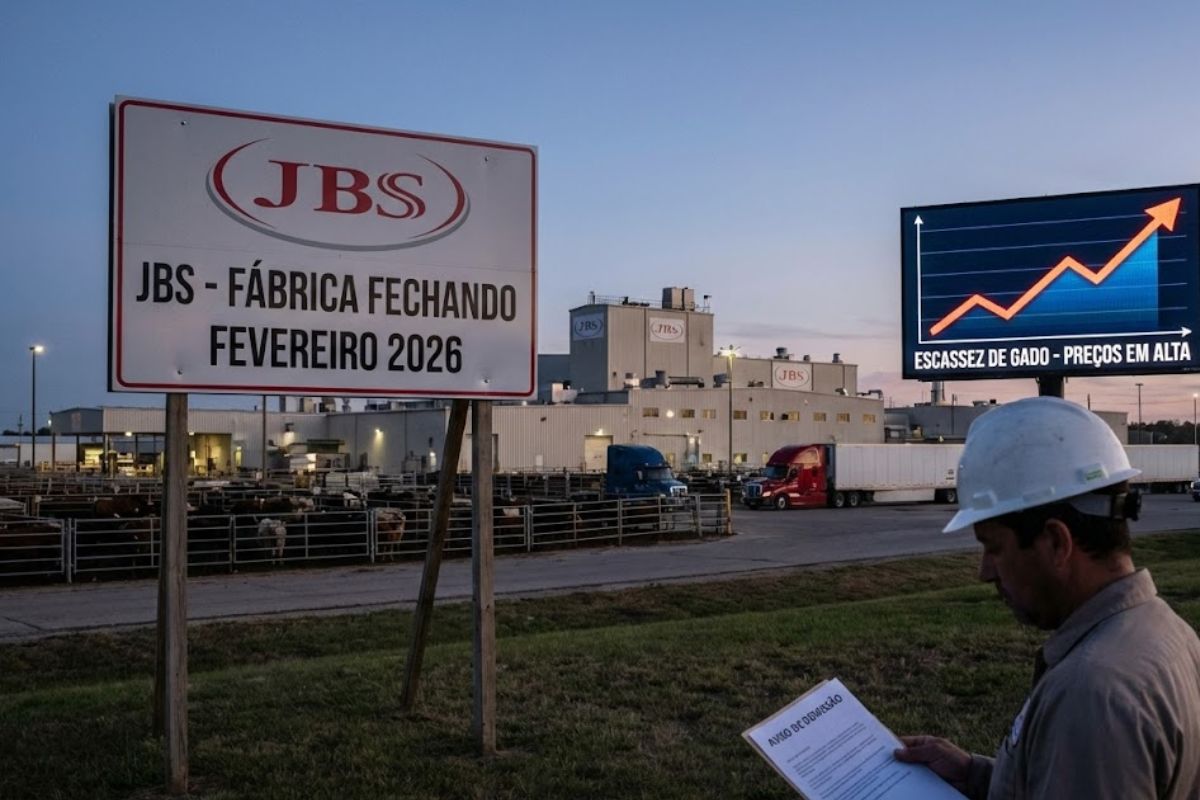
JBS Beef Plant in Riverside, Operated by Swift Beef, to Shut Down on February 2, 2026, with 374 Layoffs, Production Relocation, Pressure from Cattle Shortage in the U.S. and Bet on Natural Leather with the New JBS VIVA, with Prolonged Droughts and Suspended Mexican Imports
JBS confirmed that it will close the beef plant in Riverside, California, near Los Angeles, on February 2, 2026. The closure of the facility, operated by the subsidiary Swift Beef Company, is expected to eliminate 374 jobs and occurs at a time when the North American market is dealing with a historic decline in the cattle herd and cattle shortage.
According to the company, however, the decision is part of a strategic reorganization of JBS, focusing on simplifying operations, relocating production to other plants in the U.S., and strengthening its portfolio of higher value-added and ready-to-eat products. The company states that employees will be able to apply for positions in other units of the group while adjusting its industrial presence in the country.
JBS Closes Riverside Unit and Relocates Production
The plant that will close in Riverside belongs to Swift Beef Company, a subsidiary of JBS, and was dedicated to processing beef for sale in supermarkets, without carrying out animal slaughter.
-
Brazilian city gains industrial hub for 85 companies that is equivalent to 55 football fields.

-
Peugeot and Citroën factory in Argentina cuts production by half and opens a layoff program for more than 2,000 employees after Brazil drastically reduced purchases of Argentine vehicles.

-
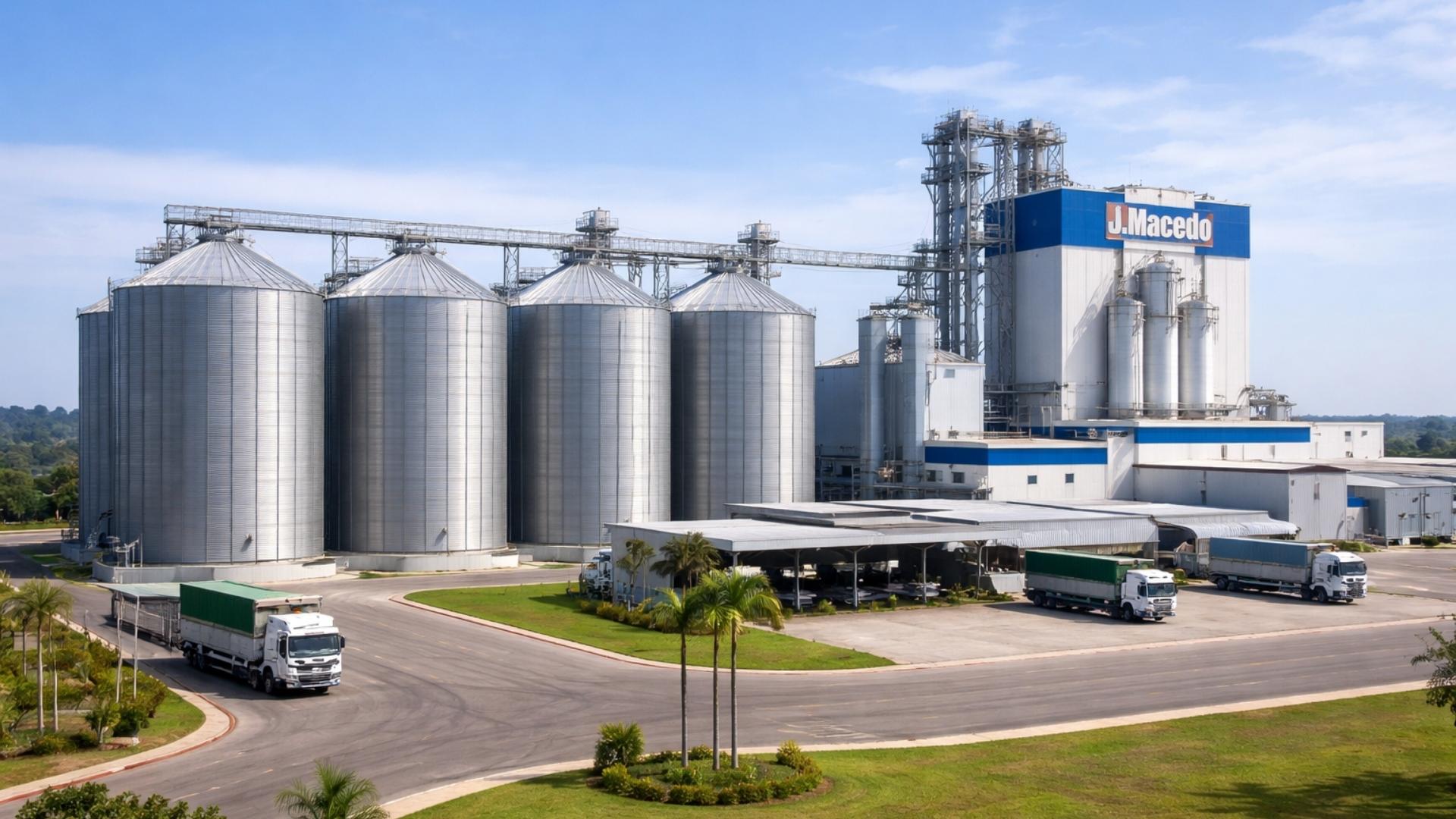
A Brazilian city gains a factory worth R$ 300 million with the capacity to process 200 thousand tons of wheat per year, a mill of 660 tons/day, silos for 42 thousand tons, and an industrial area of 276 thousand m².
-
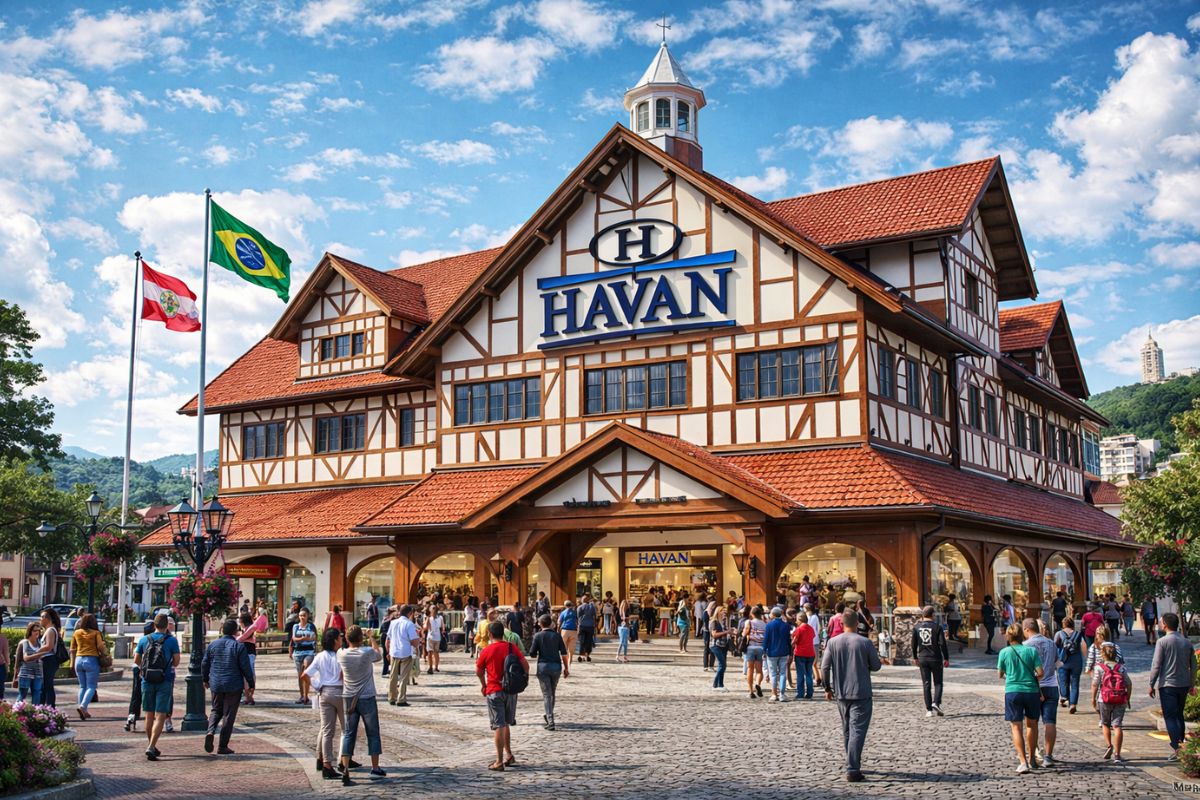
Havan will leave the shopping mall in Blumenau to inaugurate something that the chain has never done before: a megastore in half-timbered style in the Historic Center of the city, which is expected to be completed in May and change the landscape of local retail.

In other words, the location received already slaughtered meat and worked on the final preparation and portioning stages of cuts.
With the closure set for February 2, 2026, production will be transferred to other JBS units in the United States, according to the company’s statement.
The company emphasizes that it remains committed to providing high-quality products and reliable services while adjusting its industrial structure to keep up with changing market demands.
For the 374 affected workers, JBS states that it will open the possibility of internal relocation, allowing them to compete for positions in other group plants.
Even so, the closure of an entire factory tends to raise concerns in the local Riverside community, which loses a significant employer tied to the beef supply chain.
Cattle Shortage, Record Beef Prices, and Political Pressure in the U.S.
Although JBS highlights the strategic restructuring as the main reason for the decision, the factory closure occurs in a delicate scenario for the American meat market.
The United States is facing a historic decline in the cattle herd, affected by prolonged droughts that have compromised pastures, as well as the recent suspension of cattle imports from Mexico, one of the country’s main external suppliers.
This situation has driven beef prices to record levels in 2025, increasing the cost of living for consumers and raising political alarms in Washington.
The U.S. President, Donald Trump, reacted by accusing meatpackers of price manipulation and ordered investigations into price formation in the sector, which increased pressure on major industries, including JBS.
The turmoil does not only affect the Brazilian company. Tyson Foods, another giant in the sector, announced the closure of a major slaughter plant in Nebraska, with about 3,200 employees, in January, signaling how the combination of scarce cattle, high costs, and tense political climate is reshaping the industrial landscape for beef in the United States.
JBS Restructuring and Impact on Workers
In its official communication, JBS seeks to dispel the notion that the closure of the Riverside unit is a direct reaction solely to the lack of cattle.
The company insists that it is a restructuring decision, aimed at simplifying operational networks, concentrating production in strategically considered plants, and reinforcing its focus on higher value-added products.
Nevertheless, the context of cattle shortage and expensive meat creates the perception that the business environment has become more challenging. For the workers, the practical effect is immediate: 374 jobs will be cut with the cessation of activities.
Even with the possibility of moving to other JBS plants, not everyone will be able to maintain the same income level or stay in the same city.
The Riverside area, near Los Angeles, loses an industrial unit that helped to supply supermarkets with processed beef.
Relocating production to other JBS factories may, in the short term, require logistical and operational adjustments, while the company tries to maintain supply and competitiveness in a market pressured by costs and regulatory scrutiny.
New Bet from JBS: Natural Leather and JBS VIVA
While closing a beef plant, JBS is making moves on another front. The company is preparing to launch JBS VIVA, a new natural leather processor, a project that arises after the acquisition of Vanz Holding in its entirety. This initiative is part of a strategy to diversify JBS’s portfolio.
With JBS VIVA, the company aims for higher value-added products and markets that are less dependent on the immediate supply of cattle for slaughter, such as the leather segments focused on the furniture, footwear, and automotive industries.
The internal view is that by strengthening businesses linked to leather, JBS creates new revenue sources and reduces exposure to more aggressive cycles in the fresh meat market.
In practice, JBS tries to show that the closure of the Riverside unit in February 2026 is just one chapter of a broader reconfiguration of the company, which includes both painful adjustments, such as the 374 layoffs in California, and offensive movements in areas considered strategic, such as natural leather.
And you, do you think that JBS’s decision to close the Riverside plant makes sense within this restructuring strategy in the United States?









-

-

-

8 pessoas reagiram a isso.