





 English
  Francês
  Alemão
  Italiano
  Japonês
  Norueguês
  Portuguese
  Spanish
  3 min of reading


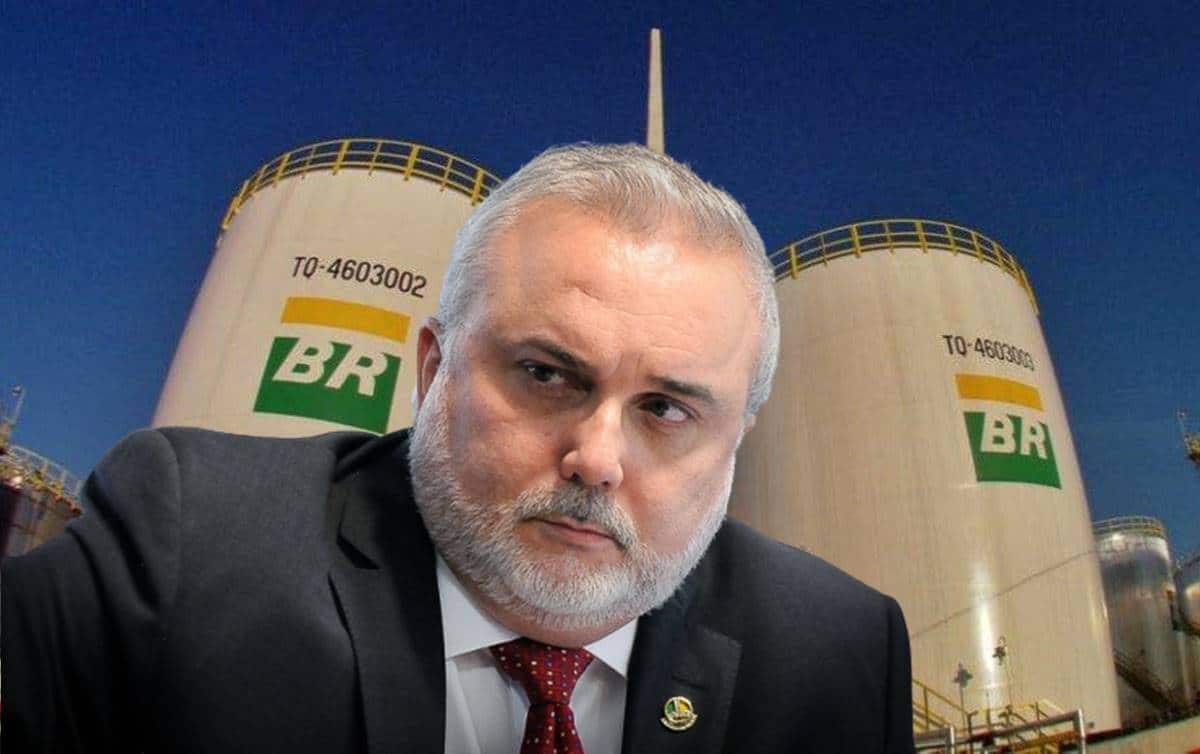
The End of the Privatization Process of Refineries May Lead to Serious Economic Problems in Brazil. The Lula Government and Jean Paul Prates Are Then Analyzing New Alternatives to Maintain the Agreement Between Petrobras and Cade in the Coming Years.
Even with only a few days of active mandate, the Lula Government is already facing one of the major problems in the fuel sector for the year 2023, the sale of Petrobras refineries to the private market. This is a plan outlined in an agreement with Cade, made in 2019, which was set to be finalized with the new government. However, for this Tuesday, (01/10), the future president of the state-owned company, Jean Paul Prates, is analyzing new directions for the project.
Privatization Project of Petrobras Refineries May Not Be Finalized, But May Take New Directions Under the Command of Jean Paul Prates in the Lula Government
As stated during the electoral race of current President Lula, the new Lula Government is considering the end of the plan to sell Petrobras refineries, as outlined in the agreement with the Administrative Council for Economic Defense (Cade), aiming to keep six refineries under the command of the oil company.
The future president of the state-owned company, Jean Paul Prates, intended to break the agreement made in 2019, but the risks currently presented for the national market may change the course of the initiative.
-
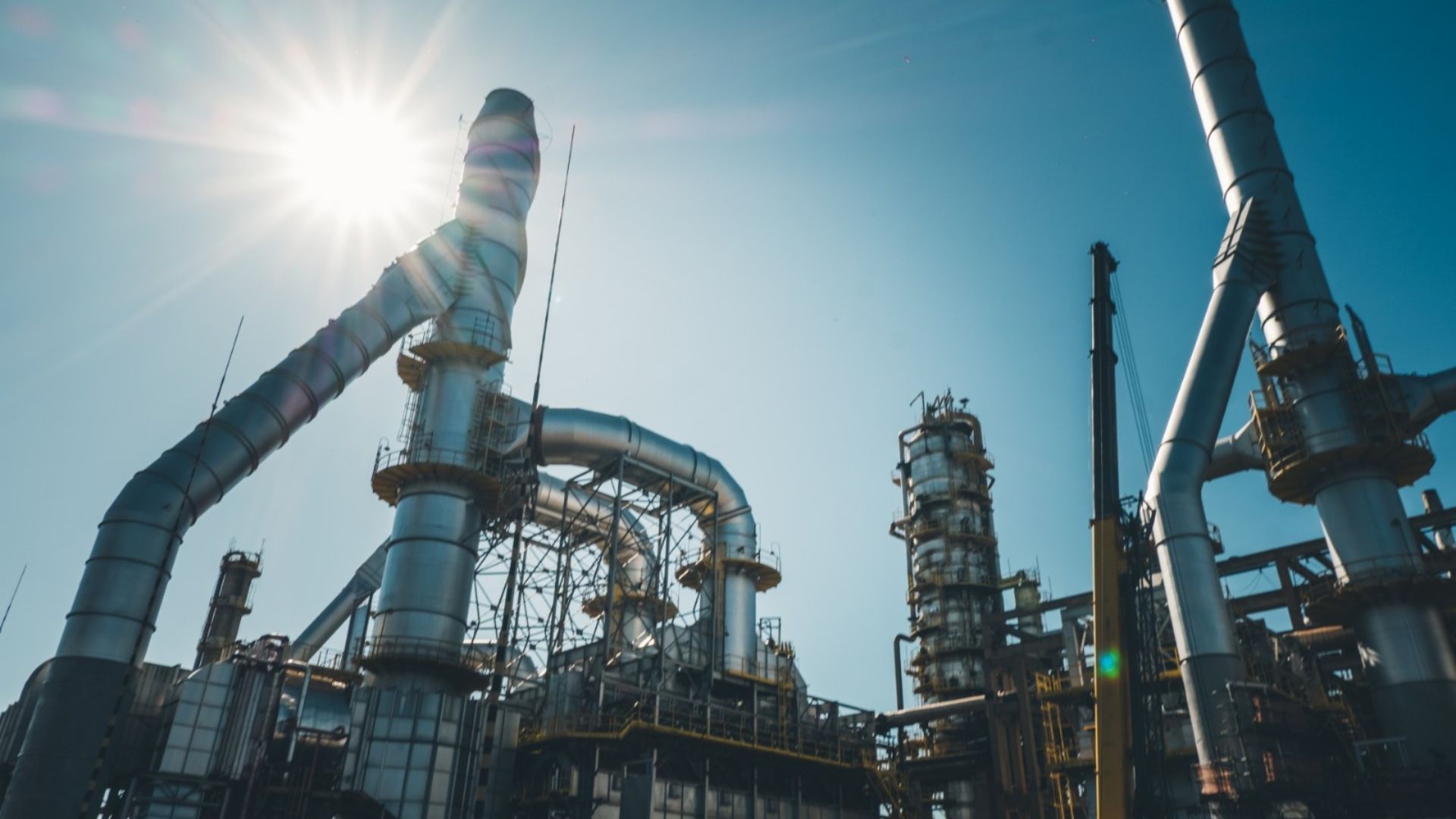
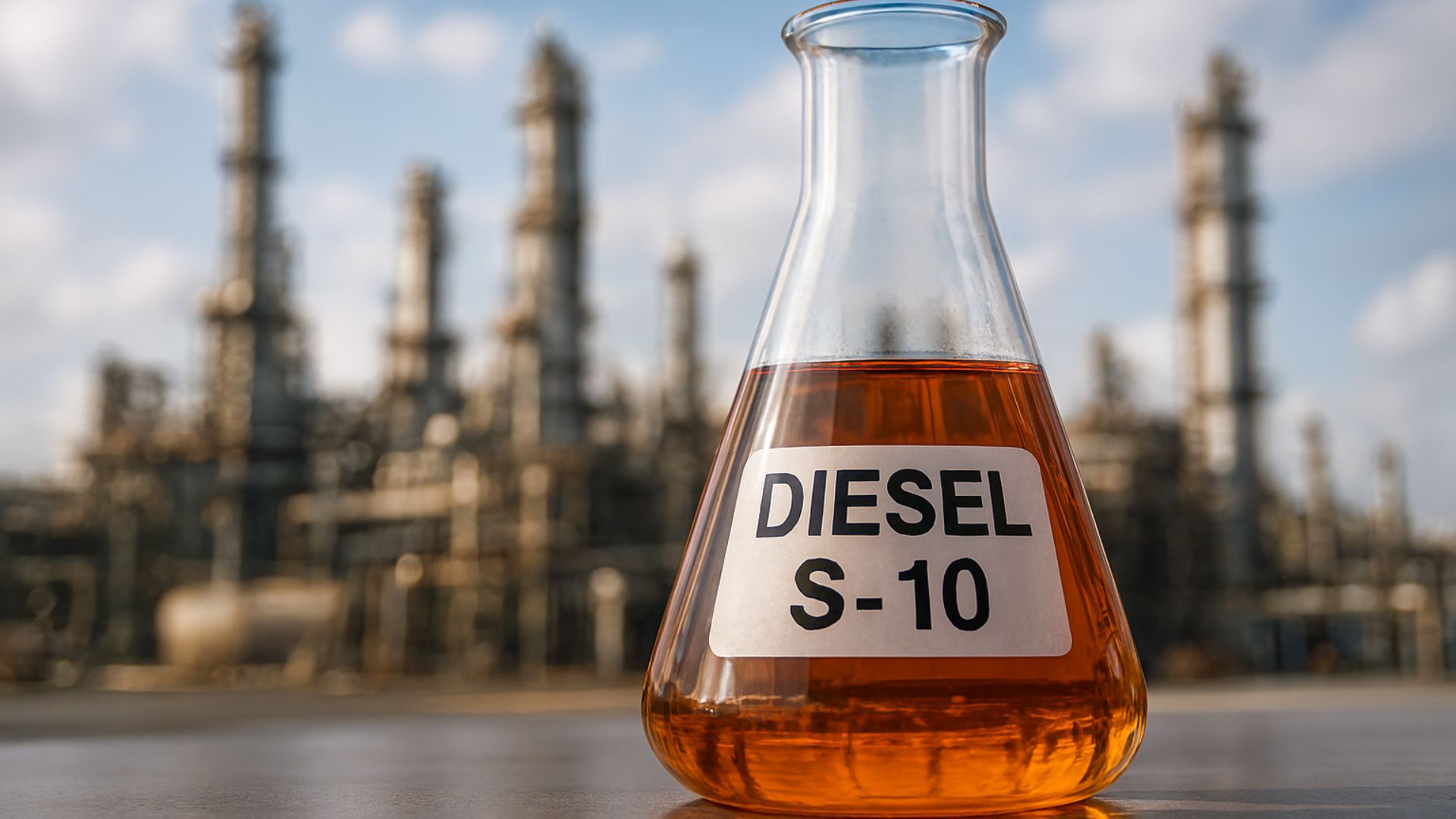
Petrobras Expands Refining in Brazil, Increases Production of Diesel S-10 and Gasoline, Enhances Operational Efficiency, and Reduces Import Dependence Between 2023 and 2025
-
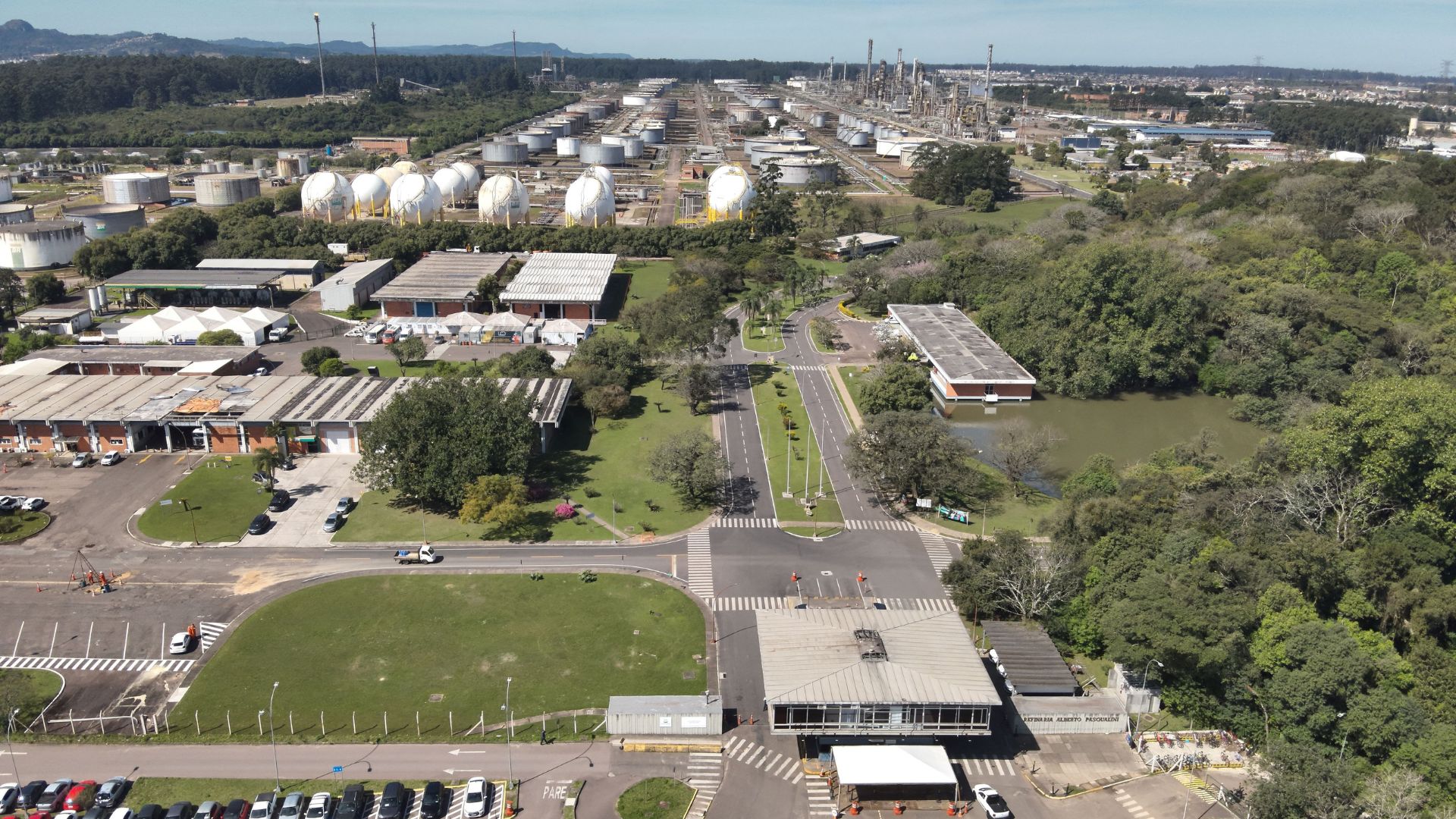
Petrobras’ Refap Sets Historic Records for Gasoline and S-10 Diesel Production in Canoas in Q4 2025, Surpassing Previous Figures
-
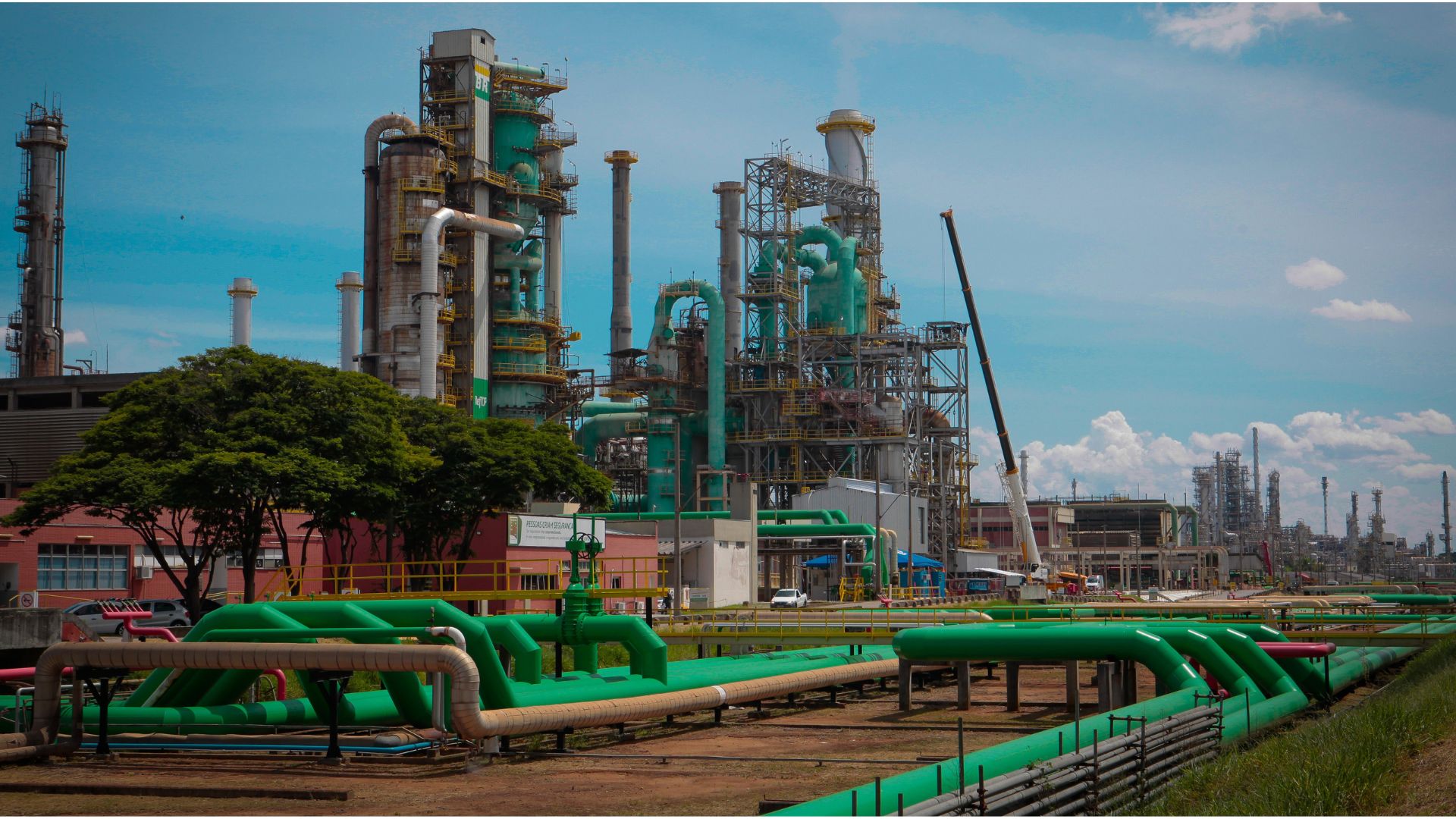
Revap Starts Operation of Modernized HDT and Petrobras Expands S-10 Diesel Production by 80% at the Refinery, Boosting Supply of Less Polluting Fuel in Brazil
-
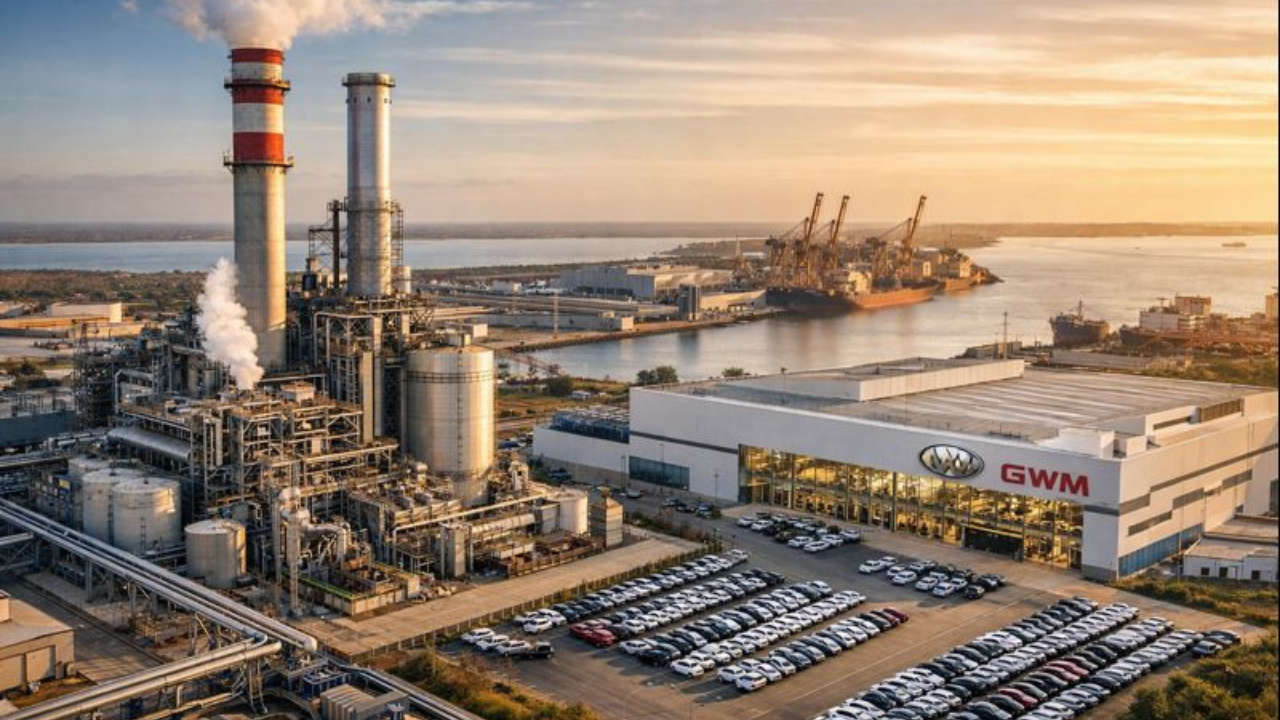
Thermal Power Plant in Rio Grande do Sul Is Key to Attracting GWM

This is because the damage that may be caused to the national oil and gas market could be irreversible, according to analysts in the sector.
Thus, one of the viable alternatives to continue with the privatization project while still keeping the Lula Government’s promise to encourage domestic refining is being analyzed.
The plan envisions the continuation of the sale of Petrobras refineries as outlined in the agreement with Cade, to then utilize the funds raised for the construction of new structures, stimulating the segment.
Although the Lula Government intended, along with Jean Paul Prates, to encourage production at Brazilian refineries with the end of the agreement, this seems to be impossible.
This is because if the president moves forward with the plan, Petrobras will once again face a sanctioning process that was suspended with the signing of the agreement with Cade.
The chances of the oil company being condemned for alleged abuse of economic power are significant, thus bringing new problems for the future of the current chief executive’s administration.
Sale of Petrobras Refineries for Construction of New Structures May Bring More Competition to the Fuel Market in Brazil
Despite facing a major problem at the start of the mandate, the Lula Government may proceed with the project of selling the refineries for investments in new structures as a way to circumvent the agreement with Cade.
In addition to fulfilling the agreement and increasing investments in the sector, as the government desires, this measure would also enhance competition in the sector.
If the future president of the state-owned company, Jean Paul Prates, can assist in the project, the issue of monopoly by the companies that acquired the refineries from the oil company may be minimized.
This is because these organizations have been selling products at even higher prices in their own regions, claiming they are at the mercy of Petrobras’s high prices.
The crisis caused by the pandemic and the conflicts between Russia and Ukraine in 2022 ended up creating a true scenario of instability in the national fuel sector.
Now, it is up to the Lula Government to review and analyze the best alternatives to stimulate production at Brazilian refineries and minimize this scenario.









Seja o primeiro a reagir!