





 Portuguese
  English
  Spanish
  4 min of reading
  2 comments


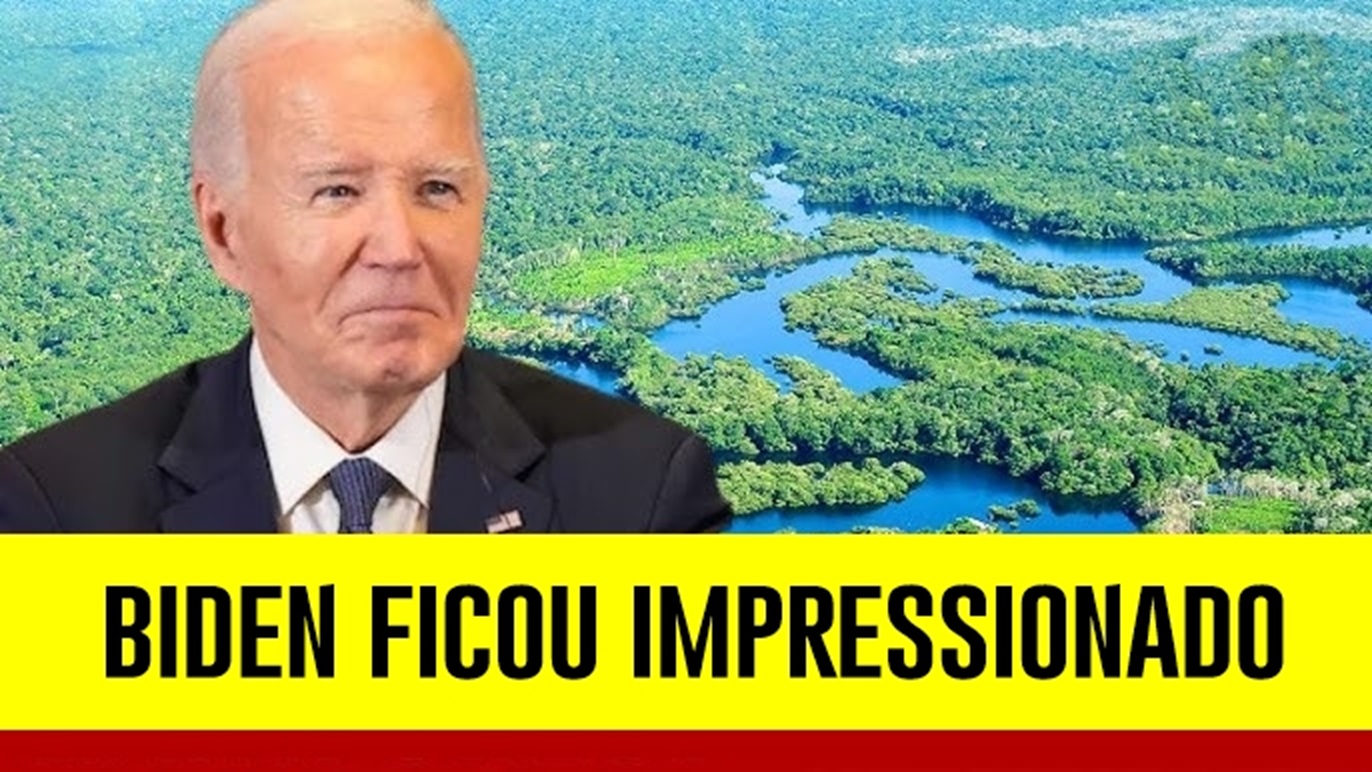

During A Flyover Of The Amazon, President Joe Biden Was Surprised By Something That Caught The Attention Of The Whole World
On Sunday, U.S. President Joe Biden took a 35-minute flyover around Manaus, the capital of the Brazilian Amazon, aboard the helicopter Marine One. Accompanied by six other helicopters from the American fleet, Biden closely observed the devastating effects of extreme drought, the advance of deforestation, and the marks of fire ravaging the rainforest.
According to information from Folha, Brazilian scientist Carlos Nobre from the University of São Paulo (USP) and John Podesta, climate advisor to the U.S. government, were alongside the president on the aircraft. Both provided a technical and contextualized view of the climatic phenomena shaping the region and their impacts on biodiversity and the local population.
Nobre, globally recognized for his studies in the Amazon, is a co-author of the Intergovernmental Panel on Climate Change (IPCC) report that won the Nobel Peace Prize in 2007. Podesta, for his part, interrupted his participation in COP29, held in Azerbaijan, to accompany Biden on the trip to Brazil.
-
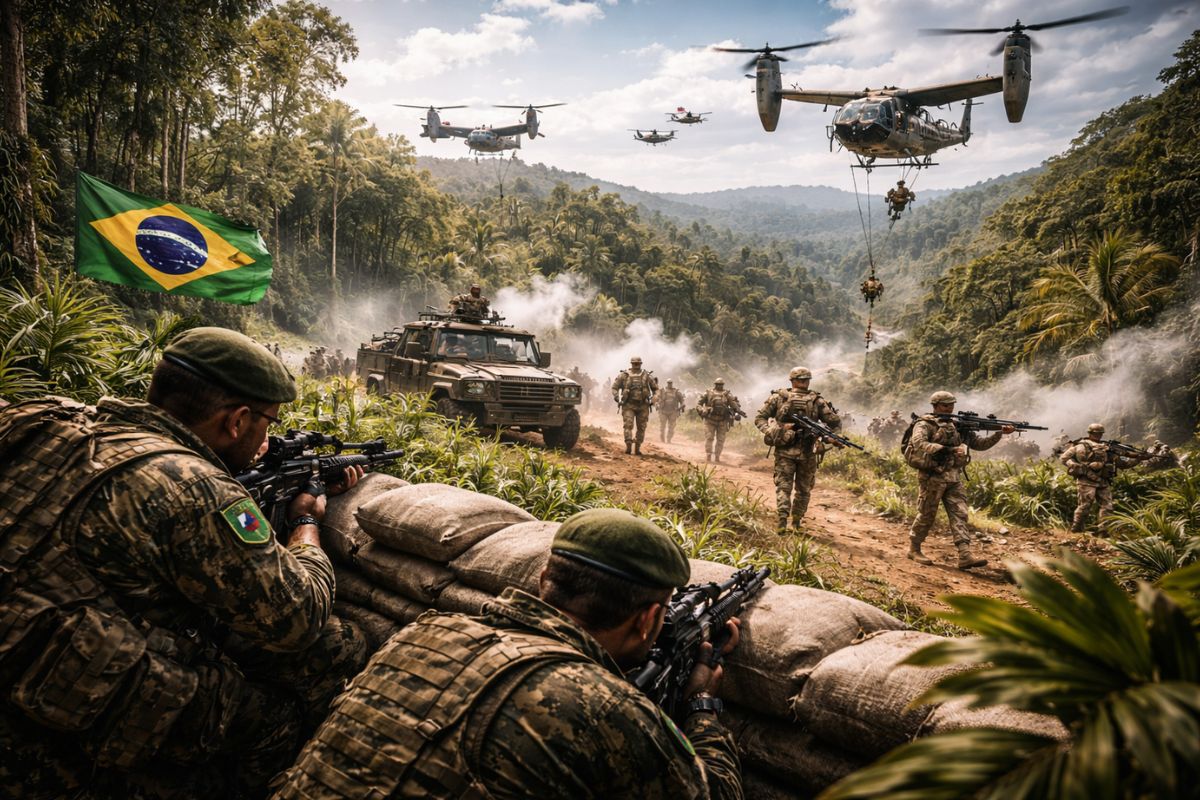
If the USA were to go to war with Brazil, Washington’s greatest fear would not be the attack itself, but facing a vast territory, prolonged resistance, and a costly, chaotic, and unpredictable occupation.
-
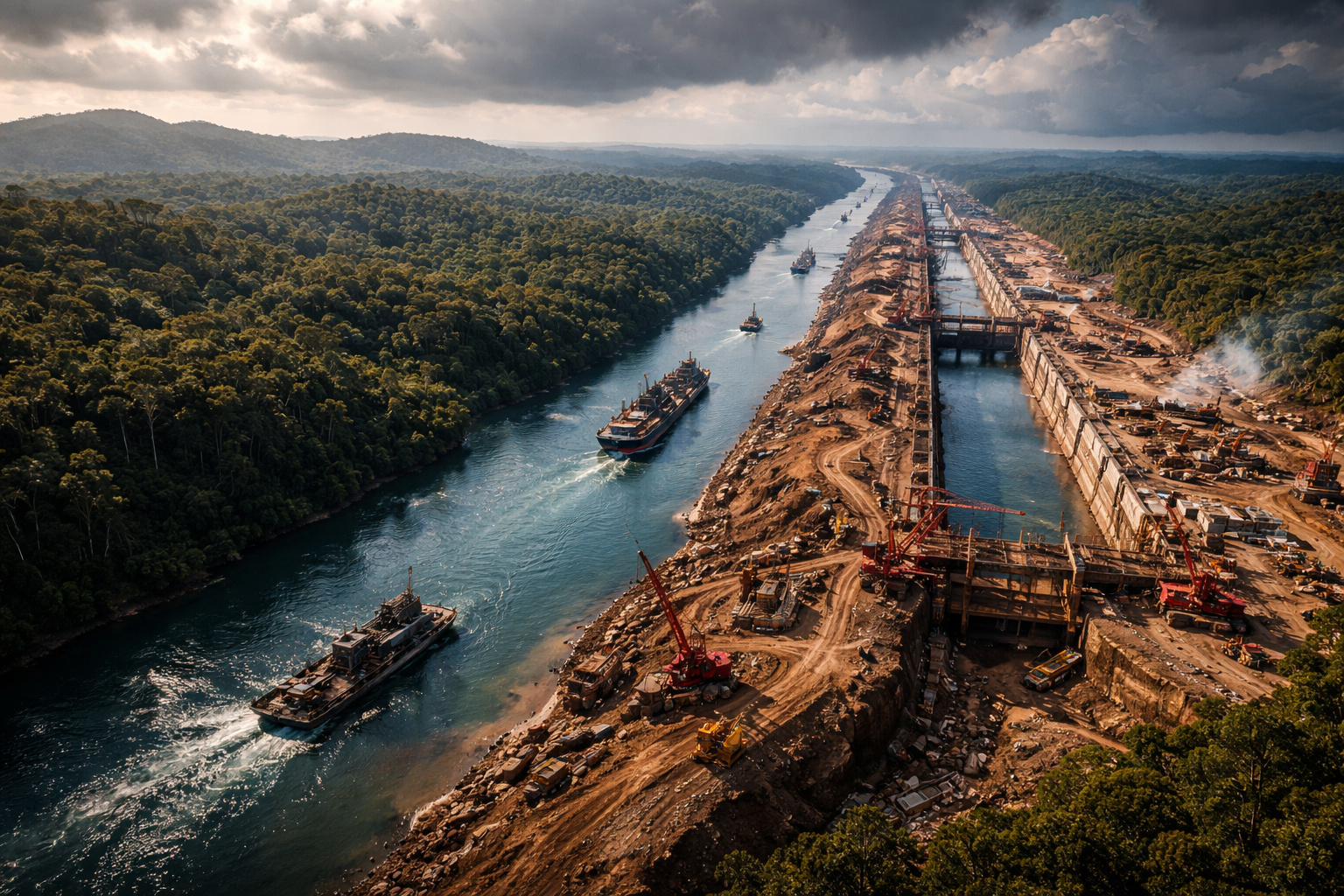
In 2013, Nicaragua sold the concession for a canal to rival Panama to a Chinese billionaire who lost 85% of his fortune, disappeared, and was declared bankrupt. Now the project resurfaces with a new route, a new Chinese partner, and a cost of $64.5 billion.
-
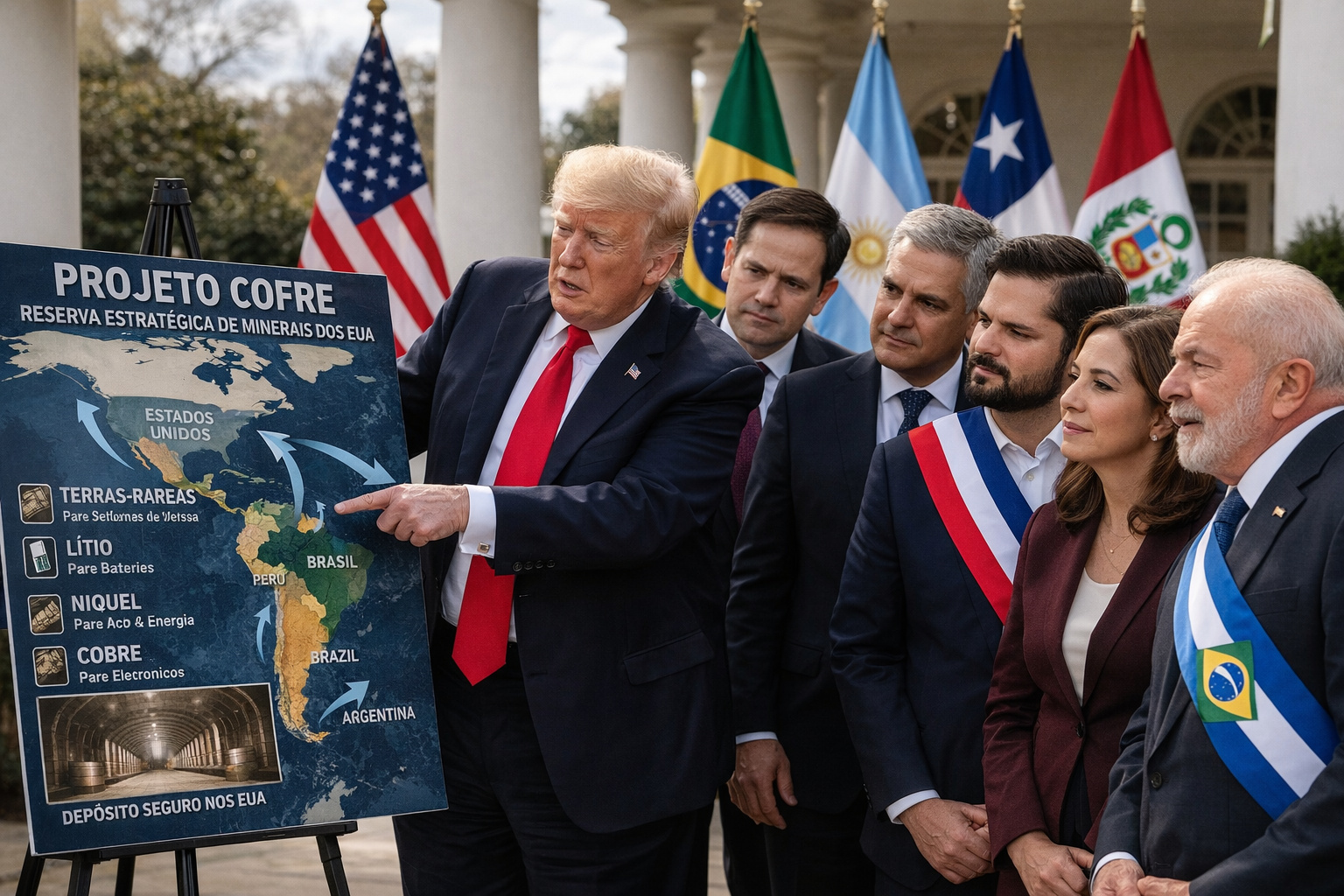
The USA announces a mysterious billion-dollar vault project to store critical minerals, but what intrigues experts is not just the plan itself, but why Latin America, including Brazil, has entered the center of this global dispute against China.
-
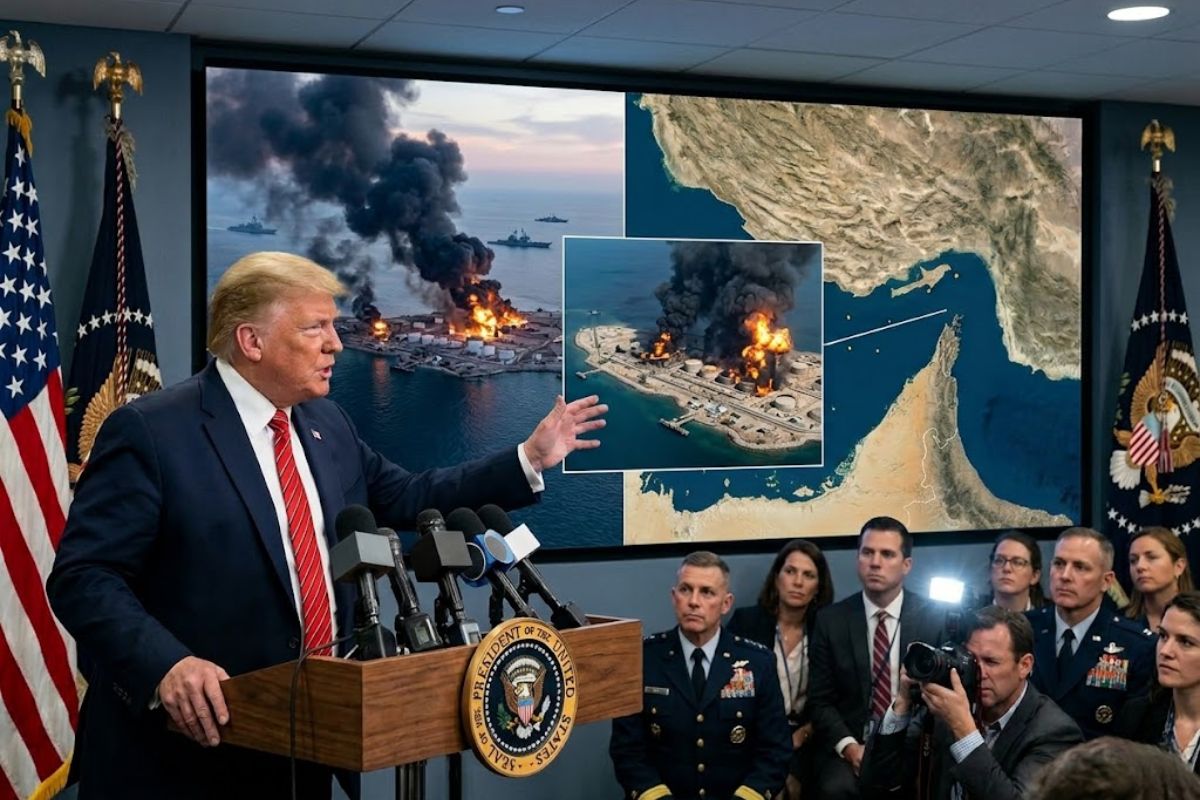
Trump Announces Bombing of U.S. Military Targets on Iranian Island Responsible for About 90% of Iran’s Oil Exports, Warns of Further Attacks if Navigation in Strategic Strait of Hormuz Is Threatened

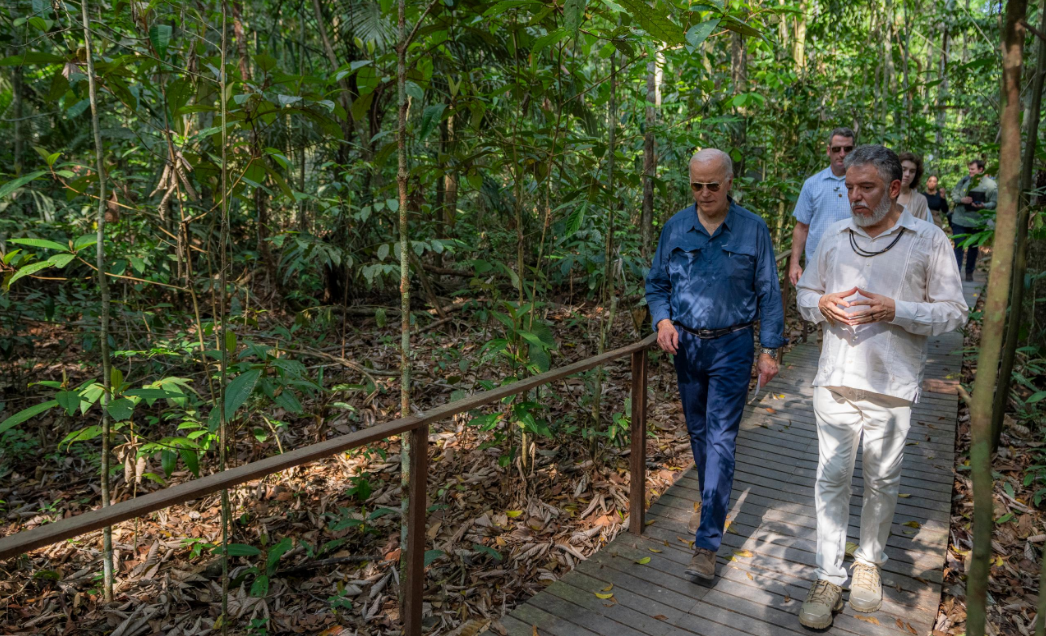
Joe Biden Was Impressed By These Informations
After the flight, Nobre reported that Biden witnessed active fire hotspots in the forest. “The president and I saw two fires occurring in the middle of a forest. It was not in a pasture; it was in the middle of a forest. Someone set a fire there“, the researcher highlighted. He further suggested that the action may have been deliberate due to the presidential visit.
As they crossed the Negro River, the effects of extreme drought were observable. “Going down the river, we could see a highly deforested area. At the height of the confluence with the Solimões River, there is a huge degraded area, and we could see dozens of ships stuck in the area that dried up“, Nobre reported.
According to him, Biden appeared visibly impressed by the extent of the damage.
John Podesta, in a conversation with journalists, also mentioned the observation of fires as a result of human action. “The president was very interested in this point that 96% of the fires in the Amazon are caused by people“, he said. He also highlighted the “fingerprints” of climate change in the region, evident in the critically low level of the Negro River and the devastated banks.
An Historical And Persistent Crisis
The situation experienced by the state of Amazonas illustrates the severity of two consecutive years of extreme drought. The natural cycles of flooding and drought, which typically alternate predictably, have been disrupted by intensified climatic conditions.
Among the factors aggravating the crisis are the El Niño phenomenon, the warming of the North Tropical Atlantic, accelerated deforestation, and the use of fire as a method of forest degradation. These forces, combined with global climate change, result in unprecedented scenarios for the region.
According to data from the Civil Defense of Amazonas, all 62 municipalities in the state remain in a state of emergency. About 850,000 people face direct impacts, including isolation of riverside communities and difficulties with river transport.
In Manaus, the Negro River reached a level of 12.11 meters in October, marking the lowest point in 122 years of measurement. Although the level is gradually rising, recovery is occurring at a slow pace, prolonging the devastating effects of the drought.
Fires And The Public Health Crisis
The fires remain a critical problem. As of November 14, more than 25,000 hotspots were recorded in the state, a 31.5% increase compared to the same period in 2023. These fires not only destroy the forest but also generate waves of smoke that worsen air quality in Manaus and other cities.
During August and September, successive waves of smoke affected riverside communities and urban areas, causing respiratory problems and exacerbating the public health crisis. Even in November, the presence of smoke in the air remains noticeable, albeit with lower intensity.
The Future Of The Amazon Under Discussion
The impact of climate change observed by Biden highlights the urgent need for global action. The United States, the second largest emitter of greenhouse gases, has a significant responsibility in this scenario, just like other major emitters, such as China.
“The effects of extreme drought, combined with degradation caused by fire, make it clear that the forest is at risk”, commented Nobre. For him, the conservation of the Amazon requires a joint international effort, involving science, public policies, and the participation of local communities.
At the end of his visit, Biden reinforced his commitment to climate issues. During his visit to the Museum of the Amazon (Musa), he praised preservation initiatives and emphasized the fundamental role of the Amazon in global climate balance.
Biden’s visit to the Amazon reinforces the message that the impacts of the climate crisis are not just a local challenge but a global threat. The degradation of the world’s largest tropical forest has implications that extend beyond Brazilian borders, affecting climate cycles, biodiversity, and even global food security.









Quer dizer que agora a culpa das queimadas não é mais do homem e sim de AVES INCENDIÁRIAS? AVES? AH! ELA É ƁEM CONHECIDA: ” Bípedes Humanis Safadis ” conta outra Ministra!
Mas, segundo a ministra do MA., essas queimadas não são causadas por humanos, mas sim, por aves incendiárias e pelos efeitos das mudanças no clima. Só era culpa das pessoas quando era outro governo.