





 Portuguese
  English
  Spanish
  4 min of reading
  0 comments


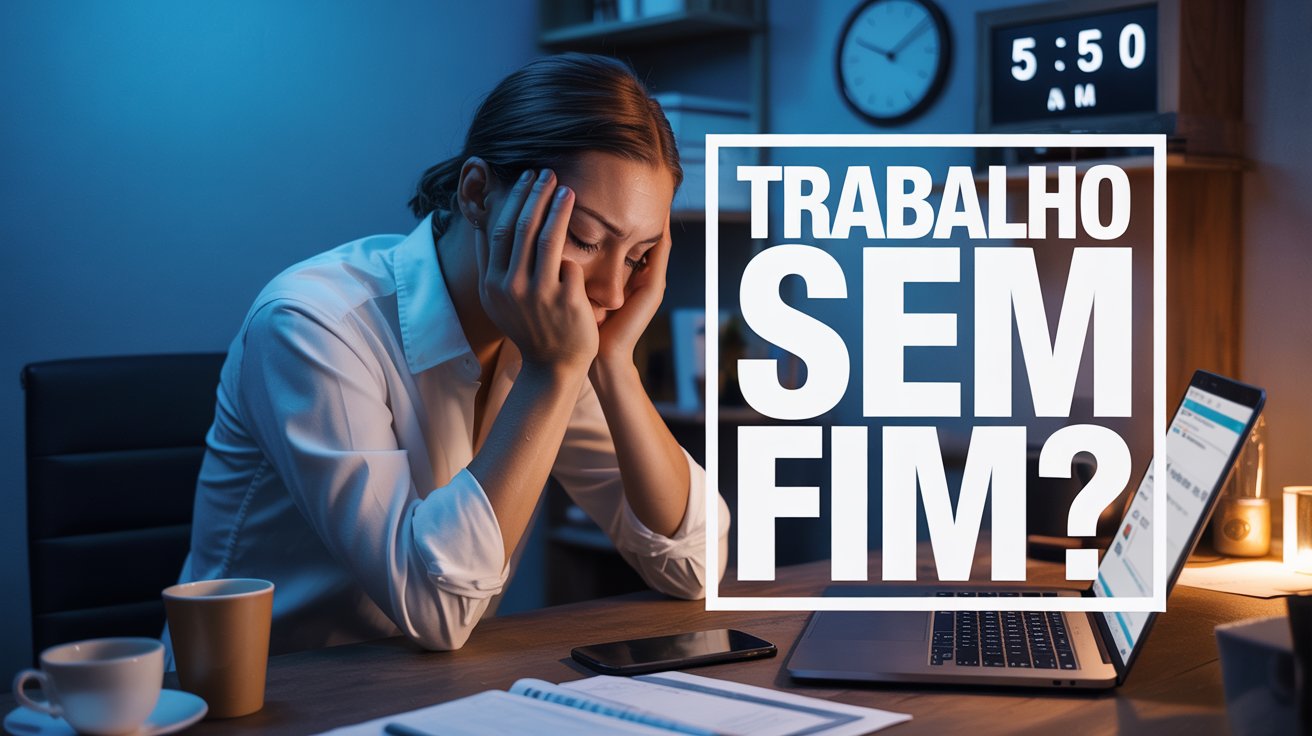
Microsoft Report Reveals New Professional Reality: Exhausting Routine, Uninterrupted Meetings, and Constant Messages Are Turning Employees into Victims of Digital Hyperconnectivity.
Microsoft’s research clearly exposes the escalation of the Endless Workday, which now stretches before 6 AM and extends past 10 PM, eroding the boundaries between professional and personal life.
Data reveals that 40% of employees access work before sunrise; and 29% remain active after official working hours.
The consequence is a digital enslavement, where the omnipresence of work through screens transforms collaborators into servants of notifications.
-
The decommissioned ambulance that became a home with a kitchen, bathroom, and solar energy: a couple invested $3,000 and created a home on wheels.

-
At 102 years old, Kokichi Akuzawa surprises the world by becoming the oldest person to climb Mount Fuji, a feat recognized by the Guinness World Records.

-
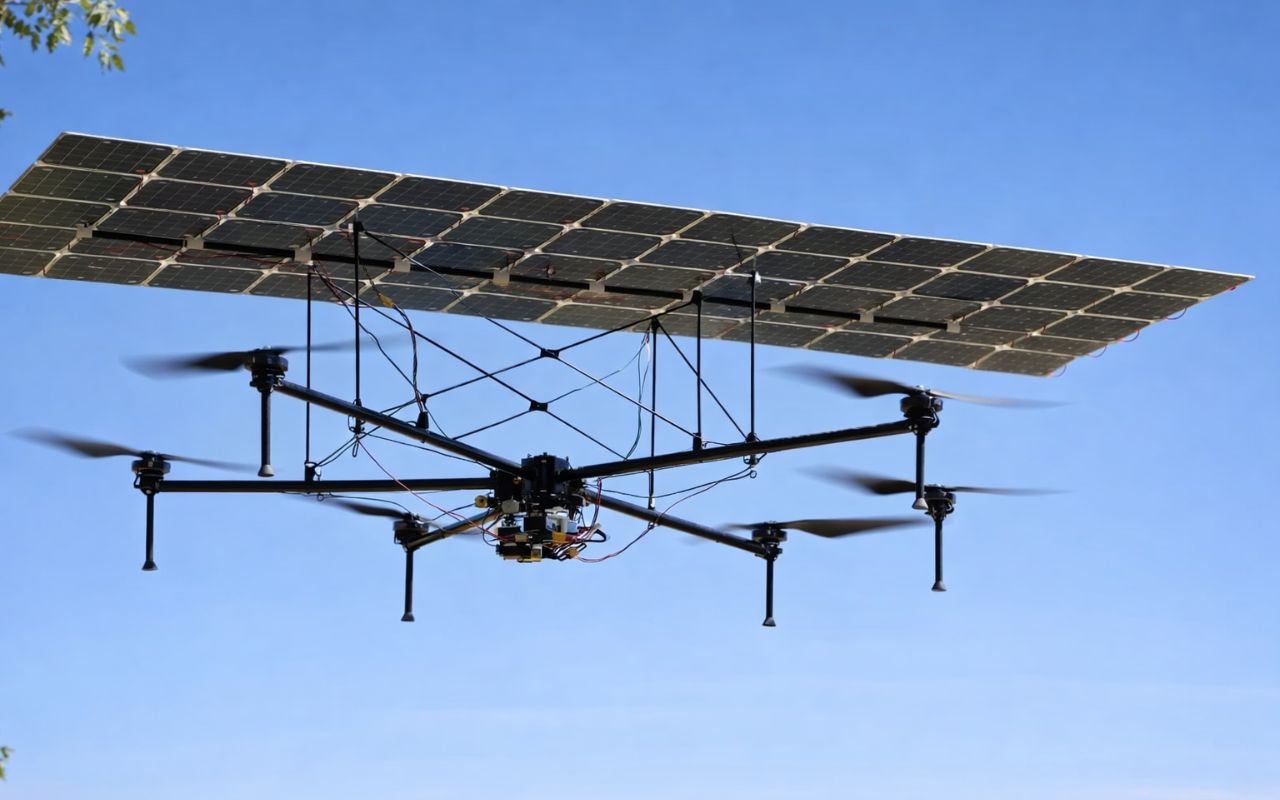
YouTuber installs 28 solar panels on a drone, allowing it to fly for over 5 hours, with the potential to reach 12 hours of autonomy in the future.
-
With mass production of over 2 million hamburgers per month, the Korean factory impresses with high-standard industrial machines, capable of processing 500 kg of meat per hour and supplying entire networks of markets worldwide.

This scenario highlights the loss of control over one’s own time.
The lack of clear boundaries between “working” and “disconnecting” results in teams constantly connected to the Teams platform and email operators held hostage to a routine without breaks.
The intensity intensifies due to extensive blocks of meetings at times traditionally reserved for concentration: from 9 AM to 11 AM and from 1 PM to 3 PM are permanently committed to video calls.
It is at this point that the Endless Workday manifests most strongly — invading the productive windows of the day.
Excessive Meetings and Compromised Productivity
The pattern described in the report includes packed meeting schedules, uninterrupted and distributed in critical blocks for producing results.
The effect is devastating: over 50% of managers report that this fragmented routine has a direct reduction in performance and efficiency.
Constant interruptions hinder the continuation of complex tasks — and the extra time intended to be gained outside of working hours is lost in reviewing old emails or responding to notifications.
The constant flow of messages further exacerbates the situation: on average, each professional receives 117 emails and 153 Teams notifications per day, equivalent to one notification every two minutes.
This overload frightens even those in leadership positions: the study shows that a kind of digital enslavement has been established in corporate culture, without official alarm, especially in the hybrid or fully remote work model.
Weekend with Corporate Demands
The invasion of rest time becomes even more evident when the weekend arrives.
One in five employees admits to responding to emails on Saturday and Sunday mornings.
Although it seems like an occasional gesture, more than 5% worked on Sunday night to get ahead on Monday’s tasks.
This escalation represents a glaring substitution of weekends for unpaid and reiterated work, reinforcing a cycle of chronic fatigue.
Impacts on Mental Health and Performance with the Endless Workday
Experts point to risks — constant wear without adequate breaks increases stress, sleep disturbances, and declines in cognitive capacity.
In the long run, there are indications of increased absenteeism, burnout, and job dissatisfaction, with direct reflections on motivation and talent retention.
The replacement of leisure by the obligation to pay attention to corporate demands establishes a new form of digital enslavement, which surpasses classical concepts of overload.
The loss of productivity is parallel to the anguish.
Less complex tasks can be performed after hours, but tasks that require focus and creativity suffer — exactly those executed in the mid-afternoon, when meetings take center stage.
Artificial Intelligence as a Solution or Threat
To curb the advancement of the Endless Workday, Microsoft does not hesitate to recommend the adoption of artificial intelligence tools to automate repetitive tasks, reducing the volume of manual interactions.
Furthermore, the report advocates applying the 80/20 rule: focus efforts on the 20% of tasks that generate 80% of the results, and instituting scheduled breaks: 33 minutes of rest for every 75 minutes of work.
These measures, together, help to regain rhythm and mental clarity.
On the other hand, experts warn that AI could worsen the situation if misapplied.
The promise of greater efficiency could turn into inhumane demands: more results in even shorter deadlines, with constant monitoring of productivity indicators.
The risk is to sophisticate the digital enslavement, cloaked in modernity.
Legislation, Rights, and Limits in Remote Work
In the legal field, the regulation of remote work still stumbles over ambiguities.
The Consolidation of Labor Laws (CLT) provides for an 8-hour workday, with overtime duly compensated.
But digitalization complicates the control of start and end times.
This opens a gap for employers to ignore or underestimate the Endless Workday, imposing overload without payment or compensation.
The trend, however, moves towards valuing more stringent internal policies, including audits and compliance mechanisms to monitor the adoption of artificial intelligence — without increasing the workload.
Brazilian and global companies have sought to create “smart breaks,” instances to deactivate notifications, forms for validating time out of work — all to ensure true disconnection.
In the cultural field, the challenge is to convince teams that turning off their screens and minds strengthens results.
Strategies to Combat the Endless Workday
In some offices, experiments are already underway:
Automatic blocking of meetings after a certain hour
“On Teams Day”, with channels closed for 4 hours so employees can focus
Dashboards showing indicators of focus, breaks, and notifications — using data, but promoting healthy habits
These actions reinforce that it is possible to combat the Endless Workday without losing performance; on the contrary: productivity tends to rise with quality of life preserved.
What strategies do you find most effective for delimiting working hours and ensuring disconnection, even in hybrid or remote models?






-

Uma pessoa reagiu a isso.