





 Português
  Inglês
  Espanhol
  3 min de leitura
  0 comentários



Teenagers Create Innovative Solution To Preserve Vaccines And Medicines Without Using Electric Energy, Changing The Reality Of Hospitals In Remote Areas.
Three young inventors from India developed a solution capable of transforming the transportation and preservation of medicines in regions with unreliable access to electricity. They created a salt-powered refrigerator, named Thermavault, that doesn’t require electric energy or batteries to operate. The project by the young inventors caught global attention and earned them the Champions Of The Earth Award 2025, sponsored by the UN.
The invention not only ensures adequate temperatures for vaccines and medications for up to 12 hours but is also already being used: 200 units of the refrigerator are being implemented in 120 hospitals across India for testing.
Refrigerator Without Electricity: A Real And Accessible Solution
The development of the refrigerator without electricity, powered by salt, arose from the concern of students Dhruv Chaudhary, Mithran Ladhania, and Mridul Jain, residents of Indore, regarding the difficulty of preserving vaccines in remote areas. Inspired by their parents’ work in healthcare, the young individuals invested in research to find a cheap, sustainable, and effective method of refrigeration.
-
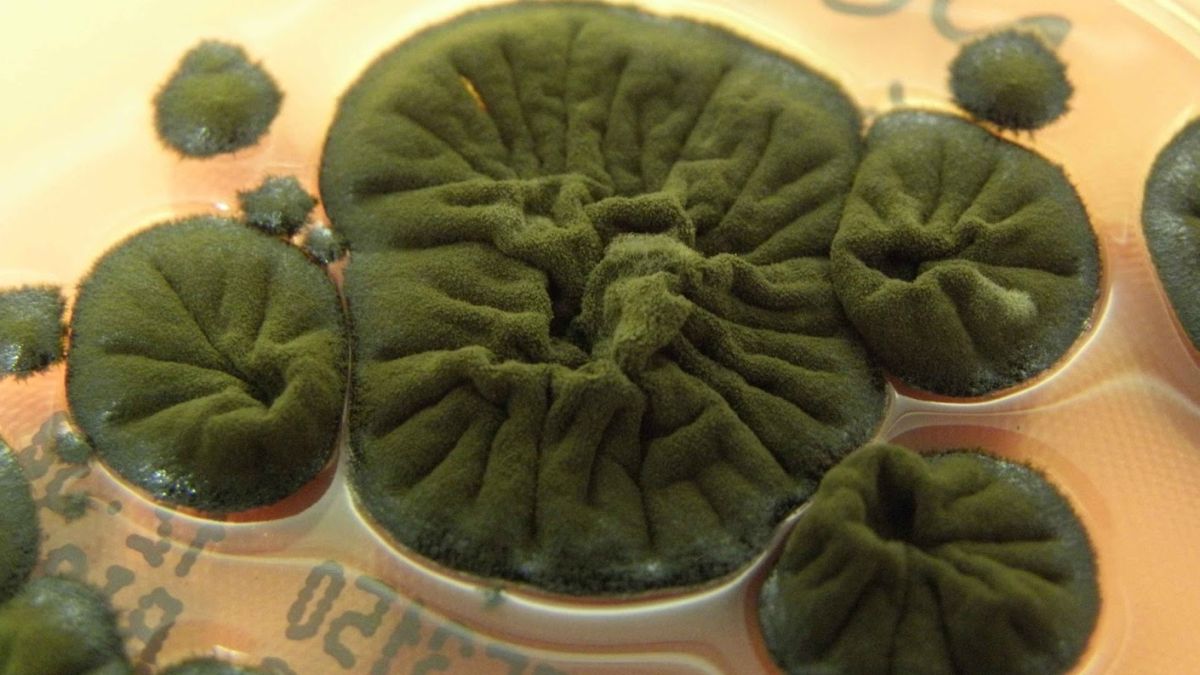
Found in one of the most radioactive places on Earth, this Chernobyl fungus may be doing something with radiation that no one has been able to explain to this day.
-
A bright yellow mushroom imported from Asia escaped from a cultivation farm in the United States in 2010 and is now aggressively spreading across 25 states, destroying entire communities of native fungi in American forests.

-
Buried under China, a colossal machine weighing 20,000 tons began operating as the largest neutrino detector on the planet and, in just 59 days, surpassed results that science took half a century to achieve.

-
Iran enters the center of a climate alert after the war emitted 5.6 million tons of CO2 in two weeks, surpassing the annual pollution of entire countries.


The system works thanks to a chemical reaction between specific salts and water, capable of maintaining the internal temperature between 2°C and 6°C — ideal for most vaccines and heat-sensitive medications. In enhanced versions using barium hydroxide, the Thermavault can even reach below-zero temperatures.
How Does The Salt-Powered Refrigerator Work?

Initially, the teenagers tested over 150 types of salts before arriving at an optimized formula that uses only 20 different salts. When mixed with water, these salts trigger an endothermic reaction — that is, they absorb heat from the environment, promoting internal cooling.
This cooling method:
- Eliminates the need for electricity or any external energy source;
- Keeps vaccines and medications cool for long periods;
- Is economical and easy to manufacture, ideal for rural areas and hospitals with limited infrastructure;
- Reduces medication losses, especially in emergencies or humanitarian crises.
According to orthopedic surgeon Pritesh Vyas, who tested the technology at V One hospital, the Thermavault maintained vaccines in optimal conditions for 10 to 12 hours. He highlighted that only minor adjustments would be necessary for its large-scale adoption.
Social Impact And Future Of The Thermavault
With the prize of US$ 12,500 awarded by the UN, the young inventors began production of the first 200 units of the salt-powered refrigerator, distributed to hospitals in critical areas of India. The expectation is that, in addition to vaccines, the Thermavault could also eventually preserve organs for transplant and other essential medical supplies.
The innovation has the potential to address demands worldwide, especially in areas affected by energy crises, conflicts, or natural disasters.
The invention of the refrigerator without electricity, powered by salt shows how the creativity and dedication of young people can generate practical solutions to complex problems. By transforming science into concrete social impact, Dhruv, Mithran, and Mridul inspire new generations to innovate for a more sustainable and inclusive world.
Source: AOL








-

Uma pessoa reagiu a isso.