





 Portuguese
  English
  Spanish
  3 min of reading
  43 comments





Court Decision May Consolidate Losses from the Pension Reform and Further Reduce Future Benefits, Warns Lawyer Geovani Santos
The ongoing trial at the Supreme Federal Court (STF) goes far beyond specific issues. It may determine whether the cuts from the Pension Reform of 2019 will be permanently upheld and whether all Brazilian retirements — due to age, disability, time of contribution, or special conditions — will continue under stricter rules.
According to lawyer Geovani Santos, this is not just a legal dispute, but a turning point for millions of workers who have already retired or still dream of the benefit. The risk is that the changes approved in 2019, such as reduced calculations, minimum age, and the end of advantageous transitional rules, will be permanently shielded by the STF.
What Is at Stake in the STF
The most immediate case involves disability retirement, which previously guaranteed 100% of the benefit but is now calculated at only 60%.
-
Larger than entire cities in Brazil: BYD is building a 4.6 km² complex in Bahia with a capacity for 600,000 vehicles per year, but the discovery of 163 workers in conditions analogous to slavery has shaken the entire project.

-
With an investment of R$ 612 million, a capacity to process 1.2 million liters of milk per day, Piracanjuba inaugurates a mega cheese factory that increases national production, reduces dependence on imports, and repositions Brazil on the global dairy map.

-
Brazilian city gains industrial hub for 85 companies that is equivalent to 55 football fields.
-
Peugeot and Citroën factory in Argentina cuts production by half and opens a layoff program for more than 2,000 employees after Brazil drastically reduced purchases of Argentine vehicles.


For Geovani Santos, this is inhumane reduction that penalizes those already in a vulnerable condition.
Even so, some ministers have indicated that the change is constitutional, reinforcing the thesis of the so-called “self-restraint” of the judiciary, meaning to avoid interfering in reforms approved by Congress.
Moreover, the issue affects other modalities: special retirement, by points, and even pensions.
If the STF consolidates the view that it cannot review the cuts, it opens the door to maintaining all restrictions imposed in 2019, such as the prohibition of converting special time and the establishment of minimum ages.
Direct Impact on Workers and Insured Individuals
In practice, this means that security guards, drivers, healthcare professionals, and various categories working in high-risk activities may definitively lose the chance for full special retirement.
Even arguments based on human dignity and acquired rights have faced resistance in the Supreme Court.
Another point raised by Geovani Santos is that the decision creates a cascading effect: the more the STF reinforces the constitutionality of the reform, the less space remains for new bills that attempt to reverse the losses.
An example is PL 42, aimed at security guards, which may become void if the Court establishes jurisprudence against revisions.
The Political Factor and the Future of Retirements
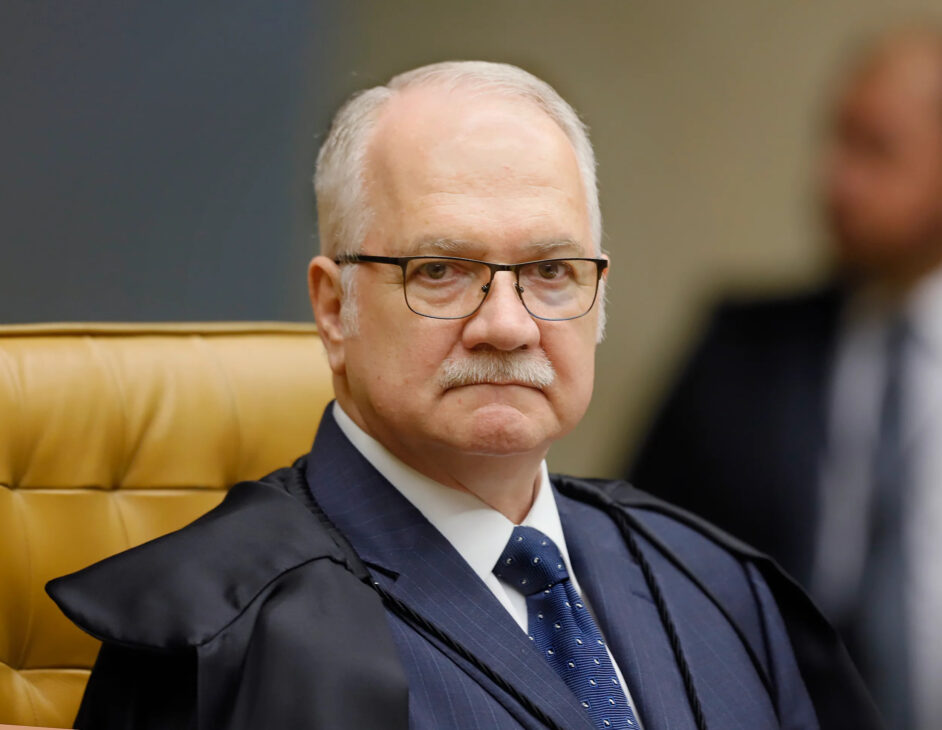
The situation is further amplified because Minister Edson Fachin will assume the presidency of the STF on September 29, 2025.
Fachin has publicly stated that the Court should not invade the legislator’s sphere, reinforcing the trend to keep the changes of the Pension Reform intact.
For Geovani Santos, this is a warning: if nothing changes, today’s youth will inherit a more restrictive, costly system with increasingly lower benefits.
The effect is both social and economic, as it increases insecurity for workers and makes long-term planning more difficult.
The judgment at the STF is not just technical.
It may define the fate of millions of Brazilians who depend on social security as their main source of income in the future.
If the Court upholds the cuts, retirements will become harder to achieve and with lower amounts, consolidating a policy that many experts consider regressive.
And you, do you believe the STF should intervene to reverse the cuts from the Pension Reform, or do you think the decision should be restricted to Congress? Share your opinion in the comments — your experience can help enrich this debate.









Até parece que o trabalhador está pedindo para aposenta é um direito da pessoa e coloca muita dificuldade.Enquanto os políticos não abaixarem o salários deles o aposentado vai ficar mais vulnerável de corte e olha que trabalho,era para aumentar os direitos dos aposentados, e aquele que está para aposenta, porque aqui pagamos muitos impostos.
O problema é que os brasileiros ,a maioria não se informa, parece que vivem no mundo da lua .ficam acreditando que políticos são bonzinhos! Políticos não governam para o povo. Eles governam para a elite!!
Melhor pingar do que secar! Brasileiros conscientes sabem que a previdência social é o maior engodo do Brasil, com o aumento da expectativa de vida e a diminuição de contribuintes. Se reclamar demais, nem o pouco vão ter