





 Portuguese
  English
  Spanish
 3 min of reading


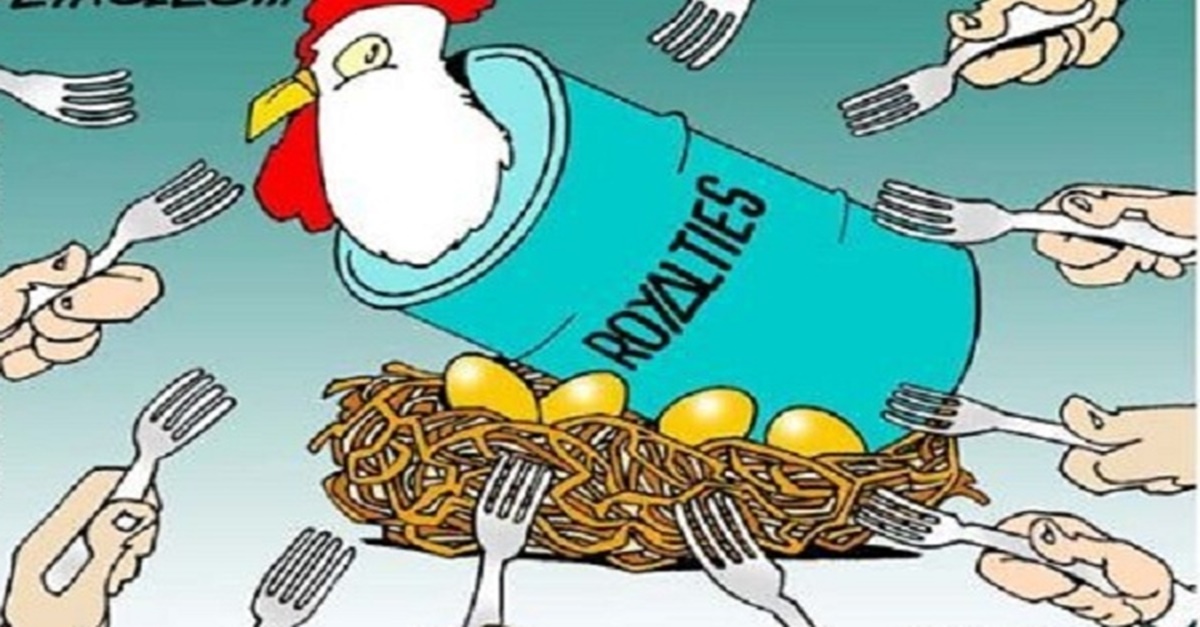
If Approved, The New Rule Dividing Oil Resources (Royalties) Could Represent Losses Of Approximately R$ 57 Billion To Rio De Janeiro.
The President of the Supreme Federal Court (STF), Minister Luiz Fux, postponed the ruling on a lawsuit challenging the rules for dividing oil resources (royalties) among Brazilian states and municipalities. CNPE Approves Reduction Of Royalties And Benefits More Than 20 Of Oil Companies
Read Also
- Petrobras Divestment In The Northeast: State-Owned Company Sells Offshore Oil Fields In Ceará
- Transocean Contracts With Petrobras Demand Positions For Offshore Drilling Services For Oil And Gas Wells
- The Offshore Support Multinational Wilson Sons Opened Yesterday (11/05) Many Positions For Elementary, Secondary, And Higher Education
The session was scheduled for December 3, and there is still no new date set to take place. Fux’s decision responds to a request from the acting governor of Rio de Janeiro, Cláudio Castro, who seeks an agreement through the Supreme Federal Court’s Center for Mediation and Conciliation.
Cláudio Castro, Acting Governor of the State of Rio de Janeiro, celebrated the decision, which he stated is of extreme relevance for society and investors in the State of Rio, as it will ensure that there will be no financial collapse or legal insecurity.
-
Brazilian giant expands borders in the Southeast: Petrobras confirms new oil discovery in ultra-deep waters in the pre-salt of the Campos Basin.

-
Alert in the global energy market: Severe tropical cyclone hits the coast and disrupts gas production at major plants in Australia, threatening global supply.
-
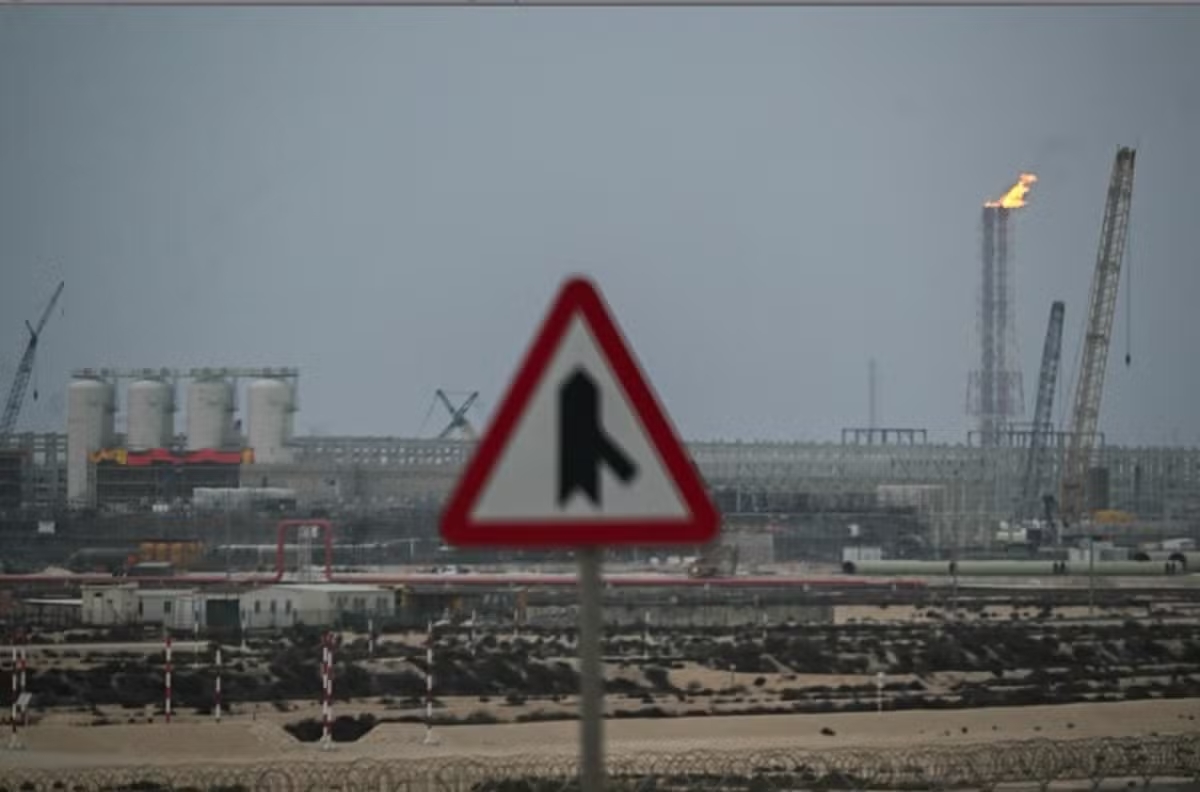
Petrobras finds high-quality oil in the pre-salt at 113 km from RJ and reignites expectations about strategic reserves in the Campos Basin.

-
Ocyan opens registrations for startups focused on innovation in the oil and gas sector and will select projects for Innovation Day with the support of Nexio.


“The decision tonight is of extreme relevance for society and investors in the State of Rio, as it will ensure that there will be no financial collapse or legal insecurity. If the action were approved next month, the new rule would represent R$ 57 billion in revenue losses over the next five years,” stated Cláudio Castro in a statement.
“In our last visit to Minister Luiz Fux, we offered the path of dialogue, of transparent conversation with the producing and non-producing oil states, as well as with the federal Executive and Legislative powers. The State of Rio de Janeiro seeks agreement through the Center for Mediation and Conciliation of the STF. We are willing to find a definitive and consensual solution among all interested parties,” he reported.
Maricá, which has the highest revenue in Brazil, would face a loss of more than 60% of its revenue, while in Niterói the projection is around 30% to 40% loss. According to the Federal Senate, oil royalties are charged from concessionaries that explore the raw material according to its quantity. The collected amount goes to the public power. Producing states and municipalities, in addition to the Union, are entitled to the absolute majority of oil royalties. It is a compensation for the exploitation of gas or oil.
The law that defined the division of oil resources among all Brazilian states and municipalities – including those that do not produce oil – was approved in 2012 by the National Congress and sanctioned by then-President Dilma Rousseff. However, the part regarding the sharing was suspended by Minister Cármen Lúcia, the action’s rapporteur, in March 2013.
In authorizing the injunction, Cármen justified that the Federal Constitution guarantees royalties as compensation to the producer; however, a new law cannot violate the rights acquired by the producers. She also stated that there cannot be a benefit to one state at the expense of another.
“The weakening of the rights of some federated entities does not strengthen the Federation – it compromises it as a whole. And if once the Constitution is disobeyed in the name of a need, another could be the nonobservance in the name of another. Until the day when there will be no more Constitution,” said the minister.









Seja o primeiro a reagir!