





 Portuguese
  English
  Spanish
  5 min of reading
  0 comments


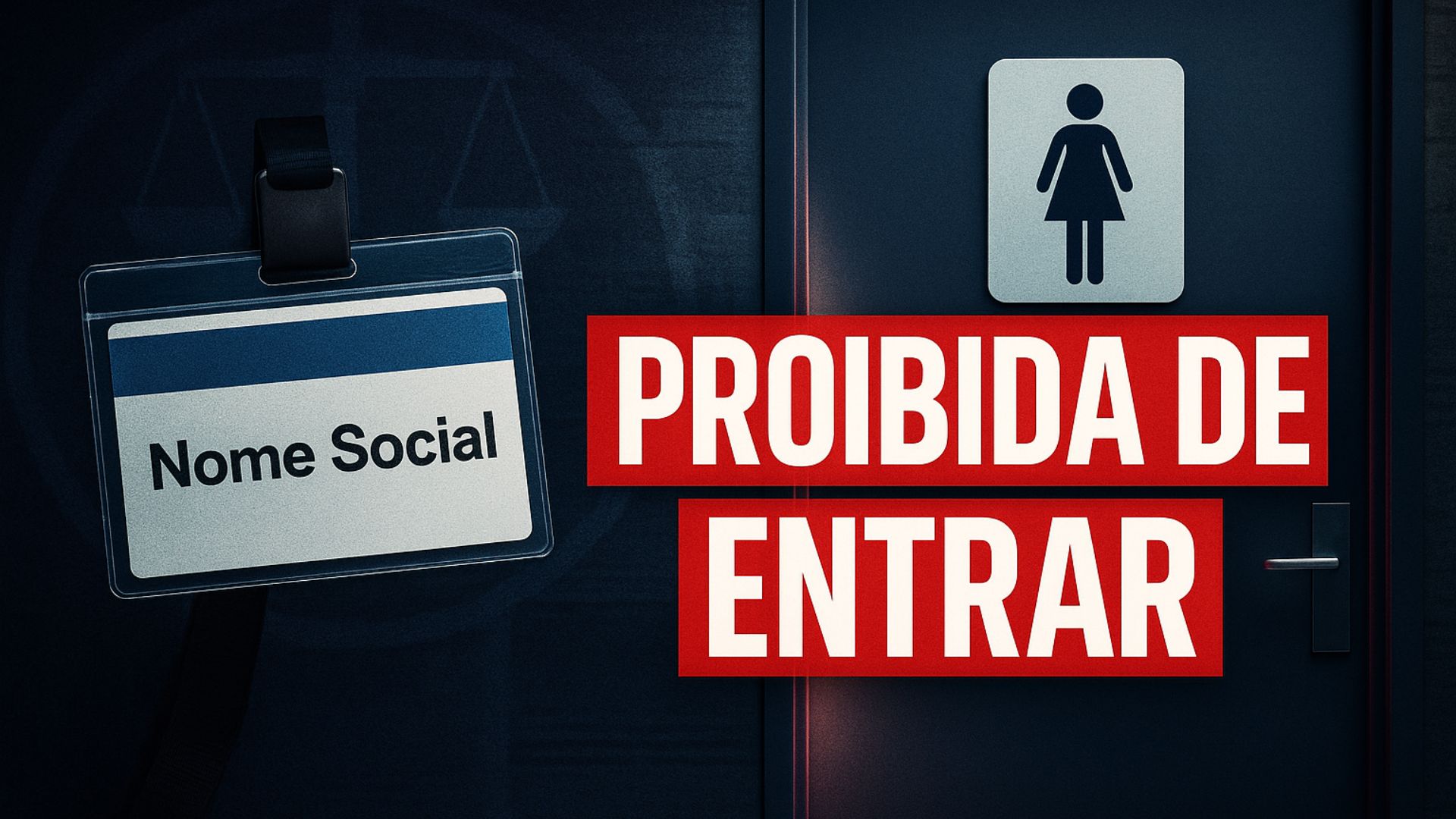
Case Involving Social Name and Bathroom Use in Corporate Environment Exposes Judicial Dispute, Reveals Foundations Applied by Labor Courts and Shows How Companies Respond to Allegations of Gender Identity Discrimination.
The fight for respect for the social name and bathroom use according to gender identity is not just a social debate: it has become a recurring theme in Brazilian labor courts.
In one of these cases, according to the website AVM Advogados, a transgender telemarketing operator obtained recognition from the court that she was a victim of transphobia in the workplace and secured compensation for moral damages.
Gender Identity and Work Environment
The episode involves Datamétrica Teleatendimento S/A, a call center company operating in the banking sector.
-
Employee Fired After Accumulating 114 Days of Medical Leave in One Year, Labor Court Upholds Company’s Decision

-
Employee Fired While Treating Depression Wins in Court and Vale Is Required to Rehire Him Following Decision Based on the CLT and INSS Benefits

-
Workers Should Be Aware! March 6 Will Be The Fifth Business Day Of March And The Final Deadline For Companies To Pay Salaries According To The CLT

-
2026 FGTS Anniversary Withdrawal Is Released According to Birth Month, Sets Amounts by Balance Range, Establishes Deadlines for March and April, and Changes Rules in Case of Dismissal


The worker reported that from the moment of hiring, she presented herself as a transgender woman and requested to be addressed by her social name, including in internal records.
Still, she stated that she was called by colleagues and superiors by her birth name, showed up in schedules with the so-called “dead name”, and was prevented from using the women’s restroom on different occasions.
These situations, according to the labor lawsuit, caused her constant embarrassment.
The operator also mentioned that she formalized complaints via email, messages, and even through the social network of the company’s headquarters.
After bringing the issue to management, she reported that she was dismissed a few days later, which was pointed out in the case as evidence of discriminatory dismissal.
Judicial Decision and Grounds of the Sentence
In the first instance, a judge from the 29th Labor Court of Salvador recognized that there was a violation of the worker’s dignity, as described in the case documents.
He noted that, although Datamétrica had adopted the social name on the work badge, it maintained the registered name in internal control documents, such as the schedule published in the system, and tolerated treatment considered disrespectful by colleagues and superiors.
This conduct was classified as discrimination and resulted in the company being ordered to pay R$ 10,000 in moral damages.
The decision was subsequently reviewed by the 1st Panel of the Regional Labor Court of the 5th Region (TRT5), which upheld the ruling in its entirety.
The reporting judge, appointed judge Sebastião Martins Lopes, highlighted that at the time of hiring, it was already clear that the worker identified socially as a woman, and that the absence of documentary alteration could not serve as justification for failing to adopt the social name in the workplace.
In the ruling, the magistrate explained that moral harassment can manifest through gestures, words, attitudes, or behaviors that, even if not repeated numerous times, ultimately affect the employee’s self-esteem, according to legal understanding applied in similar cases.
He observed that, according to recurring analyses in labor decisions, this type of violence tends to affect socially vulnerable groups more frequently, such as women, black people, the elderly, LGBTQIA+ community members, and individuals with serious illnesses or disabilities.
Lopes also mentioned the consolidated understanding in the Supreme Federal Court, according to which gender identity is part of the sphere of personality.
According to the STF, the protection of human dignity, as outlined in the Constitution, prevents practices of transphobia, discrimination, or violence against trans individuals.
Analysis of the TST and Maintenance of the Condemnation
After the confirmation of the condemnation by TRT5, Datamétrica appealed to the Superior Labor Court.
The company claimed that it had never engaged in transphobic acts, that it always sought to maintain a workplace considered healthy and inclusive, and that, due to security regulations of the served banking institution, some systems could not accommodate the social name unless the employee’s official documents were updated.
It also stated that there was no restriction on using the restroom according to gender identity and that the dismissal occurred for organizational reasons.
The case then reached the 2nd Panel of the TST, which reviewed the company’s appeal.
In a collegial decision, the superior court upheld the condemnation and found that there was discriminatory conduct, according to the assessment recorded by the reporting minister, Maria Helena Mallmann.
For the minister, the facts described in the case indicated a violation of the worker’s rights, generating anxiety and embarrassment incompatible with the legal duty to respect the fundamental guarantees assured in the workplace.
She also noted that both public agencies and private companies have the duty to recognize and respect the social name of trans individuals, whether they are workers, consumers, or service users, according to existing regulations and judicial decisions.
In the ruling, it was reiterated that the social name corresponds to how the trans person wishes to be identified and that denying this recognition implies violating personality rights provided for in legislation and jurisprudence.
With the maintenance of the condemnation by the TST, the understanding was consolidated that preventing the use of the social name and limiting access to the restroom according to gender identity, in the workplace context, constitutes discrimination and creates a duty to compensate.
The compensation of R$ 10,000 for moral damages, established in the first instance, was preserved.
Company Reaction and Repercussions of the Case
Alongside the legal proceedings, Datamétrica issued a public statement affirming that it condemns any act of discrimination, that it issues badges with social names to trans employees, and that, in this specific case, it was forced to use only the official name in the records of the bank served.
The company expressed regret over the experience reported by the former employee and stated its commitment to advancing internal practices aimed at combating discrimination and intolerance in the corporate environment.
This combination of reports, procedural documents, constitutional foundations, and decisions from higher courts has been observed by legal professionals as an example of how courts are addressing cases related to respect for gender identity in labor relations, especially in sectors dealing with large teams and rigid control routines.
To what extent do decisions like this tend to influence the behavior of other companies in effectively adopting the social name and ensuring the use of bathrooms compatible with their employees’ gender identity?









-

Uma pessoa reagiu a isso.