





 English
  Francês
  Alemão
  Italiano
  Japonês
  Norueguês
  Portuguese
  Spanish
 5 min of reading
  0 comments


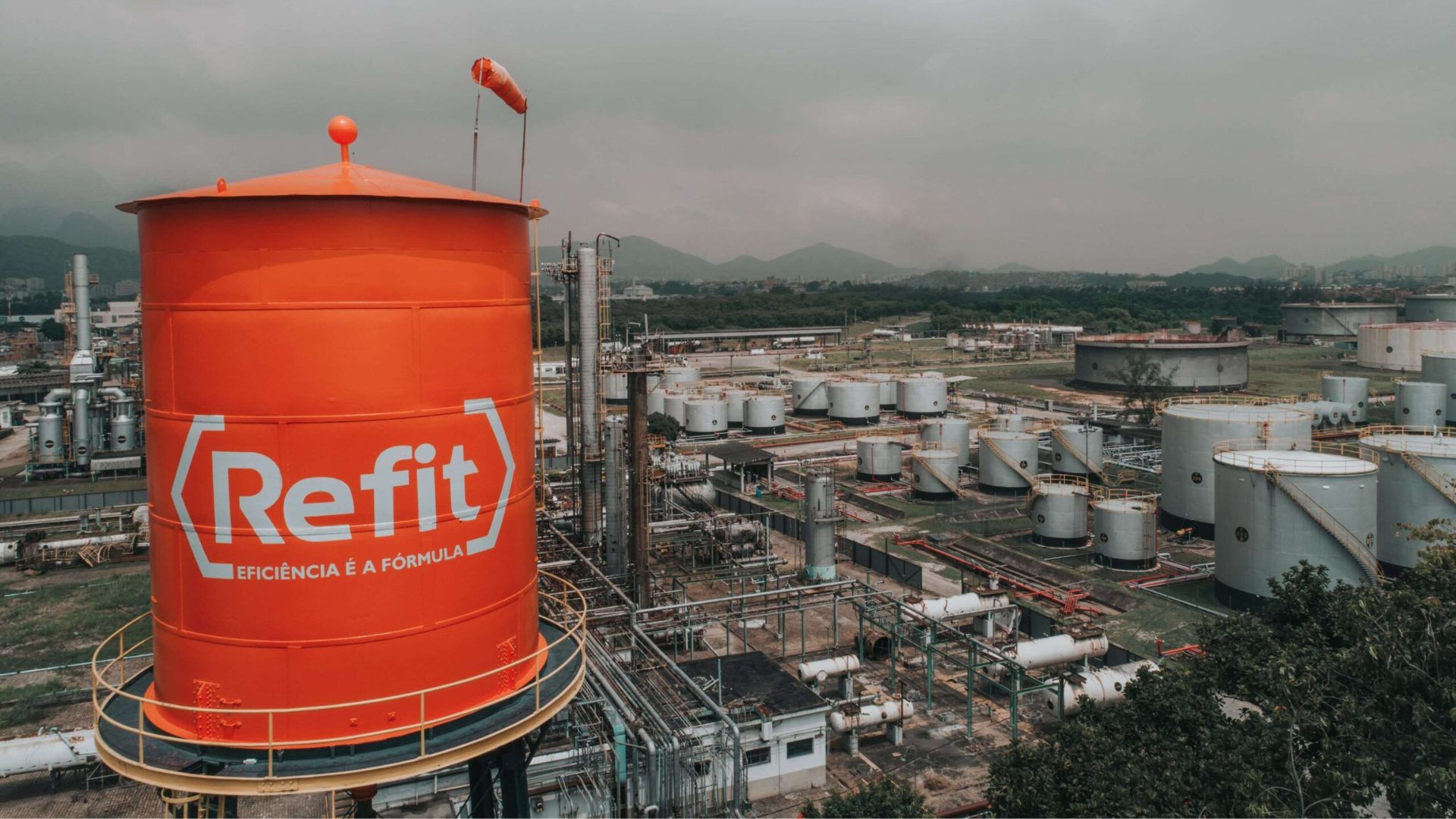
The Federal Court Confirmed the Interdiction of Refit and Maintained the Restrictions After Identifying Signs of Irregular Importation in Rio de Janeiro, Expanding Attention to Operations in Manguinhos and the Impacts on the Fuel Sector
The Federal Court of the 1st Region rejected two requests from Refit to reverse the interdiction of its operations. According to a report published by Poder 360 this Thursday (4), the measure keeps the company’s distillation tower halted, a central point of the accusations made by the ANP (National Agency of Petroleum, Natural Gas and Biofuels) since September, when inspections found signs of irregular importation of ready gasoline in Rio de Janeiro.
Federal Court Maintains Interdiction of Refit and Previous Decisions
The decision reinforces the judiciary’s stance of avoiding interference in the technical acts of the regulatory agency and keeps the administrative process active that investigates possible irregularities committed by the company.
In the order, Judge Renato Coelho Borelli denied the request to remove ANP leaders requested by the company and also rejected the request to immediately unblock the distillation tower. According to the judge, “there is no concrete and immediate risk” that justifies judicial intervention. The allegations, in the words of the judge, were “abstract and without demonstration of imminent harm”.
-
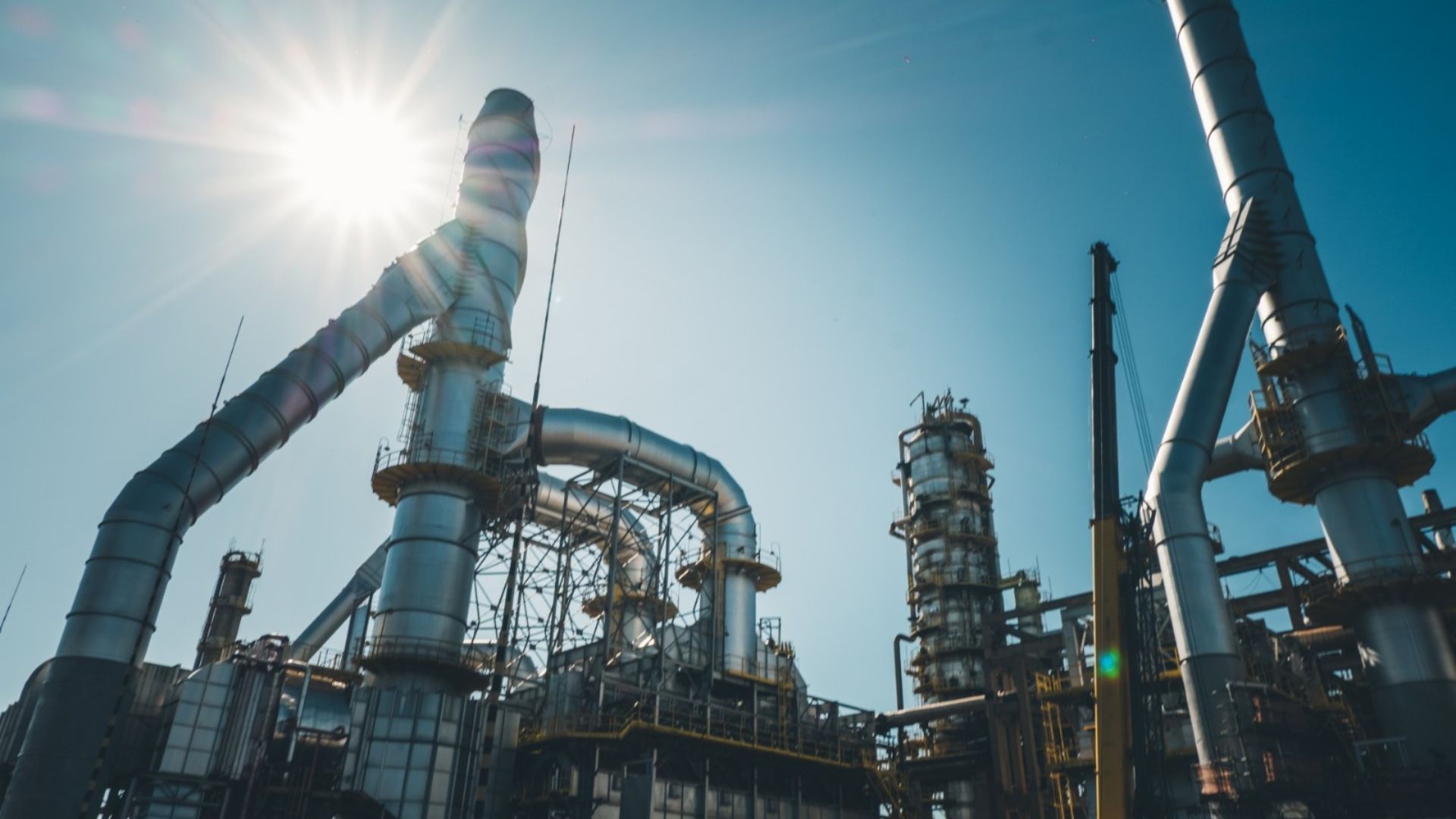
Petrobras Expands Refining in Brazil, Increases Production of Diesel S-10 and Gasoline, Enhances Operational Efficiency, and Reduces Import Dependence Between 2023 and 2025
-
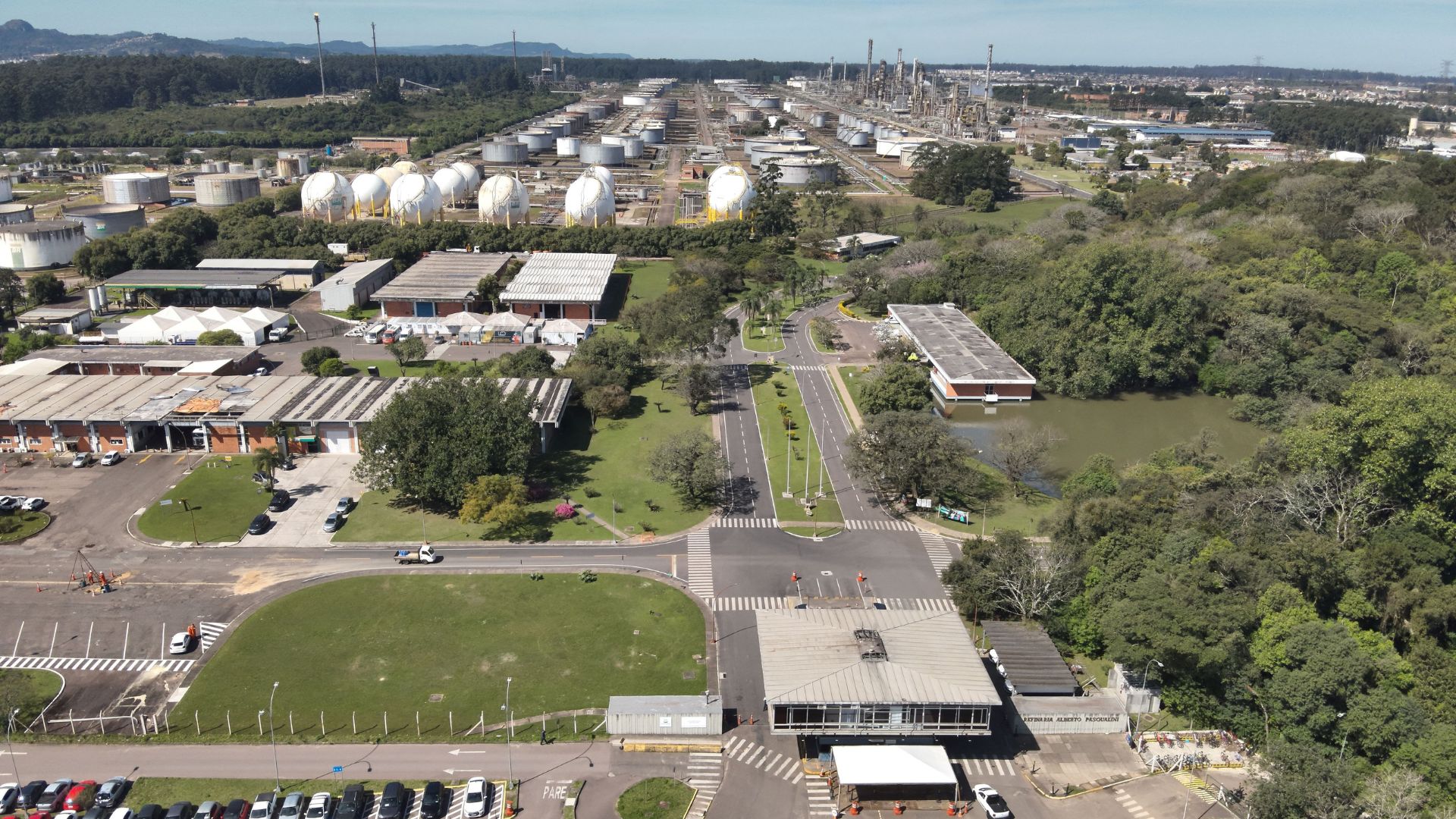
Petrobras’ Refap Sets Historic Records for Gasoline and S-10 Diesel Production in Canoas in Q4 2025, Surpassing Previous Figures
-
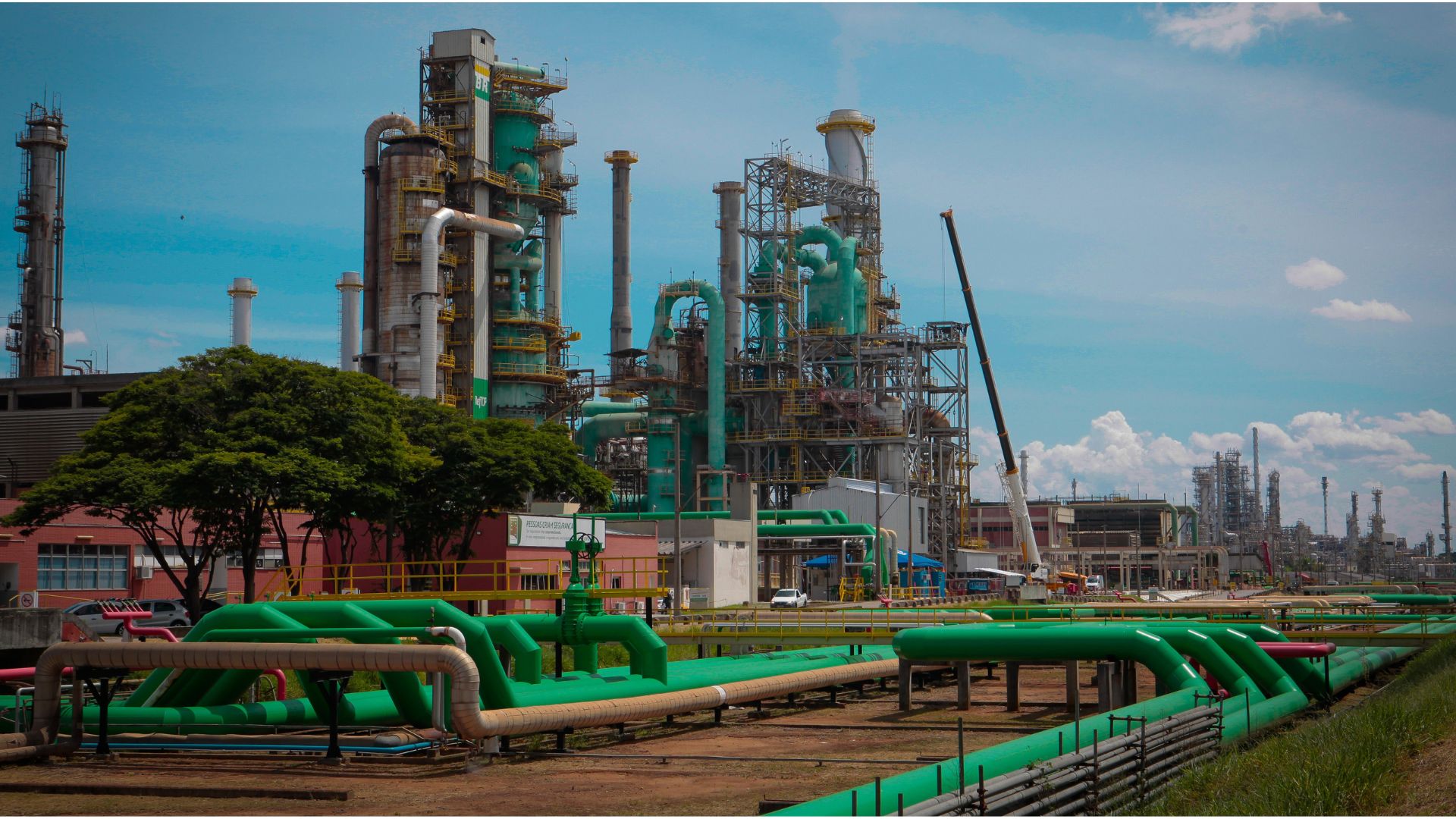
Revap Starts Operation of Modernized HDT and Petrobras Expands S-10 Diesel Production by 80% at the Refinery, Boosting Supply of Less Polluting Fuel in Brazil
-
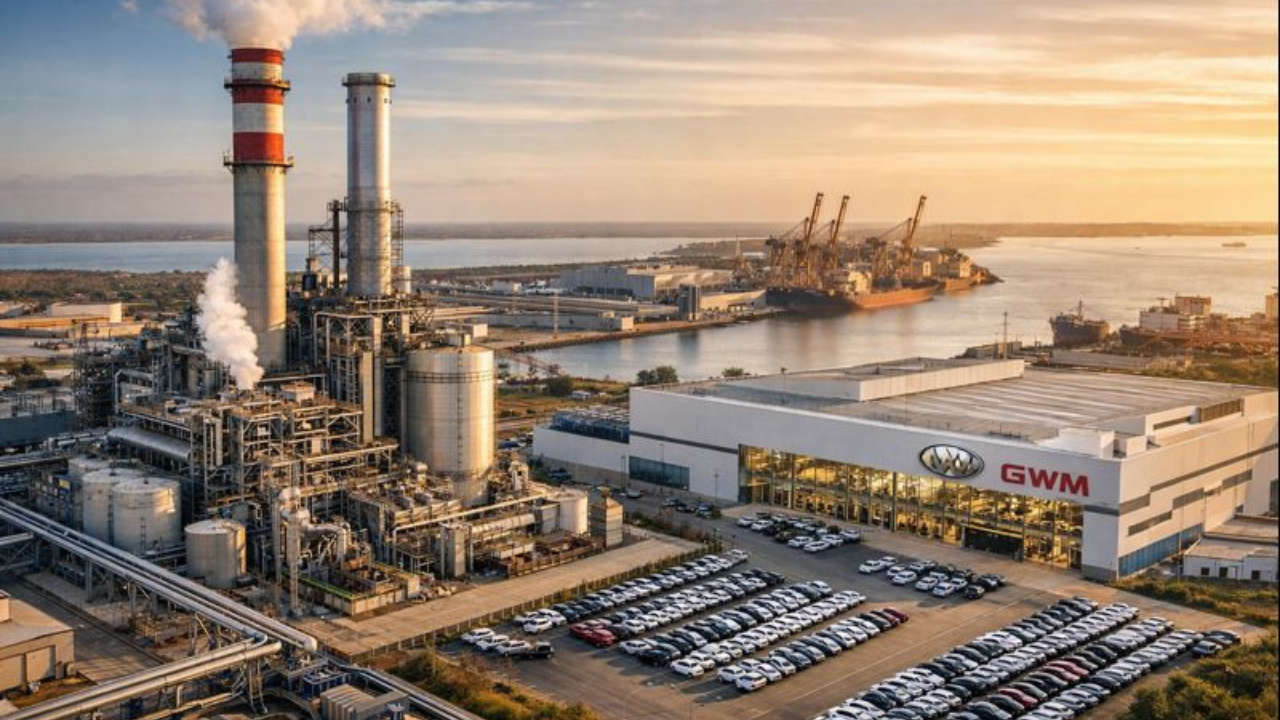
Thermal Power Plant in Rio Grande do Sul Is Key to Attracting GWM

The ANP had interdicted the unit on September 26, 2025, indicating that Refit had imported basically ready fuels instead of the naphtha intended for the refining process. This would characterize a deviation from purpose and could offer an unfair competitive advantage compared to other companies in the sector.
The suspicion was reinforced by inspection reports that indicated inconsistencies in storage, measurement failures, and a lack of evidence that the imported input was effectively subjected to industrial processing.
The judiciary, in maintaining the interdiction, deemed valid the technical and administrative grounds presented by the ANP, reinforcing that the judiciary should not substitute the regulatory body in analyzing strictly technical issues.
Situation of Refit After the Judicial Decision
The denial by the Federal Court keeps Refit in a critical operational situation. The distillation tower is an essential part of the industrial structure and, without it, the company is unable to complete the refining cycle. This prolonged blockage increases the losses already accumulated since September.
According to the company’s estimates published earlier, the halt generates losses of up to R$ 5 million per day. These numbers include direct employees, outsourced workers, and service providers from the industrial hub located in Manguinhos, a strategic region in the northern part of Rio de Janeiro.
The company argues that the interdiction jeopardizes its judicial recovery and requests faster evaluation of its defenses, but the judiciary noted that there is insufficient evidence to consider the measure as abusive or disproportionate.
Investigation into Irregular Importation in Rio de Janeiro
The interdiction of Refit is associated with the suspicion of irregular importation of ready gasoline. During the inspection, the ANP identified shipments with characteristics very close to finished fuels, which contradicts the declared industrial purpose of the company. Instead of processing naphtha as intended, the company would have received a product already suitable for distribution.
This could configure an attempt to reduce tax costs, since the rules for importing industrial inputs are different from those applied to the importation of ready fuels for consumption.
Additionally, the documentation presented to the ANP showed inconsistencies in the proof of refining stages. According to the agency, there is no explicit evidence that the company actually carried out the necessary processing to characterize refining activity in some of the inspected batches.
These irregularities reinforced the Federal Court’s understanding that the interdiction is a necessary measure while the administrative process is under review.
Regulatory Impacts and Risks for the Fuel Market
The maintenance of the interdiction has direct repercussions on the country’s fuel market. This is because irregularities involving refining and importation can affect the entire distribution chain, causing competitive distortions and increasing the risk of circulation of fuels without adequate traceability.
By maintaining the ANP’s decision, the judiciary signals that inappropriate practices will be treated rigorously. The interdiction also prevents potentially irregular products from entering the market, protecting consumers and avoiding harm to tax balance and competition.
In the sector, the decision is viewed as a reinforcement of the supervision and compliance policies adopted by the ANP. In a market environment sensitive to fluctuations and historically vulnerable to fraud, strong and coordinated actions are essential to ensure transparency and regulatory stability.
Recent History of the Interdiction and Judicial Disputes Involving Refit
The interdiction of Refit has been the subject of a series of judicial and administrative decisions throughout 2025. After the initial blockade, the company acted on different fronts to reverse the measure but made little concrete progress.
On October 25, 2025, the ANP partially released some of the company’s facilities after inspections confirmed compliance with 10 of the 11 requirements made during the inspection. However, the distillation tower, considered the most sensitive equipment in the process, remained interdicted.
Days later, conflicting judicial decisions authorized and then revoked the release of operations. On October 29, the Superior Court of Justice restored the total interdiction after a request from the Union, reinforcing the need for caution in the face of the irregularities found.
Since then, the case has been closely monitored by the sector and oversight authorities, given the severity of the signs indicated in the operations conducted in Manguinhos.
Relevance of the Case for the Brazilian Energy Sector
The importance of this episode goes beyond the specific situation of the company. It highlights how compliance with regulatory norms is crucial to maintaining market balance and preserving trust in the supply chain.
In times of investigation, it is essential that technical decisions be respected, especially when they involve issues such as operational safety, tax compliance, and fuel quality. The case of Refit underscores the need for constant vigilance and reinforces the authority of the ANP as a regulatory body.
Overview and Likely Next Steps for Refit
The developments of the case are expected to intensify in the coming months, with new technical reports and additional stages of the administrative process. The Refit will need to present new information, respond to requirements, and attempt to demonstrate that it is in compliance with legal norms.
Meanwhile, the interdiction remains in effect, and the company’s operations continue to be limited. The economic impact is likely to extend, while federal authorities monitor the effects of the measure on the regional fuel market.
This case is also expected to influence future inspection actions in other units across the country, serving as a warning for both companies and logistics operators and distributors.









Seja o primeiro a reagir!