





 Portuguese
  English
  Spanish
  2 min of reading



The P-83 Platform, One of the Largest Operating in Brazil and the Global Oil and Gas Industry, Will Be the Eleventh Unit to Be Installed in Búzios
Good news for Brazil’s shipbuilding industry. The Brazilian oil giant Petrobras signed yesterday (09/28) with Keppel Shipyard the contract for the construction of the P-83, one of the largest platforms operating in Brazil and the global oil industry, located in the pre-salt layer of the Santos Basin, which will be Brazil’s largest oil producer by 2030, with production of up to 2 million barrels of oil per day (bpd)!
In addition, the P-83, which will be the eleventh unit to be installed in Búzios, is expected to produce up to 225,000 bpd of oil and 12 million m³ of gas per day and will have a storage capacity of more than 1.6 million barrels.
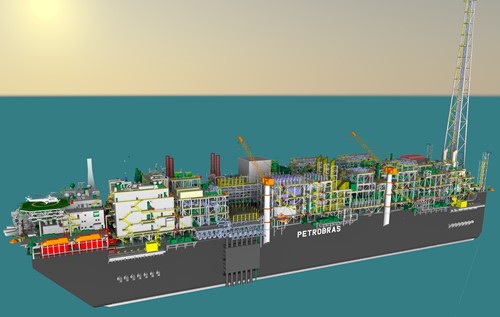
Petrobras is the operator of this field with a 92.6% stake, with partners CNOOC and CNODC, each holding 3.7%.
-
Brazilian giant expands borders in the Southeast: Petrobras confirms new oil discovery in ultra-deep waters in the pre-salt of the Campos Basin.

-
Alert in the global energy market: Severe tropical cyclone hits the coast and disrupts gas production at major plants in Australia, threatening global supply.

-
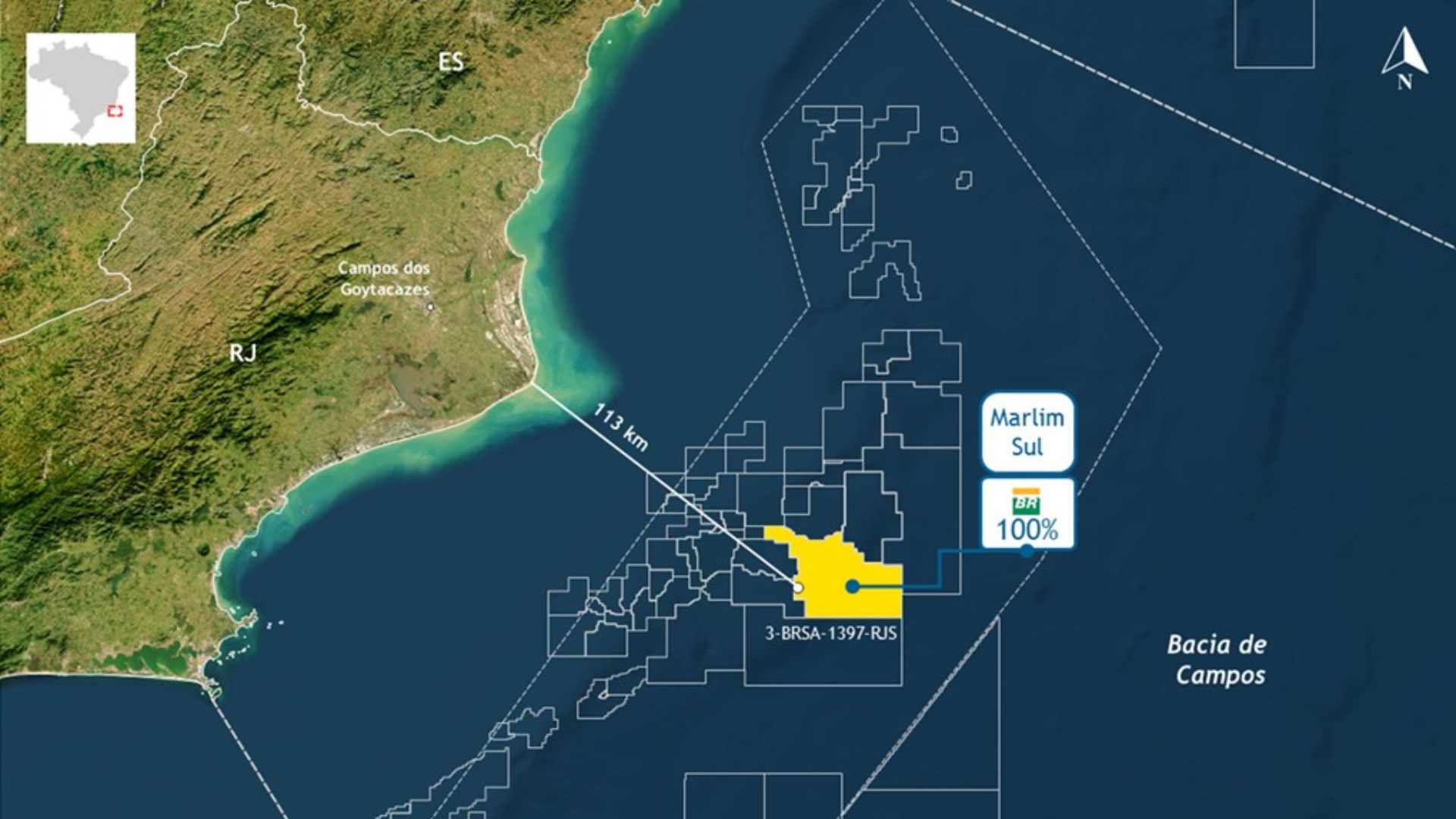
Petrobras finds high-quality oil in the pre-salt at 113 km from RJ and reignites expectations about strategic reserves in the Campos Basin.

-
Ocyan opens registrations for startups focused on innovation in the oil and gas sector and will select projects for Innovation Day with the support of Nexio.


Construction of the P-83 Will Take Place in Shipyards in Singapore, China, and Brazil
According to Petrobras’ report, the construction of the P-83 will take place in shipyards in Singapore, China, and Brazil, achieving a local content percentage of 25%. Its production is scheduled for 2027 and will help increase the installed capacity of the field from the current 600,000 bpd to 2 million bpd.
The P-83 represents the so-called “New Generation” of Petrobras platforms, which will have high production capacity and technologies for reducing carbon emissions. It will use, for example, the so-called closed flare technology, which increases gas utilization and prevents it from being burned off into the atmosphere, safely and sustainably.
Furthermore, the platform will employ a methane gas detection system, capable of preventing or mitigating risks of leaks of this compound, not to mention the technology for Carbon Capture, Utilization, and Storage – known as CCUS. Petrobras is a pioneer in using this technology, which allows for productivity increases while reducing carbon emissions.
The P-83 will also be equipped with “Digital Twins” technology – or digital twins – which consist of a virtual reproduction of the platform, allowing for various remote simulations and operational testing, ensuring safety and reliability.









Seja o primeiro a reagir!