





 Portuguese
  English
  Spanish
  4 min of reading
  0 comments


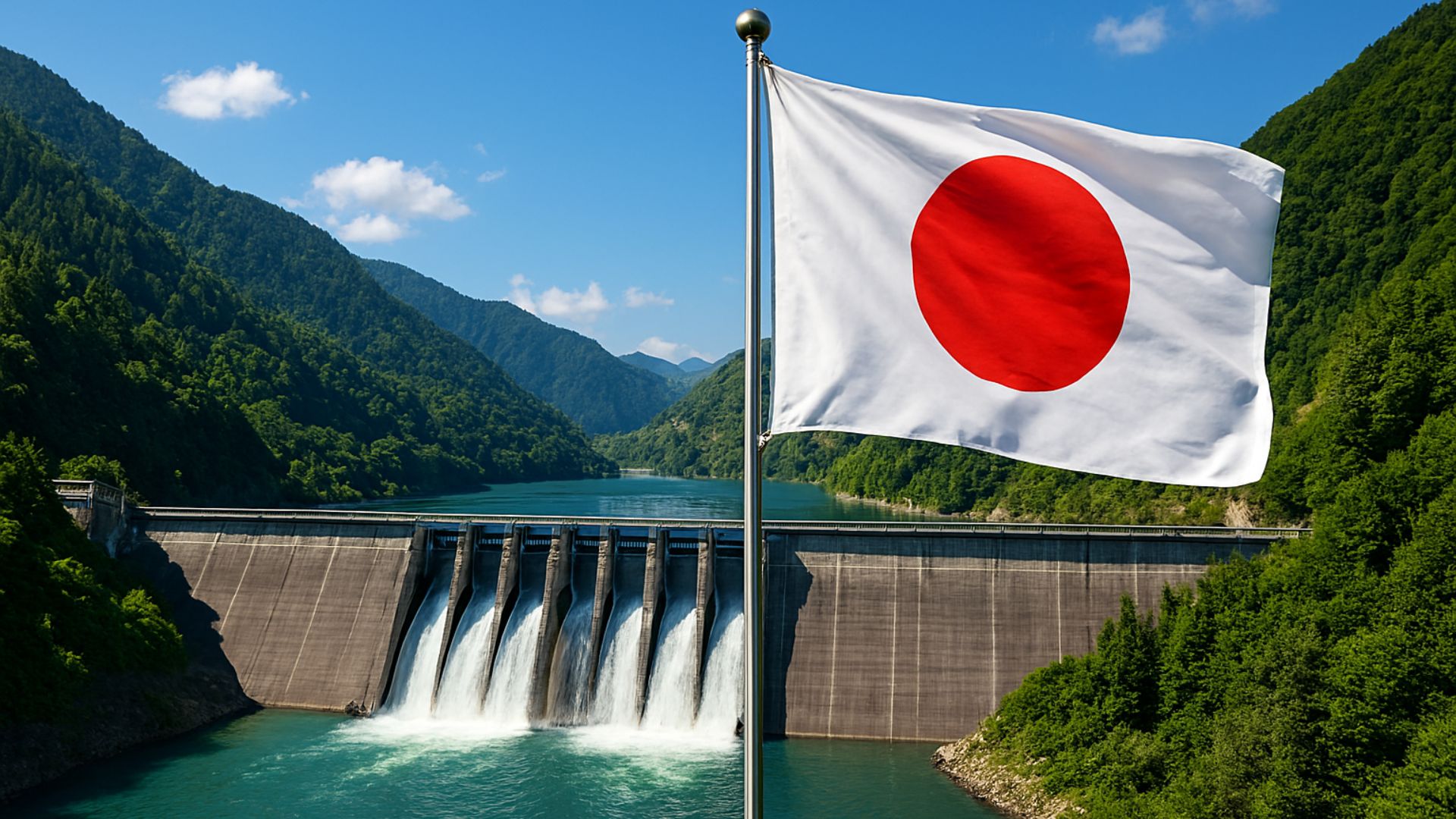
KIOXIA Advances In Sustainability By Partnering With Google To Use Clean Hydroelectric Power In Japan, Strengthening Climate Goals And Expanding Actions Towards Carbon Neutrality By 2050.
On December 3, 2025, KIOXIA Corporation announced a new step in its decarbonization strategy by partnering with Google to utilize electricity generated by a retrofitted hydroelectric project operated in the Chubu region of Japan.
The initiative will allow for an annual consumption of approximately 160 gigawatt-hours (GWh) of renewable energy — enough to supply the consumption of about 40,000 Japanese households.
This move reinforces KIOXIA’s ambition to operate with 100% renewable energy by 2040 and achieve net zero emissions by 2050. The collaboration highlights how technology and manufacturing companies are expanding their environmental commitments with concrete and traceable solutions.
-
Renewable energy advances over protected areas in Brazil, and a survey by the Energy Transition Observatory reveals silent impacts that challenge environmental conservation and pressure sensitive traditional territories.

-
Rio Grande do Sul accelerates energy transition: State invests in renewable technologies and consolidates decarbonization strategies and pathways to attract billions in new industrial investments.

-
With 160,000 m² of collectors, an area larger than 20 football fields, Silkeborg, in Denmark, hosts a solar thermal plant that heats 19,500 homes and could become the largest solar heating plant in the world.

-
A study reveals the expansion of renewable energy procurement in Brazil and shows how companies are taking advantage of opportunities to reduce expenses, ensure energy efficiency, and strengthen strategic environmental commitments.


Importance Of The Initiative For The Carbon Goal By 2050
The announcement represents a significant step for corporate energy transition, especially because it involves a continuous renewable source. The energy generated by the retrofitted hydroelectric project reduces dependence on fossil fuels and provides stable electricity for industrial operations, which is essential in facilities that require high electrical consumption.
Moreover, the scale of the supply — 160 GWh per year — demonstrates that the initiative goes beyond symbolic actions and translates into real impact on emission reductions. The continuous supply (“round-the-clock”) also reinforces the reliability of the solution, allowing the company to maintain its production with low environmental impact throughout the entire year.
This combination of scale, stability, and renewability is significant for long-term goals, especially when the objective is to reach net zero emissions by 2050.
Collaboration Between KIOXIA And Google In Advancing Clean Hydroelectric Energy
The adoption of this renewable energy was made possible through a strategic partnership with Google, which has expanded initiatives to reduce indirect emissions by encouraging the entire supply chain to use clean electricity.
The tech giant is working globally to accelerate access to continuous, low-cost renewable energy, especially in countries where the energy mix still depends on fossil fuels.
For KIOXIA, Google’s support provides additional security in supply and strengthens both companies’ commitment to sustainable production models. The initiative also demonstrates how large companies can collaborate to accelerate the energy transition and adopt low-carbon technologies on an industrial scale.
Clean Hydroelectric Energy As A Strategic Solution
Retrofitted hydroelectricity has gained international prominence as one of the most efficient solutions for increasing the renewable supply with minimal additional environmental impacts.
Instead of building new dams — a process that requires extensive permits, time, and can cause socio-environmental impacts — the technique modernizes existing structures by replacing outdated equipment with higher-efficiency systems.
This approach allows for expanding generation capacity using already installed infrastructure, with lower costs and faster results. For companies pursuing carbon goals by 2050, this type of solution represents a practical and efficient way to increase the share of renewable electricity in their operations.
Another advantage of this source is predictability. Unlike solar and wind energy, which depend on climatic variables, hydroelectricity offers stability for industrial activities, directly contributing to a safe and continuous energy transition.
How Japan Is Advancing In Renewable Energy With Support From Projects Like KIOXIA
Japan has faced significant challenges in expanding its renewable matrix, due to land limitations and the impact of natural disasters on its energy infrastructure.
In this context, projects based on retrofitted hydroelectric power represent particularly advantageous solutions, as they expand clean energy production without requiring large areas or complex construction.
KIOXIA’s decision directly contributes to this evolution by adding stable renewable capacity to the electric system and demonstrating the viability of cooperative models between companies and energy suppliers. This type of action also encourages other Japanese industries to adopt similar strategies, accelerating the national transition to a low-carbon economy.
Challenges And Points Of Attention In The Implementation Of Retrofitted Hydroelectric Energy
Although the solution brings obvious benefits, some challenges need to be considered:
Infrastructure Availability: Not all regions have dams suitable for retrofit. Expansion depends on the existence of structures with modernization potential.
Scalability: If many companies demand continuous renewable energy at the same time, supply may become limited. This requires ongoing investment in modernization and diversification of clean sources.
Traceability And Transparency: For the climate benefits to be real, it is crucial that the energy from the project is correctly monitored and verified, ensuring that the contracted volume is not being diverted from other essential demands.
Why Decarbonization By 2050 Has Become Strategic For Large Companies?
Carbon goals by 2050 have moved from being merely an environmental requirement to being part of global competitiveness strategy. Companies investing in renewable energy and reducing emissions:
- mitigate regulatory risks;
- reduce long-term costs;
- enhance their reputation and brand value;
- attract investors aligned with ESG metrics;
- strengthen operational resilience in the face of energy market fluctuations.
In this scenario, KIOXIA’s initiative exemplifies how companies can transform environmental commitments into strategic advantages, uniting sustainability and industrial efficiency. The initiative reinforces the importance of intelligent technological solutions, corporate partnerships, and investments in innovation to accelerate the path towards a low-carbon economy.









-

Uma pessoa reagiu a isso.