





 Portuguese
  English
  Spanish
  4 min of reading
  0 comments


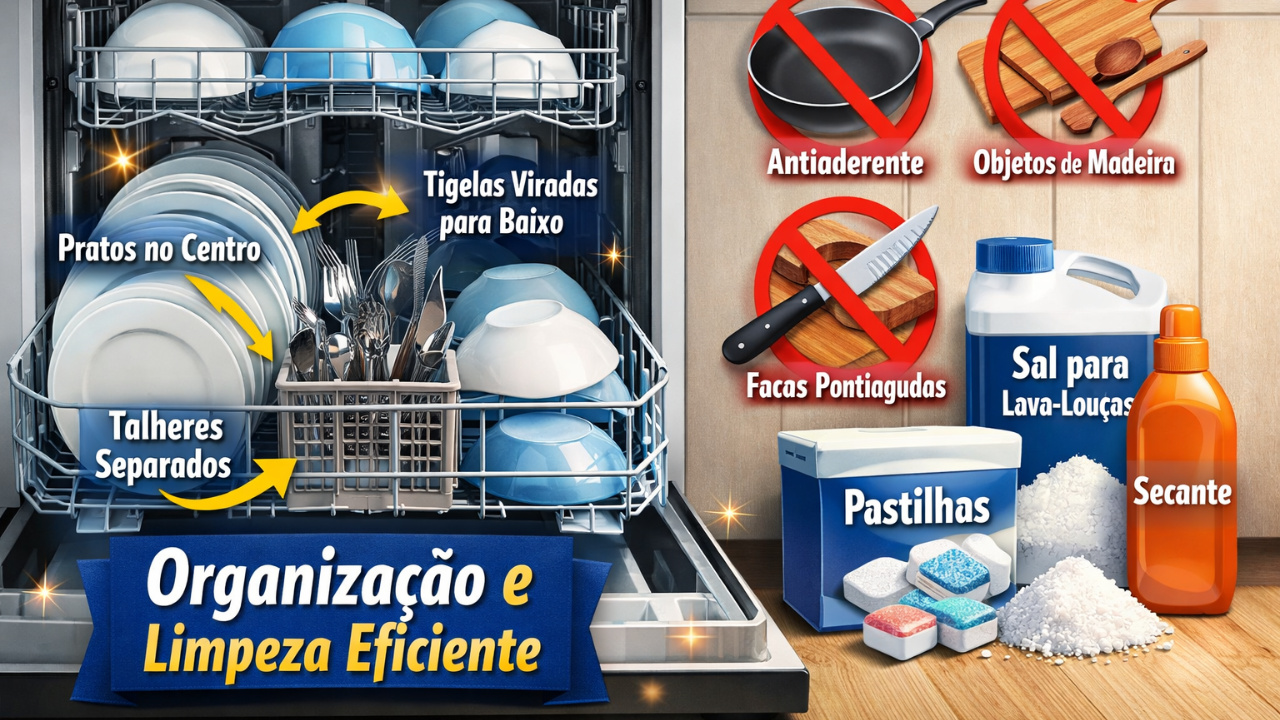
See How to Improve the Organization of the Dishwasher, Achieve Efficient Cleaning, and Ensure Proper Maintenance with Expert Guidelines.
The way you organize the dishes washer may be compromising the cleanliness of your plates without you realizing it.
Experts consulted by the BBC’s Inside the Factory program recently warned that simple mistakes in the organization of the machine directly affect efficient cleaning and even the proper maintenance of the appliance.
The guidelines, released after tests and technical analyses, help consumers save water, energy, and time at home.
-
Friends have been building a small “town” for 30 years to grow old together, with compact houses, a common area, nature surrounding it, and a collective life project designed for friendship, coexistence, and simplicity.

-
This small town in Germany created its own currency 24 years ago, today it circulates millions per year, is accepted in over 300 stores, and the German government allowed all of this to happen under one condition.

-
Curitiba is shrinking and is expected to lose 97,000 residents by 2050, while inland cities in Paraná such as Sarandi, Araucária, and Toledo are experiencing accelerated growth that is changing the entire state’s map.

-
Tourists were poisoned on Everest in a million-dollar fraud scheme involving helicopters that diverted over $19 million and shocked international authorities.


The goal is simple: improve the equipment’s performance and avoid waste in the routine.
The debate about the right way to use the dishwasher is not new.
However, according to experts, many habits considered “fancy” can, in practice, hinder the final washing results.
Next, see the main household tips to get it right in organizing your machine.
Dishwasher: Why Avoiding Pre-Rinsing Improves Efficient Cleaning
One of the most common mistakes is rinsing the plates before putting them in the dishwasher.
Although it seems like a careful attitude, experts say this habit can reduce the efficiency of the cycle.
Andrew Laughlin, lead researcher of the British consumer group Which?, explains that modern machines have sensors that identify the level of dirt in the water.
These sensors, called turbidity sensors, measure the number of particles present during the wash.
If the plates go in almost clean, the machine understands that it does not need to work as hard.
“Instead, it is much better to scrape food scraps into the trash and regularly clean the dishwasher filter,” Laughlin explains.
Lynsey Crombie, author of The 15 Minute Clean, reiterates the warning:
“Modern dishwashers are designed to detect dirt,” she says.
“So if your plates go into the machine too clean, they can actually wash less efficiently.”
“Remove food scraps, but don’t pre-wash. You will be wasting time and water.”
Therefore, when it comes to efficient cleaning, less is more.
Dishwasher Organization: The Right Positioning Makes a Difference
The internal organization of the dishwasher directly influences the final result.
According to Laughlin, there is an easy-to-remember rule of thumb.
If you ate from the utensil, it should go on the bottom rack.
If you drank from it, the top rack is the ideal spot.
Additionally, positioning dirty surfaces facing the water jets is essential.
“Place everything towards the center of the machine for better performance,” he teaches.
Another important point is to avoid plates and cups touching each other.
Water circulation needs to be free to ensure efficient cleaning.
Crombie adds that bowls should be placed facing down, preventing water accumulation.
Cutlery needs to be distributed alternately, preventing spoons from being clustered together.
According to her, excess dishes is also a common problem.
“If the water cannot circulate properly, nothing will come out clean, no matter how expensive your tab is,” she explains.
In other words, overloading the machine compromises both the result and proper maintenance.
The Dirtiest Items in the Center of the Dishwasher Increase Efficiency
Remnants of cereals, scrambled eggs, and starchy foods tend to be more difficult to clean.
These residues have a high protein content and tend to adhere more easily to surfaces.
To avoid rework, Laughlin recommends placing the dirtiest items in the center of the dishwasher.
This is the area where the jets are most powerful.
With this, efficient cleaning becomes more likely right from the first cycle.
Besides saving energy, this practice reduces appliance wear and tear, contributing to proper maintenance over time.
Dishwasher Requires Tablets and Salt for Proper Maintenance
The choice of products also directly impacts the performance of the dishwasher.
According to Laughlin, using tablets is “absolutely” vital.
These products contain enzymes that break down starch and protein molecules, as well as surfactants, substances that help water spread better over surfaces.
Salt specifically for dishwashers has another important function.
It helps soften the water, preventing limescale buildup and white stains on glasses.
The expert highlights that salt contributes to “softening the water, preventing limescale buildup and those horrible white marks on glasses.”
Even when the tablet claims to contain salt in the formula, Crombie recommends reinforcing the use.
“Think of it as maintenance, not as an extra,” she explains.
Additionally, using rinse aids can optimize the process. These “disperse water on the surface of the dishes, helping to dry more efficiently at the end of the cycle.”
What Never to Put in the Dishwasher
Thus, some utensils should remain out of the machine.
Very sharp knives, non-stick items, and wooden objects are among the main ones.
“High temperatures and water pressure can damage them,” Laughlin explains.
Crombie also warns against items with adhesive labels.
They can come loose during washing and obstruct the filter, harming proper maintenance.
Organization and Care Ensure Savings and Practicality
In the end, using the dishwasher properly goes beyond practicality.
It involves applying simple household tips that guarantee organization, savings, and greater durability of the equipment.
Therefore, small habit changes can transform your routine.
And while experts still have no answer for who should empty the machine, at least now the debate on how to use it correctly may come to an end.
See more at: Dishwasher: The Secrets to Correctly Washing Plates, Glasses, and Cutlery – BBC News Brasil










-

Uma pessoa reagiu a isso.