





 English
  Francês
  Alemão
  Italiano
  Japonês
  Norueguês
  Portuguese
  Spanish
  4 min of reading
  0 comments


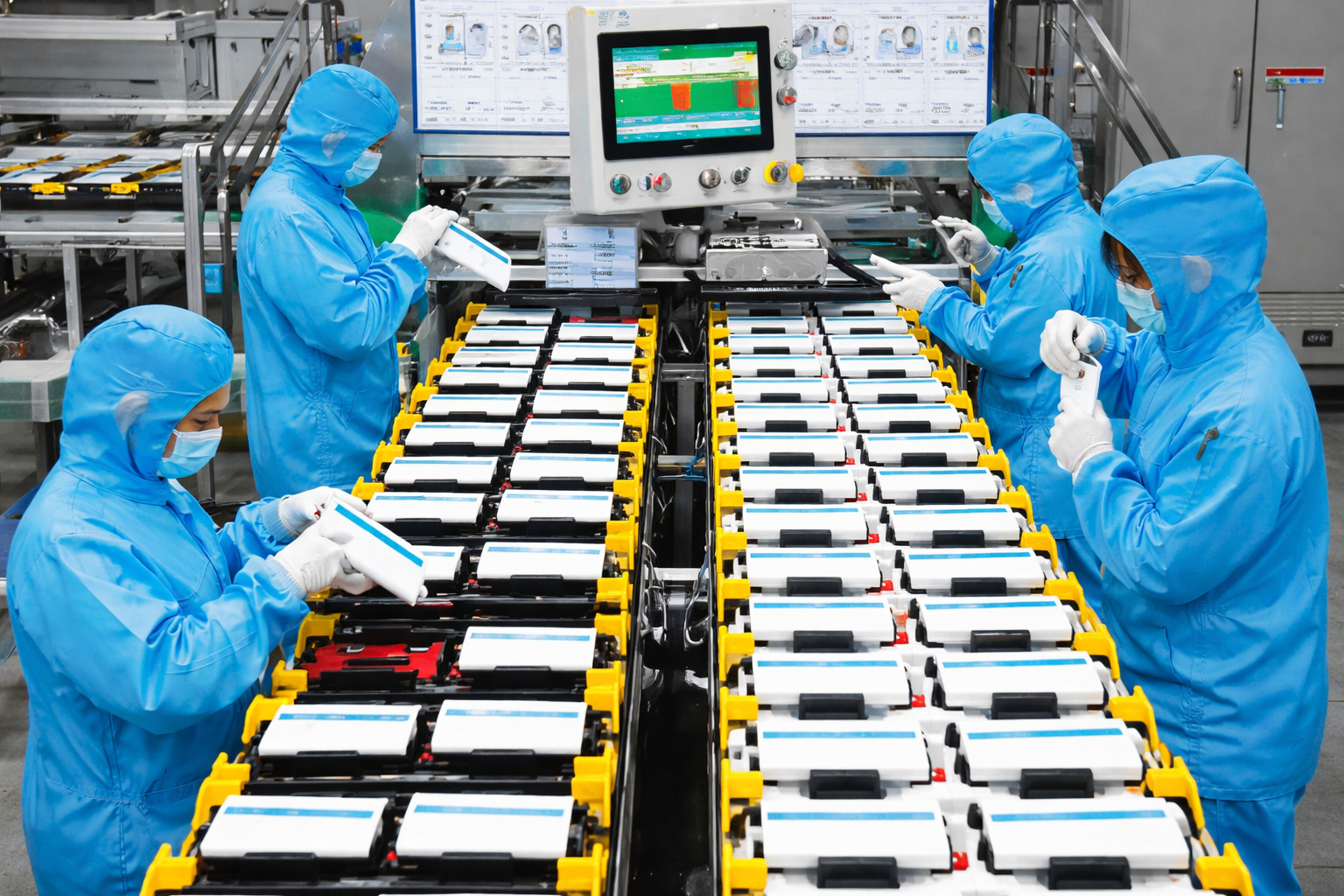
Competition for BESS Supply Advances as Government Defines Rules and Industry Projects Up to R$ 77 Billion by 2034
Chinese manufacturers are increasing their presence in Brazil while intensifying efforts to compete in the battery auction planned by the federal government.
This movement occurs because the country is preparing to contract energy storage systems (BESS) on a large scale in the coming years.
According to Absae, the industry association, the sector could attract R$ 45 billion by 2030 and, subsequently, R$ 77 billion by 2034.
-
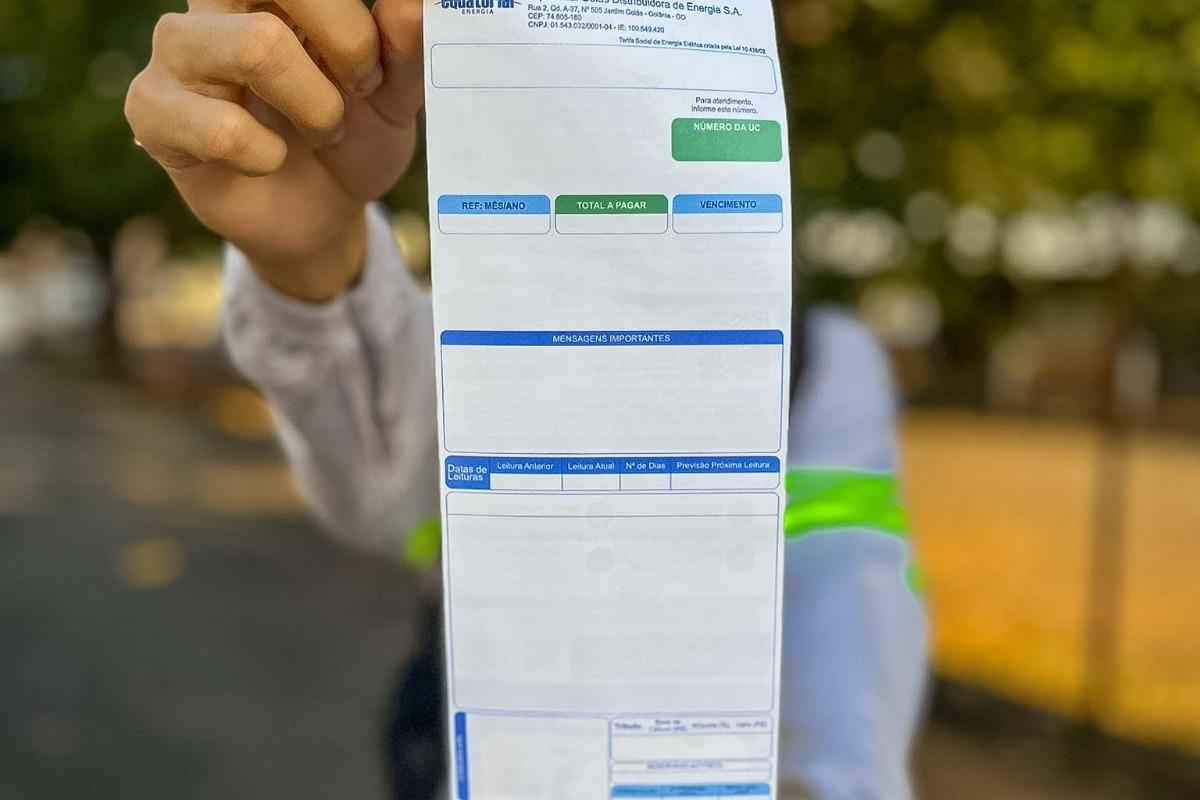
Equatorial adopts new national number for consumer units on electricity bills starting in April, following ANEEL standards and modernizing energy bills in several states.
-
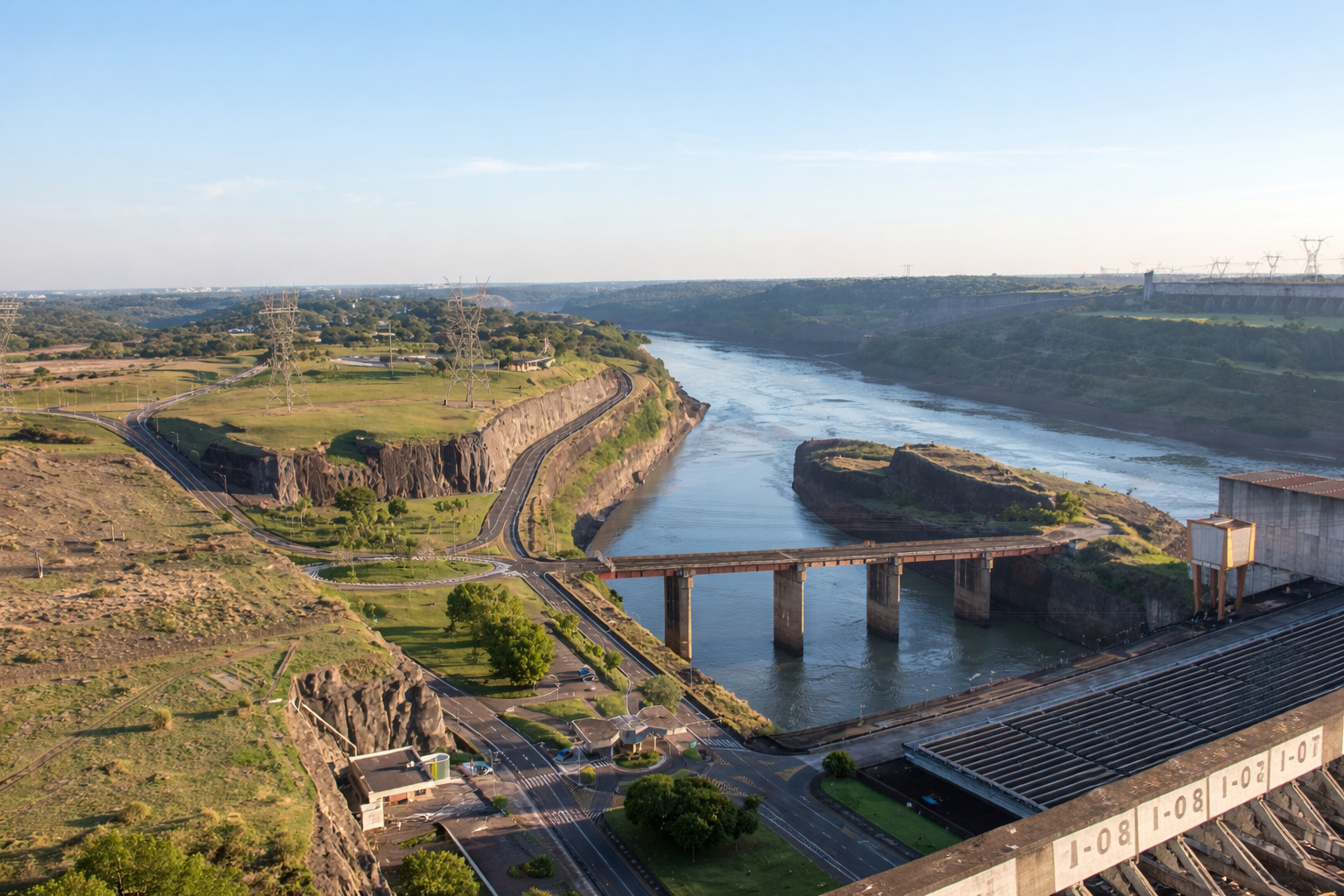
Itaipu Impresses the World: Hydroelectric Plant with 20 Turbines and 14,000 MW Generates Over 2.9 Billion MWh and Leads Global Clean Energy Production
-
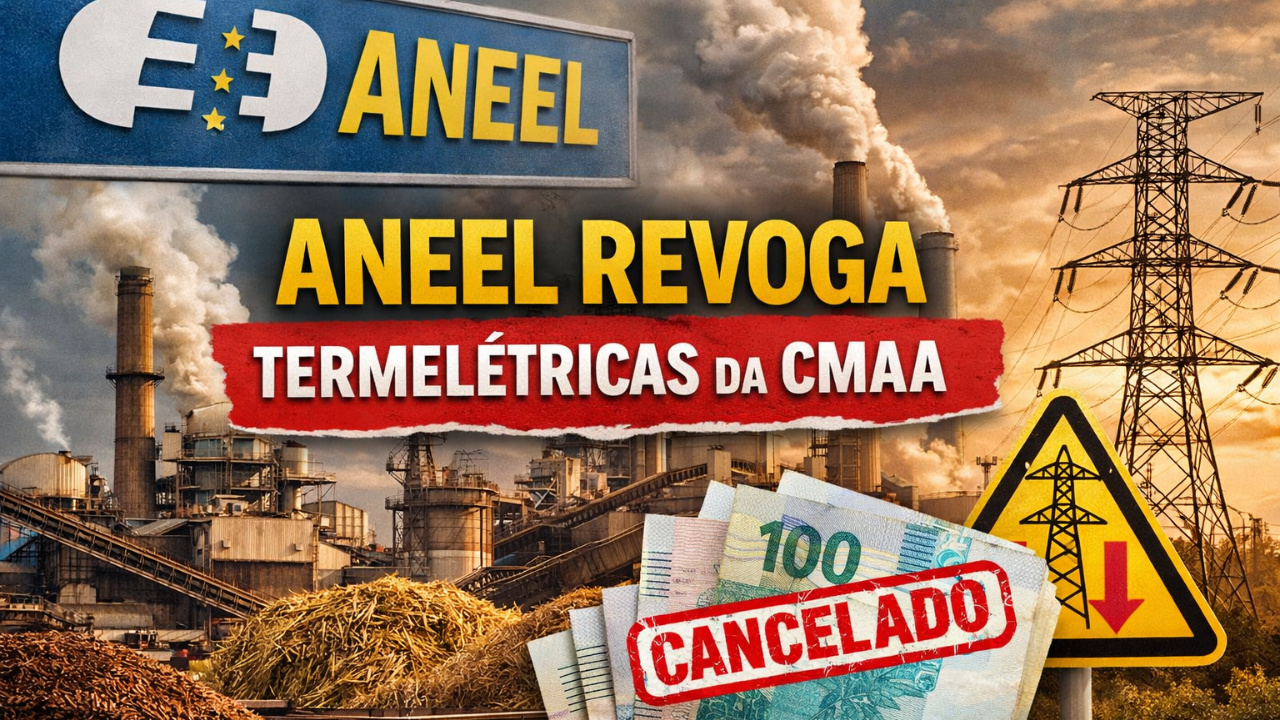
Aneel Revokes CMAA Thermal Power Plants After Network Restrictions and Excess Energy in the System
-
13-Year-Old Scientist Creates Clean Energy Device For Just R$ 16, Wins $25,000 Prize And Surprises The World With Affordable Solution


In addition, according to estimates released by the entity, only the auction organized by the Ministry of Mines and Energy could generate R$ 13.9 billion.
Although the final guidelines have not been officially published, Minister Alexandre Silveira, in 2024, indicated the possibility of it taking place in April.
The forecast considers contracting 2 GW, with delivery starting in August 2028, for four hours daily.
Global Companies Organize Commercial Strategies
While the government defines regulatory parameters, companies are structuring strategies to ensure their space in the supply chain.
On one side, giants such as Sungrow, BYD, CATL, Huawei, Jinko, JA Solar, TBEA, Risen, and Pylontech are participating.
On the other side, Brazilian companies like WEG, Moura, and UCB Power are competing.
In addition to them, GE Vernova, Tesla, and Ingeteam are also vying for market share.
According to information published by Folha, Chinese manufacturers intend to act exclusively as BESS suppliers.
Thus, they should not join consortia with auction participants.
Executives state that the strategy consists of forming partnerships with winners and then providing the contracted systems.
Presence in Brazil Strengthens Competitive Positioning
In this context, by the first week of February, Sungrow reported dialogues with 37 interested companies.
At the same time, Huawei maintained talks with approximately 30 potential participants.
TBEA reported contact with 80 companies.
According to Rodrigo Marchezini, director of Risen in Brazil, the company has been operating in the Brazilian solar market since 2012.
Now, this month, it will deliver its first storage systems in the country, totaling 20 MWh.
Globally, the company has 6 GWh installed.
For its part, according to data from S&P Global, Sungrow has a total of 40 GWh installed and 50 GWh contracted worldwide.
Of this total, about 10 GWh are in Latin America, mainly in Chile.
Additionally, according to Roberto Valer, CTO of Huawei Digital Power in Brazil, the company has sold 400 MWh in the country, with 100 MWh already installed.
In September, the company formed a partnership with the city of São Paulo to install batteries capable of powering 120 electric buses.
International Costs Pressure National Industry
However, the strong Chinese presence raises debates about competitiveness.
According to a survey by BloombergNEF, Chinese BESS costs US$ 73 per kWh, while European ones reach US$ 177 and American ones US$ 219.
Although the consultancy did not measure Brazilian prices, industry sources indicate that they are higher than those of the Chinese.
Furthermore, in early February, the federal government raised the import tax on these systems from 16% to 20%.
As part of the national components is also imported, the impact could affect the entire production chain.
As stated by Rafael Rabioglio, head of BloombergNEF in Latin America, China maintains a global advantage in scale and production costs.
Financial Capacity Enhances Competitiveness
In addition to technological competition, financial strength also weighs in.
TBEA reported 96 billion yuan in revenue in 2024, almost twice the amount registered by WEG in the same period.
Moreover, the company is considering offering financing to large clients interested in the auction.
In this model, the equipment would be delivered initially, and payment would occur after the plant begins operations.
To supply 500 MWh, the estimated investment would be US$ 50 million.
In this context, the battery auction in Brazil consolidates as a strategic movement in the electricity sector while reorganizing the competition between national and international manufacturers.
Considering the financial, technical, and regulatory dimensions involved, what will be the real impact of this auction on the future of energy storage in the country?









Seja o primeiro a reagir!