





 Portuguese
  English
  Spanish
 3 min of reading


According to João Lorenzi, Analyst at Encore Asset Management in the Oil and Gas Market, the Reason That Explains Petrobras’ Discount Is Political Risk and the Decline in the So-Called EV/Ebitda That Occurred During the Transition of Governments and Controls in the Country.
The EV/Ebitda is one of the most monitored indicators by the market to evaluate a stock, to determine whether it is expensive or cheap. This indicator has shown that Petrobras shares currently have the largest discount among the largest companies in the oil and gas market around the world, within the offshore sector. Petrobras’ EV/Ebitda is 3.1 times, compared to 6.8 times for American oil companies Chevron and ExxonMobil, considered market leaders. Following are the British Shell, with 4.6, and the French Total, with 3.8, tied with British Petroleum (BP). It is important to note that EV stands for Enterprise Value, which indicates the company’s market value. Meanwhile, Ebitda is responsible for showing cash generation; that is, the higher the indicator, the further the value of the shares is from the cash they generate.
Petrobras Has a Low EV/Ebitda
All this means that with the lowest EV/Ebitda value, it can be said that Petrobras is a company with stocks that have a very low value, given its cash generation capability.
Chevron and ExxonMobil, on the other hand, have long-term value in cash production. Therefore, Petrobras has highly reduced stocks, while American oil and gas manufacturers are highly expanded, according to expert analysis.
-
Brazilian city gains industrial hub for 85 companies that is equivalent to 55 football fields.

-
Peugeot and Citroën factory in Argentina cuts production by half and opens a layoff program for more than 2,000 employees after Brazil drastically harmed purchases of Argentine vehicles.

-
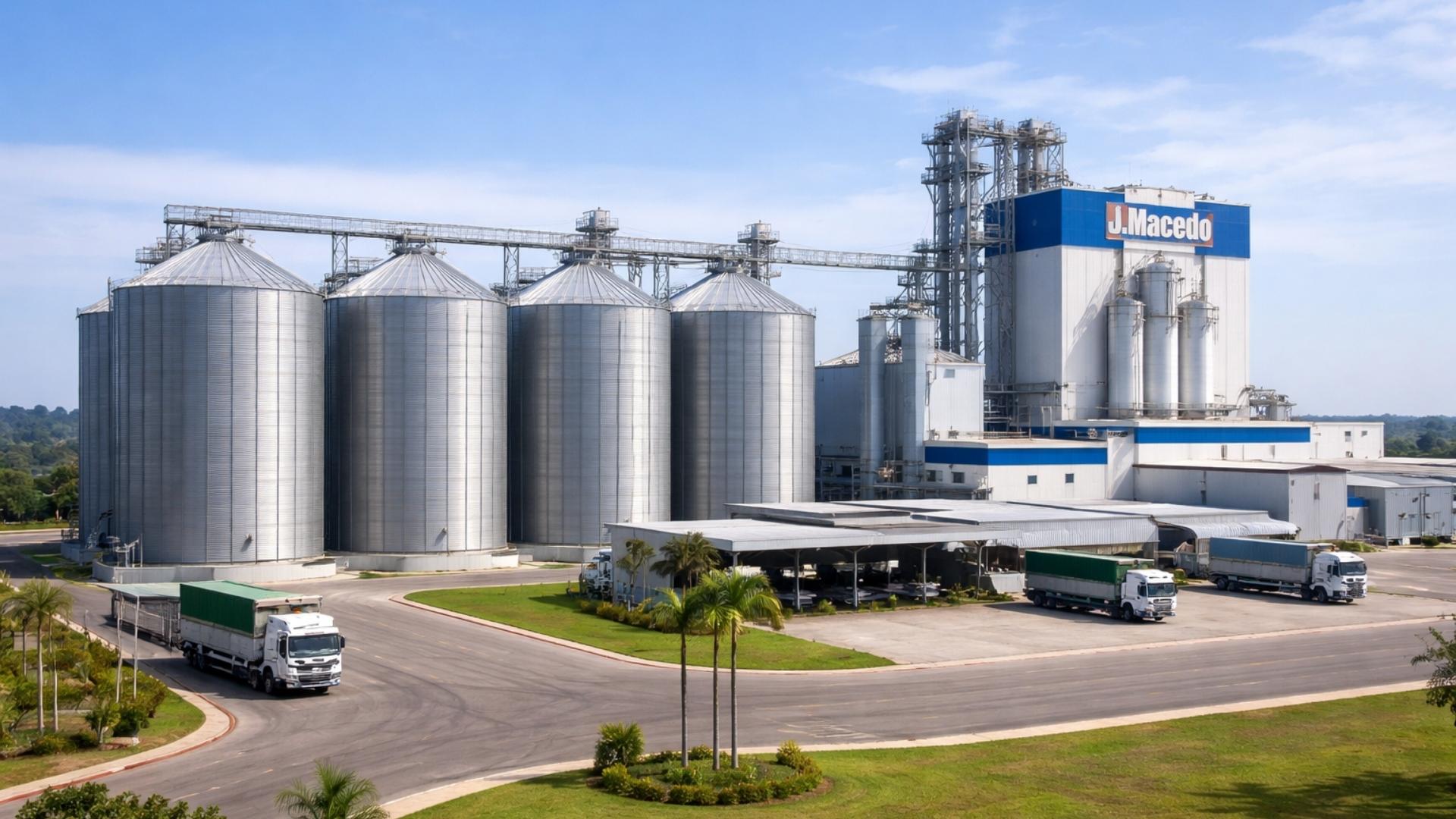
A Brazilian city gains a factory worth R$ 300 million with the capacity to process 200 thousand tons of wheat per year, a mill of 660 tons per day, silos for 42 thousand tons, and an industrial area of 276 thousand m².
-
Havan will leave the shopping mall in Blumenau to inaugurate something the chain has never done before: a megastore in half-timbered style in the Historic Center of the city, which is expected to be ready in May and change the landscape of local retail.


Encore’s oil analyst, João Lorenzi, stated that the main reason for Petrobras’ discount is the so-called political risk. Lorenzi reported seeing a “derating” trend in Petrobras, where the company is starting to see its EV/Ebitda decline in the offshore sector.
“Before the Dilma era, Petrobras used to have an average EV/Ebitda of 5.5 times. This number dropped to 4.5 times during the Temer administration and fell to about 2 times, when considering dividends, during the Bolsonaro period. This trend was observed in all oil stocks due to the energy transition, but it was much more intense for Petrobras because the risk of interference is always looming,” the analyst added.
Power Transition Caused the Lowest Value, According to Analysts
In other words, the market has begun to pay less to the oil and gas company because, among various other reasons, it sees a high investment risk.
The analyst also highlighted that well before the ‘Dilma Era’, Petrobras had an average EV/Ebitda of 5.5 times. This number initially fell to 4.5 times during the Temer period and to something close to 2 times regarding stocks during the Bolsonaro administration.
This trend was extremely visible in all offshore oil stocks due to the changes in power, but it was more intense for Petrobras, precisely because of that atmosphere of risk of disruption that always hangs over the company.
For Investors, Analyst Provides Advice Regarding Petrobras Stocks
Encore holds many Petrobras shares in its portfolio; however, João Lorenzi felt it was important to emphasize that those considering investing in Petrobras should keep in mind that the oil company’s stocks are extremely volatile, due to the risks of political interference.
Even with the discount compared to peers, Paulo Bittencourt, the current financial advisor, does not recommend acquiring Petrobras shares due to the greater flexibility that government dysfunction has created.
According to him, the average investor needs to consider whether they will be in the midst of a significant buying and selling process, especially the ADR executed by scholars and stock market specialists. For Paulo Bittencourt, there are better long-term investment alternatives in the oil and gas sector, such as Chevron and ExxonMobil, as some of them are now being sold in Brazil as BDRs.
Credits: CNN Brasil








Seja o primeiro a reagir!