





 Portuguese
  English
  Spanish
  4 min of reading
  2 comments


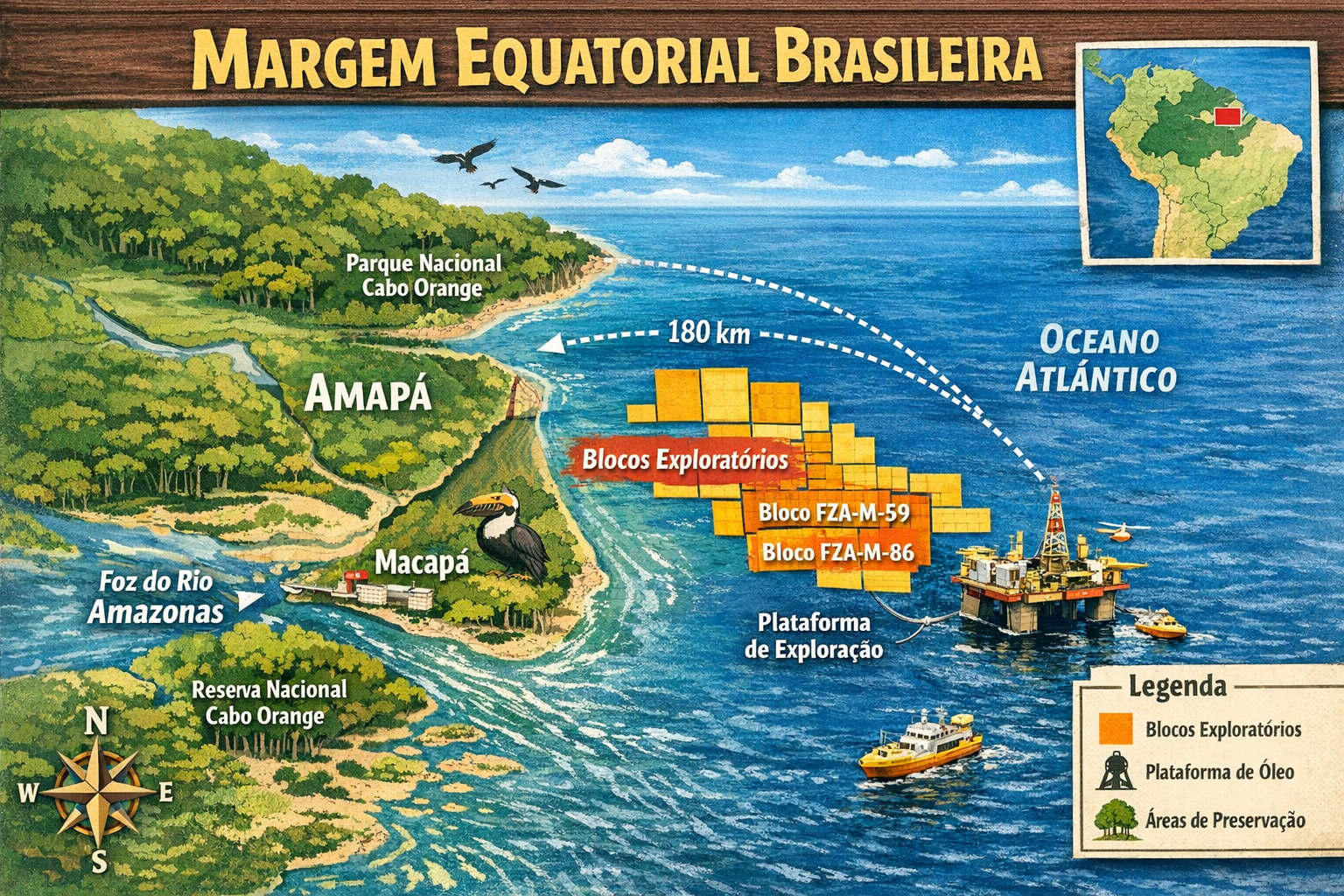


Ibama Authorization Releases Exploratory Well off the Coast of Amapá, in Deep Waters, Rekindles Economic Expectations, Strengthens Energy Sovereignty, and Places the Amazon at the Center of the Oil Map
After five years of waiting, Petrobras received the authorization that could change Brazil’s energy future. The Brazilian Institute of Environment and Renewable Natural Resources (Ibama) granted the license for the drilling of an exploratory well in the Equatorial Margin, off the coast of Amapá. With this, the state-owned company begins a new phase of research in one of the country’s most strategic areas.
The information was disclosed by national press outlets, according to data from Ibama and official communications from Petrobras. Additionally, authorities from the government of Amapá confirmed that the release had been awaited for more than 100 days, which increased political and economic pressure on the process.
License Releases Drilling in Deep Waters and Well is Expected to Operate for Five Months
With the authorization in hand, Petrobras reported that drilling of the well will begin immediately. According to the company, the work is expected to last about five months, a period considered sufficient to assess the exploratory potential of the area.
-
Brazilian giant expands borders in the Southeast: Petrobras confirms new oil discovery in ultra-deep waters in the pre-salt of the Campos Basin.

-
Alert in the global energy market: Severe tropical cyclone hits the coast and disrupts gas production at major plants in Australia, threatening global supply.

-
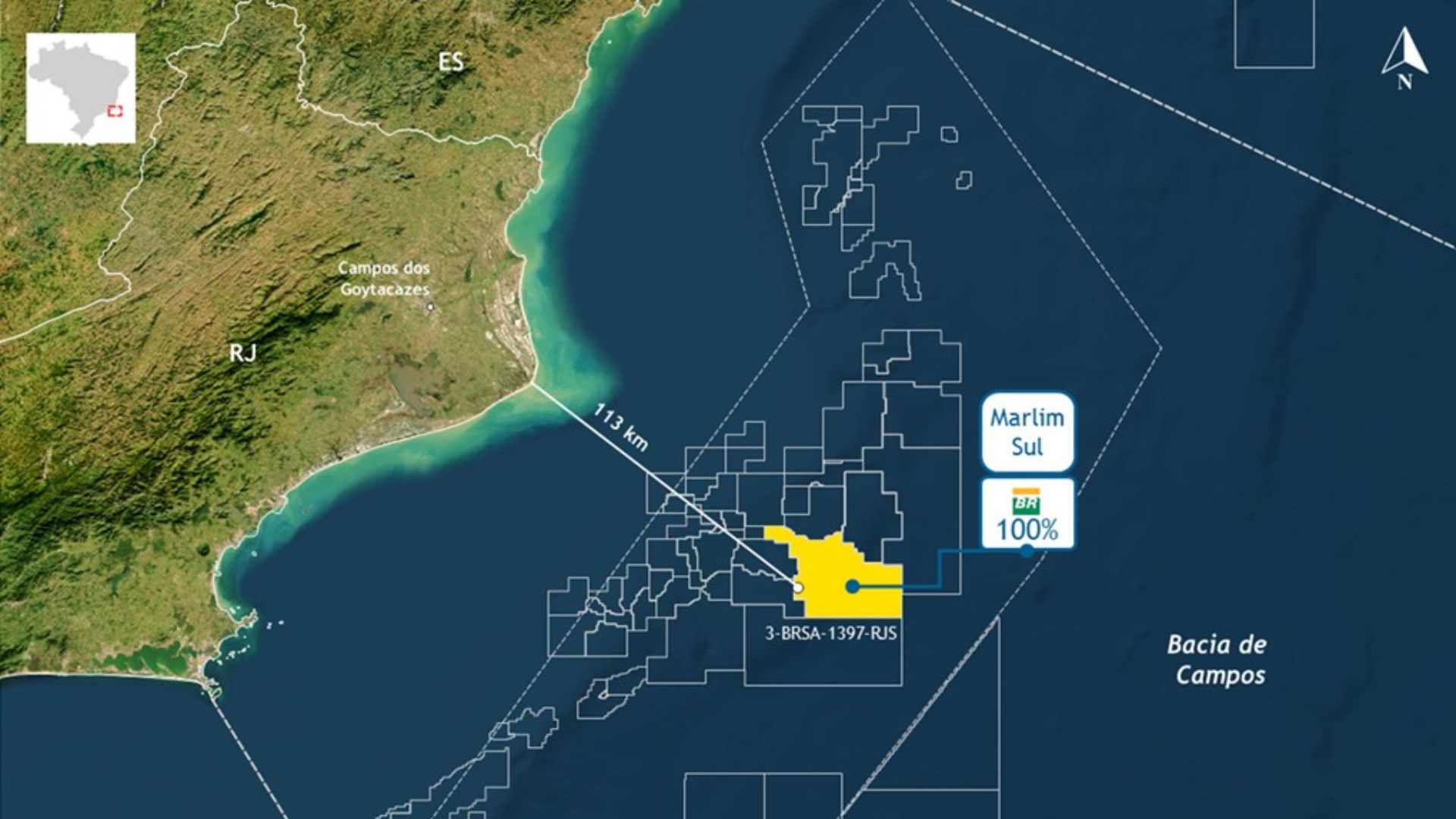
Petrobras finds high-quality oil in the pre-salt at 113 km from RJ and reignites expectations about strategic reserves in the Campos Basin.

-
Ocyan opens registrations for startups focused on innovation in the oil and gas sector and will select projects for Innovation Day with the support of Nexio.


The authorized block is located in deep waters, approximately 500 kilometers from the mouth of the Amazon River and 175 kilometers from the coast of Amapá. In this context, the state-owned company also confirmed that the drilling rig is already positioned at the site, ready to start operations.
Still, the process does not end with this stage. If the results indicate commercial viability, Petrobras will need to undergo new environmental licensing before any large-scale exploration. For this reason, the current moment is seen as decisive, but not definitive.
Equatorial Margin May Hide Up to 15 Billion Barrels of Oil

Interest in the Equatorial Margin is growing because estimates suggest the existence of up to 15 billion barrels of oil in the region. In view of this, experts believe that the potential may be comparable to the reserves in Guyana, currently one of the areas of greatest oil expansion in the world.
To put it in perspective, the Guianese economy grew about 33% in 2023, after registering approximately 40% growth the previous year. For this reason, the Brazilian government believes that the Equatorial Margin could become a new economic engine, similar to the impact of the pre-salt.
In this regard, Petrobras stated that the initial studies should indicate, in less than six months, whether the region can truly be considered the new pre-salt of Brazil. Meanwhile, the market, state governments, and experts are closely monitoring each step.
National Technology and Energy Sovereignty Enter the Center of the Debate
During an interview with Canal Livre, Amapá’s governor, Clécio Vieira, emphasized the importance of Brazilian technology in the process. According to him, oil exploration can finance the energy transition, provided it occurs with environmental responsibility.
Furthermore, the governor compared Petrobras’s role to that of NASA, arguing that the state-owned company possesses sufficient technical knowledge and operational capacity to act safely. On the other hand, he recalled international examples, such as Norway, which used oil as a basis to invest in other areas of the economy, including tourism and clean energy.
In this context, Petrobras reinforced that all environmental assessments were conducted to ensure the protection of the flora and fauna of the region. According to Ibama, the license was only granted after a rigorous process, with inspections of emergency response structures and risk assessment.
Exploration Rekindles Discussion on Development and Preservation
Still, the debate remains sensitive. Environmentalists warn of the risks of oil activities near the Amazon. On the other hand, supporters of the project argue that the exploration represents the future of Brazilian energy sovereignty.
At the same time, local governments see the initiative as a historic opportunity for economic development, job creation, and revenue generation. Consequently, the Equatorial Margin has become one of the most strategic topics on the national agenda.
Finally, the success or failure of this exploratory phase may define Brazil’s path in the global energy scenario in the coming decades.
Do you believe that oil exploration in the Equatorial Margin can drive development without compromising the environment?









O tripé da sustentabilidade é homem, meio ambiente e o econômico, se uma dessas pernas fraquejar, a sociedade tem graves consequências, porém o responsável por tudo é o homem, ele não pode falhar, na Margem Equatorial já foram realizados estudos para o direcionamento dessa exploração petrolífera, logo, se o homem seguir os procedimentos pré estabelecidos o meio ambiente não sofrerá nenhum dano, e o impulso no desenvolvimento econômico, social e ambiental é garantido, onde todos ganharão.
Nome correto dessa aérea deve ser , área equatorial, nunca citar foz do Amazonas, e certo que os ambientalista insistem em ligar a exploração de petróleo a mais de 500km do litoral a, Amazônia.