





 Portuguese
  English
  Spanish
  6 min of reading
  0 comments


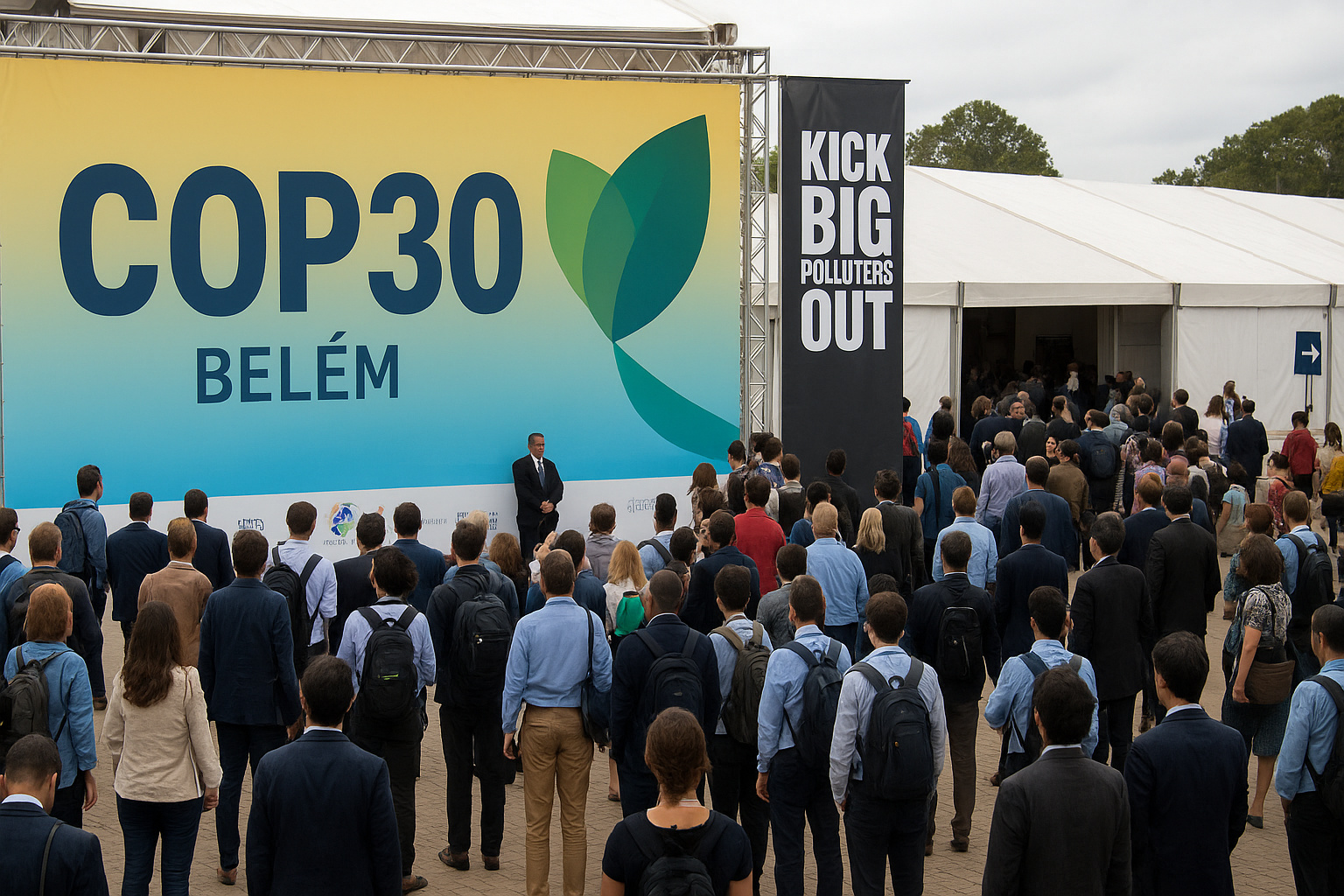
During the COP30, in Belém (PA), the presence of the oil lobby reached an alarming record, according to a survey by the coalition Kick Big Polluters Out (KBPO). More than 1,600 representatives from the fossil fuel industry secured accreditation for the conference, which is equivalent to one in every 25 participants.
The Rise of the Oil Lobby at the Climate COP
The COP30, held from November 10 to 21, 2025, in Belém (PA), marks a delicate point for global climate negotiations. Wikipedia Although the event focuses on reducing fossil fuels, the oil sector made a strong entry.
According to KBPO, the coalition that monitors the presence of the fossil fuel industry at climate conferences, oil lobbyists surpassed nearly all national delegations — except for Brazil, the host country of COP. Furthermore, according to Agência Pública, among the accredited, there are at least 11 representatives from Petrobras, some with “party overflow” status, which allows more access to negotiations.
-
New escalation of tensions and oil crisis in the Middle East forces world powers to accelerate energy transition plans.

-
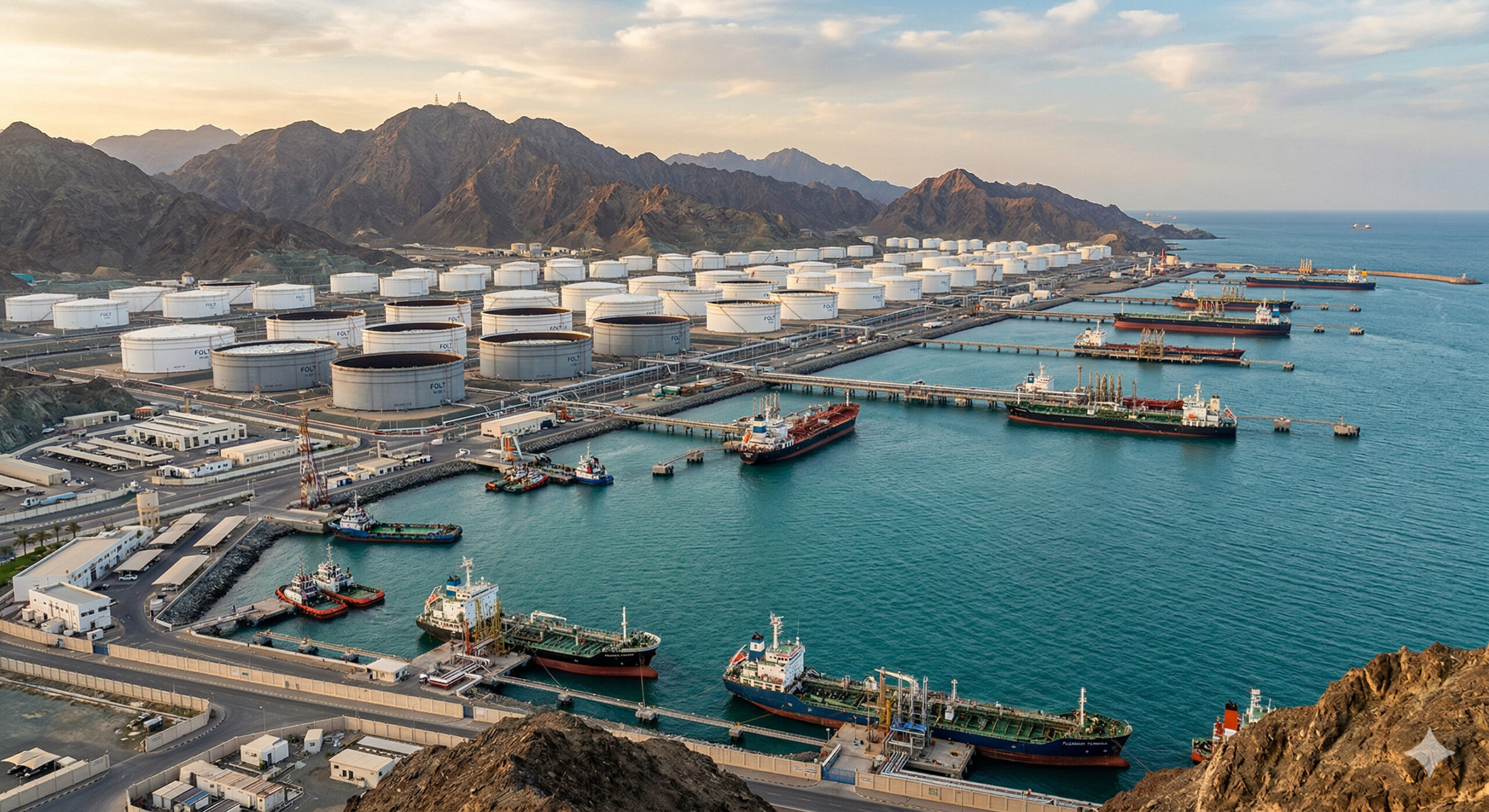
Giant reservoirs with a capacity of 18 million cubic meters have turned Fujairah into one of the largest energy vaults on the planet. This facility, located outside the Strait of Hormuz, stores oil on a colossal scale and has become a silent piece that supports the global flow of fuels.
-
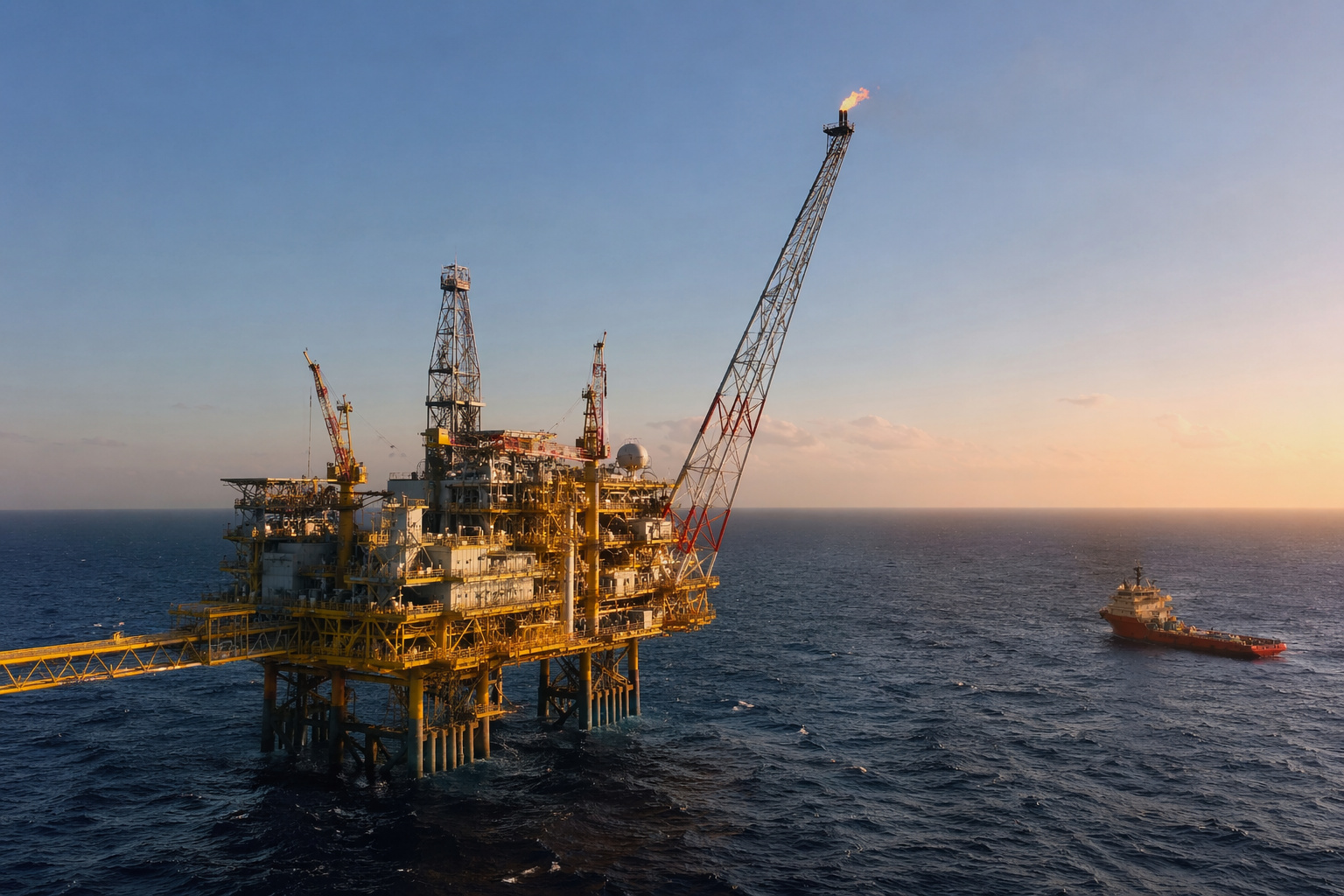
The next exploration auction in the pre-salt will offer 23 blocks in the Campos and Santos basins and may change the interest of oil companies in Brazil.
-
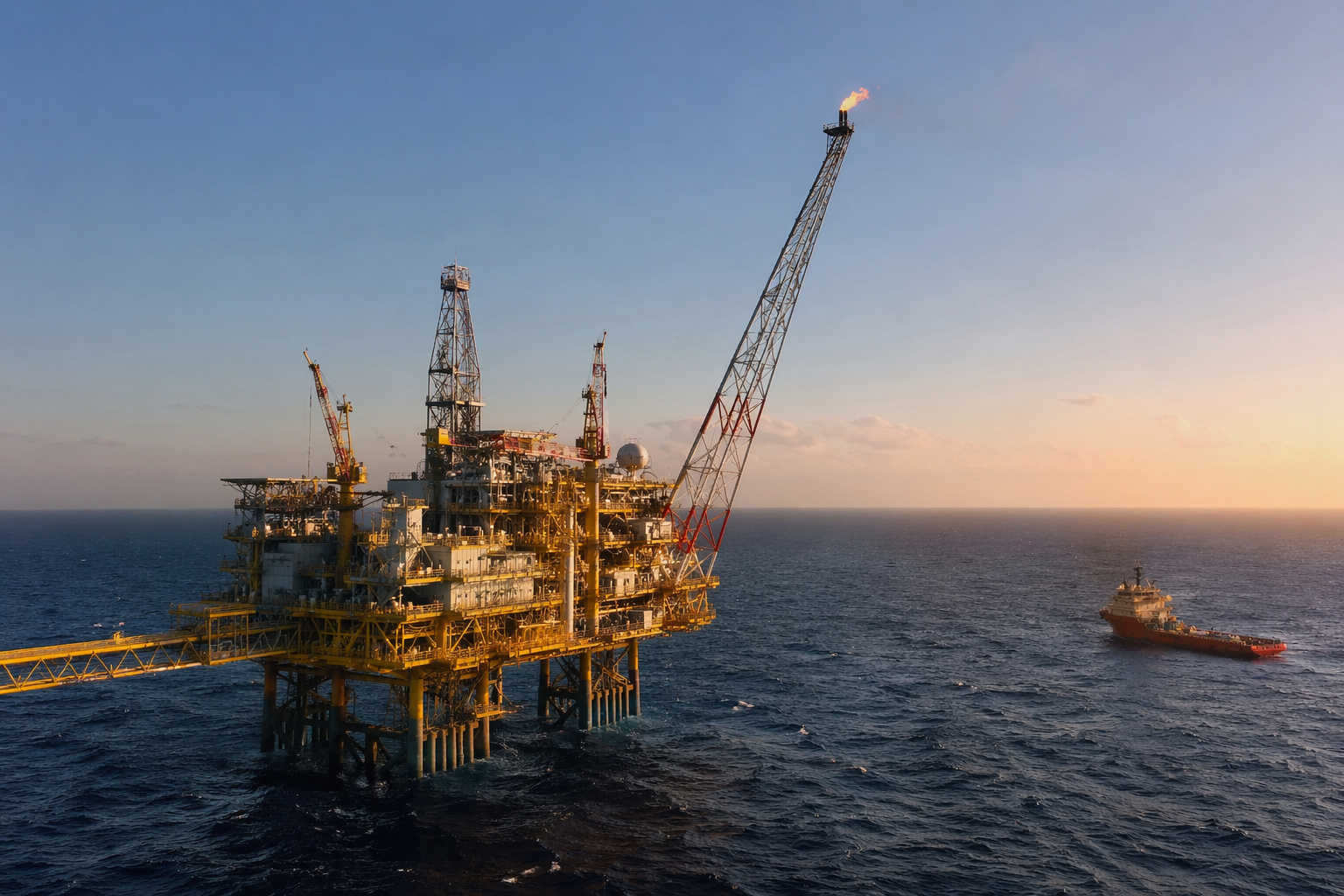
The next exploration auction in the pre-salt will offer 23 blocks in the Campos and Santos basins and could change the interest of oil companies in Brazil.
This volume of accredited individuals raises fears of corporate capture of climate decisions. According to Agência Pública, the number of fossil lobbyists at COP30 represents the highest concentration recorded by this coalition since it began tracking sector participation.
A Historical Overview of Oil at the COPs
It has been a long time since the oil industry has attempted to influence climate conferences. Historically, large fossil fuel companies attend COPs to defend their interests, even though there is tension between their practices and decarbonization goals. KBPO has been analyzing this presence since at least 2021 and warns about the risks of conflicts of interest.
Before COP30, this kind of lobbying already generated intense criticism. For example, Valor Econômico noted that, during the preparation for Belém, pressure for a phase-out plan of fossil fuels was increasing, just as the oil industry sought to maintain its relevance. This duality clearly shows the tension between environmental discourse and corporate power.
Political and Symbolic Impact of Oil Presence
The massive presence of oil representatives at COP30 carries considerable symbolic weight. When the very conference that is supposed to discuss the end of fossil fuels is flooded with lobbyists from these companies, the narrative of energy transition becomes weakened.
KBPO points out that, proportionally, participation increased by about 12% compared to COP29, in Baku. This evidences a clear strategy: to maintain a high degree of influence behind the scenes of negotiations.
Additionally, according to KBPO, many of these lobbyists accessed COP with “party overflow” accreditation, a category that grants privileged access to diplomatic backrooms. This type of credential allows the industry to closely follow negotiations, engage with delegates, and influence important decisions.
Reactions and Protests Against Oil Influence
As lobbyists mobilize within COP, social movements take the opportunity to protest. Activists raised banners with the phrase “Amazon Free from Oil and Gas” in the corridors of the “blue zone,” the area where the most important diplomatic negotiations take place.
The chief Jonas Mura, from the Gavião Real village in the Amazon, denounced the license granted by Ibama for drilling an oil well at the mouth of the Amazon River, shortly before COP30.
Mura stated that the authorization puts at risk indigenous, riverside, and quilombola communities, as well as fragile ecosystems like mangroves.
Furthermore, Agência Pública comments that, despite the rhetoric about the “COP of truth” launched by the Brazilian government, transparency is contested by these groups. The massive entry of the fossil lobby reinforces this point.
Challenges to the Authenticity of Climate Negotiations
The numerous presence of oil lobbyists at COP30 reveals a persistent problem at climate conferences: corporate capture. If entities responsible for the climate crisis heavily participate in negotiations, the integrity of the processes may be compromised.
For many critics, allowing the oil industry to operate so freely is a contradiction. They argue that major polluters should not have such privileged seats at negotiations aimed precisely at reducing emissions. KBPO, for example, calls for more accountability and transparency mechanisms.
Moreover, the concentration of fossil lobbyists could undermine public trust in COPs. When representatives of oil companies engage directly with climate authorities, the line between regulation and influence becomes thin.
The Oil Economy and Tensions in Transition
The oil industry still represents a significant share of the global economy, and many nations rely on profits generated from the extraction and export of fossil fuels. Therefore, its participation in COPs is never just symbolic: it is strategic.
During COP30, the discussion about a “phase-out” of oil gained urgency. According to Valor Econômico, several scientists urged Brazil to lead a clear exit from fossil fuels. However, the pressure from the lobby undermines the political strength of this movement.
The sector’s influence can delay ambitious decisions. When oil companies have an active voice in negotiations, they can negotiate more favorable terms or soften commitments that affect their core businesses.
At the same time, the industry argues that it participates to dialogue, innovate, and adapt. In previous conferences, some representatives of oil companies defended proposals for decarbonization, use of carbon capture technologies, and just transition. But critics provoke: to what extent are these promises sincere when many lobbyists continue to hold substantial portfolios in fossil fuels?
Global and Regional Implications in the Amazon
The intense participation of the oil lobby at COP30 in Belém brings real consequences for the Amazon, a region sensitive to global climate. If fossil corporations maintain strong influence over negotiations, there may be setbacks in environmental commitments, especially in Amazonian areas where oil and gas exploration occurs.
In 2025, global pressure to eliminate fossil fuels increased. According to Agência Brasil, more than 80 countries supported a roadmap to abandon oil, gas, and coal, a proposal pushed at COP30. This support shows that the transition is possible, but it depends on concrete actions.
The presence of fossil lobbyists at the conference directly contrasts with this decarbonization movement. Therefore, for many, it is essential that the international community impose limits on corporate participation in climate decisions.
If oil companies continue to influence the direction of environmental policies, the Amazon — and the global climate — may pay a high price.
Paths to Strengthen Transparency at COP
In light of the dilemma of oil power at COP30, several solutions emerge as urgent. First, it is necessary to strengthen transparency in accreditation, ensuring that lobbyists’ credentials are disclosed clearly and publicly. KBPO advocates precisely for this.
Furthermore, many call for the establishment of stricter rules to avoid conflicts of interest. For example, preventing companies that obtain special accreditation (such as “party overflow”) from having disproportionate influence in negotiations.
Another proposal is to limit the direct participation of executives from powerful oil companies in the official delegations of countries. This would reduce these companies’ ability to shape discourses and guidelines.
It is also possible to strengthen dialogue with society: indigenous movements, environmental NGOs, and representatives of the most affected communities should have significant space in COP decisions — not just as observers, but as influential participants.
Reflection on the Future of Energy Transition
COP30, with all its debates and contradictions, reveals a complex truth: the energy transition is not only technical; it is political. Oil remains at the center of disputes, as it represents economic and political power.
However, the mobilization force of activists, pressure from coalitions like KBPO, and international support for the phase-out of fossil fuels show that there is a real chance for change. If COP rules are adjusted to limit the fossil lobby’s influence, the transition process may become more legitimate.
The Amazon, a global symbol of the climate crisis, can also become a symbol of climate justice. To achieve this, it will be necessary for the world to go beyond rhetoric: it is essential to transform the corridors of the conference into spaces for real action — not corporate capture.









Seja o primeiro a reagir!