





 Portuguese
  English
  Spanish
  3 min of reading


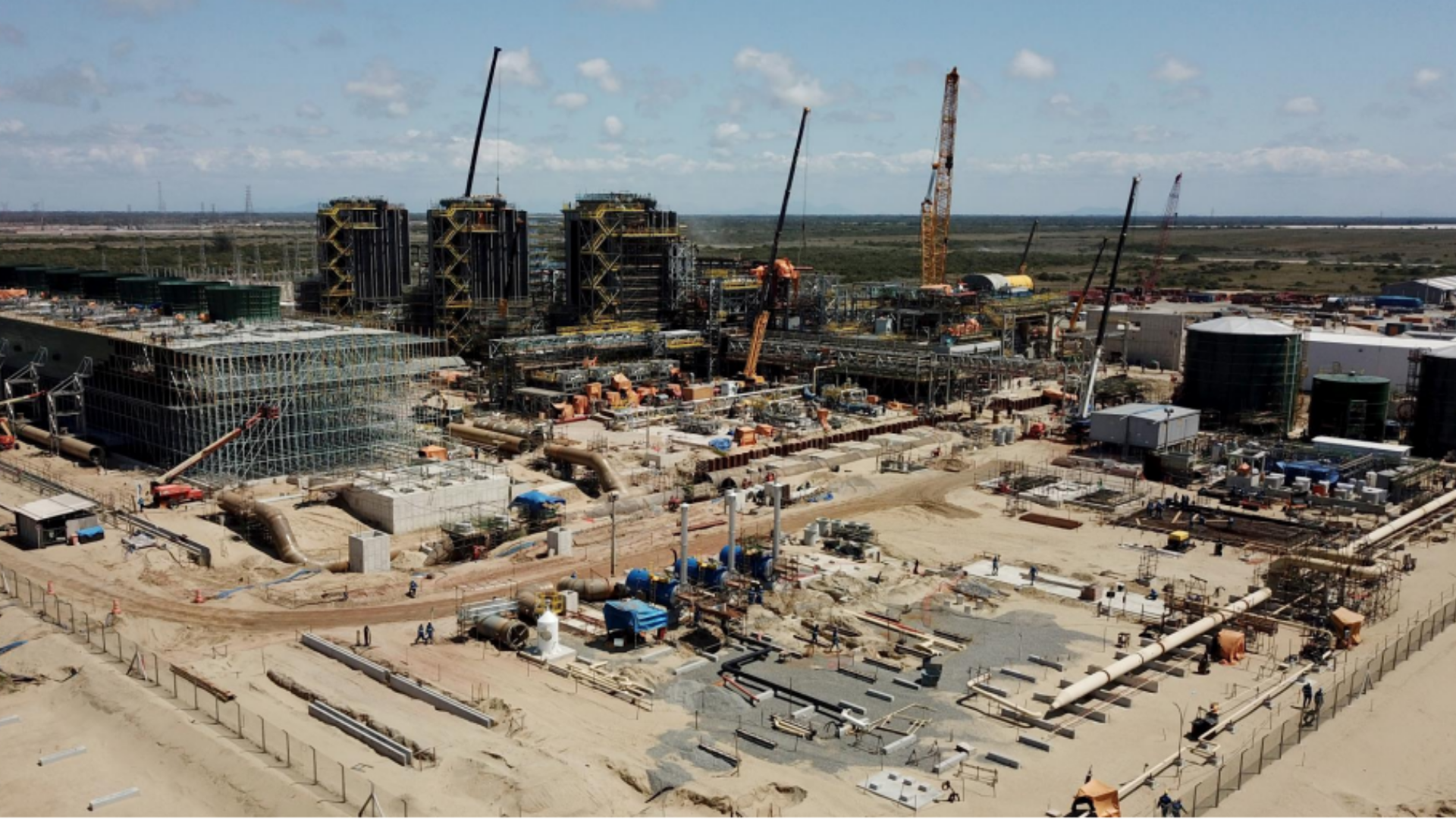
The Works of the Thermal Power Plant at Porto do Açu May Generate Around Five Thousand Jobs in the Region of São João da Barra and Campos dos Goytacazes
Açu Natural Gas (GNA), a joint venture formed by BP, Siemens, SPIC Brazil, and Prumo Logística, was authorized by the São João da Barra City Hall (RJ) to begin the construction of its second thermal power plant at Porto do Açu, GNA II, scheduled to start commercial operations in 2024. According to the Estadão newspaper, construction is expected to begin in October, and the company has already started preparing the site where the project will be installed and new job vacancies will be created. Also read this news: Marlim Azul Thermal Power Plant in Macaé Is 70% Completed and Will Start Operations in 2023
- In Macaé, offshore job vacancies are offered for mid-level and technical professionals by a recruitment company
- Ford Will Invest $11.4 Billion in Electric Vehicle Production
- Espírito Santo Government Freezes ICMS on Gasoline, Cooking Gas, and Diesel Oil
- Pepsico Invites Undergraduates from All Fields of Study for Positions in Its 2022 Trainee Program
- CAB Motors Will Invest R$ 100 Million in Building a New Jeep Factory in Santa Catarina
The New GNA II Thermal Power Plant Located at Porto do Açu
According to information released by Estadão, the thermal power plant will consist of three natural gas turbines and one steam turbine, totaling an installed capacity of 1.67 gigawatts (GW), enough energy to supply 7.8 million households. The total investment is estimated at R$ 5 billion, with R$ 3.93 billion obtained through financing from the National Bank for Economic and Social Development (BNDES).
The construction of the power plants and the supply of equipment, such as gas and steam turbines, in addition to heat recovery boilers, are the responsibility of Siemens Energy, which will also provide operation and maintenance services for the units. The natural gas will be imported and supplied by BP.
-
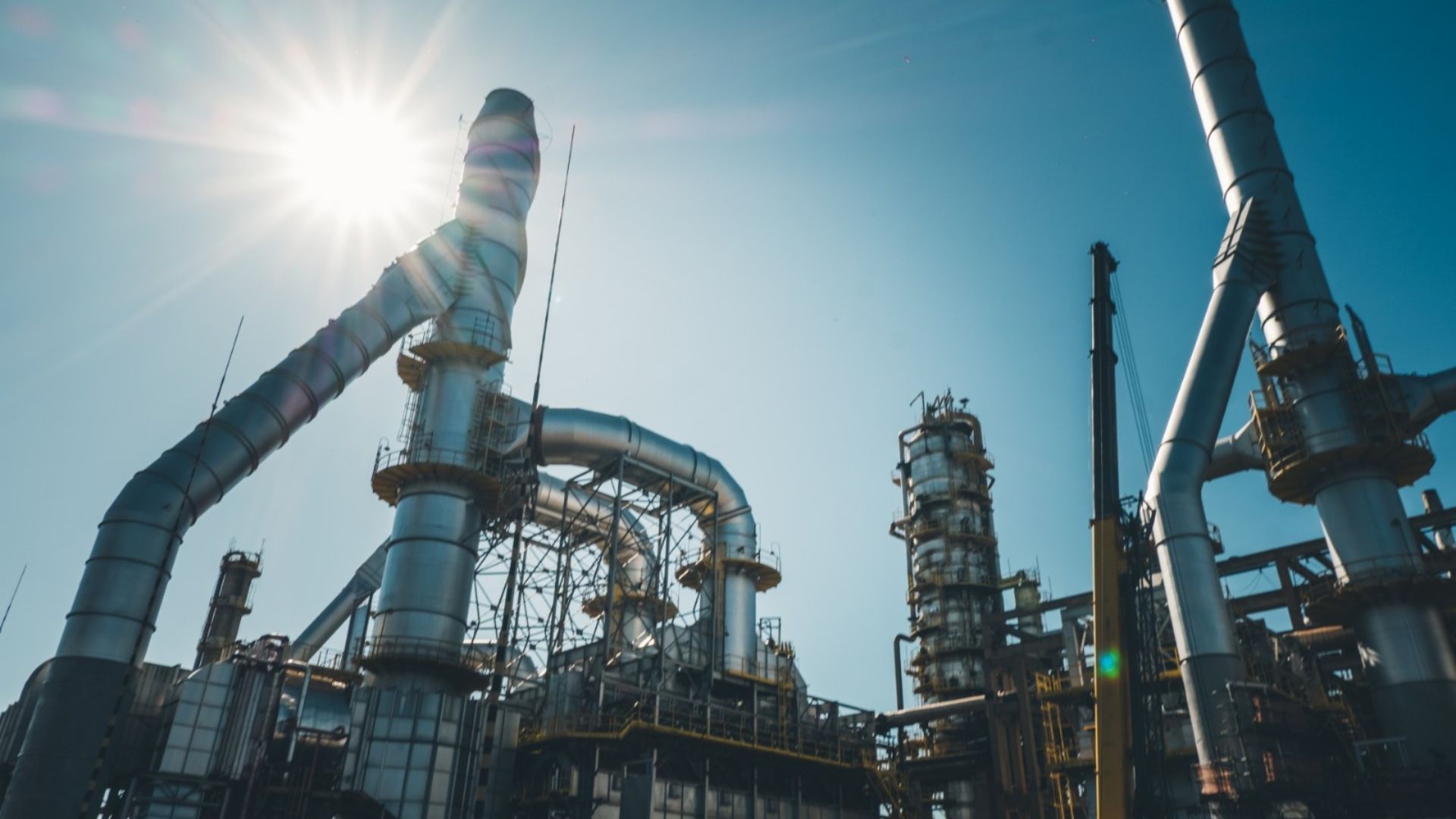
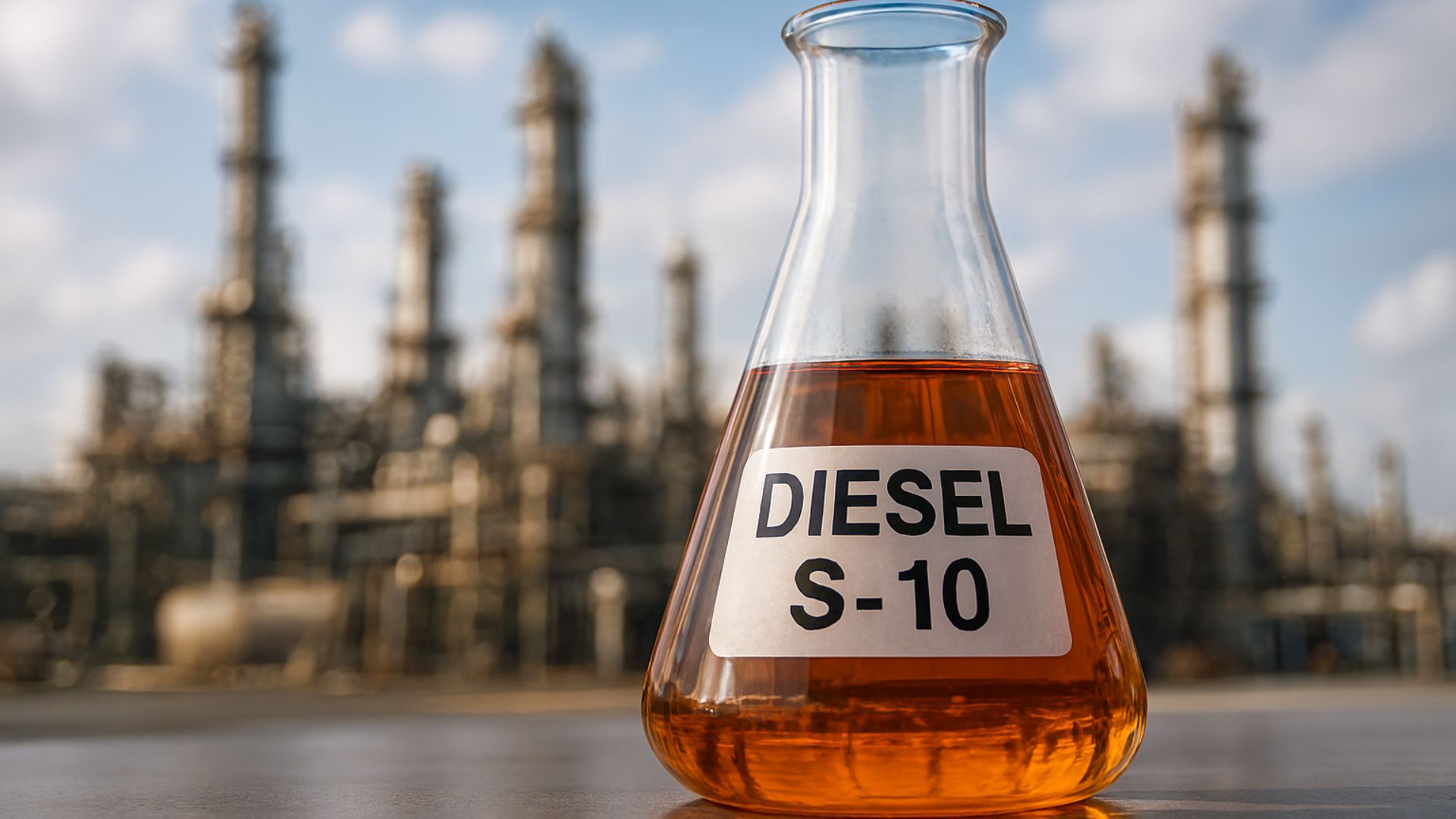
Petrobras Expands Refining in Brazil, Increases Production of Diesel S-10 and Gasoline, Enhances Operational Efficiency, and Reduces Import Dependence Between 2023 and 2025
-
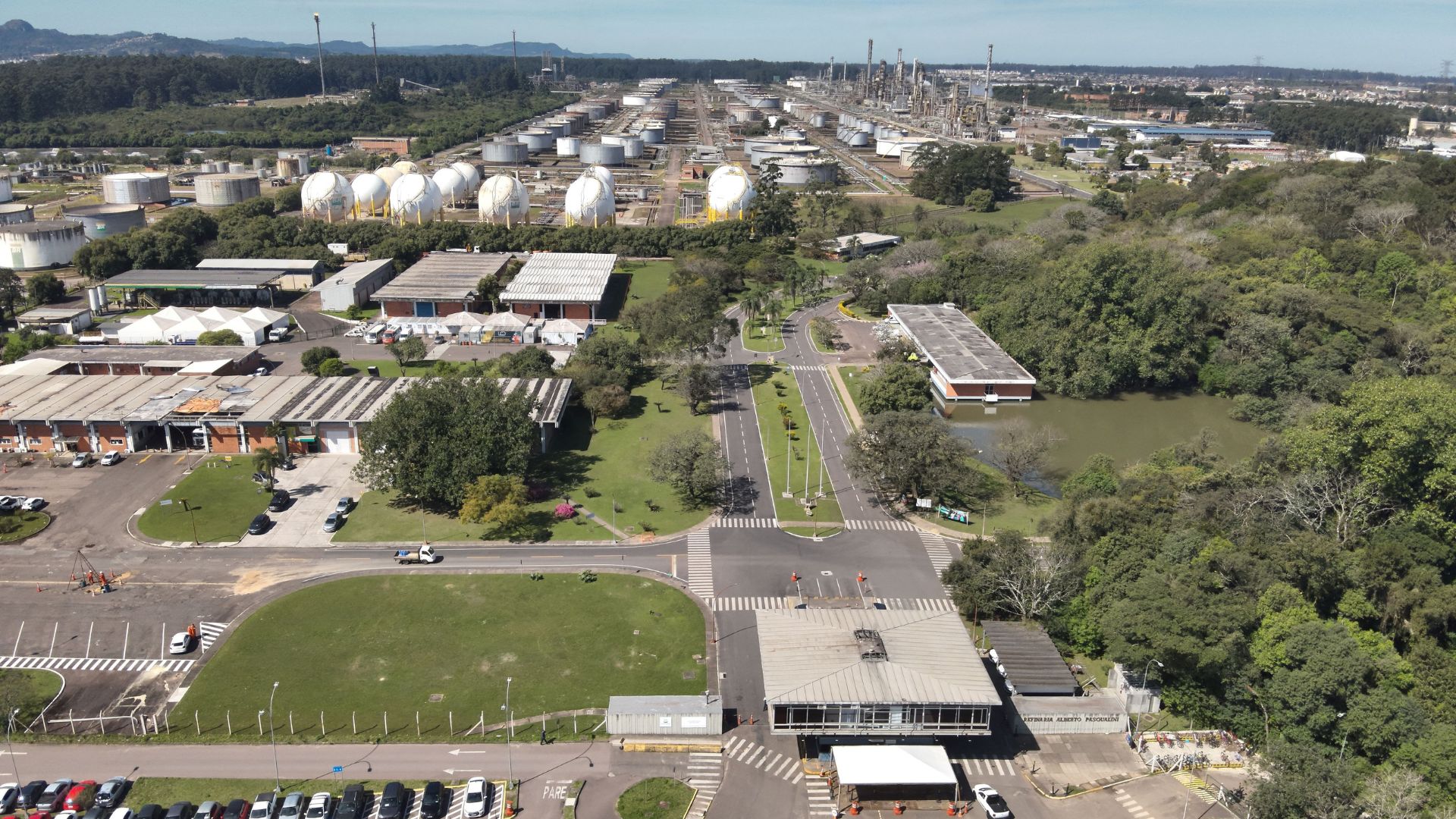
Petrobras’ Refap Sets Historic Records for Gasoline and S-10 Diesel Production in Canoas in Q4 2025, Surpassing Previous Figures
-
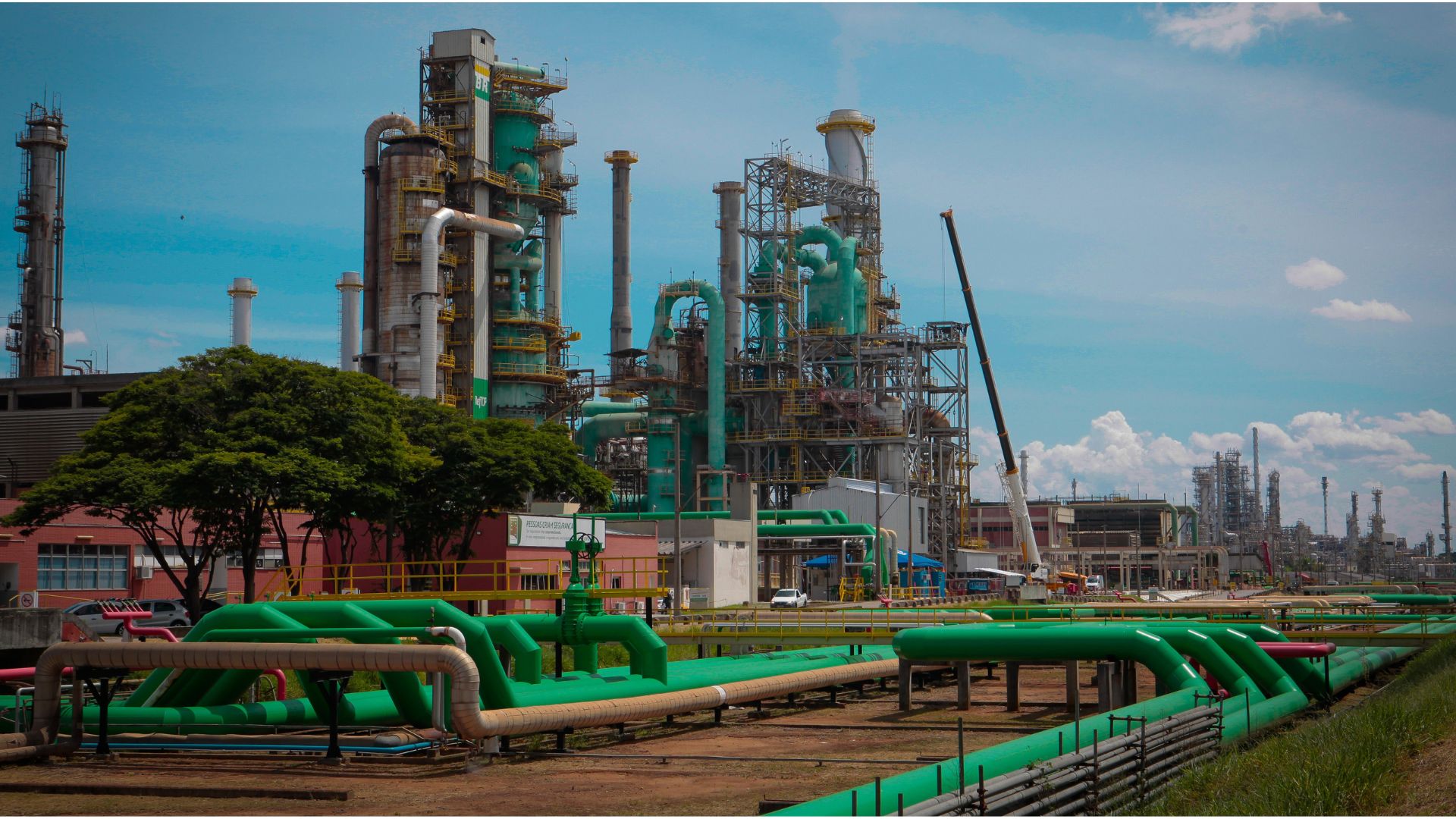
Revap Starts Operation of Modernized HDT and Petrobras Expands S-10 Diesel Production by 80% at the Refinery, Boosting Supply of Less Polluting Fuel in Brazil
-
Thermal Power Plant in Rio Grande do Sul Is Key to Attracting GWM
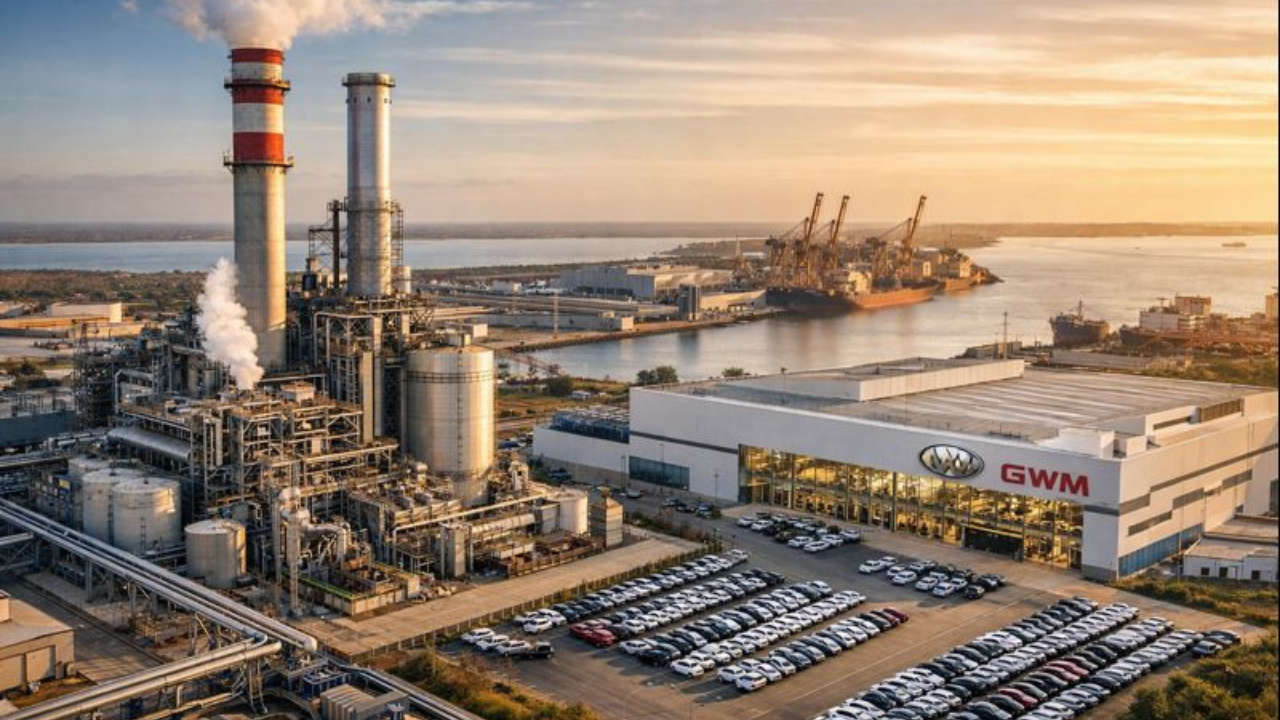

Job Creation During the Thermal Power Plant Construction
As mentioned previously, according to the website O Dia, the areas of operation, requirements, and other details about the job positions at the new GNA II plant have not been disclosed.
Through the Automated Employment Management System (SAGE), a tool from the São João da Barra City Hall, residents can register their resumes and personal data. However, it is important to note that the system functions as a resume database. Thus, companies in the region search the platform for candidates compatible with the available job openings. TO REGISTER YOUR RESUME AND COMPETE FOR ONE OF THE JOB OPENINGS AT THE POWER PLANT, CLICK HERE.
Expansion and Construction of Other Thermal Power Plants
In addition to the two plants, GNA has an environmental license to double its installed generation capacity by building the GNA III and IV thermal power plants. The expansion plan also includes a natural gas processing unit (UPGN) and a land pipeline, currently in the licensing phase. It will connect Porto do Açu to the transportation network. The expectation is that these investments will attract industries and transform the port area into a gas hub in the State of Rio de Janeiro.
Two weeks ago, the company began commercial operation of its first thermal power plant, GNA I, which has a capacity to produce 1.33 GW of energy. The project is considered strategic by the government in addressing the water crisis affecting the country and is expected to strengthen the supply to the Southeast/Central-West region, which has the highest demand for energy and where the reservoirs of hydropower plants are in worse conditions.





Seja o primeiro a reagir!