





 English
  Francês
  Alemão
  Italiano
  Japonês
  Norueguês
  Portuguese
  Spanish
  4 min of reading


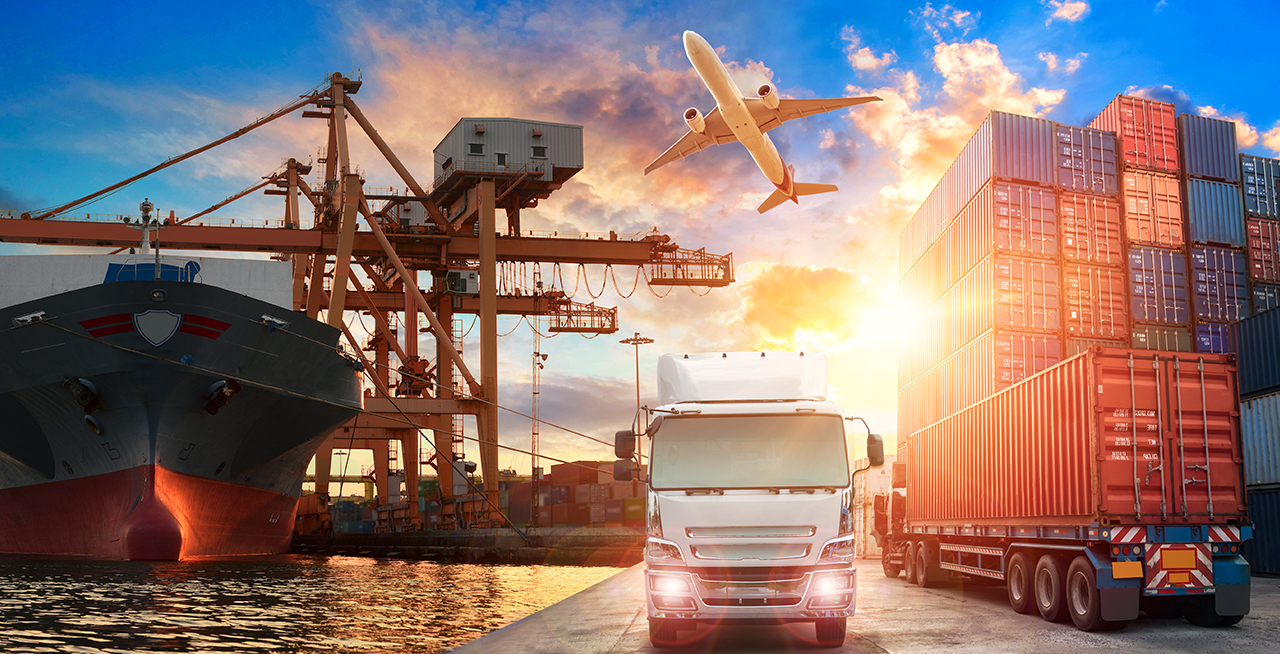
The Attacks on Ukraine Have Been Effective Even in Logistics, as Many Transport Companies Have Had to Change Routes to Supply Inputs to the Industry
Due to changes in goods transport routes caused by the conflict between Russia and Ukraine, logistical disorder is seen as the first consequence of the war in Eastern Europe, alongside rising prices of commodities such as oil and gas. The perception of the risk of another crisis in the supply chain of raw materials differs by sector, as industries that depend on imports are far more concerned than those that utilize resources from local producers.
Read Also:
- In Order to Prevent the Impacts of the Ukraine War on Brazil’s Fertilizers, Embrapa Launches Initiative to Save US$ 1 Billion;
- WEG Signs Billion-Dollar Contract with Eletrobras to Manufacture 72 Turbines of 4.2 Megawatts, Including Logistics, Assembly, Commissioning, Operation, and Maintenance Services for the CGT Wind Farm in Rio Grande do Sul;
- The Government of China, Concerned About a Possible Shortage of Oil, Gas, and Food, Starts Commodity Supply Operation Paying 139% More for Some Imports.
As published on the Broadcast website by Eduardo Laguna, unlike the significant increase in commodity prices, which caused widespread and almost instantaneous impacts on the production costs of industries, there is currently no evidence that certain inputs are at risk. However, since the situation is quite unstable, this may change if the conflict persists for a long time.
One of the most delicate issues is the scarcity of electronic items, as they have been the main source in the production of automobiles and electronic products for over a year.
-
Chinese giant worth nearly R$ 4 billion that manufactures cables for electric cars, solar energy, and robotics wants to open a factory in SC.
-
Many employers do not know, but the law guarantees domestic workers a 25% increase in salary during trips, 50% for overtime, 20% for night shifts, and 17 additional benefits that can lead to labor lawsuits if not paid.

-
Gasoline prices soar and the question arises: is ethanol more advantageous? The 70% rule reveals the limit with gasoline.

-
‘Interlocking brick’ made of earth arrives in the construction industry with cost reductions of up to 40% on the project.

Preliminary studies regarding the effects of the war were discussed yesterday, March 7th, during a press conference by the leaders of the Industry Coalition, a group that includes representatives from 12 industrial sectors, ranging from toys to vehicles, and has a good relationship with the government.
According to Humberto Barbato, president of the Brazilian Electrical and Electronics Industry Association (Abinee), which produces devices such as laptops and mobile phones, the conflict could worsen the semiconductor crisis, an essential material in the manufacturing of electronic products. This is possible as the fundamental gas during the chip production process is a Russian byproduct, whose purification takes place in Ukraine.
“Aside from the human aspect, from an economic point of view, we may have the semiconductor problem aggravated by a lack of essential raw materials for its production,” said Barbato.
For the president of Abinee, this new hindrance should not immediately disrupt the global industry; however, it should soon impact factories, as they operate with minimal stocks of raw materials. “It’s another reason for this war to end as quickly as possible,” he claims.
José Velloso, president of the Brazilian Machinery and Equipment Industry Association (Abimaq), believes that the logistics issue for supplying metals should not be a limitation, considering that national steel suppliers meet most of the demand from the metalworking industry. “The war affects costs, but we don’t see a problem with inputs to produce here,” said Velloso.
The industry’s caveat is that this may change if the war extends over a longer period. Adjusting logistical routes is one of the first and most significant challenges for companies engaged in foreign trade.
The president of the Brazilian Plastics Industry Association (Abiplast), José Ricardo Roriz Coelho, mentioned the reduction in the frequency of ships due to logistics affected by the conflict, a major setback for delivery deadlines. Although there is a rise in prices, Roriz does not foresee disruptions in the supply of fossil fuels and natural gas used in plastic manufacturing – again, depending on the duration of the geopolitical conflict.
However, a new increase in freight costs will be inevitable with the constant rise in oil barrel prices. According to Fernando Pimentel, president of the Brazilian Textile and Clothing Industry Association (Abit), the logistics costs of goods – which already have taken on “dramatic contours” due to difficulties in hiring vessels and the availability of containers during the pandemic – are expected to rise again. “If the conflict persists, the trend is to pass on the freight costs, adding more fuel to the fire of global inflation,” Pimentel stated.
Check Out the Short Excerpt Below from Record News to Understand the Impacts on the Global Economy of the Ukraine War











Seja o primeiro a reagir!