





 Portuguese
  English
  Spanish
  5 min of reading
  0 comments



Although the national minimum wage was set at R$ 1,621 in 2026, a Brazilian state advanced beyond this level by maintaining its own regional ranges between R$ 2,105.34 and R$ 2,407.90, consolidating its leadership in the broader reference minimum and reigniting the debate on cost, income, and regional work.
The Brazilian state that stood out the most in the regional minimum wage in 2026 was Paraná, which became the leader among units that maintain their own minimum wage above the national value. The difference is noteworthy as the lowest range already exceeds R$ 2,000, while the highest reaches R$ 2,407.90 for medium-level technical workers.
This movement gained relevance in a scenario where the national minimum wage was set at R$ 1,621. By organizing four salary groups with validity between January 1 and December 31, Paraná consolidated itself as a reference in the broader regional model and opened space for a deeper discussion about remuneration, professional categories, and the valorization of work.
Paraná Takes the Lead Among the Broadest Regional Minimum Wages
The central data from 2026 is clear: Paraná appears as the Brazilian state with the highest broader regional minimum wage in the country. This means that, among states that adopt broad regional salary ranges for different professional groups, the Paraná model topped the list, with values ranging from R$ 2,105.34 to R$ 2,407.90. This is not a single isolated value, but a complete structure of minimums by category.
-
Unemployment rises again to 5.8% at the beginning of 2026, raising alarms about the end of temporary positions and its impact on the Brazilian job market.

-
Document organization can cut invisible costs in small businesses, a simple step that prevents waste, rework, and losses in daily operations.

-
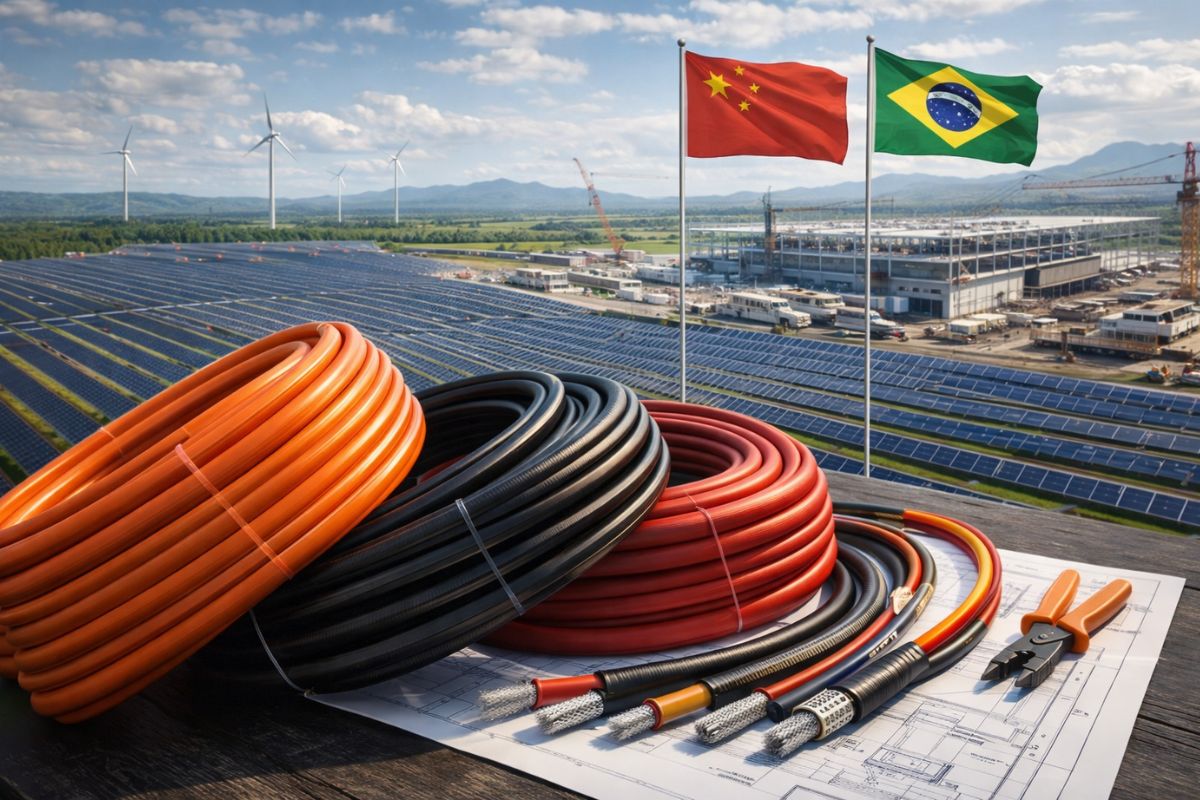
Chinese giant worth nearly R$ 4 billion that manufactures cables for electric cars, solar energy, and robotics wants to open a factory in SC.
-
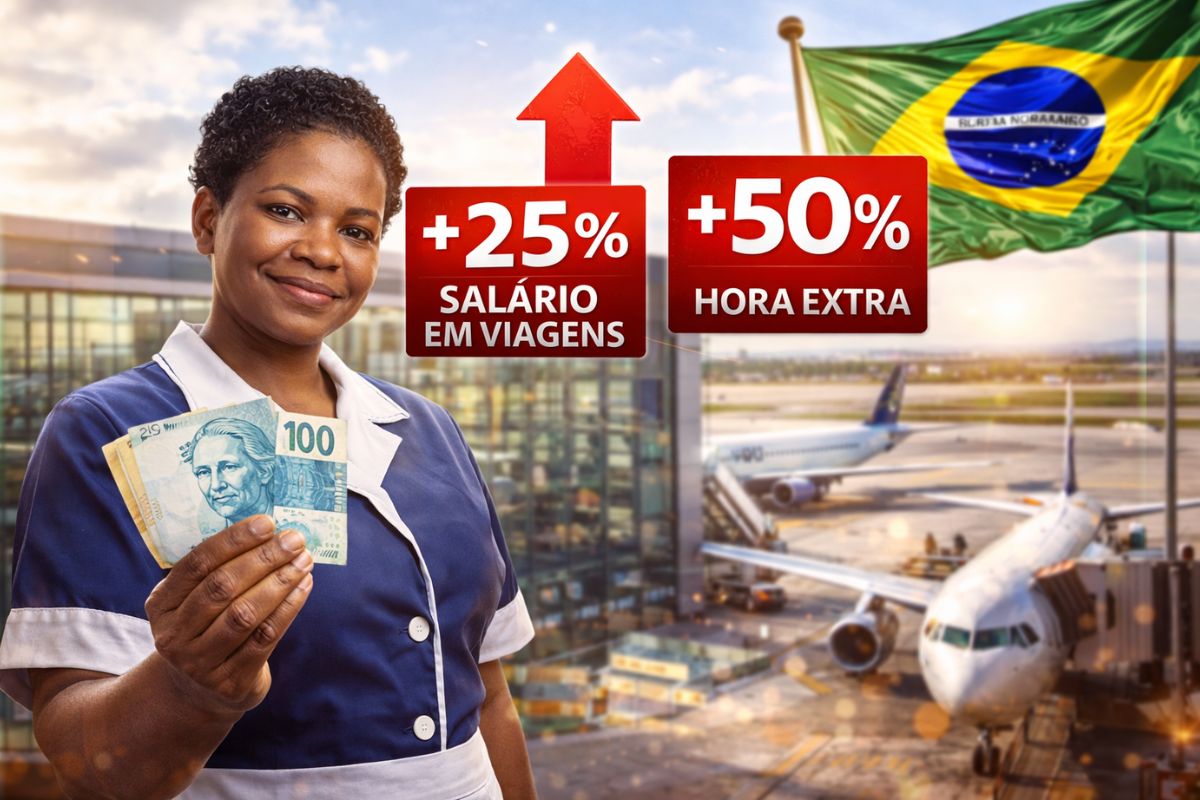
Many employers do not know, but the law guarantees domestic workers a 25% increase in salary during trips, 50% for overtime, 20% for night shifts, and 17 additional benefits that can lead to labor lawsuits if not paid.

The update of these values was defined by Resolution CETER 632/2026, valid throughout the year. In practice, this placed Paraná in a prominent position precisely because the state not only surpassed the national minimum wage but also established a regional salary range above other well-known broad state minimums.
The result was the consolidation of a leadership that did not come from São Paulo or Rio de Janeiro, but from a Southern Brazilian state that structured its regional wage policy at a higher level.
How Values Were Distributed Among Professional Categories
In Paraná, the regional minimum wages were divided into four groups. Group I was set at R$ 2,105.34 and includes agricultural, forestry, and fishing workers. Group II was set at R$ 2,181.63, encompassing retail employees, administrative service workers, and domestic workers.
This separation shows that the regional minimum does not function uniformly for all occupations, but follows the professional framework established by the state.
Group III was defined at R$ 2,250.04 for employees in the industry, while Group IV reached R$ 2,407.90 for medium-level technicians. It is this fourth range that projects Paraná to the top of the broader regional ranking in 2026.
The distance between the groups also helps to understand why the topic gained so much attention: within a single Brazilian state, there is a grading that recognizes distinct functions and pushes the regional ceiling to a level significantly higher than the national minimum.
What Differentiates the Regional Minimum Wage from the National Minimum Wage
The comparison with the national minimum wage helps to better gauge the weight of this result. In 2026, the national value was set at R$ 1,621, but legislation allows some states to adopt regional minimums above this level for specific categories.
Here lies the essential difference between the national value and the state minimums: the former serves as a general reference, while the latter can be adjusted according to the regional policy adopted by each unit of the federation.
In the case of Paraná, this possibility was used to construct its own salary range that goes well beyond the national minimum. This explains why the debate about the Brazilian state leading regional wages is not limited to a single number.
What is at stake is the existence of a structured regional policy, with defined groups, annual validity, and a reach that directly affects different sectors of the labor market.
The greater the difference from the national minimum, the more attention tends to focus on the economic and social impacts of that decision.
Other States Also Pay Above the National Minimum, But Below the Paraná Ceiling
The advancement of Paraná does not mean that it is the only one working with values above the national minimum. Other states also maintain minimums above R$ 1,621 but fall short of the broader regional ceiling registered by Paranaenses in 2026.
In Rio Grande do Sul, for example, the five salary ranges approved in 2025 vary from R$ 1,789.04 to R$ 2,267.21. In São Paulo, the state minimum set in 2025 was R$ 1,804. The two cases show that there is competition among regional models, but Paraná’s maximum level remained superior.
Rio de Janeiro requires more careful reading. The state maintains sector-specific minimums that, in some ranges, can exceed R$ 3,000 in specific categories. Still, this does not change Paraná’s position as the leader in the broader regional minimum wage in 2026, according to the Paraná government itself.
This detail is important as it avoids hasty comparisons: one thing is to have very high sector-specific ranges in certain segments; another is to lead a broader regional model, with an expanded reach among professional groups. It is precisely in this second logic that Paraná stands out ahead.
What This Result Reveals About the Wage Debate in the Country
When a Brazilian state takes the lead in the broader regional minimum wage, the discussion goes beyond curiosity about which unit pays more. The topic begins to involve how each state organizes its wage policy, which categories it prioritizes, and how it tries to respond to local labor market differences.
In Paraná, the 2026 numbers bring this discussion to the forefront because they show a robust regional range, above R$ 2,000 in all categories.
At the same time, the case reinforces how Brazil coexists with different wage references. There is the national value, which applies across the country, and states that choose to advance with their own minimums above this level. This combination produces an unequal yet revealing map of regional compensation strategies.
In Paraná, the highlight came from the breadth of the model and the ceiling of R$ 2,407.90, especially for medium-level technicians, which ultimately made the state a central piece in this conversation in 2026.
The advancement of Paraná raises an important question at the center of the debate: do higher regional models help to better value work or further widen the differences between states? The leadership of a Brazilian state in this field is not just a wage statistic, but a sign of how each region views the weight of work in its economy.
And, in light of this scenario, it is worth hearing from those who feel these effects in practice: in your opinion, should other states follow this path and raise their regional minimums as well?










-

Uma pessoa reagiu a isso.