






 Portuguese
  Spanish
  2 min of reading
  2 comments


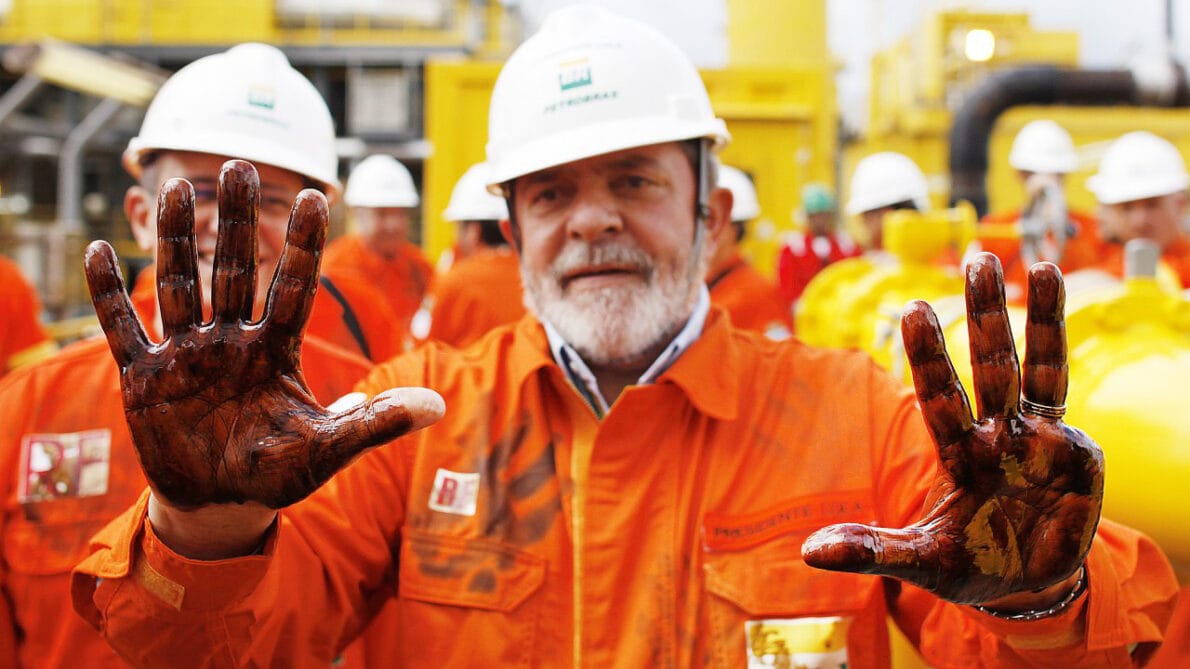

Billion-Dollar Dividends and Fiscal Strategies: A Look at the Impact on the National Budget
In a scenario of economic recovery, the government of Luiz Inácio Lula da Silva is benefiting from a robust financial injection from Petrobras’ profits. The national oil giant announced the distribution of extraordinary dividends amounting to billions, providing significant fiscal relief for public accounts. This financial move emerges as a key element in the quest for budgetary balance, aiming for the zero-deficit goal, according to Notícias R7.
Petrobras Profits and the Timely Fiscal Relief
The dividends from Petrobras represent a vital contribution to Lula’s government, which is facing the challenge of reversing the gross public sector debt situation. With the promise of around R$ 6 billion flowing into government coffers, the current administration finds a smoother path to pursue its fiscal goals. The distribution of profits, divided into two installments scheduled for May and June, not only strengthens the government’s financial position but also reflects Petrobras’ financial health.
Strategic Resource Management
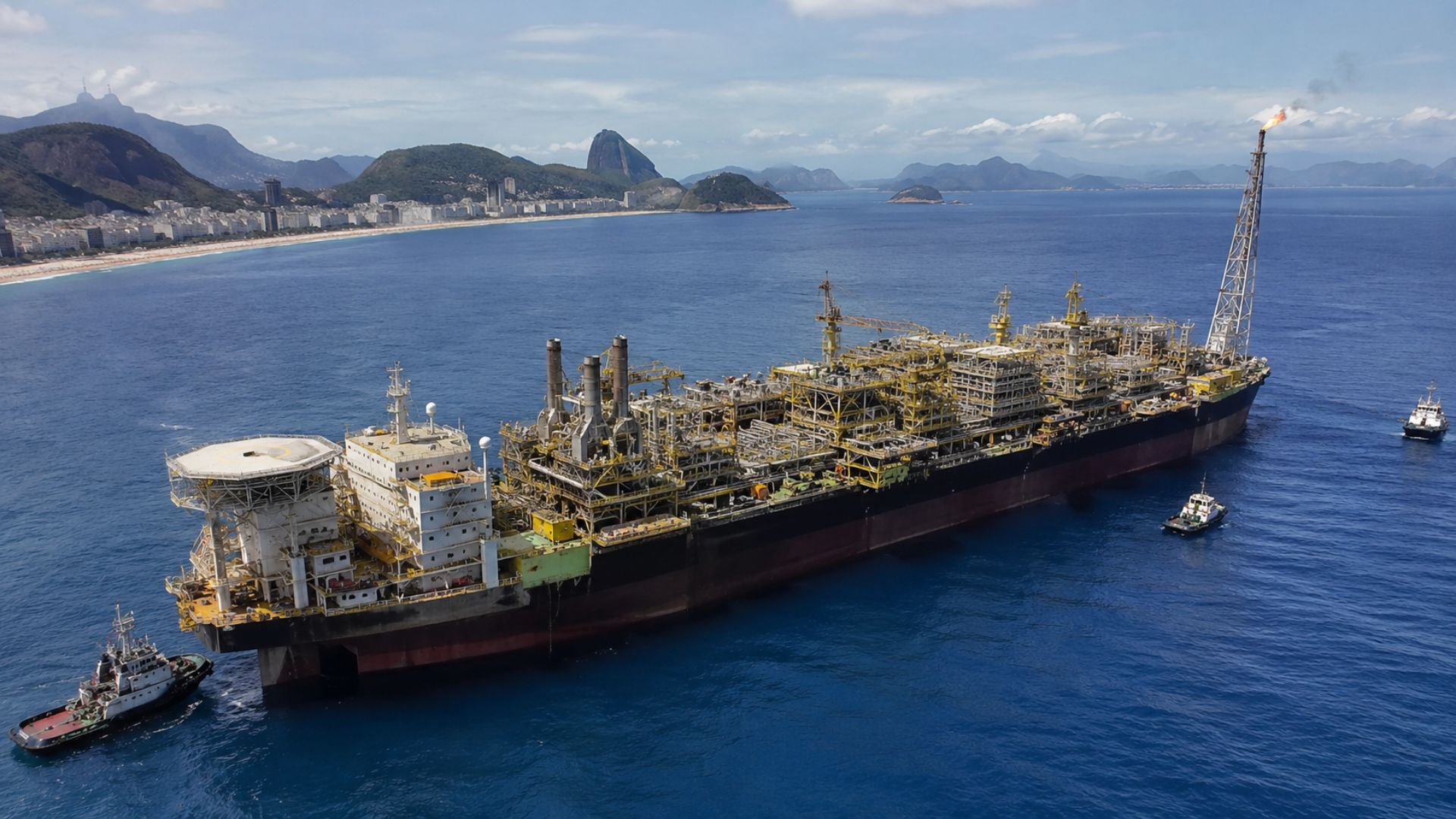
Petrobras, aligned with government guidelines, chose to provide generous remuneration to its shareholders, among whom the federal government stands out with a majority stake. These resources, although substantial, will not be accounted for in the 2024 Budget but will serve to boost the country’s fiscal management. Additionally, fiscal measures identified by XP Investimentos point to a potential of nearly R$ 425 billion in savings for the 2023-2025 triennium, although uncertainties exist regarding their implementation and effectiveness.
-
The urgent need to implement a severe cut in public spending and a massive increase in taxes, in addition to drastically compromising the quality of basic services and the purchasing power of the population, could result in social unrest in the country, with the population leading protests, strikes, and frequent disturbances.

-
FIRJAN’s mega plan of R$ 526.3 billion for Rio de Janeiro aims to revive Brazil’s largest industry, with two-thirds of the investments going to oil and gas.

-
China signals an increase in beef imports, Brazil has already consumed 70% of the 1.106 million ton quota and seeks to renegotiate the tariff that jumps from 12% to 55%, while demand from the US also skyrockets.
-
Food inflation rose 302% in 20 years in Brazil, but the supermarket changed: purchasing power yielded 87% more mortadella and 31% less fruit, and ultra-processed foods took over the cart.



Challenges and Prospects of Lula’s Government
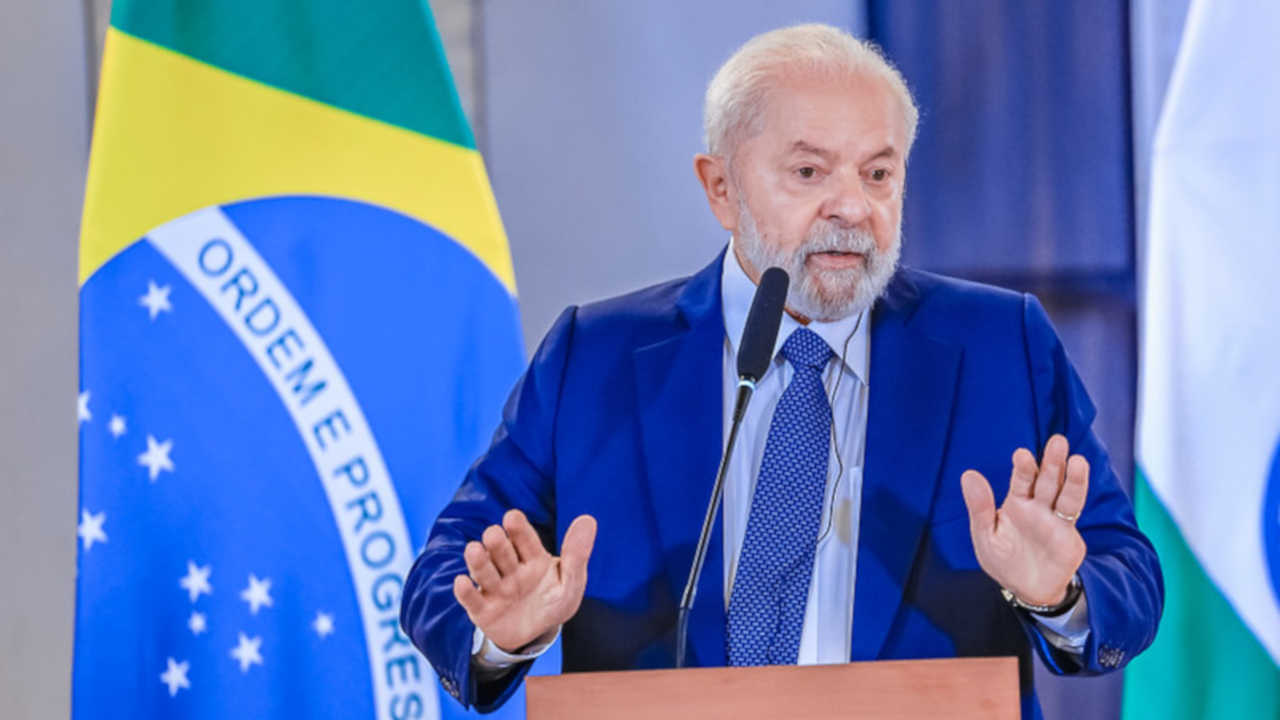
The release of dividends did not occur without controversies. An internal crisis unfolded, marked by disagreements among government members. However, President Lula minimized the conflicts, emphasizing Petrobras’ solidity and its strategic importance to Brazil. The decision to maintain Jean Paul Prates at the helm of the state-owned company was a calculated move to appease the market and ensure the continuity of current policies. The discussion on profit distribution and the stance taken during the ordinary general assembly reflect the complexities inherent in managing a company of Petrobras’ size.
Government Supported by Petrobras?
Therefore, amidst debates and speculations, Lula’s government remains steadfast in its fiscal trajectory, bolstered by dividends from Petrobras. The pursuit of public account balance and stabilization of gross debt are ambitious goals, but with recent developments, they seem within reach. The president reiterates his confidence in Petrobras and, by extension, in the country’s economic stability. But with these steps, Brazil is moving towards a fiscally responsible and economically prosperous future.
But what about you, what do you think of the current government? Share it all with us here!





Se eles mesmo não fizeram como antes
Até que enfim esse governo enxergou o óbvio. **** é duro de entender!