





 Português
  Inglês
  Espanhol
  5 min de leitura
  3 comentários





Lula Freezes Privatization of Correios, Faces a Deficit of 10 Billion in 2025, and Seeks a Loan of 12 Billion with Cuts, Layoffs, and Pressure from the Treasury on Debt-Ridden State-Owned Company in Crisis
On December 18, 2025, after increasing losses in 2023 and 2024, Lula ruled out the privatization of Correios, attributed the crisis to mismanagement, and is considering assistance through a billion-dollar loan, layoffs, property sales, and a cap on interest imposed by the Treasury to avoid a collapse of postal services in the country.
Since 2023, the state-owned company has been accumulating successive negative results, with a loss of R$ 633 million that year, a leap to R$ 2.6 billion in 2024, and a deficit of R$ 6 billion between January and September 2025, a scenario that could close the year with a deficit of R$ 10 billion. In this context, the Lula government is trying to balance its refusal of the privatization of Correios with the urgent need for cash to pay employees, suppliers, and restructure operations.
Lula Freezes the Privatization of Correios and Speaks of Mismanagement

During a breakfast with journalists in Brasília on December 18, 2025, Lula was emphatic in rejecting the privatization of Correios.
-
Brazilian city gains industrial hub for 85 companies that is equivalent to 55 football fields.

-
Peugeot and Citroën factory in Argentina cuts production by half and opens a layoff program for more than 2,000 employees after Brazil drastically reduced purchases of Argentine vehicles.

-
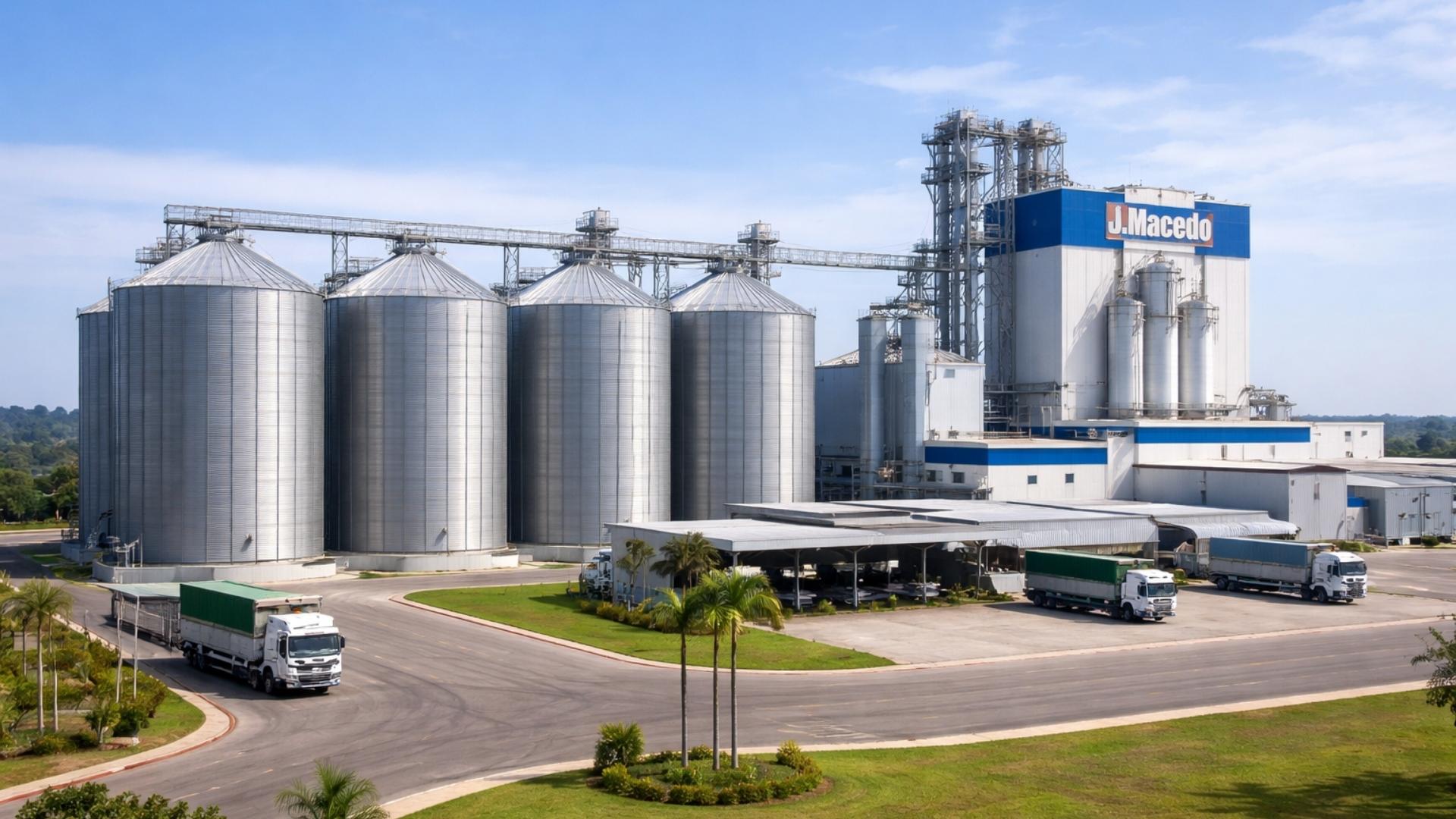
A Brazilian city gains a factory worth R$ 300 million with the capacity to process 200 thousand tons of wheat per year, a mill of 660 tons/day, silos for 42 thousand tons, and an industrial area of 276 thousand m².
-
Havan will leave the shopping mall in Blumenau to inaugurate something that the chain has never done before: a megastore in half-timbered style in the Historic Center of the city, which is expected to be completed in May and change the landscape of local retail.


The president stated that, while he is in office, there will be no sale of the state-owned company, although he admits partnerships with private companies and mixed-economy models to try to improve management and increase investments.
According to him, the current difficulties stem from “mismanagement” in recent years, which has contributed to deteriorating finances and reducing the company’s investment capacity.
Lula emphasized that he has already changed the leadership of Correios, called the Minister of Management, Esther Dweck, and the Minister of the Civil House, Rui Costa, to redesign the administration, and promised changes in strategic positions to place people with “expertise and responsibility.”
At the same time, he made it clear that he does not accept a state-owned company operating at a chronic loss.
“A public company cannot be the queen of losses”, he stated, defending that the solution must involve internal adjustments, a review of the structure, and a recovery of the service delivery capacity, without resorting to the privatization of Correios as an automatic solution.
Accumulated Deficit Grows from 2023 to 2025 and Pressures the Government
The numbers help explain the urgency.
In 2023, Correios closed the year with a loss of R$ 633 million. In 2024, the negative result rose to R$ 2.6 billion.
In 2025, the partial balance from January to September indicated a deficit of R$ 6 billion, and internal projections suggest that the deficit may reach R$ 10 billion by the end of the year.
This situation directly pressures the National Treasury, which needs to decide how much and how to support the state-owned company without violating fiscal rules.
The larger the financial hole, the harder it becomes to sustain the rejection of the privatization of Correios while justifying new contributions or guarantees in a tight public finance environment.
Internal documents had already warned, two years ago, of the risk of cash shortages if structural changes were not implemented.
The forecasts were confirmed, and the current crisis has opened a debate within the government about the ideal size of the company, the role of postal service in an increasingly digital market, and the limit of state support.
Billion-Dollar Loan, Voluntary Dismissal, and Property Sales Enter the Rescue Plan
In light of the deficit, Correios presented a restructuring plan in November 2025 considered “more robust” by the economic area.
The proposed measures include a voluntary dismissal program for approximately 15 thousand employees, property sales, and contracting a loan originally estimated at R$ 20 billion.
In the following weeks, the negotiations were adjusted.
The proposal under review by the economic team has become a smaller loan, around R$ 12 billion, arranged with a pool of banks interested in financing the state-owned company.
The immediate goal is to secure funds for salary payments, suppliers, and urgent operational commitments, without interrupting essential services.
For the government, this rescue package is an attempt to buy time.
By combining a billion-dollar loan, staff cuts, and asset sales, the Palácio do Planalto is trying to show that the refusal of the privatization of Correios is accompanied by concrete adjustment measures, not just political rhetoric.
Treasury Imposes Interest Rate Cap and Tightens Conditions for the Rescue
On December 16, 2025, the Minister of Finance, Fernando Haddad, confirmed that the Correios loan plan had been formally submitted and that the economic team was finalizing the technical analysis, expected to be completed by Friday, December 19.
He stated that the negotiation involves a group of banks willing to finance the operation within parameters set by the National Treasury.
The Treasury warned that it would not guarantee contracts with interest rates above 120% of the CDI, imposing a ceiling on the cost of financing. This means that if the banks insist on rates higher than this threshold, the government will not put the weight of the Treasury as collateral in case of default by Correios.
In practice, the message is that the rescue will not be a blank check and will depend on conditions deemed sustainable for public accounts.
Haddad did not detail what rates are on the table but emphasized that the parameters of the Finance Ministry are already defined.
The final design of the loan needs to fit both the state-owned company’s urgent cash needs and the government’s commitment to the fiscal framework, at a time when any increase in risk to public debt is closely monitored by the market.
Management, Jobs, and Postal Service at the Center of the Debate
While the financial design is being discussed in Brasília, the concrete impacts fall on the workers and users of the state-owned company.
The voluntary dismissal plan for 15 thousand employees reignites the debate about streamlining the structure.
The combination of personnel cuts, property sales, and focus on efficiency raises doubts about Correios’ ability to maintain coverage in small towns and remote regions.
At the same time, Lula insists on protecting the company from total sale to the private sector, reiterating that the privatization of Correios will not occur during his government.
The message is to try to reconcile internal adjustment with the preservation of the public character of the service, maintaining mail carriers and agencies in areas where the private sector would hardly have an interest in operating without subsidies.
In the short term, the success or failure of the billion-dollar rescue may determine whether Correios can resume a path of balance or if the debate on the privatization of Correios will resurface strongly, driven by new losses and pressure from the Treasury.
The state-owned company is at the center of a dispute that mixes politics, public finances, employment, and access to basic delivery services across the country.
In light of this scenario of a 10 billion deficit, a 12 billion loan, and deep cuts, do you think rejecting the privatization of Correios is a necessary protection for public service or merely postpones an inevitable reform in the company?









Isso que dá colocar pessoas incompetentes para gerir uma empresa do tamanho e da importância dos correios.
Pessoas incompetentes e ingerência política!
Privatizar os Correios é tirar o serviço postal de onde não há interesse, por falta de lucratividade. Tudo passa por uma administração consciente e eficiente dos recursos que estão a mão e o investimento do governo federal, já que os Correios são o braço logístico do governo. Os Correios não receberam nenhuma remuneração pela logística da ajuda ao Rio Grande do Sul. Todo ônus ficou para a empresa.