





 Portuguese
  English
  Spanish
  3 min of reading


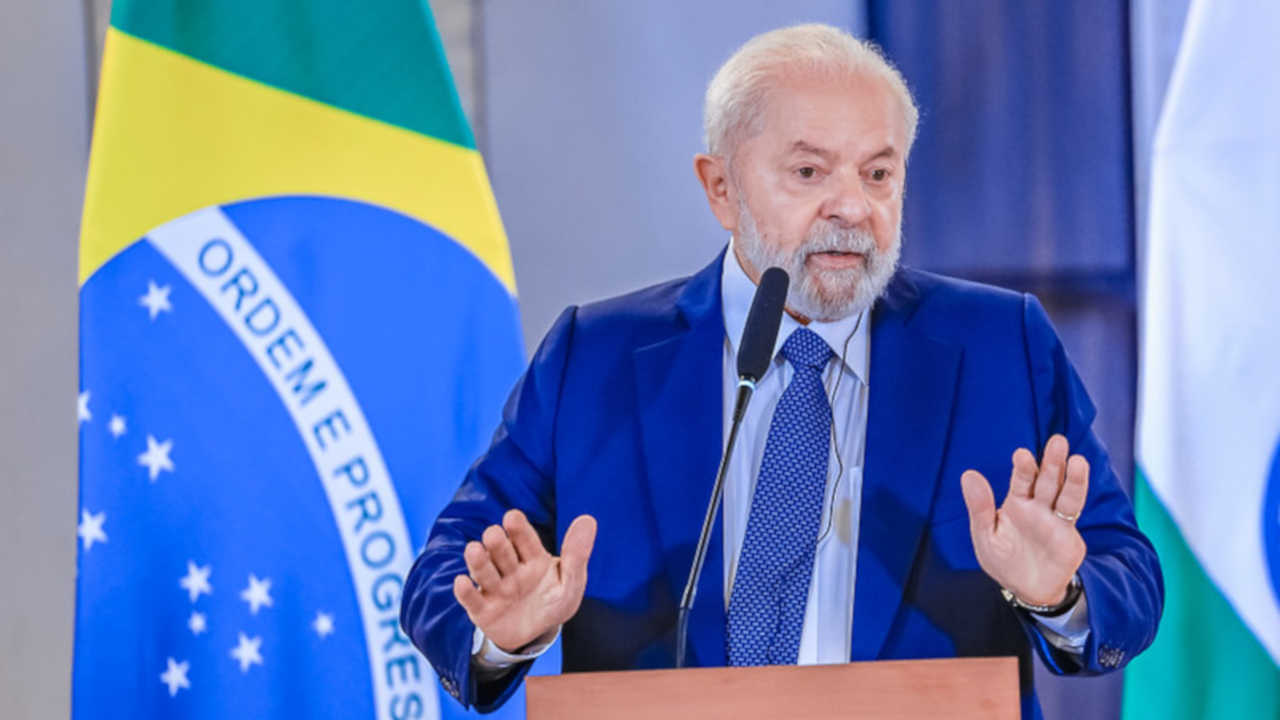
In Interview After the G20 Summit, President Lula Strongly Advocated Brazil’s Right to Explore Oil in the Equatorial Margin. He Also Highlighted the Need for Investment in Renewable Fuels.
In an interview after the G20 summit last Sunday, (09/10), President Luiz Inácio Lula da Silva (PT) defended Brazil’s right to explore oil in the Equatorial Margin, emphasizing its sovereignty despite contradictions with his international defense of fossil fuel reduction. He also promoted the use of renewable fuels and celebrated Brazil’s role in mediating global discussions while addressing the war in Ukraine and the need for direct negotiations between Russia and Ukraine.
See: Lula Advocates for Brazil to Research Oil in the Equatorial Margin

President Lula Reinforces Position on Oil Exploration in the Equatorial Margin
In a press conference after the G20 summit, President Lula made strong statements addressing crucial issues related to oil exploration and the use of renewable fuels in Brazil.
Lula vehemently defended Brazil’s right to research and explore oil and gas in the Equatorial Margin region, located in the far north of the country.
-
Petrobras evaluates suspension of sales to distributors and considers canceling the cooking gas auction following guidelines from the Federal Government.
-
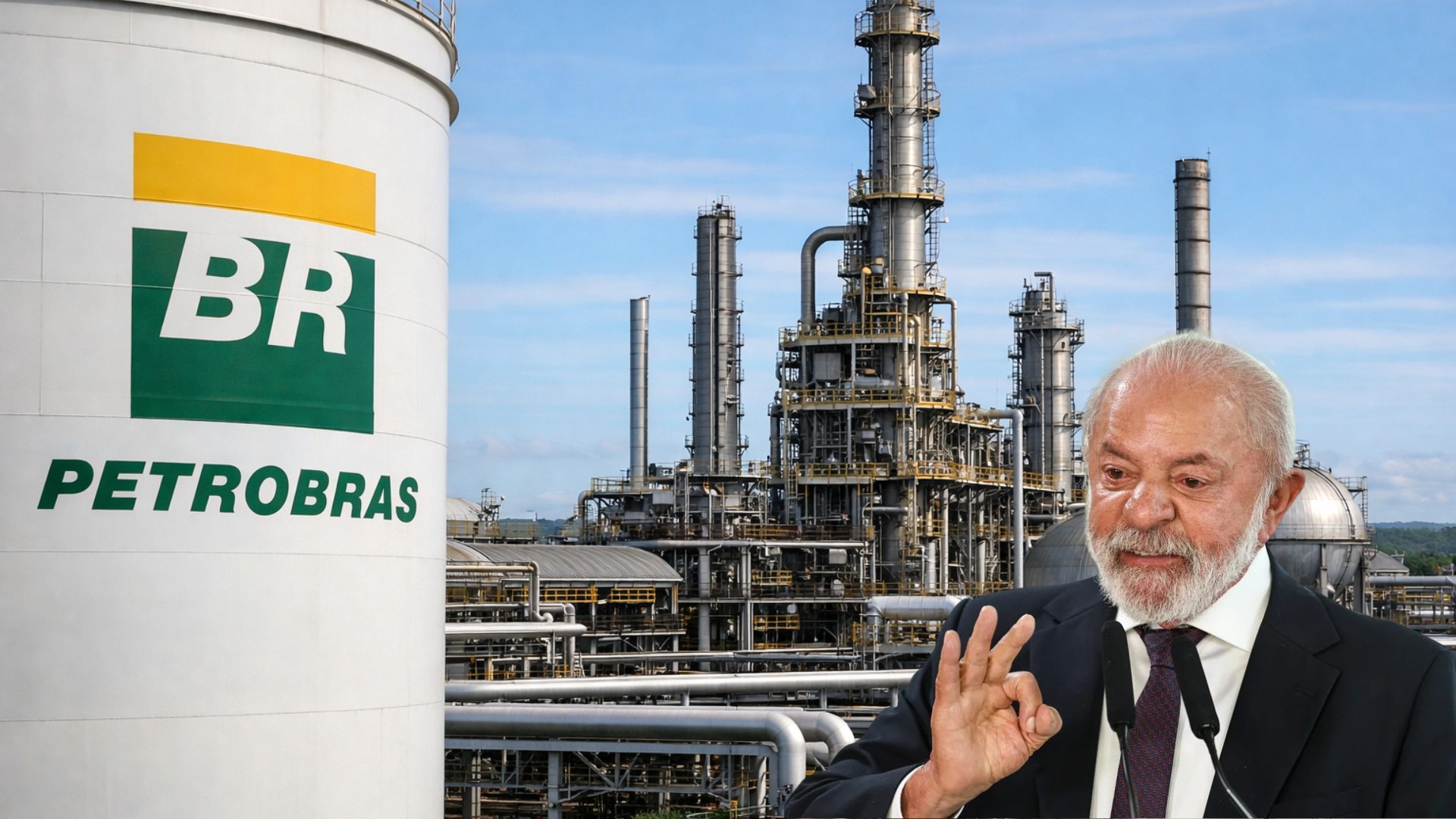
Lula reveals a masterstroke by Petrobras to undo a deal made by Bolsonaro, which involves the return of an important refinery that currently produces less than half of what was expected and makes Brazil dependent on international diesel.
-
A study confirms that the natural gas sector will reduce greenhouse gas emissions in Brazil by 0.5% and accelerate the energy transition by 2026.

-
Petrobras implements a severe adjustment and confirms a 55% increase in the price of aviation kerosene with a proposal for installment payments for the companies.


He emphasized that this is a matter of sovereign interest, and should significant wealth be discovered, the decision to explore it will rest with the Brazilian state.
This statement from Lula contrasts with his stance in international forums, where he advocates for reducing fossil fuel use and investing in renewable energy sources, stressing the need to combat climate change.
Exploration in the Equatorial Margin is the subject of fierce disputes between the government’s environmental and energy sectors.
While the Amazon River Basin is seen as a potential solution for renewing Brazil’s reserves, the issue faces strong resistance from the Ministry of the Environment, led by Minister Marina Silva, one of the main critics of the possibility of oil exploration in the region.
Alongside this theme, Lula also promoted the use of renewable fuels as an effective measure to combat climate change, despite his advocacy for oil exploration in the Equatorial Margin.
He celebrated the launch of the Global Biofuels Alliance, led by Brazil, India, and the United States, and highlighted the importance of biofuels in reducing pollutant and oil derivative emissions.
Lula Highlights Brazil’s Role in the Global Geopolitical and Energy Landscape
After highlighting the use of renewable fuels in the current global scenario, Lula celebrated the G20’s success in issuing a joint statement, even in the face of disagreements regarding the war in Ukraine.
He emphasized Brazil’s active role in mediating the document and underscored the country’s importance in international political discussions.
The president also addressed the issue of the war in Ukraine and the difference in approach between Brazil and other countries.
While the Brazilian government advocates for direct negotiations between Russia and Ukraine, Europeans and Americans insist on preconditions before negotiations begin.
Lula concluded the interview by highlighting Brazil’s central role in international geopolitics and the growing necessity for the country in global political discussions.
He underscored the importance of Brazilian diplomacy in this context and its successful mission to reposition the country in the global geopolitical landscape.
Thus, Lula’s interview after the G20 reflects the complexity of Brazil’s energy and environmental policies, highlighting the importance of a balanced debate on oil exploration in the Equatorial Margin and the commitment to renewable sources to tackle climate change in a world seeking international cooperation.










Seja o primeiro a reagir!