





 Portuguese
  English
  Spanish
  4 min of reading
  0 comments


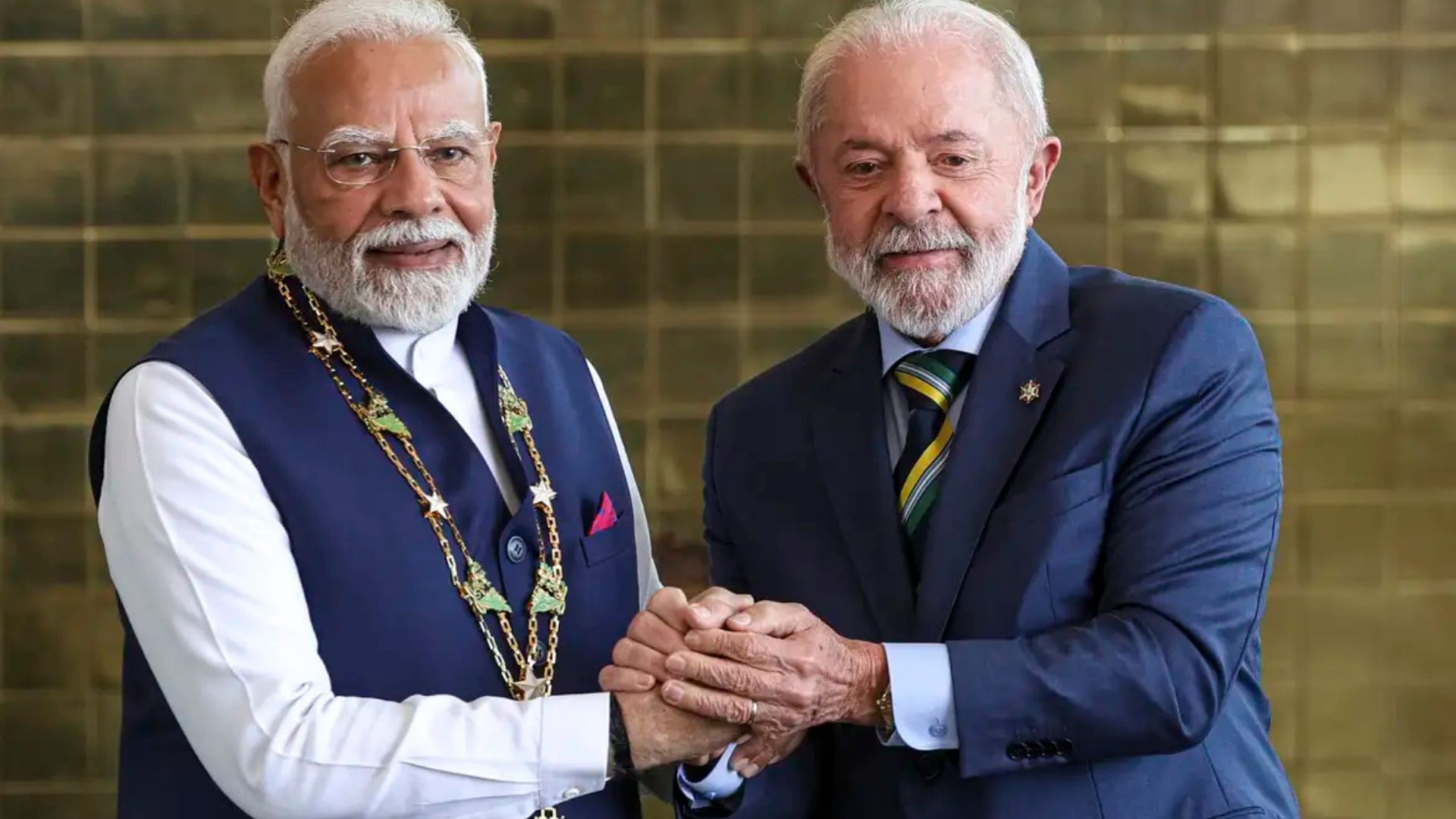
Brazil and India Advance in Political and Economic Dialogue After Conversation Between Lula and Modi, Focused on Strategic Cooperation, Biofuels, Energy, Foreign Trade, and New Bilateral Investments
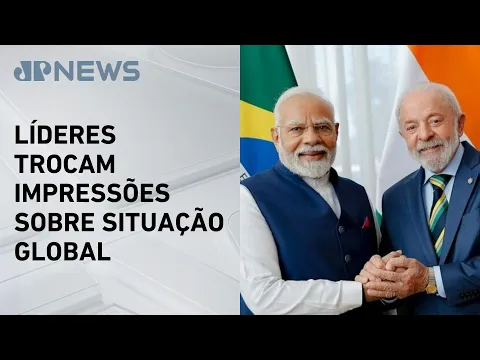
On January 22, 2026, President Lula and Prime Minister Modi spoke on the phone for about 45 minutes to discuss the deepening of strategic cooperation between Brazil and India, focusing on bilateral trade, energy, defense, science, technology, and biofuels.
According to the Palácio do Planalto, the main objective of the contact was to align priorities and prepare the diplomatic ground for the Brazilian president’s official visit to the Asian country, scheduled to take place between February 19 and 21. The agenda is expected to include political meetings, business encounters, and progress in trade negotiations.
Lula and Modi Anticipate Strategic Cooperation Before Visit to India
The conversation between Lula and Modi occurs at a time of profound transformations in the global landscape, marked by geopolitical tensions, reconfiguration of supply chains, and acceleration of the energy transition.
-
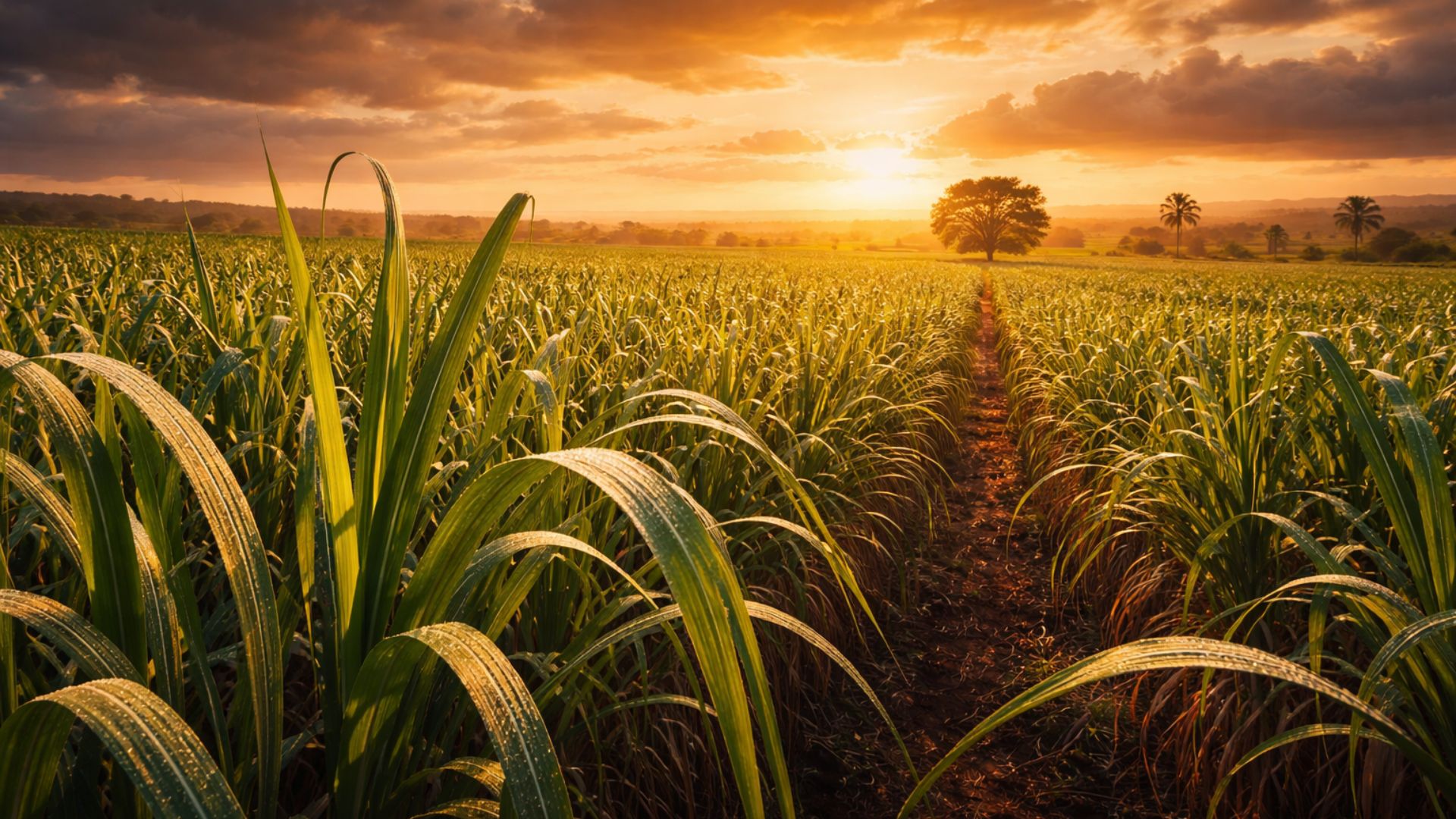
The Economist states that Brazil has a “secret weapon” against expensive oil and highlights how the country can reduce economic impacts even in international scenarios of high volatility.
-
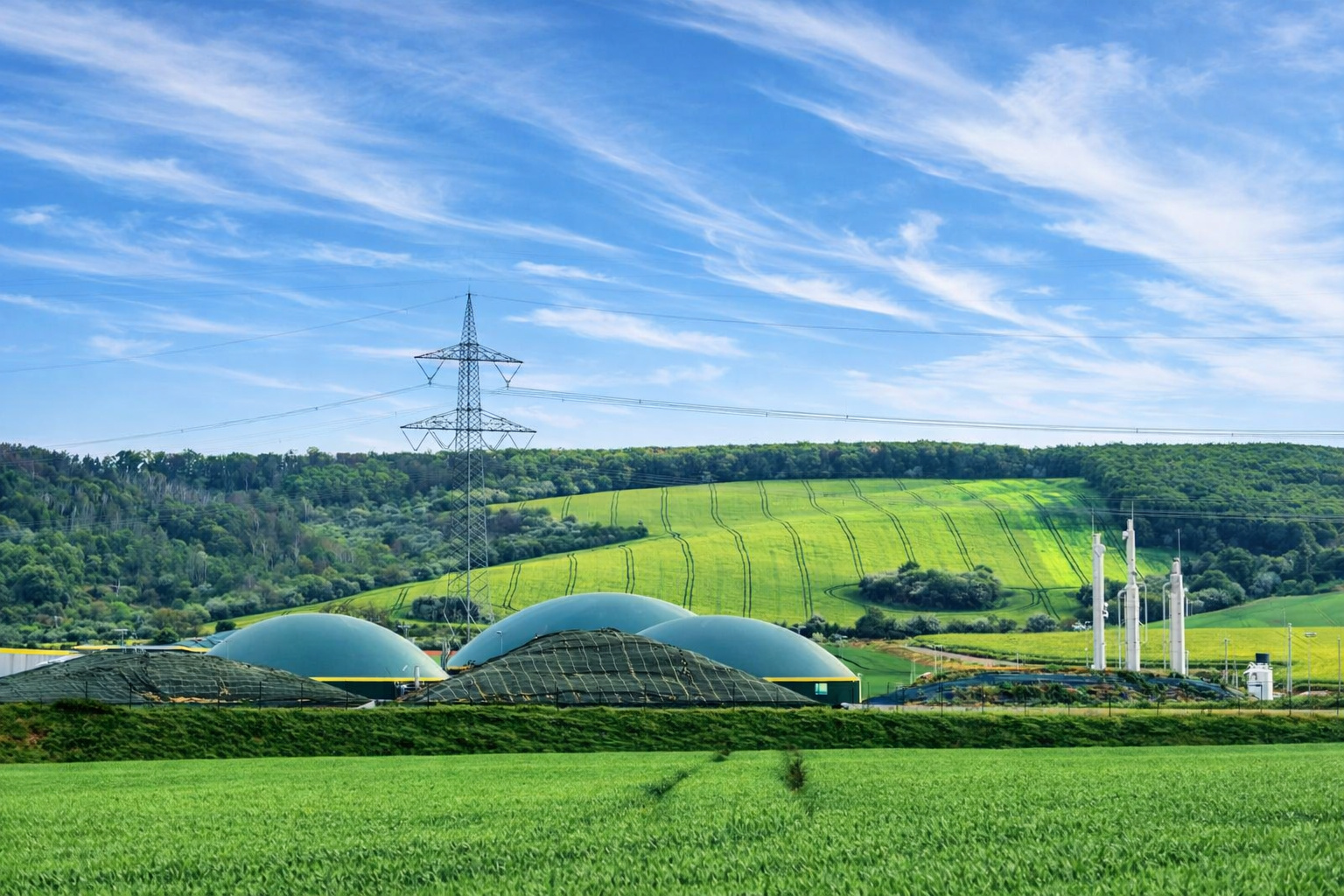
Brazil accelerates decarbonization in the South: International forum in Foz do Iguaçu gathers leaders to discuss the advancement of biomethane in the energy matrix and the potential of “caipira pre-salt.”
-
As diesel prices soar due to conflicts in the Middle East, a Brazilian city decides to test a little-known biofuel that promises to completely replace fossil fuel without adaptation and could change the future of energy in the country.
-
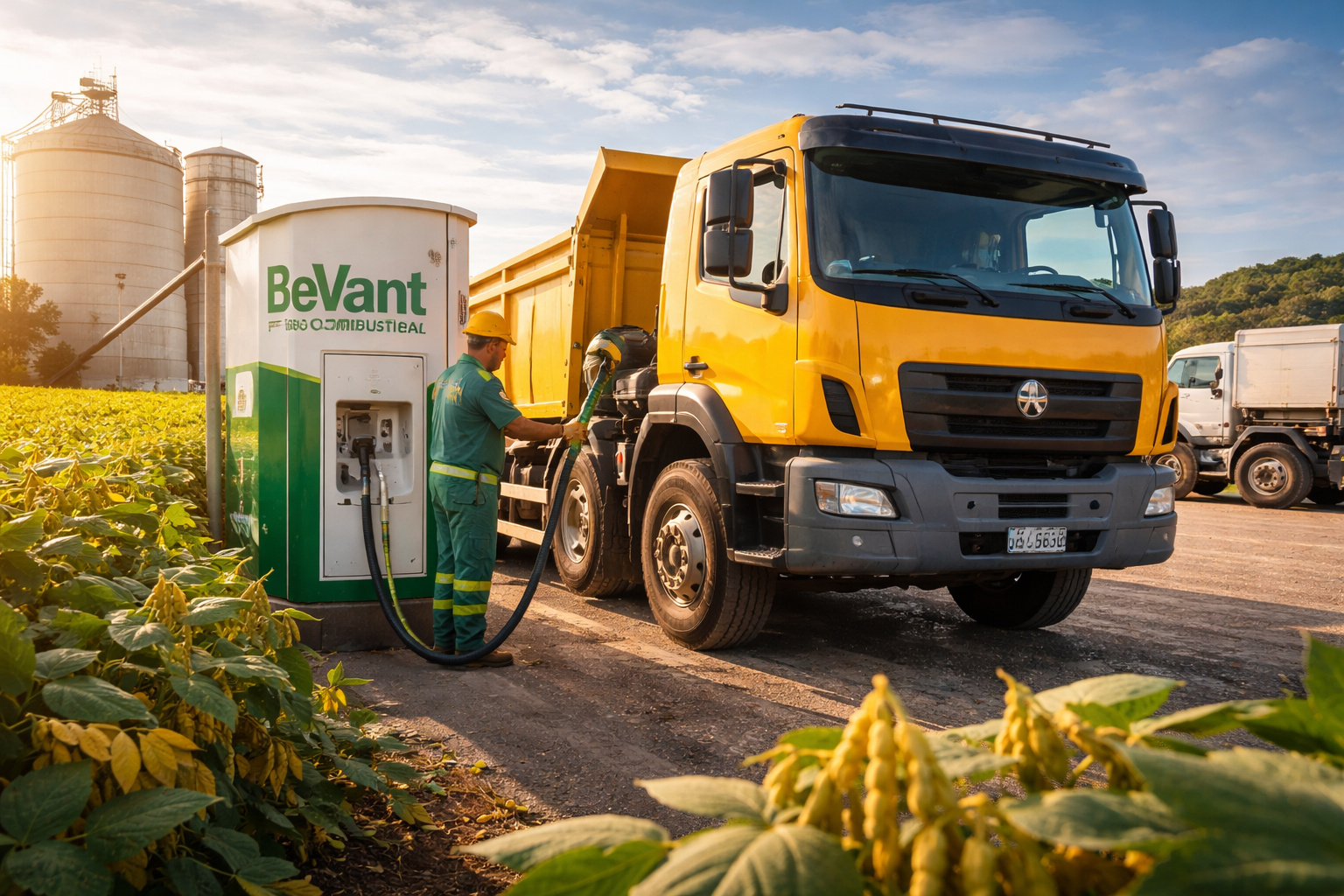
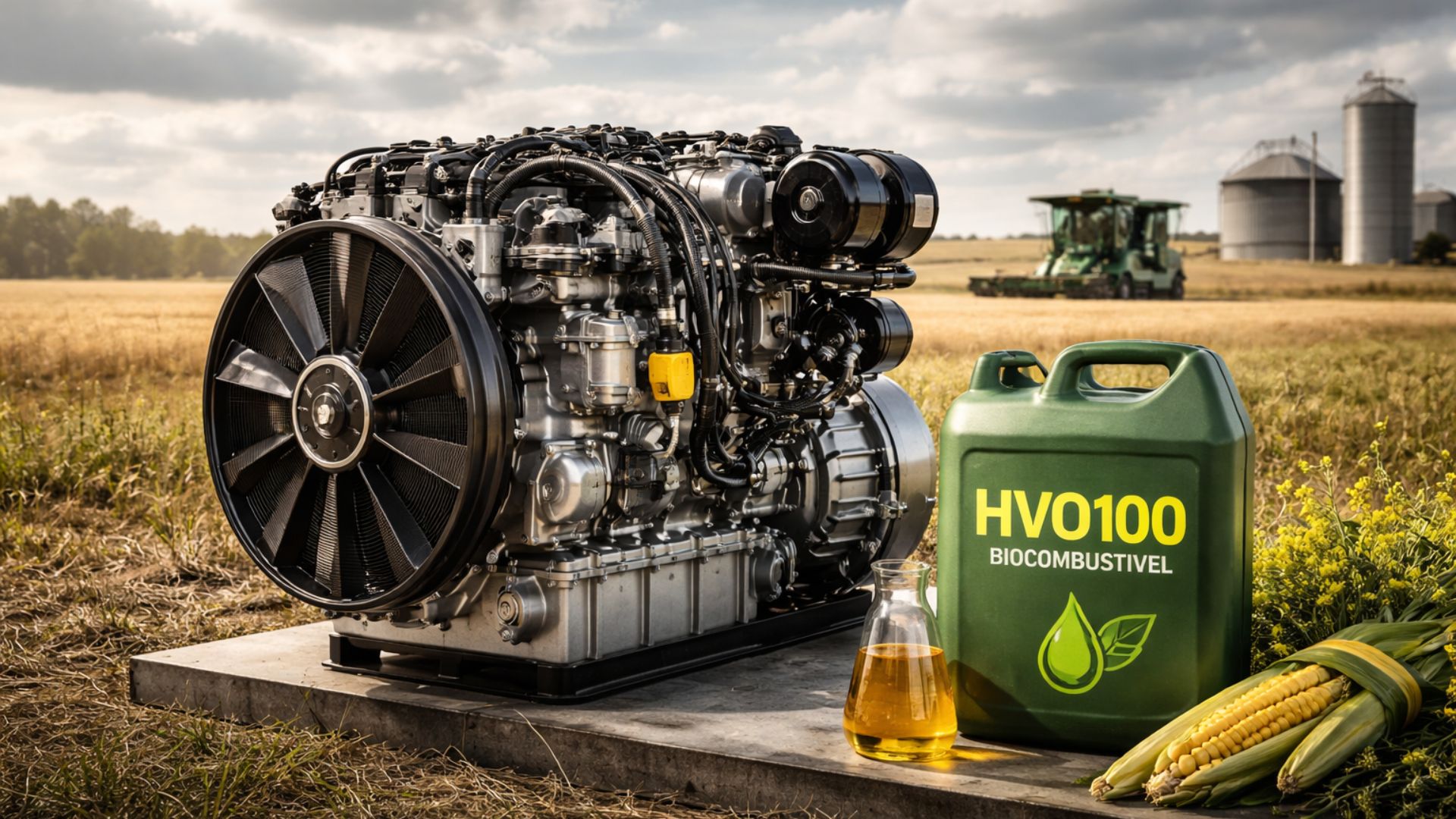
Innovation with biofuel engines transforms agribusiness by replacing diesel without the need for major adaptations, ensuring energy efficiency and helping to reduce dependence on oil.

According to official information, the leaders discussed priority areas such as defense, health, science and technology, as well as foreign trade and energy. Sensitive topics, such as the exploration of critical minerals and rare earth elements, essential for high-tech industrial sectors, were also on the agenda.
All the topics discussed during the phone call will be further explored during President Lula‘s official visit to India, scheduled for February. The presidential mission will include ministers, technical authorities, and a significant business delegation, reinforcing the economic character of the trip.
The agenda is being organized by the Brazilian Agency for the Promotion of Exports and Investments (ApexBrasil) and is part of a broader strategy to enhance trade relations and attract foreign investments.

Strategic Cooperation and Bilateral Trade Gain Priority
During a press conference, the president of ApexBrasil, Jorge Viana, stated that the trade relationship between Brazil and India is still far below the potential of the two economies. For him, the Asian country represents one of the largest opportunities for growth in Brazilian foreign trade.
In 2025, Brazil imported approximately US$ 8.5 billion in Indian products. Brazilian exports to India totaled about US$ 7 billion, mainly focused on oil, sugar, molasses, vegetable fats, and iron ore.
According to Viana, the goal of the Brazilian government is to diversify the export agenda, increasing the presence of higher value-added products. The cited segments include agricultural chemicals, pharmaceuticals, fuel oil, and automotive accessories.
The expansion of strategic cooperation also involves industrial partnerships, technology transfer, and integration of production chains. India, with more than 1.45 billion inhabitants, is seen as a key market for Brazilian products.
Biofuels Bring Brazil and India Closer in the Energy Agenda
Biofuels played a central role in the conversation between Lula and Modi. Brazil is a global reference in the production of ethanol and biodiesel, while India seeks alternatives to reduce its dependence on imported fossil fuels.
The cooperation may involve technological exchange, regulatory alignment, and development of joint projects aimed at using ethanol, biogas, and sustainable fuels in transportation.
In addition to biofuels, the conversation addressed the exploration of critical minerals and rare earth elements, essential inputs for the battery industry, electric vehicles, turbines, and electronic equipment.
Brazil has significant reserves of these minerals, while India has been expanding its industrial and technological base. Strategic cooperation in this sector can reduce external dependencies and strengthen domestic production chains.
Agriculture, Embrapa, and Small Producers in Brazil-India Cooperation
Another point highlighted by Jorge Viana was Lula‘s interest in increasing the participation of Embrapa and Brazilian family agriculture in cooperation with India.
The proposal is to share technical knowledge to enhance the productivity of small Indian farmers. India is home to millions of small-scale farmers, and Brazil’s experience in tropical agriculture is seen as an international reference.
Nearly 200 Brazilian entrepreneurs have already expressed interest in joining the presidential delegation accompanying Lula to India, a number that is expected to grow in the coming days. The data reveals the private sector’s appetite for new opportunities in the Asian country.
According to ApexBrasil, executives are covering travel and accommodation expenses, while the agenda includes meetings with major Indian business groups already investing in Brazil and with companies interested in announcing new investments.
ApexBrasil Opens Office in New Delhi During the Visit
During the presidential mission, ApexBrasil will inaugurate its office in New Delhi, the 20th agency office abroad. The new unit will be responsible for supporting Brazilian companies interested in accessing the Indian market. The permanent institutional presence is expected to facilitate negotiations, reduce trade barriers, and increase the flow of bilateral investments.
The strengthening of strategic cooperation between Brazil and India occurs in a global context of multipolarity, where emerging countries seek greater political and economic prominence.
The rapprochement between Lula and Modi signals convergence on issues such as sustainable development, energy transition, South-South trade, and economic security.
A Partnership With the Potential to Transform Biofuels, Energy, and Investments
The conversation on January 22, 2026, between Lula and Modi reinforces the importance of strategic cooperation between Brazil and India in key areas such as biofuels, energy, agriculture, technology, and bilateral trade.
With the official visit scheduled for February, expectations are for concrete progress in agreements, investments, and business integration. The Brazil-India relationship is consolidating as one of the most promising in the international scenario for the coming years, with a direct impact on economic growth, innovation, and sustainability.








Seja o primeiro a reagir!