





 English
  Francês
  Alemão
  Italiano
  Japonês
  Norueguês
  Portuguese
  Spanish
  4 min of reading
  0 comments


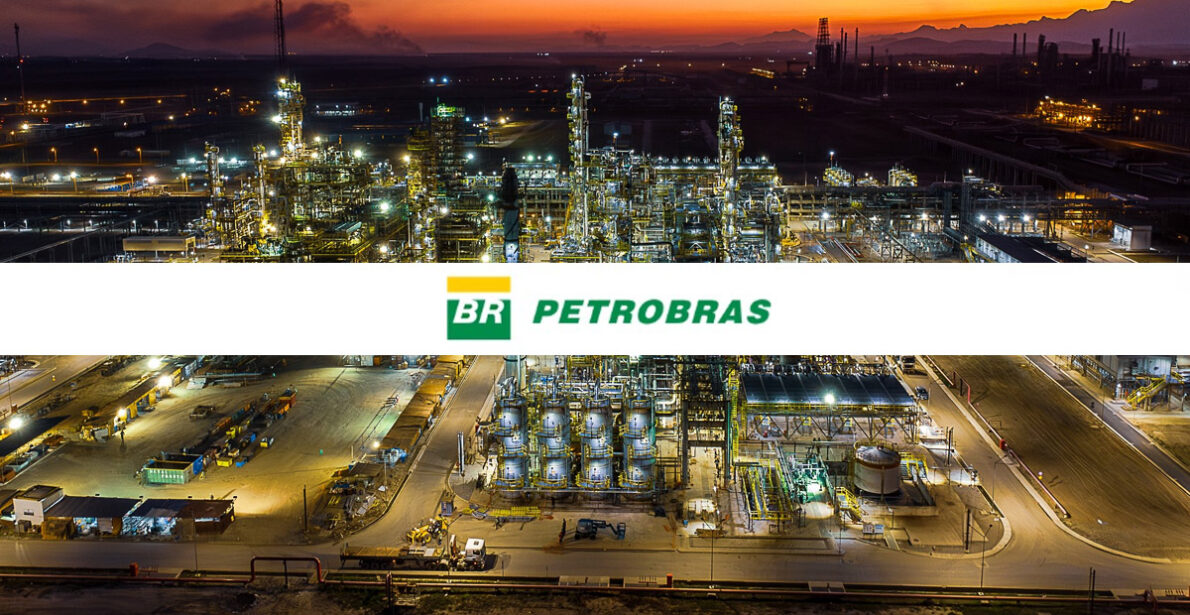
With a Past Marked by Scandals, Boaventura Energy Complex Is Inaugurated by Lula. The Project, Which Cost Billions, Reborns as a Symbol of Innovation and Natural Gas Production.
The President of the Republic Luiz Inácio Lula da Silva attended a ceremony that grabbed attention this Friday (13). While the eyes of Brazil turn to economic recovery and advances in Petrobras, a project that bears the marks of a dark time in the country was officially inaugurated.
The project that has already cost billions of reais to the country is back in the spotlight, bringing new promises and, of course, much debate. At the center of this comeback, the Boaventura Energy Complex, in Itaboraí, Rio de Janeiro, revives one of the most controversial chapters of Operation Car Wash.
Initially known as the Rio de Janeiro Petrochemical Complex (Comperj), the site has become a symbol of corruption investigations.
-
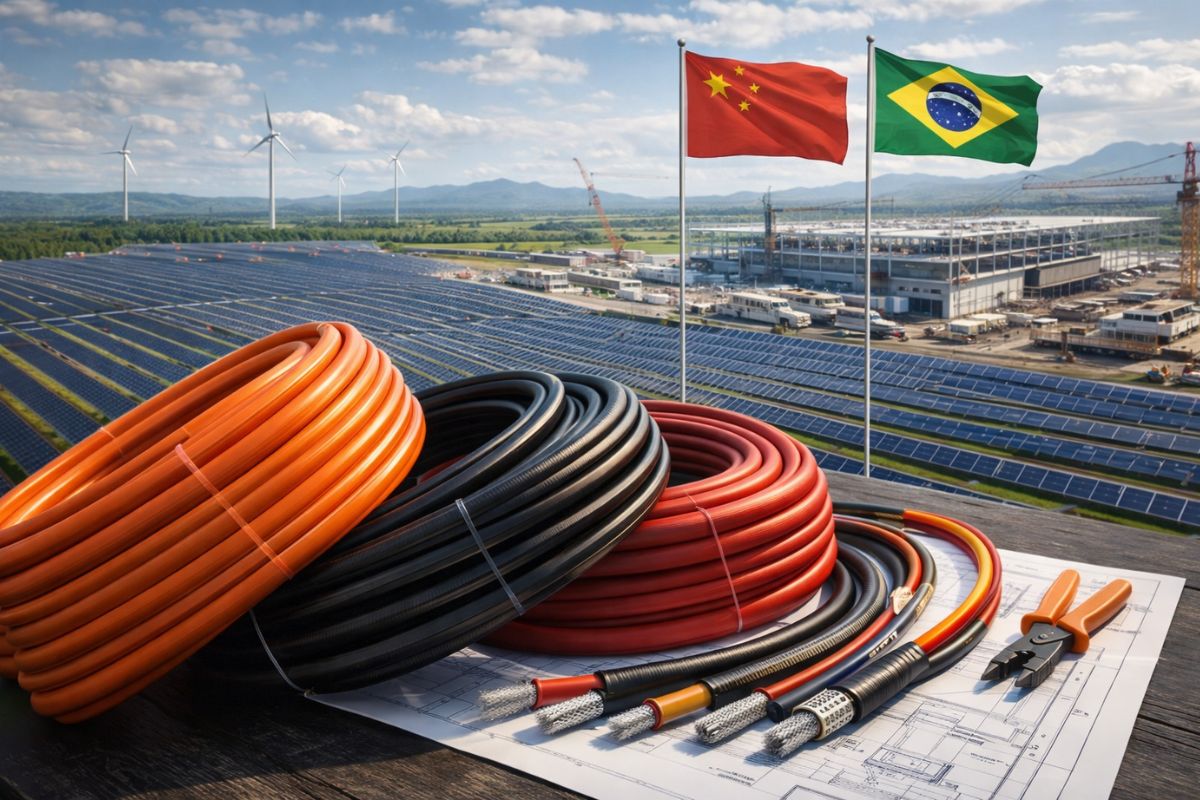
Chinese giant worth nearly R$ 4 billion that manufactures cables for electric cars, solar energy, and robotics wants to open a factory in SC.
-
Many employers do not know, but the law guarantees domestic workers a 25% increase in salary during trips, 50% for overtime, 20% for night shifts, and 17 additional benefits that can lead to labor lawsuits if not paid.

-
Gasoline prices soar and the question arises: is ethanol more advantageous? The 70% rule reveals the limit with gasoline.

-
The government has made a decision and is starting a test with more ethanol in gasoline, anticipating a mixture of up to 35%, diesel with 25% biodiesel, and a study to assess the impacts on engines.


Petrobras now aims not only to turn this page but also to position Brazil as a reference in natural gas processing and fuel production. The opening of the largest gas processing unit in the country signals a new era for the energy sector.
A Project That Transcends Scandals
The construction of this complex was conceived back in 2006, during Lula’s first term. At the time, the project, which promised to integrate the petrochemical industry with oil refining, had an initial cost of around 6 billion dollars.
However, over the years, several modifications to the project caused the cost to rise to an impressive 26 billion dollars, in addition to becoming the target of investigations and corruption scandals.
Now, with a new approach, Petrobras is betting on natural gas processing, driven by pre-salt production in the Santos Basin.
According to the state-owned company, the complex will have the capacity to process up to 21 million cubic meters of gas per day, reinforcing national supply and reducing dependence on imports.
The company also announced that the area will feature two thermoelectric plants and refining units for the production of diesel, aviation kerosene, and lubricants.
The New Focus: Natural Gas and Fuels
The main unit of the complex is dedicated to the processing of natural gas from the pre-salt layer. The Rota 3 pipeline, which will transport the input from the Santos Basin to the complex, is now operational.
The Rota 3 project will allow the flow of up to 18 million cubic meters of gas per day, helping to increase the supply of this resource in the national market.
According to Petrobras, the works of the Rota 3 project generated around 10,000 direct jobs, a significant impact on the local economy.
Additionally, when fully completed, the complex will have the capacity to produce 12,000 barrels daily of lubricating oils, 75,000 barrels of S-10 diesel, and 20,000 barrels of aviation kerosene.
The Comeback of Petrobras and the Challenges of Itaboraí
After nearly two decades of scandals and shutdowns, the Boaventura Energy Complex emerges as a new hope for Petrobras and the Brazilian energy sector. However, the road to this point has been arduous.
According to the ANP (National Agency of Petroleum, Natural Gas and Biofuels), approval for the operation of the gas processing plant came only in September 2024, when the company finally completed the necessary adjustments for equipment calibration.
Petrobras anticipates that commercial operations at the complex will begin in October 2024. More than 600 professionals are already involved in the operation of the pipeline, refinery, and other plants on-site, ensuring the operational infrastructure needed for the project’s success.
A Homage to Local History
In addition to its economic role, the Boaventura Energy Complex pays tribute to the roots of the region.
The name of the industrial hub is a reference to the Convento São Boaventura, whose ruins are located within the complex area and are considered one of the first constructions in the Itaboraí region.
The complex, which will operate in synergy with the Duque de Caxias Refinery (Reduc), is expected to establish itself as one of Brazil’s main hubs for gas processing and fuel production.
With a new perspective and cutting-edge technology, the Boaventura Energy Complex can finally leave behind the stigma of scandals and become an icon of innovation and development.
The Future of Petrobras: A New Phase?
The question remains: with the Boaventura Energy Complex back in operation, will Petrobras finally be able to regain its credibility and consolidate its leadership in the Brazilian energy sector? What are the next steps for Brazil in the race for cleaner and more efficient energy production?







Seja o primeiro a reagir!